 Search


- Kenya's heavyweight urban transportation layout marks a new stage in rail transit construction
- Nairobi improves its transportation network and empowers the coordinated development of urban areas
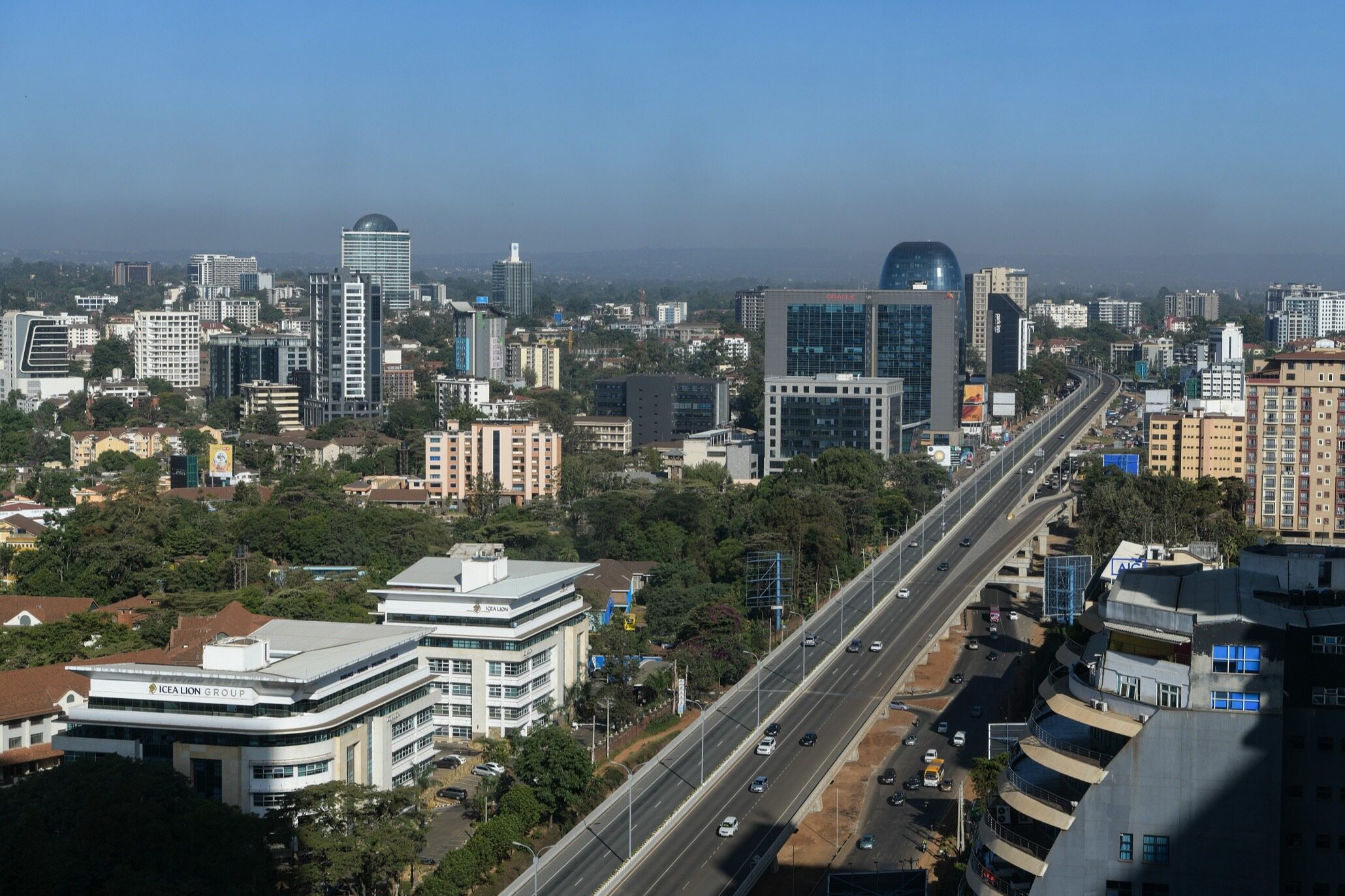
In the early morning of Nairobi, the pulse of the city accelerates in the traffic flow. The president bent down to carefully examine the laid out track blueprint, a transportation artery that runs through the bustling commercial district and the lights of thousands of households in the east, finally moving from a paper concept to a practical new chapter, injecting vibrant development expectations into this East African city.
Accelerate project implementation
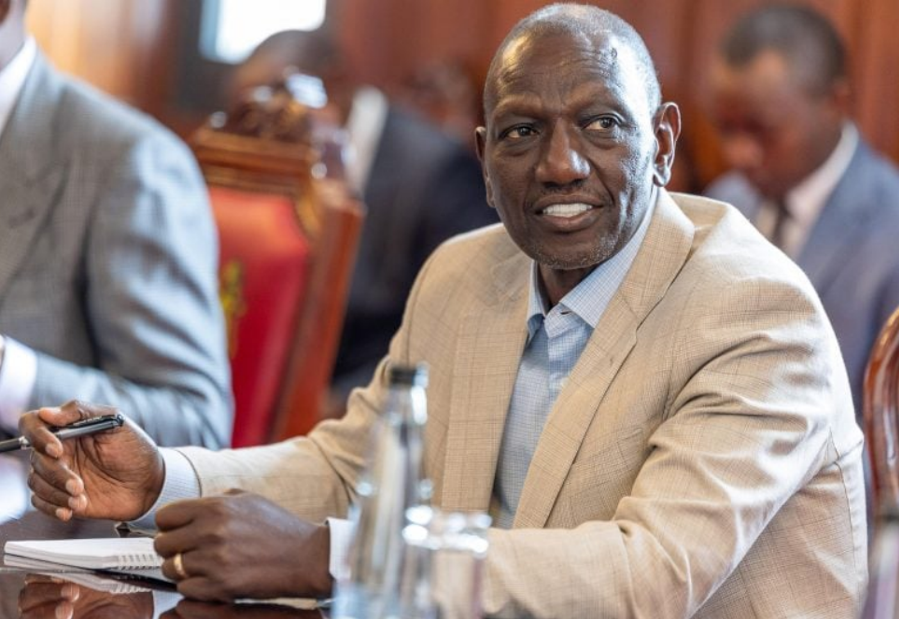
On July 31, 2026, Kenyan President William Ruto listened to the project work report at the Nairobi state capital and officially announced the implementation and progress of the first phase of the Nairobi Metropolitan Rapid Transit System project. The total planned investment for this project is 7.78 billion US dollars, with a construction mileage of 30 kilometers and 25 stations. The line connects the central business district of the city with the high-density residential area in the east. This measure marks the formal transition of Nairobi's urban rail transit plan from the long-term planning stage to the substantive promotion stage of implementation, project control, and financing refinement.
Project line architecture
According to the implementation framework released by the Nairobi County Government based on the Railzoom database, the project is divided into two main sections: the underground core section of the central business district and the eastern route. Based on the official construction blueprint of the county government, the project's route system has been refined into five major components. The underground core section is 10 kilometers long, and the remaining four sections of the route have a total length of 20 kilometers. The overall route layout is in line with the development needs of the urban core and eastern residential areas. Keywords: transportation, Nairobi
Investment and Promotion Planning
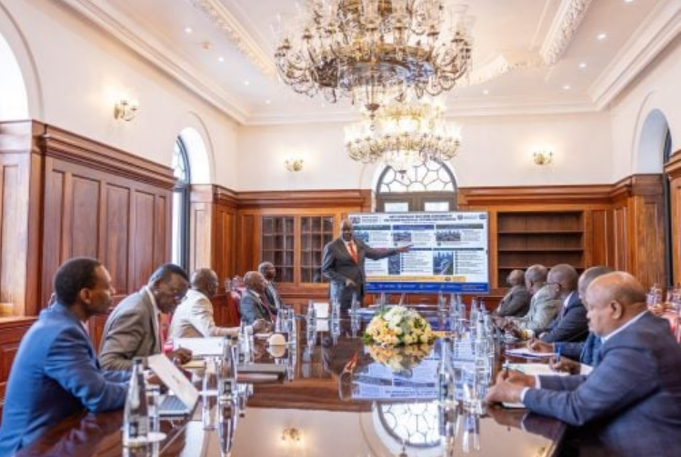
Railzoom database Sakaja introduced that the total investment for the first phase of the project is 7.78 billion US dollars, equivalent to approximately 1 trillion Kenyan shillings. In terms of fundraising, the Kenyan government will contribute at least 3 billion US dollars, equivalent to 388 billion shillings; The remaining funds will be raised through diversified market-oriented mechanisms such as pension funds, TOD development, and land value capture. The official announcement clearly states that preparations will be made for public research participation, communication with multiple stakeholders, and cross departmental collaboration in the future. Silvester Kasuku, the governance advisor of the Presidential Executive Office, has completed project reports to the executive secretaries of the transportation and road departments, and is fully committed to promoting project approval work, laying a solid foundation for national level review and implementation.Editor/Gong Ziwei
Comment




 Praise
 Collect
 Comment

 Share
Share


Write something~