 Search


- Gulf energy infrastructure adjustment reshapes global oil and gas supply pattern
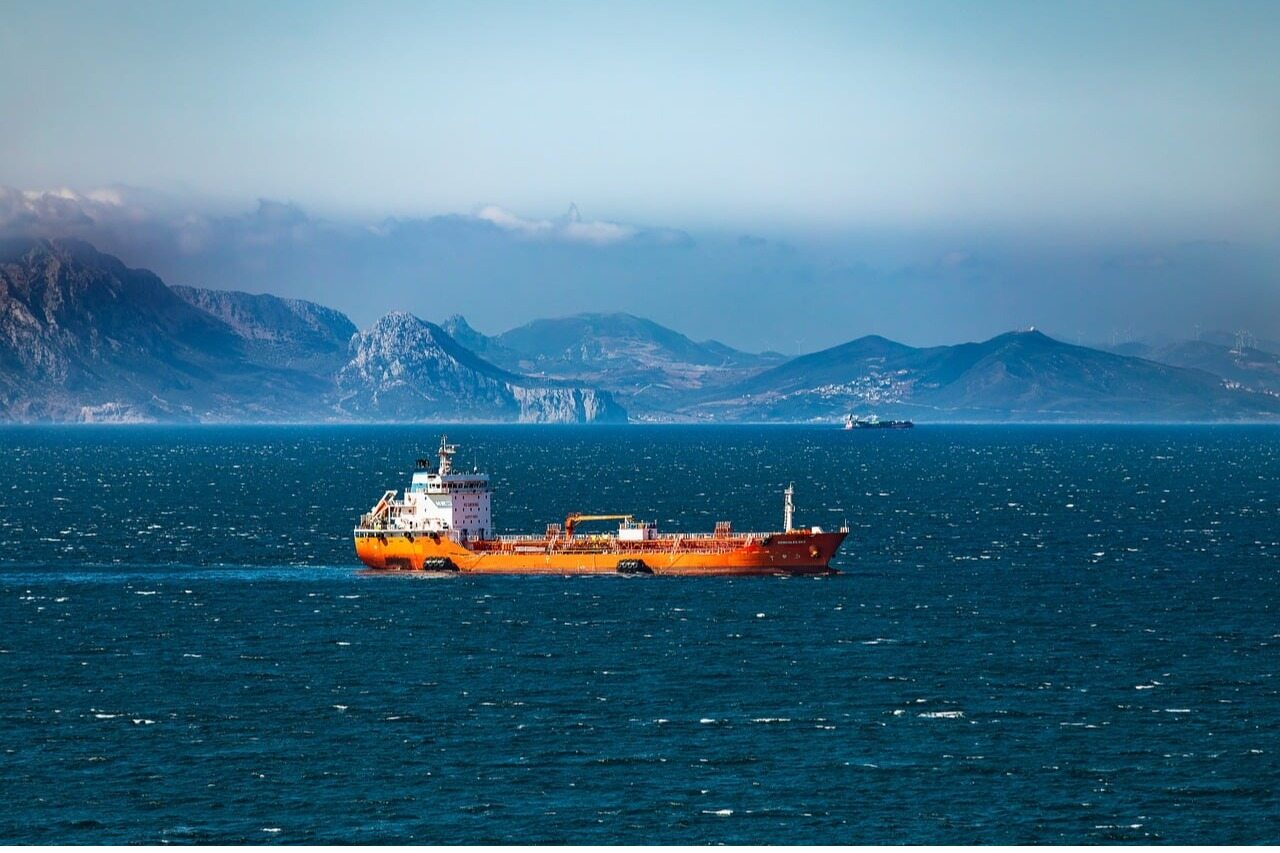
Geopolitical conflicts continue to disrupt shipping safety in the Strait of Hormuz. The Merah Oil Consortium, jointly formed by the United States and Saudi Arabia, has proposed a large investment plan to build a new refinery export complex outside the strait. After years of site selection, the project has entered a critical sprint stage. Once implemented, it will change the single channel pattern of Gulf energy logistics and add buffer space to the global supply chain.
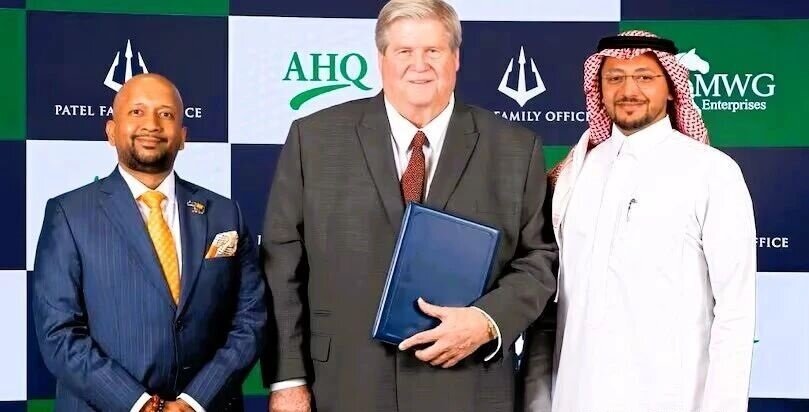
Clear project planning and progress
Merah Petroleum is a joint venture between American and Saudi companies, planning to invest $5 billion to build an integrated energy facility. After three years of site selection evaluation, the consortium has finalized three candidate sites in the member states of the Gulf Cooperation Council and will finalize the final site selection by the end of 2026.
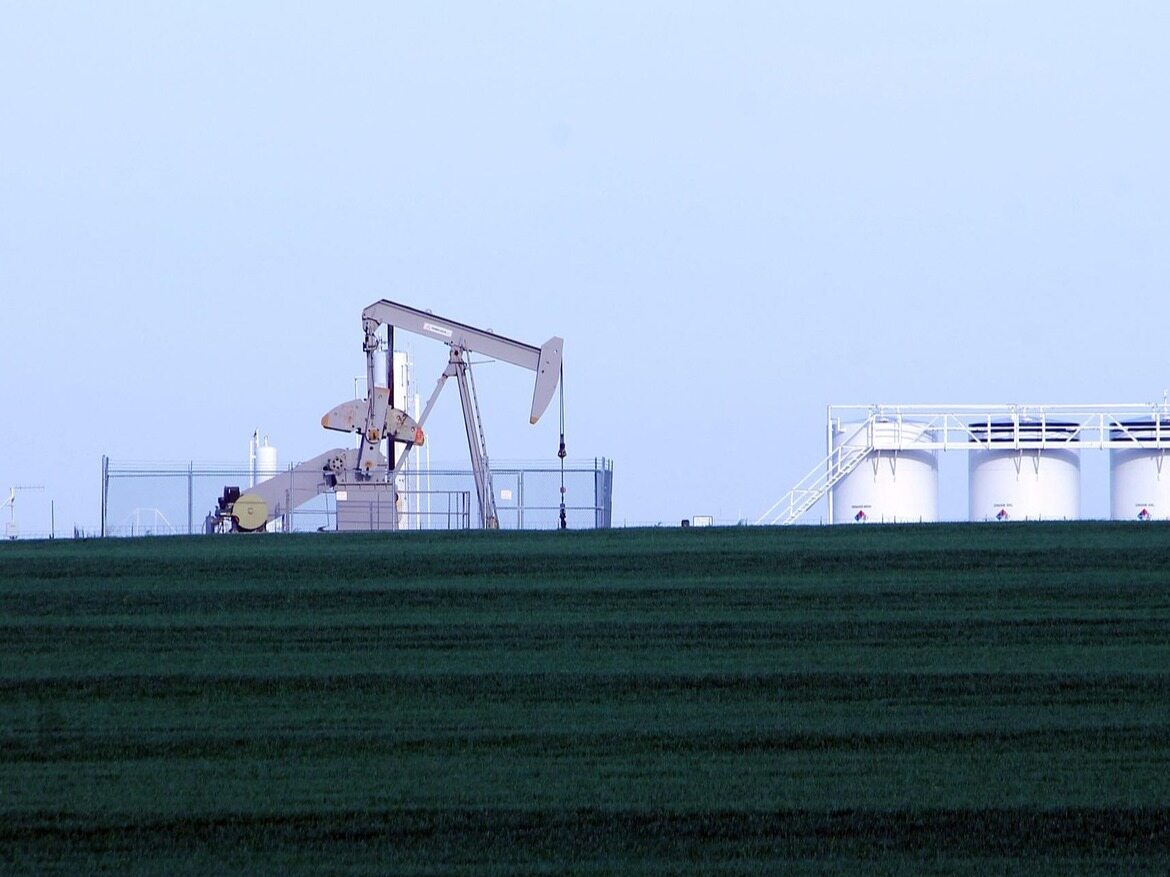
The project plans to construct a refinery that can process 200000 barrels of crude oil per day, while simultaneously supporting deep-water ports, oil and gas storage tanks, and offshore export facilities, forming a complete industrial chain. At present, the pre feasibility study is nearing completion, and the site survey and engineering design will be initiated after the site selection and landing. The goal is to achieve mechanical completion and commercial operation by the end of 2029. The factory specializes in producing ultra-low sulfur diesel, aviation kerosene, and other products for overseas markets.
Avoiding channel geopolitical risks
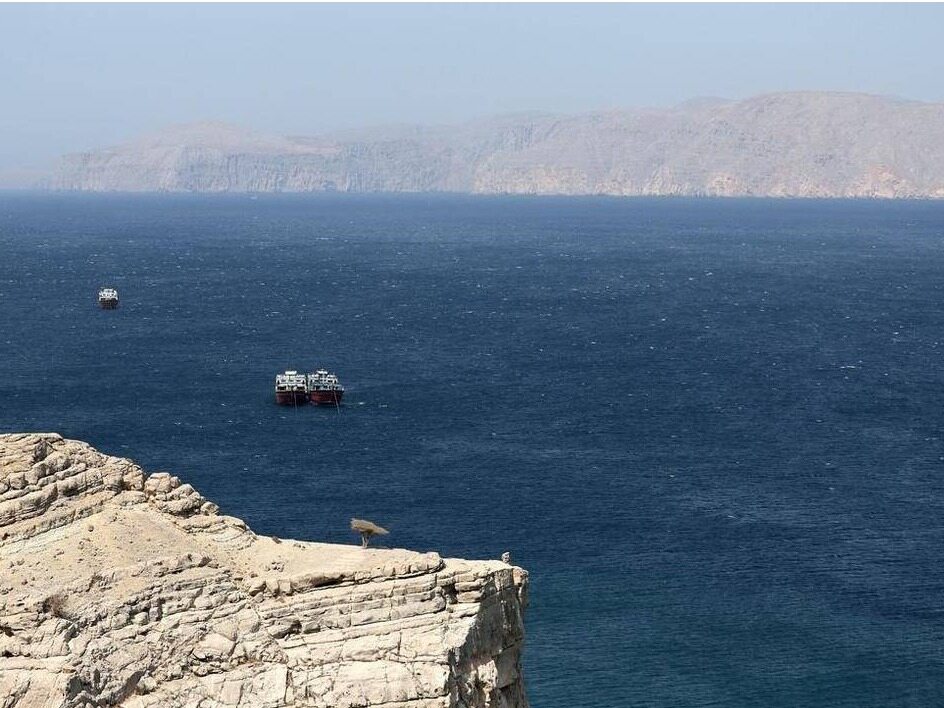
A large amount of global crude oil transportation relies on the Strait of Hormuz, and regional fluctuations continue to amplify shipping risks. The primary goal of the consortium's site selection is to break free from the constraints of a single channel, build independent export nodes on the outer side of the strait, and enhance the flexibility of energy supply. Keywords: Gulf Energy Hub, US Saudi Arabia Refinery Project
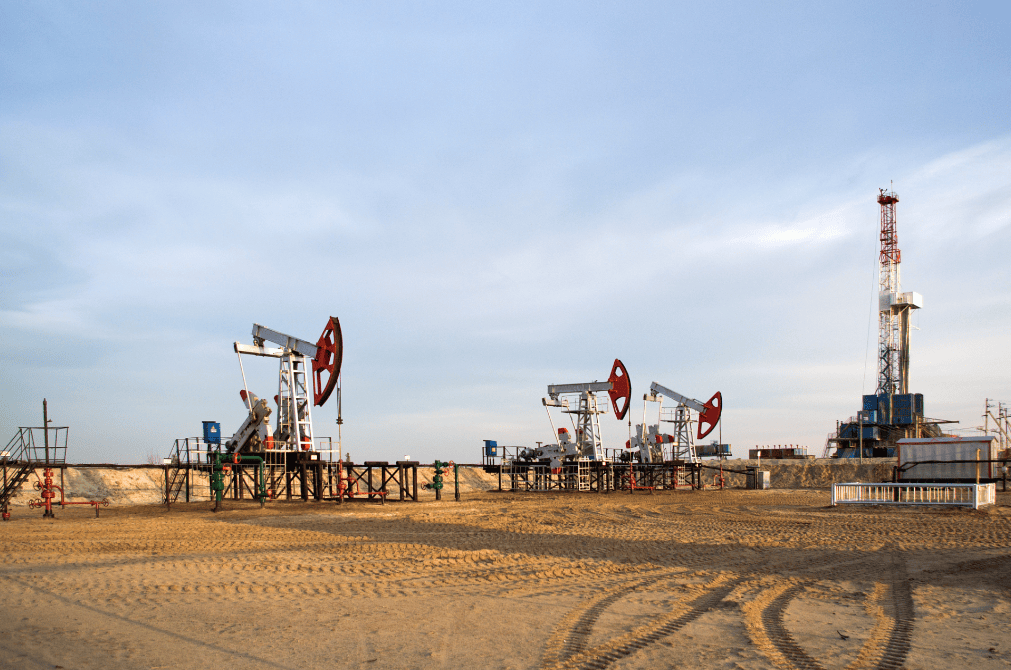
The project covers an area of 1200 to 1500 acres and, upon completion, can create up to 3000 direct jobs and drive 15000 indirect employment opportunities. The financing channel design is diverse, covering various models such as equity investment, project loans, and Islamic compliance financing. Currently, Gulf countries are accelerating the diversification of infrastructure layout. After the project is implemented, it will deepen the cooperation between the US and Saudi Arabia industries and broaden the export channels of Gulf refined oil products.Editor/Min Jing
Comment

 Praise
 Collect
 Comment

 Share
Share


Write something~