 Search


- Energy structure iteration, promoting the upgrading of West African power system
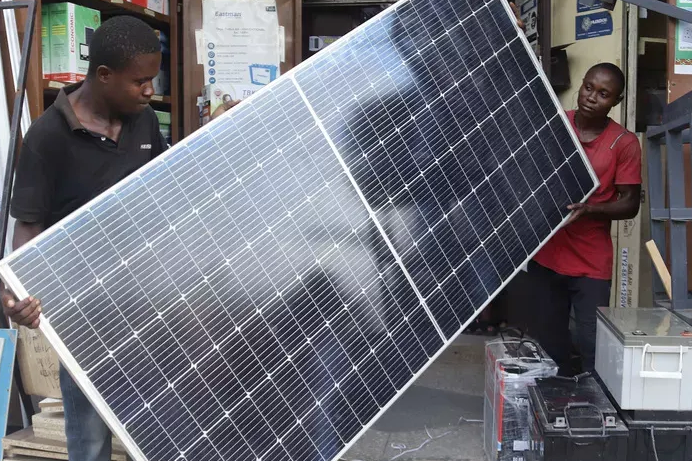
The local power supply has long been constrained by the cost of fossil fuels, and the prices of renewable energy components continue to decline, leading to a shift in market thinking. The industry no longer blindly expands photovoltaic installation capacity, but instead values energy storage matching and digital means to improve power supply quality and tap into the potential of local diversified energy.
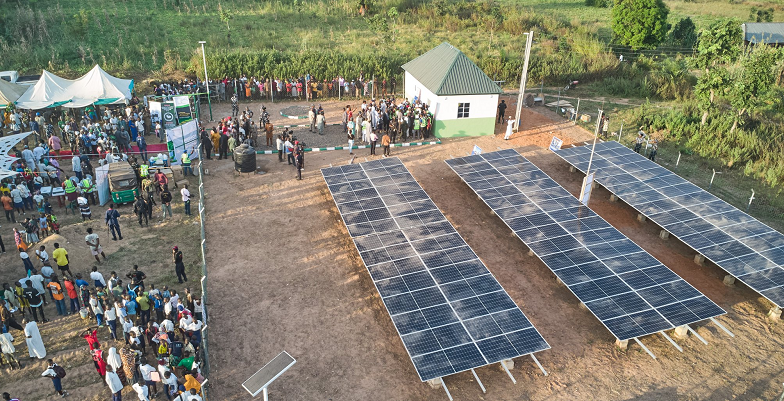
Market concept transformation
At the Nigeria Solar and Energy Storage Exhibition, the industry focuses on equipment cost reduction and new power infrastructure. In the past ten to fifteen years, the cost of renewable energy components has significantly decreased, with some products experiencing a decline of over 100%, and some links reaching 200% to 300%. The market places greater emphasis on the full lifecycle benefits of projects, and the competitiveness of solar energy continues to improve compared to traditional fossil fuels. In addition to solar energy, there is development space for hydropower, wind energy, biomass and geothermal energy in the local area, and improving the financing pricing mechanism is still a practical problem for the industry. The exhibition gathers multiple market entities, and the industry chain opportunities extend to the fields of energy storage operation and maintenance, as well as energy data services.
Energy storage becomes a key focus
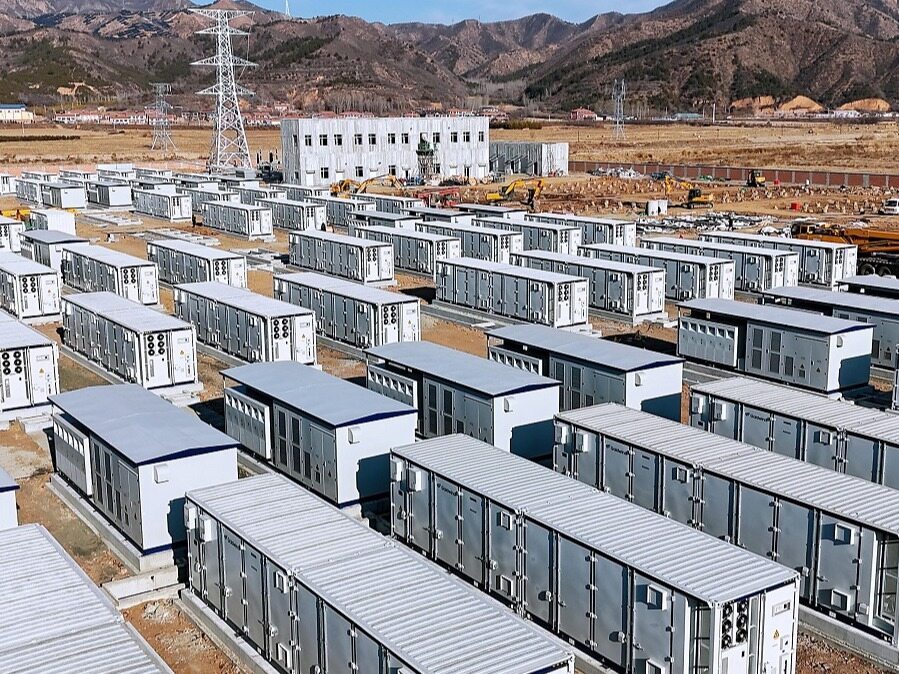
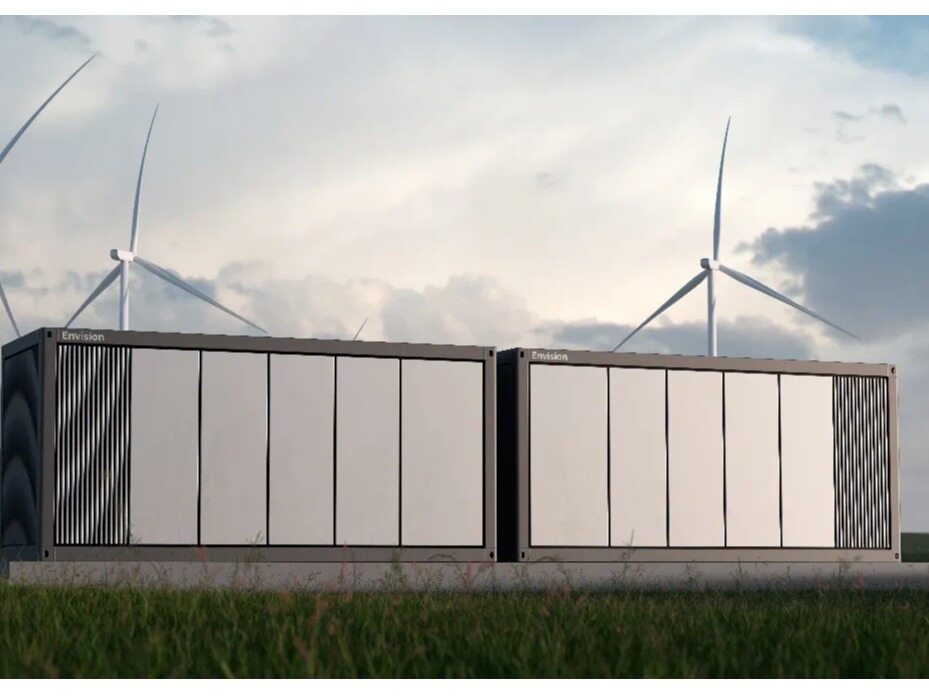
Capital is gradually shifting from single power generation projects to energy storage facilities to smooth out load fluctuations and connect decentralized power supply systems. The Nigeria Rural Electrification Authority is promoting the construction of 48 interconnected microgrids with a total installed capacity of approximately 288 megawatts, improving the reliability of power supply in remote areas. All newly built microgrids are equipped with IoT smart meters, which rely on bidirectional communication to complete load control, fault prediction, and assist in daily operation and billing work. Keywords: Nigeria energy storage, West African energy transition
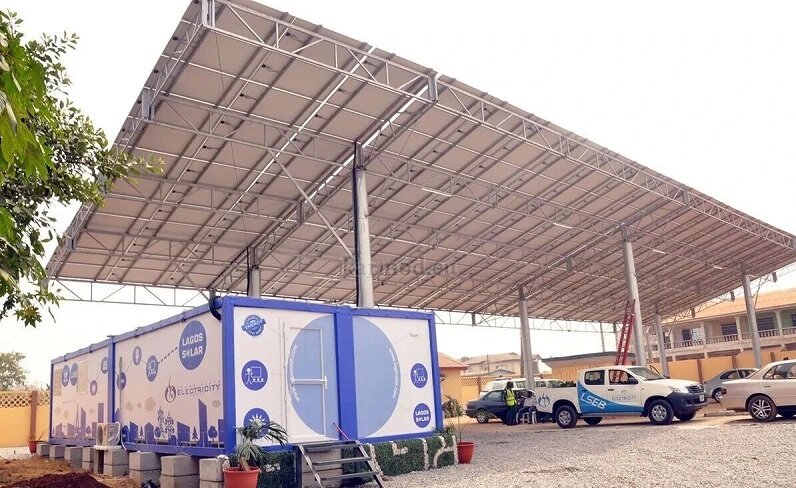
Digital Empowerment Construction
The local government has introduced artificial intelligence into energy project planning, and the Rural Electrification Bureau has completed data mapping of over 750000 communities across the country. Based on the economic payment ability of the population, it has assessed electricity demand and commercial feasibility, helping developers reduce uncertainty in investment site selection and providing strong support for the large-scale implementation of renewable energy.
Comment



 Praise
 Collect
 Comment

 Share
Share


Write something~