 Search


- Balancing safety and culture, the local urban construction concept continues to innovate
- Insufficient local production capacity creates market space for Chinese building materials to go global

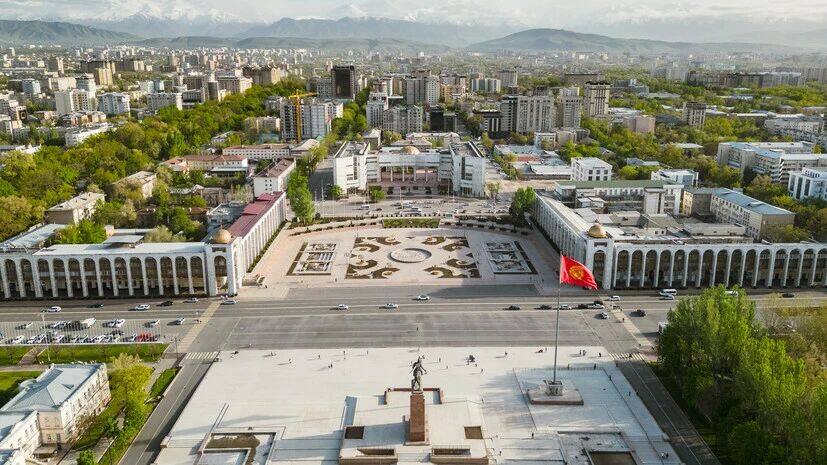
The scenery of Kyrgyzstan at the foot of the Tianshan Mountains is beautiful. Nowadays, tower cranes stand tall in places such as Bishkek and Osh, and various modern buildings are constantly being completed, accelerating the renewal of the city's appearance. According to Akmatov, Chairman of the Kyrgyzstan Construction Industry Alliance, the contribution rate of the country's construction industry to GDP has increased by about six times in the past six years, and the output value will reach 438.5 billion som in 2025, equivalent to 33.992 billion yuan. In the first quarter of 2026, the total output value of the construction industry increased by nearly 50% year-on-year, and the construction industry has grown into a pillar of the local economy.
Construction tide encounters supply gap
The construction boom has driven the upgrading of residential consumption towards quality, but the local production capacity of building materials and high-end furniture is weak, with about 80% of building materials relying on imports. The old prejudice against Chinese building materials has been reversed. Urumqi Steel and Guangdong Foshan Building Materials Furniture have opened up the local market with high cost-effectiveness, and Chinese manufacturing has filled the gap in the supply chain.
Chinese enterprises flock to the local area
In the 35 years since Kyrgyzstan's independence, the number of resident Chinese enterprises has been sparse. By 2025, the number of Chinese construction companies entering the region will increase to over 100, ushering in a golden period of bilateral cooperation. Around projects such as the China Kyrgyzstan Uzbekistan Railway, Chinese enterprises are exporting advanced technologies and efficient construction experience such as BIM and AI assisted design. Local earthquakes occur frequently, and seismic standards have been raised multiple times. The project plan needs to be reviewed by Chinese experts, and both parties need to carry out seismic technology exchanges. Keywords: the Belt and Road News, Kyrgyzstan, Made in China
Seeking innovation and change in construction mode
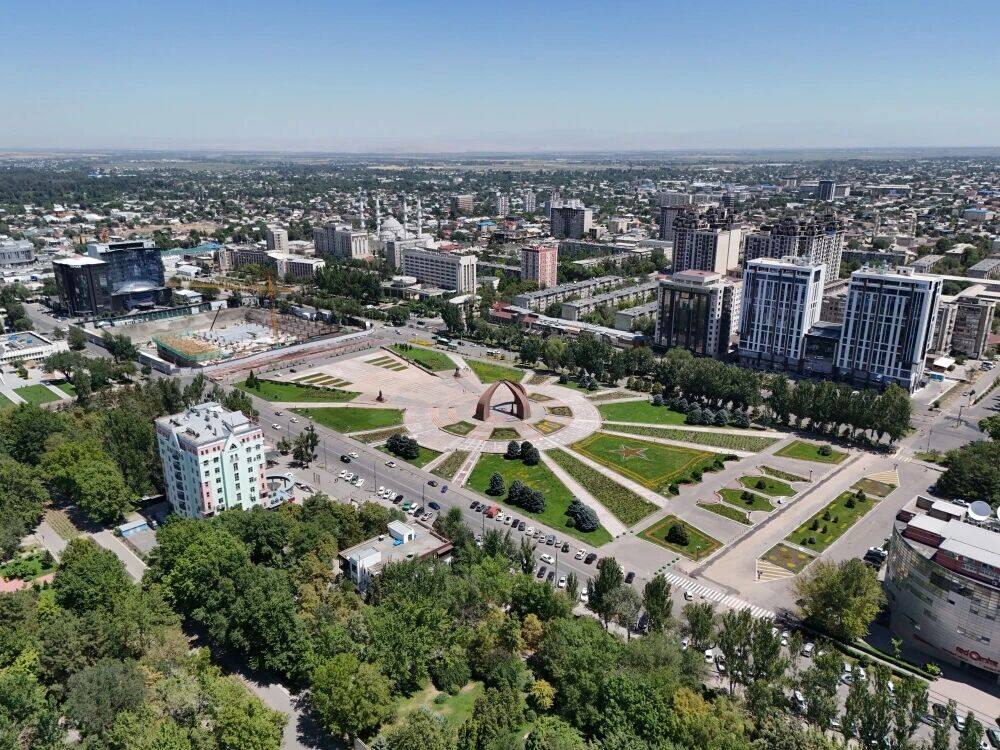
The local construction industry has bid farewell to extensive development, no longer blindly pursuing the number of buildings, but paying more attention to greening, transportation layout, and the construction of cultural communities. Local institutions promote digital tools and enterprises benchmark international service standards. Relying on the Central Asian regional cooperation under the joint construction of the the Belt and Road, the builders of the two countries work together to explore a new humanistic and livable lifestyle while creating urban landmarks, and the dream of building the Silk Road continues to advance.Editor/Gong Ziwei
Comment




 Praise
 Collect
 Comment

 Share
Share


Write something~