 Search


- The pattern of energy trading and infrastructure investment in East Africa is undergoing a deep adjustment
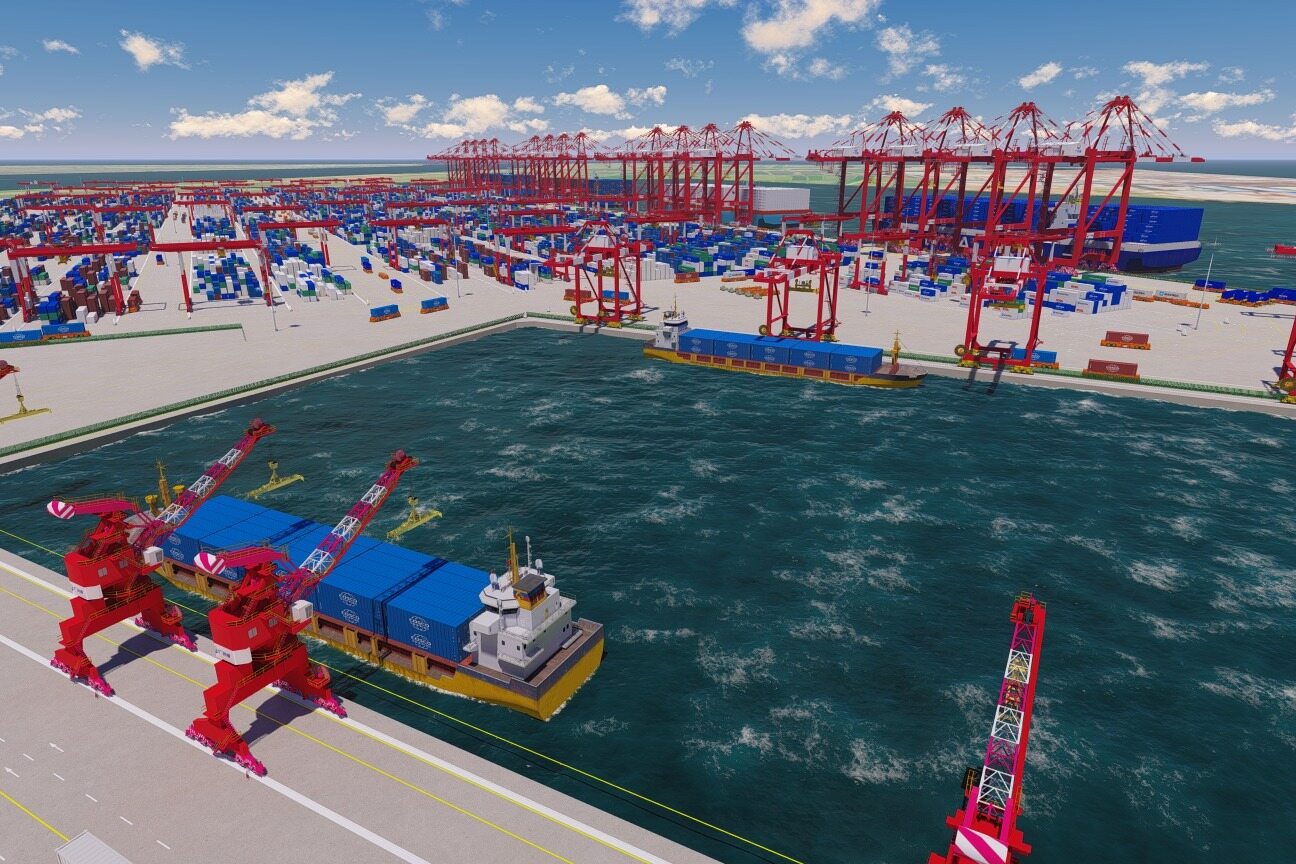
On August 6, 2026, Ugandan President Museveni and Tanzanian President Hassan witnessed the signing of a memorandum of energy cooperation in Dar es Salaam. Uganda National Oil Company, Tanzania Petroleum Development Corporation, and Vidor Bahrain Company have teamed up to develop Tanga Port into a regional energy hub that covers oil storage, refining, logistics, trading, and distribution. The long-term investment target exceeds 20 billion US dollars, and the East African energy landscape is welcoming a new participant.

The storage and transportation refining project is fully launched
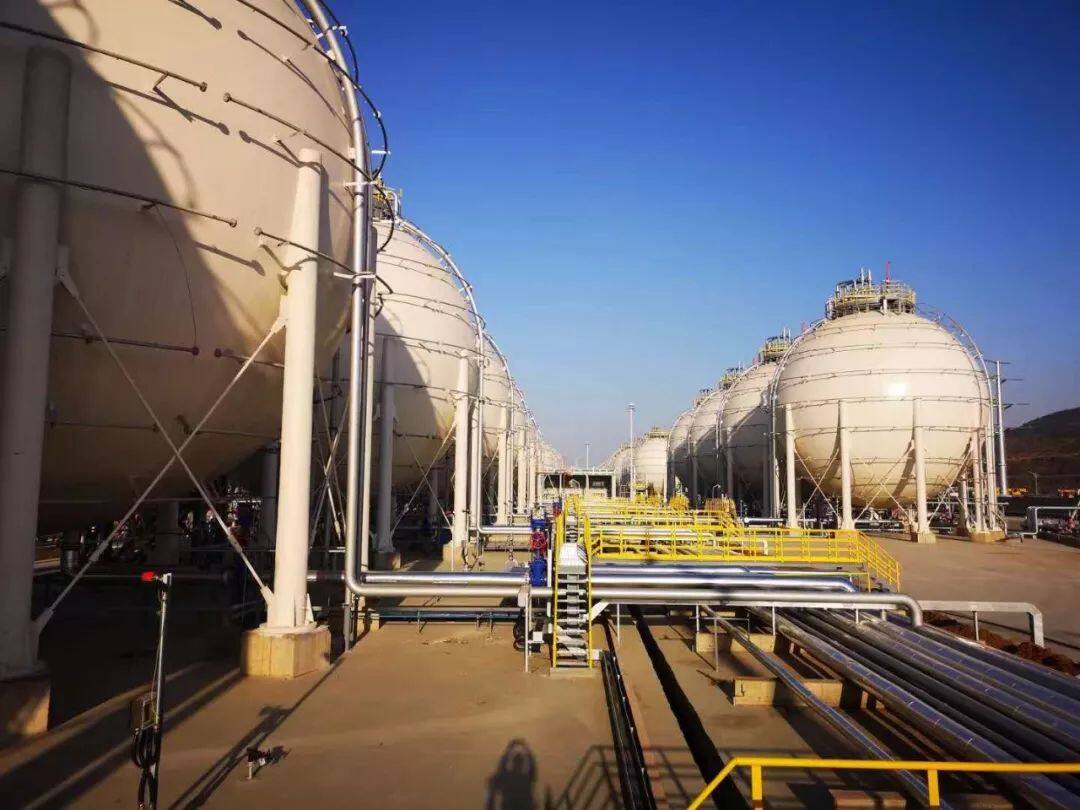
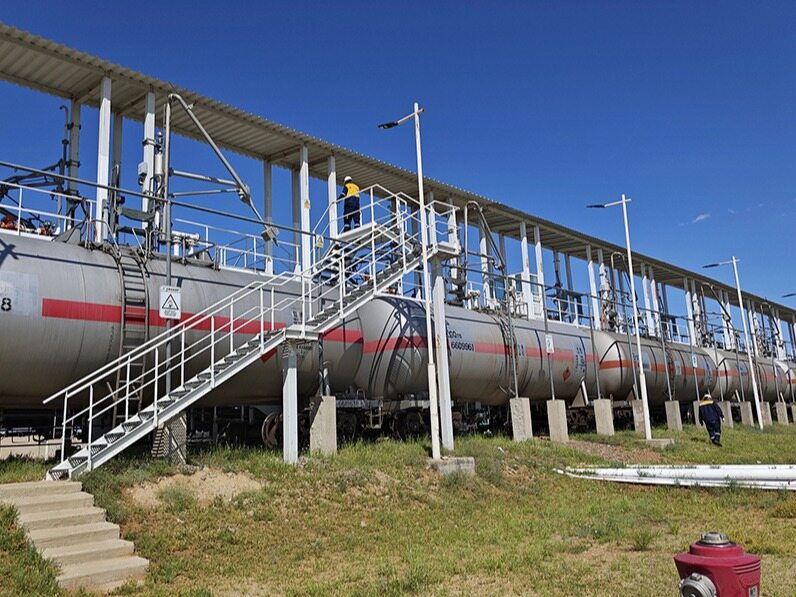
In February 2026, Ukraine and Tanzania have included crude oil, natural gas, and refined oil projects in their bilateral agenda. The memorandum on August 6th assigned storage, transportation, refining, and trading to three companies for further development. The total length of the East African crude oil pipeline is 1443 kilometers, and the Tanzania section is scheduled to be completed by the end of August 2026. The first oil tanker is scheduled to load crude oil in January 2027. The feasibility study and front-end design of the two-way finished oil pipeline and storage terminal are planned to be completed within 2026, while the feasibility study of the natural gas pipeline is scheduled to be completed in October 2026. Uganda is also advancing the Hoima refinery with a daily processing capacity of 60000 barrels. The World Bank has approved an additional $250 million in preferential financing for a 400 kV interconnection project covering approximately 260 kilometers in Uganda, with a designed transmission capacity of 1000 megawatts. Multiple project lines will share ports, utility tunnels, electricity, storage tanks, and customer resources.
Vidor brings financing and trading capabilities
Vidor has entered the fields of oil supply and infrastructure financing in Uganda. In December 2025, Uganda National Oil Company was approved to borrow up to $2 billion from Vidor, with a term of seven years, for storage facilities, oil terminals, finished oil pipelines, refining related projects, and regional logistics. Uganda National Oil Company will assume the responsibility of importing oil products from 2023, with Vidor participating in source organization and supply. The existing $2 billion financing has not yet been confirmed for direct injection into the Tanga hub, and each sub project still needs to secure funding separately. The supply organization and trading capabilities brought by Vidor may become an important driving force for projects to move from planning to execution. Keywords: Infrastructure News Network, International, Logistics, Ports

Order release waiting for four thresholds
Investment targets exceeding $20 billion need to be implemented step by step. The first issue is the project boundary, with tank size, refining capacity, dock berths, and pipeline routes still to be studied. The results by October and the end of 2026 will determine how the engineering package will be split. The second issue is the project company, with third-party shareholding, governance structure, and pricing mechanism yet to be disclosed. The third step is the final investment decision, which requires the implementation of capital, loans, and purchase agreements for each sub project. The fourth step is localized procurement. The East African crude oil pipeline announced its intention to purchase equipment for operation in Tanzania in June 2026, and companies can only receive formal bidding invitations after entering the pre-approval list. The earliest released contracts were concentrated in the feasibility study, front-end design, surveying, geological exploration, and environmental impact assessment stages. Four types of actual orders, including storage and transportation and pipeline engineering, power support, operation and maintenance, and localized cooperation, are worth tracking. The feasibility study of natural gas pipelines in October 2026, the research on finished oil pipelines and storage terminals by the end of 2026, and the first crude oil ship in January 2027 will determine the pace of order release. Enterprises that have completed registration, pre-approval, and local cooperation arrangements in Tanzania are expected to receive admission tickets first.Editor/Gao Xue
Comment



 Praise
 Collect
 Comment

 Share
Share


Write something~