 Search


- Reshaping the interaction logic of robots to enable devices to have the ability to predict and correct errors in real-time
- Breaking through the bottleneck of visual cognition and constructing a physical intelligence system for robots through tactile thinking
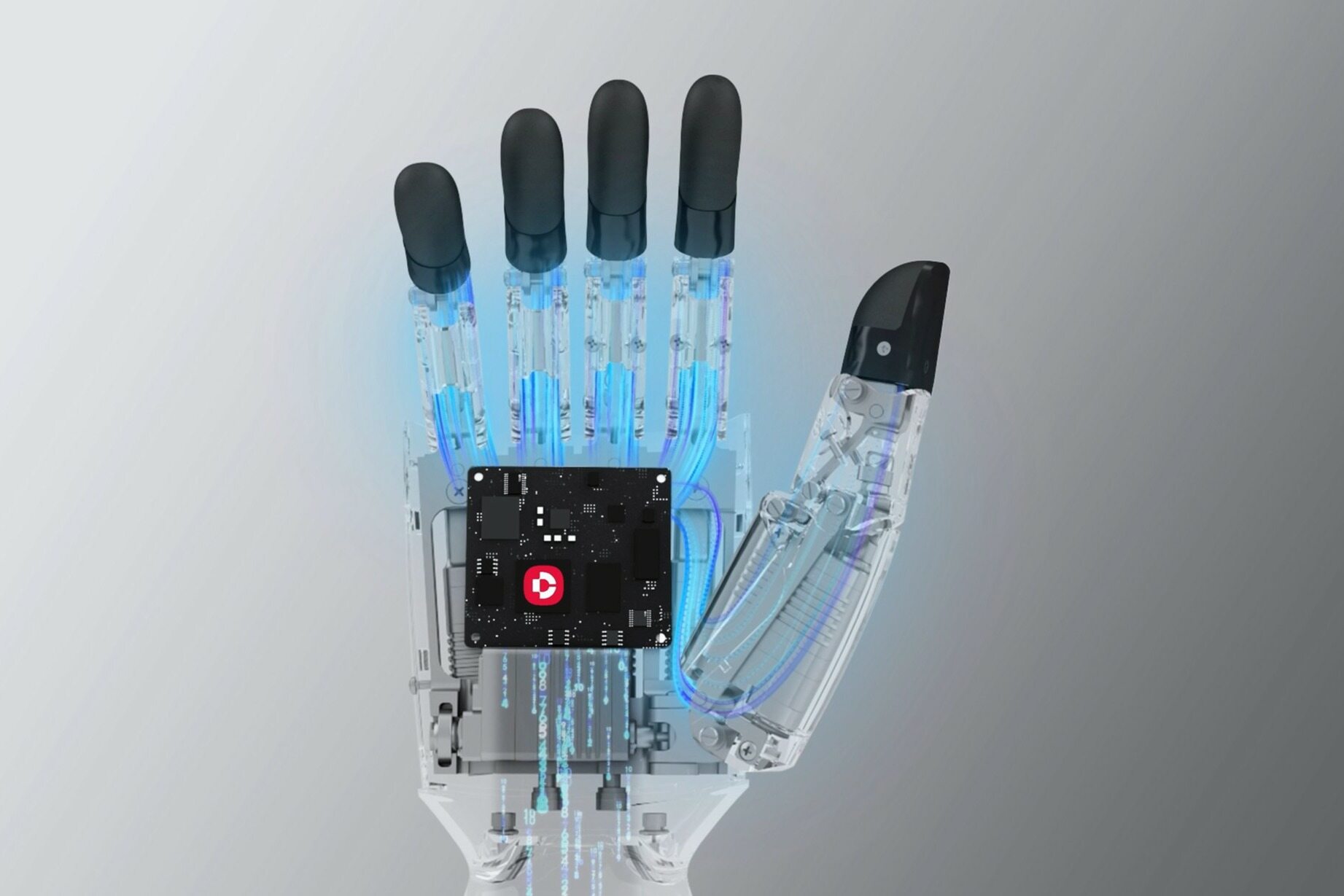
At the moment when the gear got stuck in the groove, the robotic arm lost control of its force and crashed its parts - this is a familiar scene in countless laboratories. When robot fingers can replicate the intricacies of human joints, the brain that understands the physical world is still absent. The tactile anchored world model released by Dai Meng is bringing interactive logic back from visual imitation to physical perception, allowing agile operations to truly grow nerves for prediction and correction.
Touch completion of the last centimeter
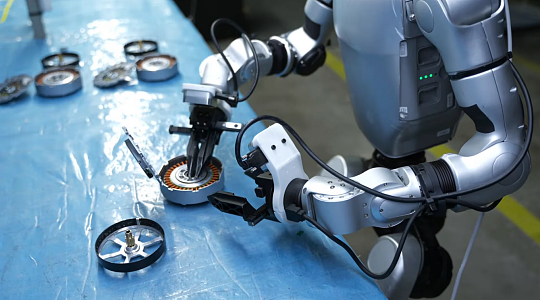
For a long time, robots have relied on vision to construct their understanding of the world, but this only stays at the level of sight. Vision can recognize the shape and position of objects, but cannot perceive force, friction, and deformation, which makes it prone to misjudgment in precise contact. The value of Daimon TWM lies in the fact that it no longer attempts to infer physical properties solely from images, but instead regards touch as the core cognitive modality. Based on millions of interactive data, the model converts subtle and continuous tactile signals into standardized physical semantics, establishing a thinking logic of perception comparison inference. The comprehensive leadership in the nine major physical cognitive indicators confirms that real physical interaction experience is the cornerstone of building machine intuition.
Prediction, correction, reconstruction, and interaction logic
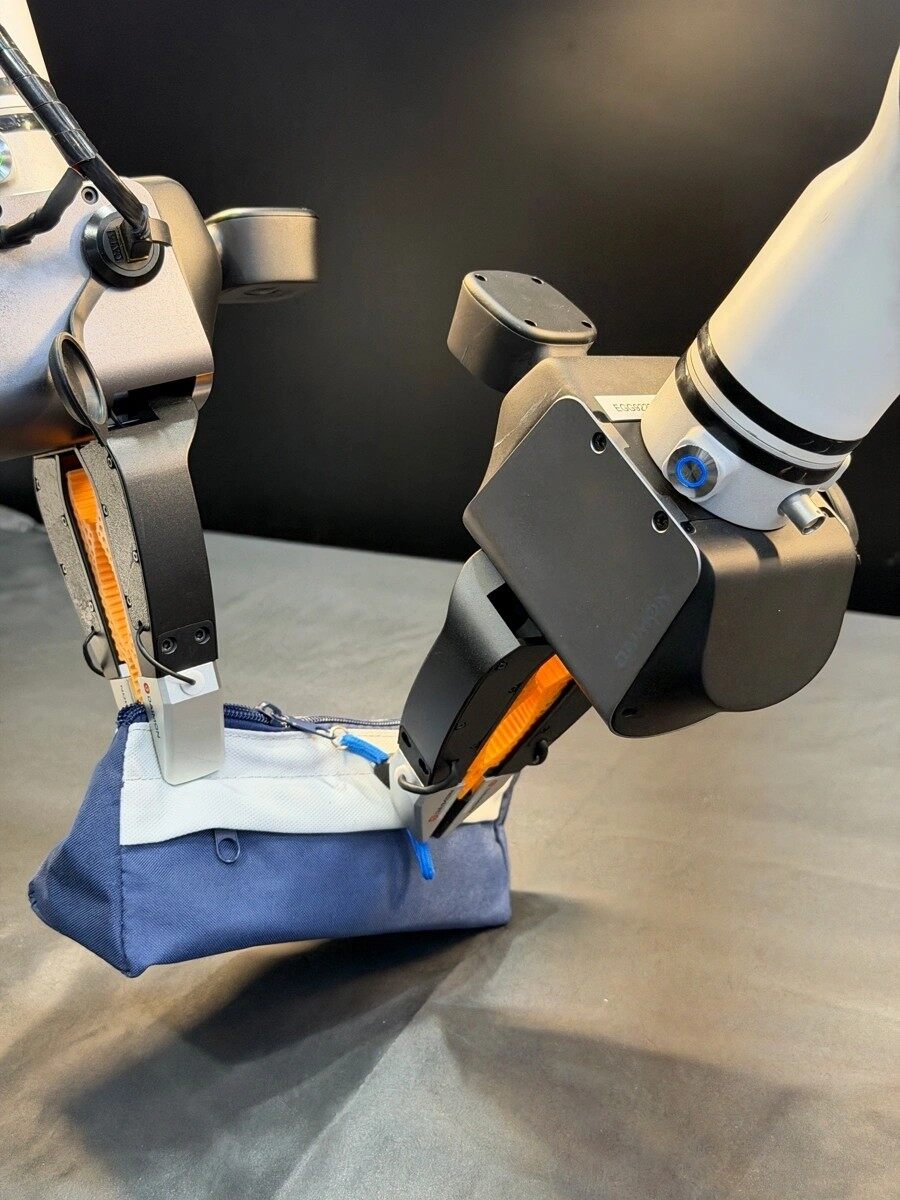
Traditional robot operations often fall into a passive cycle of post correction, and the irreversibility of physical interactions makes it difficult for this mode to cope with complex working conditions. The breakthrough of Daimon TWM lies in the realization of tactile prediction, which avoids risks in advance through thinking chain deduction. It adopts a slow planning and fast correction architecture, with the upper layer coordinating global strategies and the lower layer implementing high-frequency feedback at hundred hertz, completing action correction in milliseconds. Whether it is precision assembly of dual gears or surface wiping under dynamic disturbances, robots exhibit a biological like adaptability - working, sensing, and correcting at the same time. This closed-loop intelligence marks the evolution of robots from machines that execute preset programs to intelligent agents with dynamic decision-making capabilities.
Deeply cultivate the foundation of physical intelligence in building construction
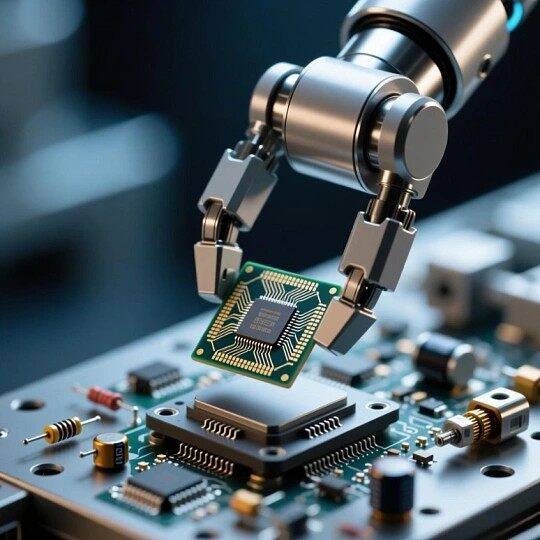
The leap of technology has never been like water without a source. The strong performance of Daimon TWM is due to the deep cultivation of physical intelligence infrastructure by Daimon Robotics. From self-developed high-precision tactile sensors to building a million level open-source interactive dataset Daimon Infinity, this hard soft combination strategy solves the pain points of difficult quantification and acquisition of tactile data. The combination of profound academic background and industry experience makes technological breakthroughs not just castles in the air, but have the vitality of continuous iteration. When the industry is still chasing the heat of big models, returning to the essence of physical interaction and feeding physical intelligence with real data is the only way for embodied intelligence to leave the laboratory and move towards the real world. Keywords: physical intelligence, world model, predictive correction, embodied intelligence
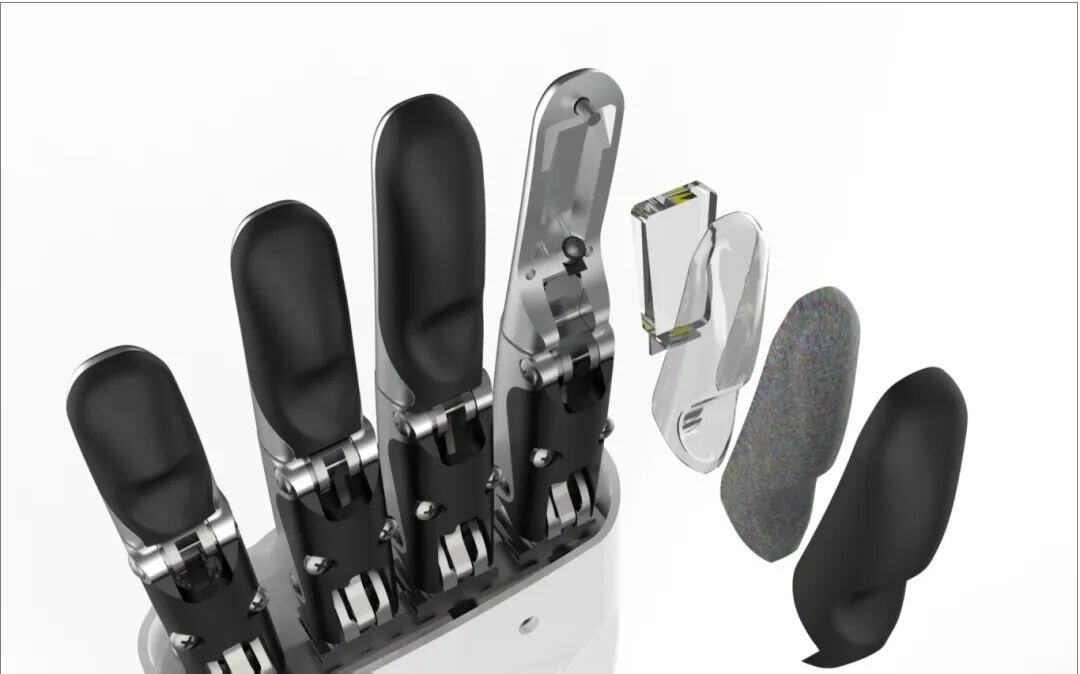
The evolution of robots' agile operation from manual dexterity and brain bluntness to manual dexterity is essentially a microcosm of the penetration of artificial intelligence from the digital world to the physical world. Taking touch as the anchor point not only fills the key gap in human-computer interaction, but also indicates that embodied intelligence is ushering in a critical turning point from resemblance to resemblance.Editor/Gong Ziwei
Comment




 Praise
 Collect
 Comment

 Share
Share


Write something~