 Search


- Multiple port freight data increases, consolidating China's position as a bridgehead for opening up to the west
- Multi channel coordination of land, sea, and air to activate new vitality in Asia Europe inland economic and trade exchanges
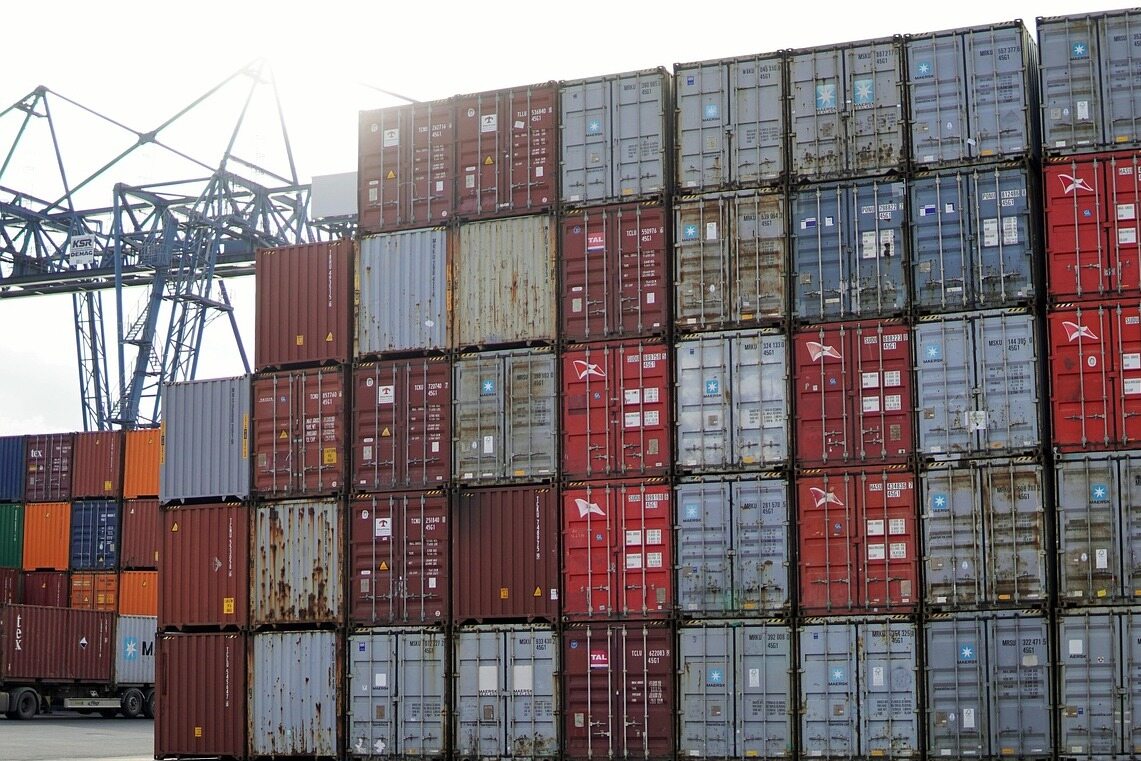
Xinjiang is located on the northwest border of China, bordering eight countries, and is a key gateway for China to open up to the Eurasian continent. At the beginning of the 15th Five Year Plan, relying on the diversified port matrix of railways, highways, and aviation, Xinjiang ports have seen a comprehensive increase in freight volume. In the first half of the year, the freight flow at ports in the entire region increased by 25% year-on-year. The China Europe freight trains whizzed through, and the traffic flow at highway ports was continuous. The air freight routes were constantly increasing. All kinds of goods are rushing from here to Central Asia and Europe, and foreign products are continuously entering the country. The dividends of the channel economy continue to emerge, promoting the region's opening-up to a higher level.
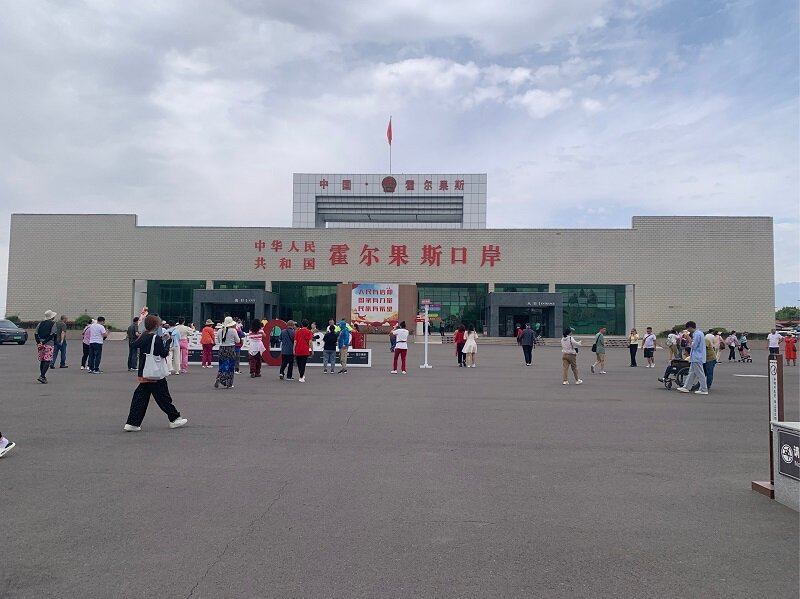
Railway hub rushes forward
Alataw Pass and Khorgos, as the core hubs of the China Europe Banliexi Corridor, undertake more than half of the national train traffic tasks. In the first half of the year, more than 50 trains were operated daily, maintaining the average annual operation scale of 10000 trains for six consecutive years. Relying on the reform of smart ports and local rapid customs clearance, the clearance of imported goods has been compressed to less than 16 hours, and the clearance of exported goods has been shortened to 1 hour. In the first half of the year, the freight volume of Khorgos Port was 22.954 million tons, and 219000 vehicles were exported. The proportion of new energy vehicles continued to rise. The cargo volume at Alashankou Port is 16.261 million tons, with 4568 China Europe freight trains under supervision. The highway port can accommodate up to 741 vehicles per day, and Chinese manufacturing is rapidly expanding into overseas markets through railway channels.
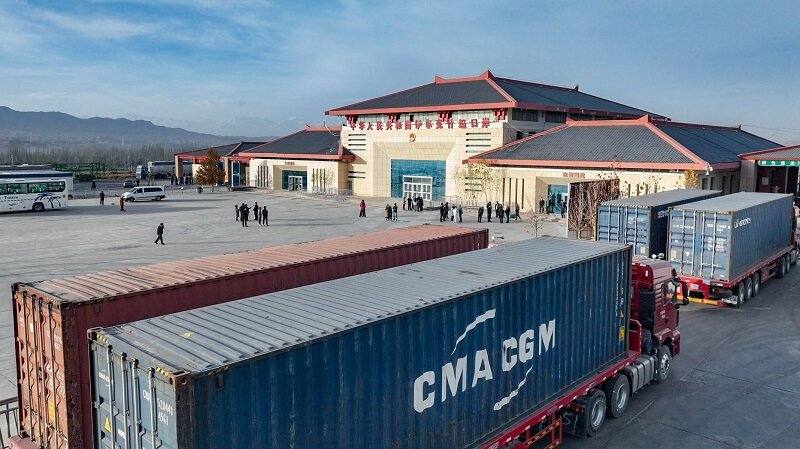
Land border ports are heating up
Multiple highway ports in Xinjiang have seen a double increase in freight passenger flow. The cargo volume at Irkeshtam Port in the first half of the year was 2.003 million tons, a year-on-year increase of 58%, exceeding 2 million tons 80 days ahead of schedule. The number of inbound and outbound personnel exceeded 200000, and the number of vehicles exceeded 180000, both breaking historical records. The number of inbound and outbound personnel at Turgat Port increased by 73%, the number of vehicles increased by 41.5%, and the import freight volume at Jimunai Port increased by 507.3%. The ports of Baktu and Dulata have also achieved impressive growth, fully unleashing the vitality of land routes connecting neighboring countries.
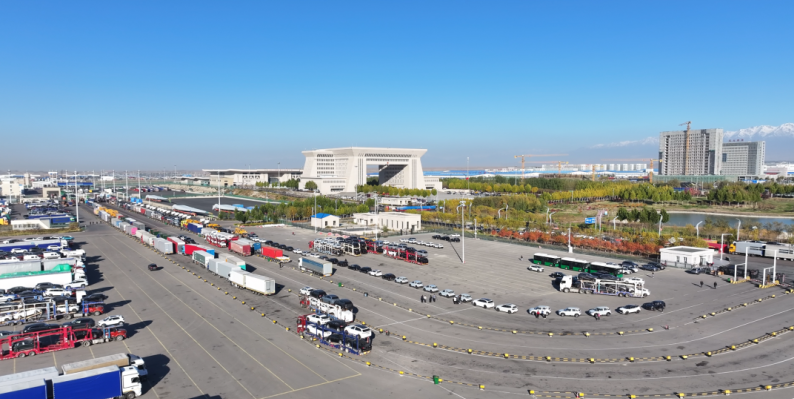
Aviation Channel Soars
The construction of the aerial Silk Road has shown a growth curve, with Urumqi Tianshan International Airport handling 157700 tons of cargo and mail in the first half of the year. In June, the monthly cargo volume was 40500 tons, an increase of 30.25% year-on-year, setting a new record for monthly cargo volume. The cargo and mail throughput of Kashgar Leining International Airport in the first half of the year was 10451.594 tons, a year-on-year increase of 13.61%. The passenger and freight volume at Yining International Airport, which officially opened permanently in March, increased simultaneously. Driven by the delivery of fresh and specialty products during the peak tourist season, the peak daily cargo and mail volume exceeded 40 tons. Keywords: Xinjiang ports, opening up to the west, China Europe freight trains
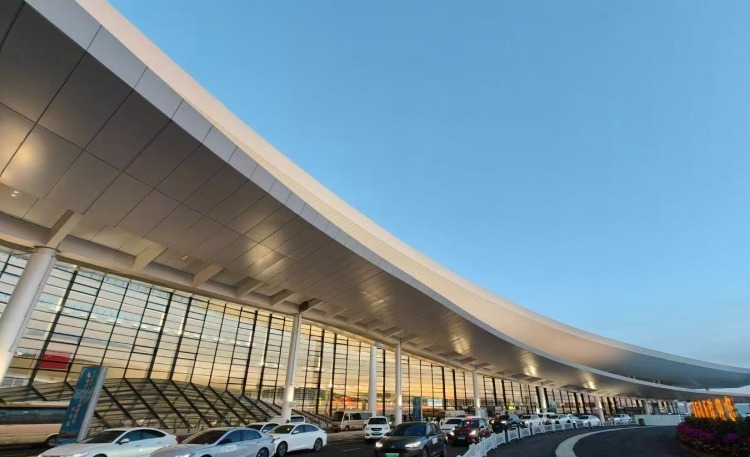
At present, Xinjiang has anchored the Asia Europe golden channel and positioned itself as a bridgehead for opening to the west, promoted the demonstration construction of Urumqi, Khorgos and Alashankou smart ports, promoted the transformation of channel economy to industrial economy, and the dividends of institutional opening will continue to be released.Editor/Min Jing
Comment





 Praise
 Collect
 Comment

 Share
Share


Write something~