 Search


- Deeply cultivate advanced process technology and reconstruct the global chip industry competition pattern
- Relying on capital to continuously empower and help veteran chip companies break through in a new way
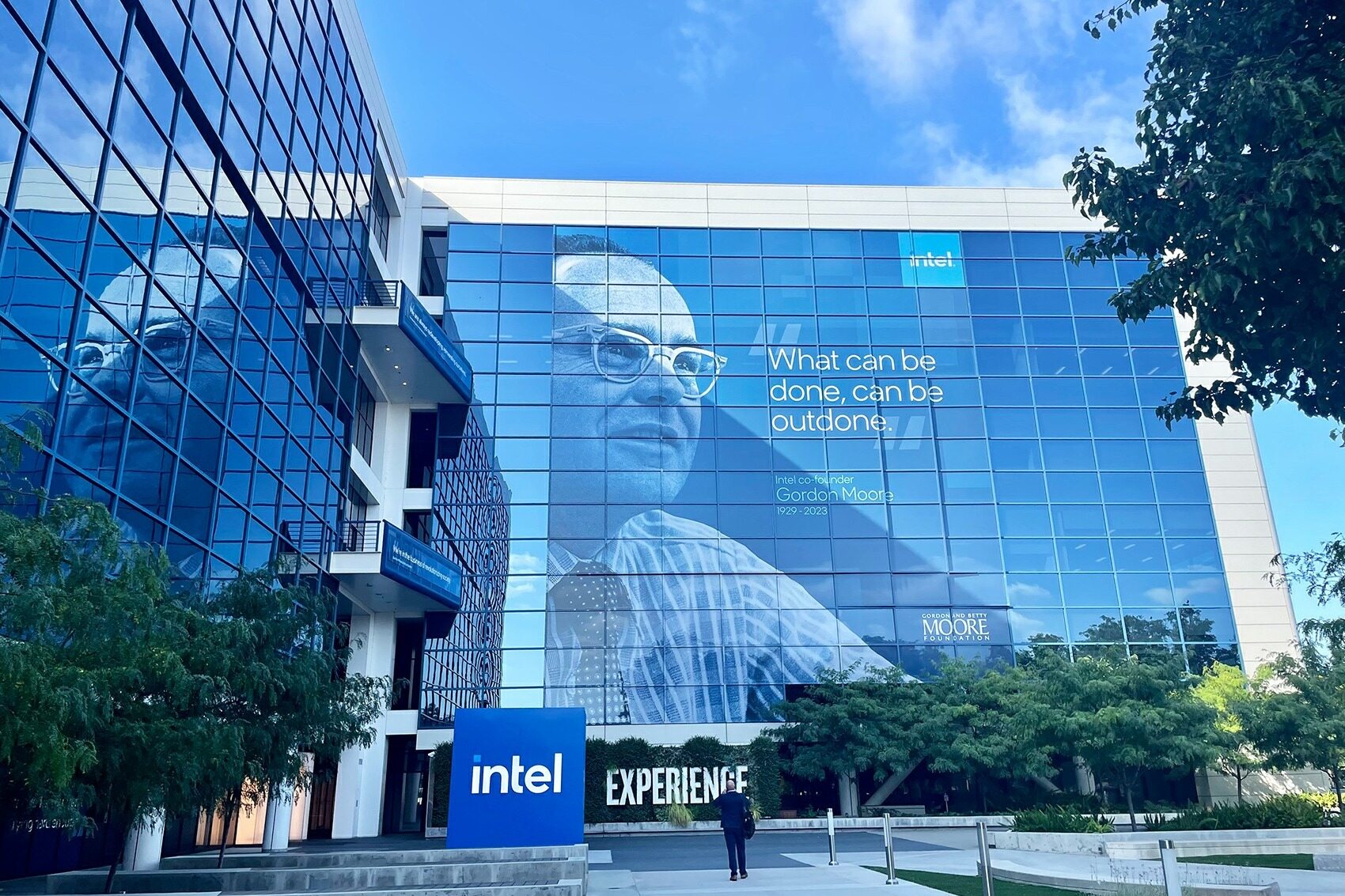
The war on silicon wafers has already surpassed the design drawings and burned towards factories and electricity. When AI computing power becomes a battleground between countries and giants, veteran chip giants put aside their concerns about stock prices and traded huge equity financing for expansion ammunition, betting on a delayed turnaround in the manufacturing sector.
Billion dollar financing landing
On August 11, 2026, Intel announced plans to issue $15 billion in common stock to enrich funds, support capital expenditures and business expansion, and seize opportunities for AI computing power growth. Due to the expected dilution of equity, its stock price fell by about 4% in the short term after the announcement of the news. In the long run, this financing is a key layout for Intel to reserve funds for a new round of chip manufacturing expansion.
Lock in the AI growth track
Intel has made it clear that physical AI, specialized chips, advanced packaging, and wafer foundry are the core growth points for the future, and will rely on capital investment to layout AI infrastructure manufacturing needs. Currently, global AI infrastructure investment is growing rapidly, and institutions predict that global technology companies' AI capital expenditures will continue to rise in 2026 and 2027, with advanced chip manufacturing becoming the core of industry competition. Keywords: Intel, billion dollar financing, AI infrastructure, advanced processes, chip manufacturing
Make efforts to transform and break through in manufacturing
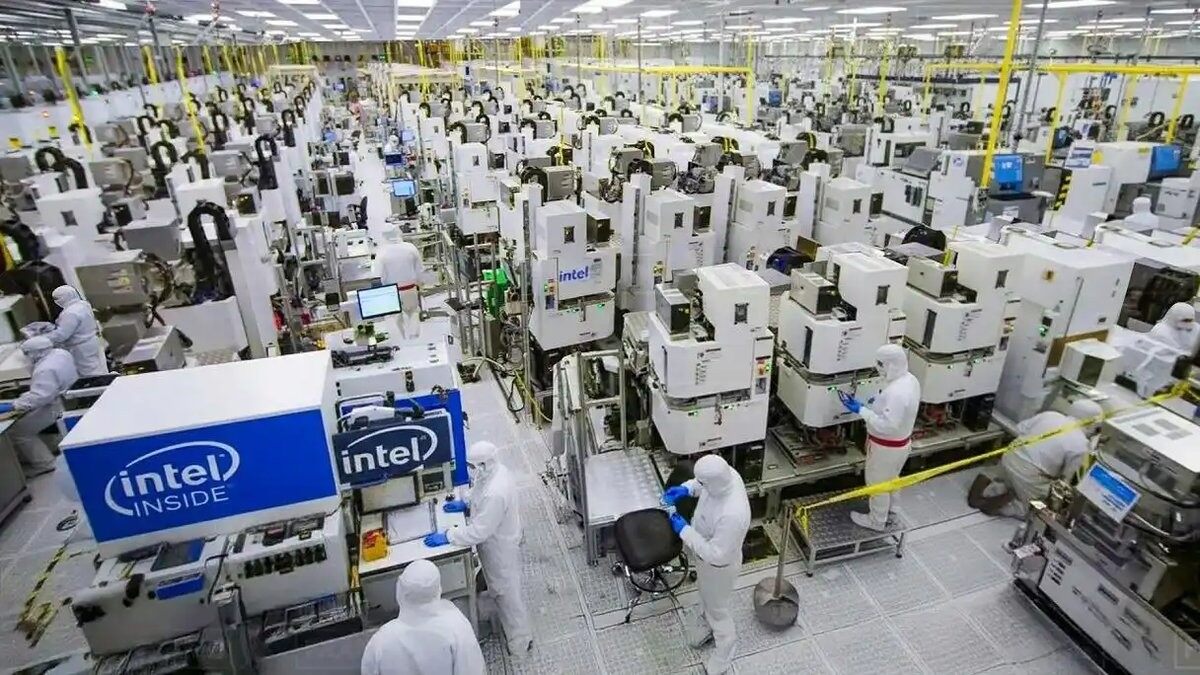
The AI era reshapes the semiconductor landscape, and manufacturing capabilities return to the core track. Intel continues to advance its IDM2.0 strategy, intensify the construction of wafer bases in Europe and America, increase advanced process research and development, raise annual capital expenditures, and make every effort to enter the wafer foundry market. This financing is a proactive effort by the enterprise to accumulate strength through the market window, filling the funding gap for heavy asset expansion. At present, Intel still faces pressure from process reputation and industry competition. Whether it can transform its production capacity and technology into commercial advantages in the future will determine its industrial revival process.Editor/Gong Ziwei
Comment


 Praise
 Collect
 Comment

 Share
Share


Write something~