 Search


- The extension of an industrial chain from gasoline and diesel to high-end new materials is rewriting the regional economic map
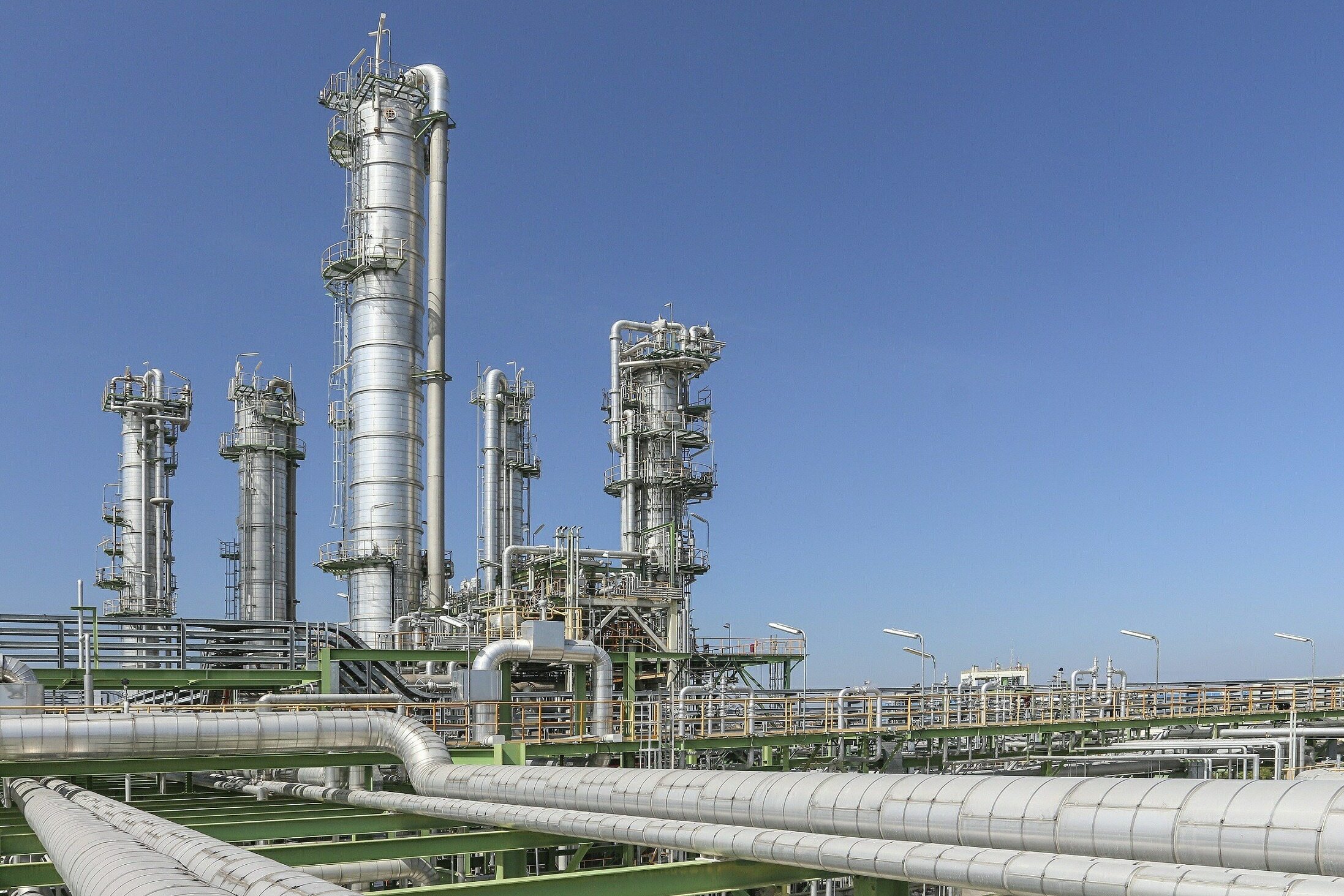
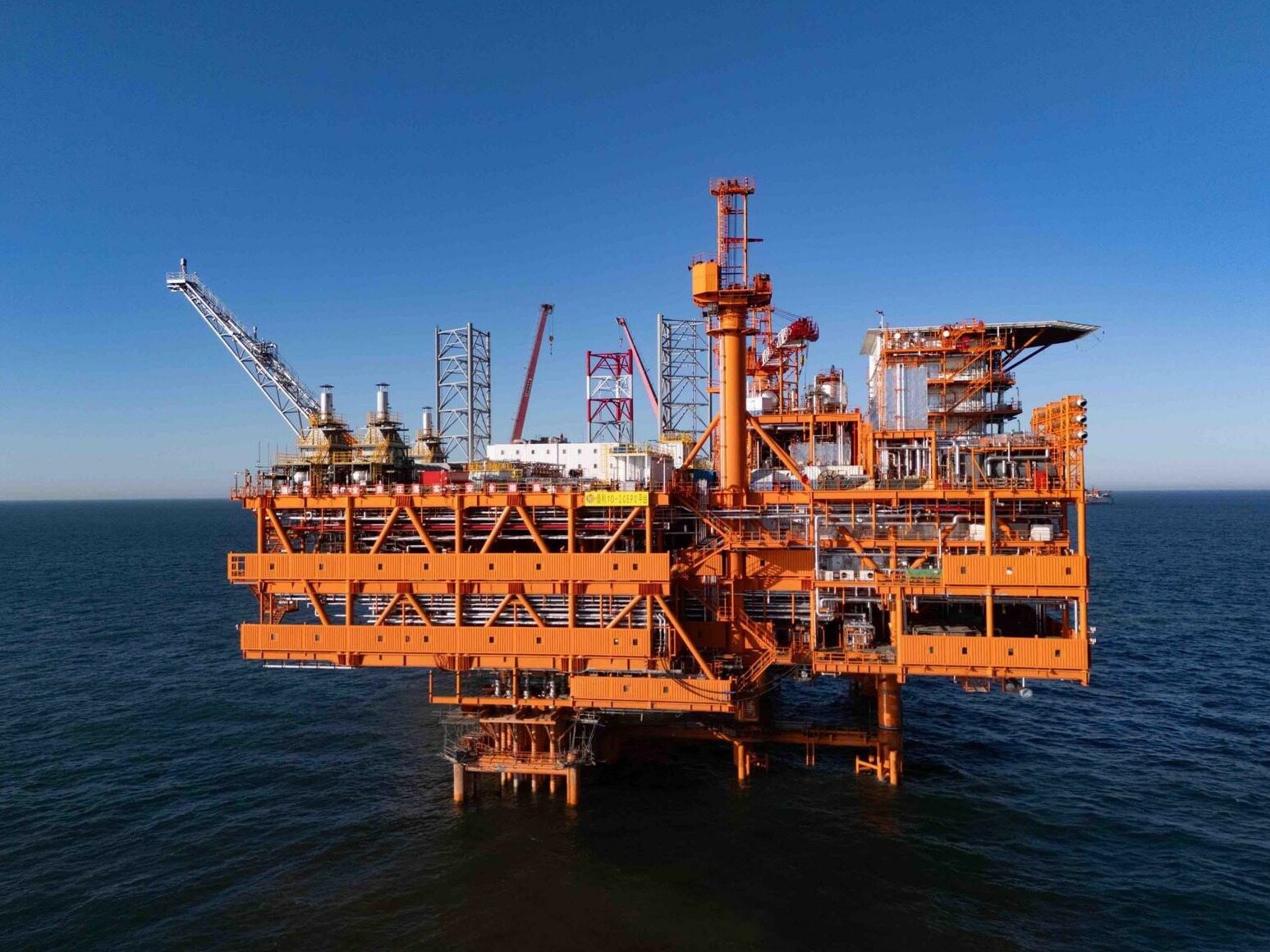
The roar of old refining towers is about to become history, and a silent revolution of oil to new is brewing deep in the Loess Plateau. Shutting down dispersed old factories and consolidating production capacity of millions of tons in Zone 1, extending the breakthrough of oil refining integration - allowing black crude oil to undergo fission into high-end new materials on the land of Luochuan in a green future. Recently, the Luochuan County Government website released the second public announcement of the environmental impact assessment report for the Yan'an 10 million tons/year integrated refining and upgrading project, marking the flagship project supporting the green upgrading of the petrochemical industry in northern Shaanxi from planning and demonstration to the eve of implementation.
The transformation pains of the old refining tower
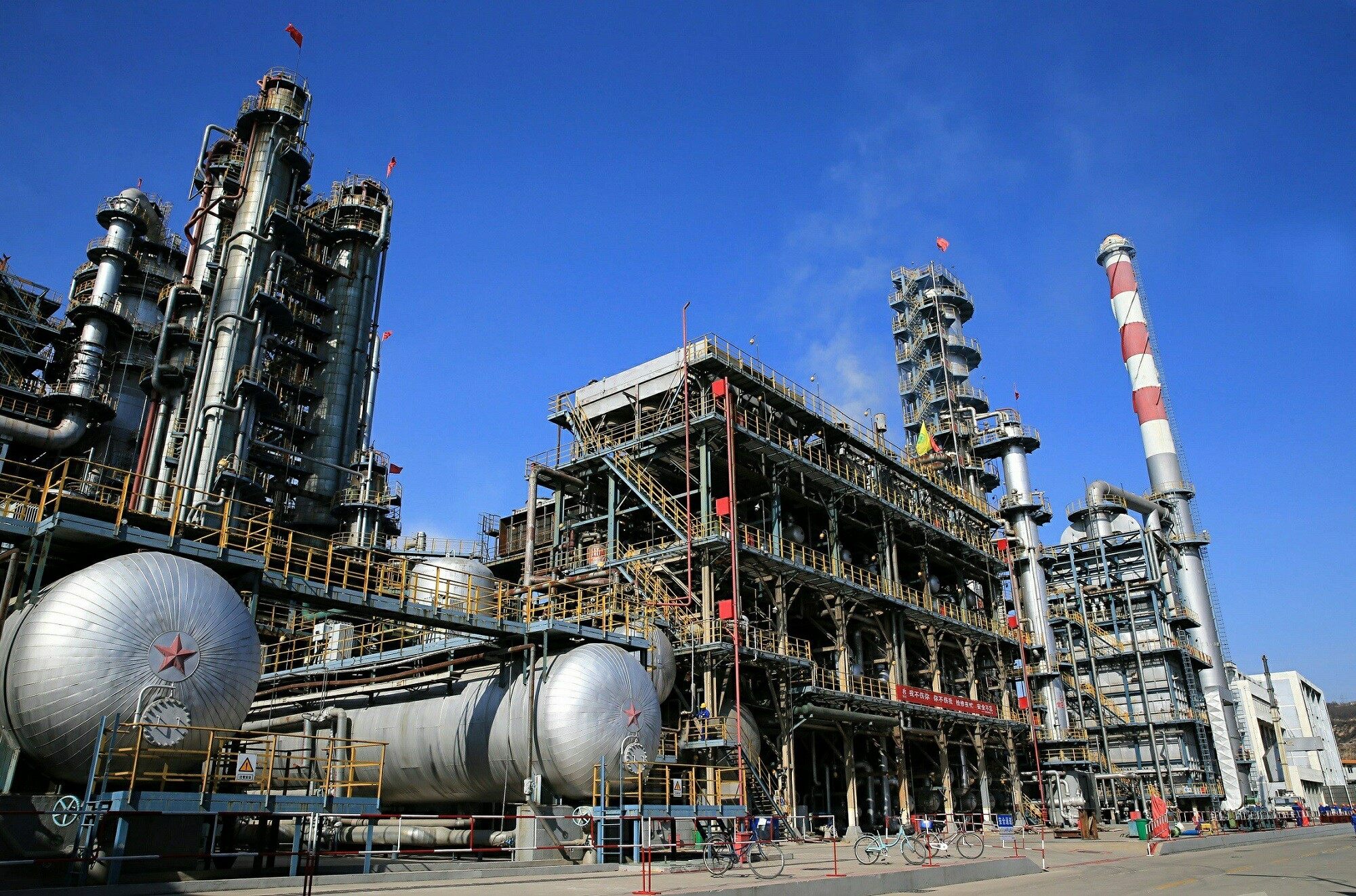
The current situation of Yanchang Petroleum Refining Company is a microcosm of the pain points in the transformation of China's old oil refining enterprises: 17.4 million tons/year of primary processing capacity is scattered in Luochuan, Yanchuan, and Jingbian, and 6 sets of atmospheric pressure units were built early, with small scale and high energy consumption, which is significantly different from advanced integrated petrochemical bases in China. The dispersion of factory areas not only increases the implicit costs of logistics and management, but also makes it difficult to start with energy conservation, carbon reduction, intelligent operation and maintenance, and centralized pollution control. Regardless of whether small projects are built into large ones or integrated into parks, traditional oil refining will always be trapped in the old cycle of high energy consumption and low added value.
Breaking through the 10 million ton level
The project is located in Yangshu Chemical Industry New Area of Luochuan Industrial Park, with clear and resolute logic: 5 sets of small atmospheric pressure units will be shut down, 12 sets of refining units including 10 million tons/year atmospheric and vacuum distillation, 1 million tons/year ethylene, and 15 sets of chemical units will be built, and the existing resources of Yongping, Yan'an Refinery, and Yan'an Petrochemical Plant will be allocated into the same integrated network. The atmospheric and vacuum distillation system captures the crude oil inlet, and the ethylene unit opens the valve for reducing oil and increasing oil. The downstream layout includes full density polyethylene POE、 High end new materials such as ultra-high molecular weight polyethylene, styrene butadiene rubber, alpha olefins, electronic grade acrylic acid and esters - crude oil is no longer just converted into gasoline and diesel, but flows into the industrial depth of plastics, rubber, pharmaceuticals, and electronic information.
Rewriting the Logic of Shaanxi Petrochemical Industry
This is not only an equipment update for a company, but also a rewriting of the regional industrial logic. The project takes into account local oil supply and focuses on high-end new materials and fine chemicals, which means that Yan'an is shifting from exporting raw materials to exporting materials, and Shaanxi's petrochemical industry is shifting from oil based to emphasizing both oil and chemical industries, with materials being the king. Against the backdrop of the three-year action plan for energy conservation and carbon reduction in key industries in 2026, which includes refining and ethylene as the main battlefields, this multi million ton integrated unit aims to offset old production capacity with large-scale, park based, and low-carbon measures, redefining the energy base of northern Shaanxi with energy efficiency benchmark levels.
Of course, the second public announcement of environmental impact assessment is also a public examination question: the landing of a 10 million ton refining plant on the Loess Plateau requires water consumption, emissions, ecological buffering, and public communication to withstand scrutiny. Extending oil investment in environmental protection into the overall plate and using Yangshu New Area as a centralized governance unit is already an advantage of integration over dispersed old factories - pollution factors are gathered in one place, and governance efficiency is improved by an order of magnitude. Keywords: extending petroleum, refining and chemical integration, energy conservation and carbon reduction, industrial transformation
The exit of the old refining tower is not a farewell to industry, but a hand extended by industry towards green. When the atmospheric and vacuum distillation and ethylene tower are successively pulled up on the land of Luochuan, the fission of black crude oil will not only affect the polymer chains, but also provide the confidence for an old energy province to transform in the dual carbon era. Extending the oil industry is a step towards improving corporate efficiency and establishing a pivot for green upgrading in northern Shaanxi. It also serves as a footnote: China Petrochemical's next leap is not in the open sea, but in the silent revolution on the Loess Plateau.Editor/Gong Ziwei
Comment





 Praise
 Collect
 Comment

 Share
Share


Write something~