 Search


- Expand diverse gas usage scenarios and drive local industrial energy development
- Constructing an underwater pipeline network to achieve flexible scheduling of offshore natural gas
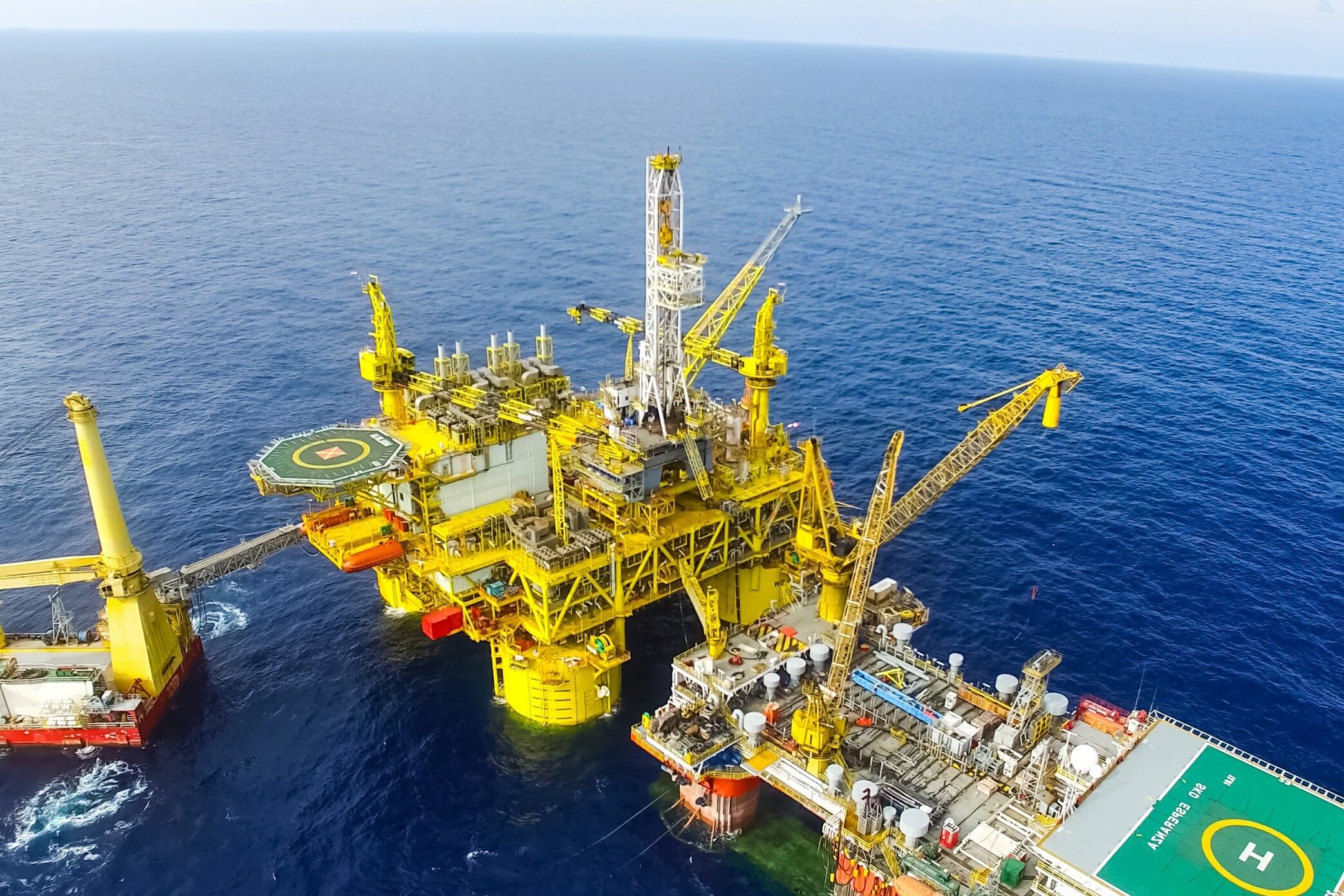
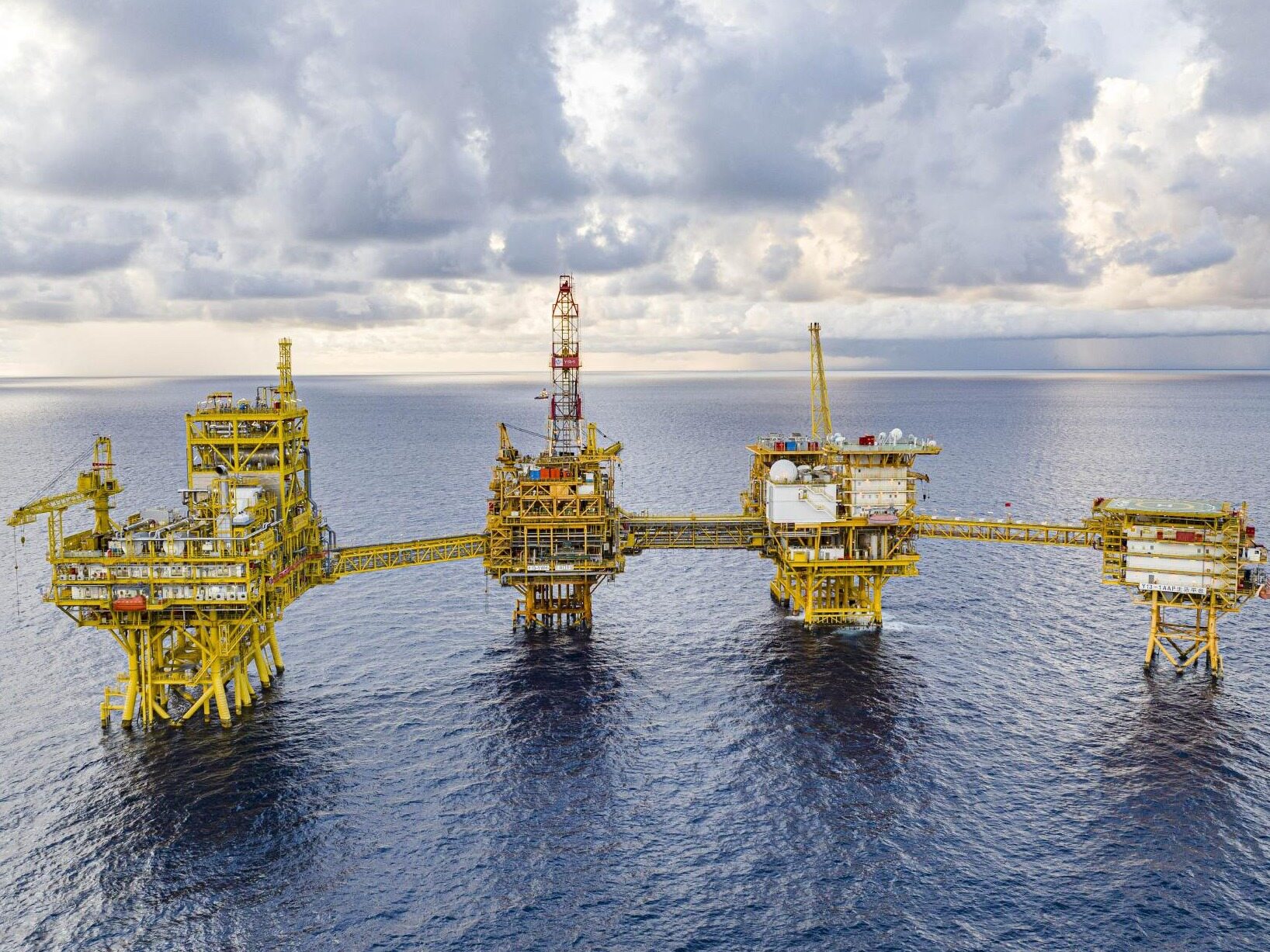
On the vast Atlantic Ocean off the northeast coast of South America, offshore oil platforms stand like steel islands. Not only black gold, but also a large amount of accompanying natural gas gushed out from the seabed. How to prevent every strand of gas from being wasted is becoming a key issue in the development of deepwater oil and gas in Guyana.
Project Production Overview
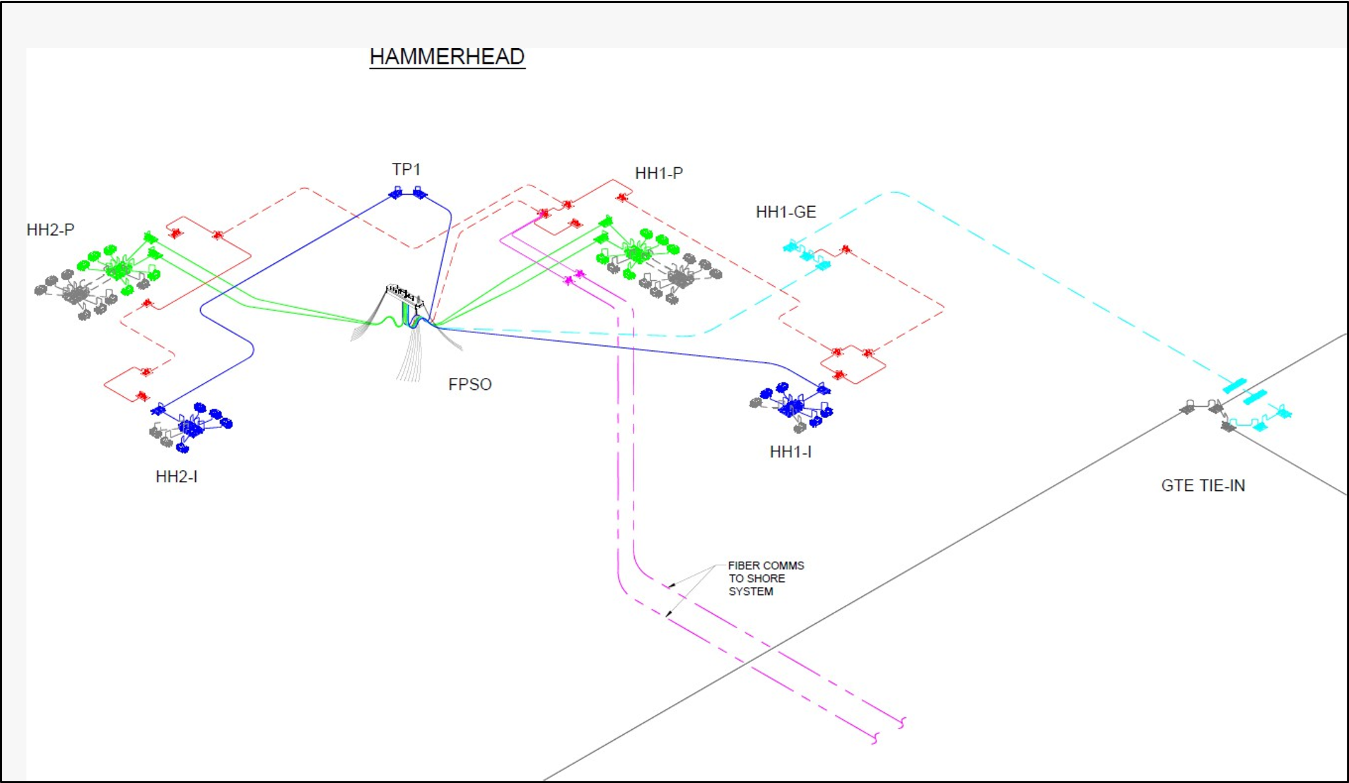
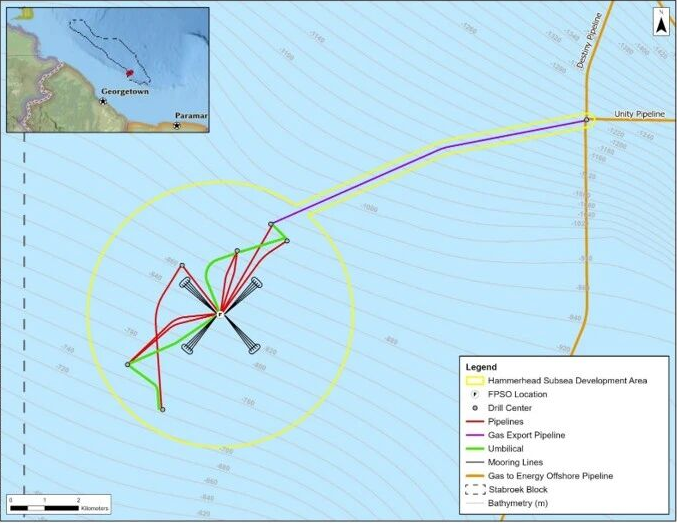
On August 17, 2026, it was announced that Guyana's seventh deepwater oil project, the Hammerhead Development Project, is scheduled to be officially put into operation in 2029, with a daily crude oil production capacity of up to 150000 barrels. This project can not only significantly increase local crude oil production capacity, but also flexibly allocate its associated natural gas resources through a 13 kilometer underwater pipeline, achieving three utilization methods: equipment self use, onshore gas supply, and support for neighboring oil field production. The resource utilization flexibility is extremely strong.
Subsea Pipeline Construction Standards
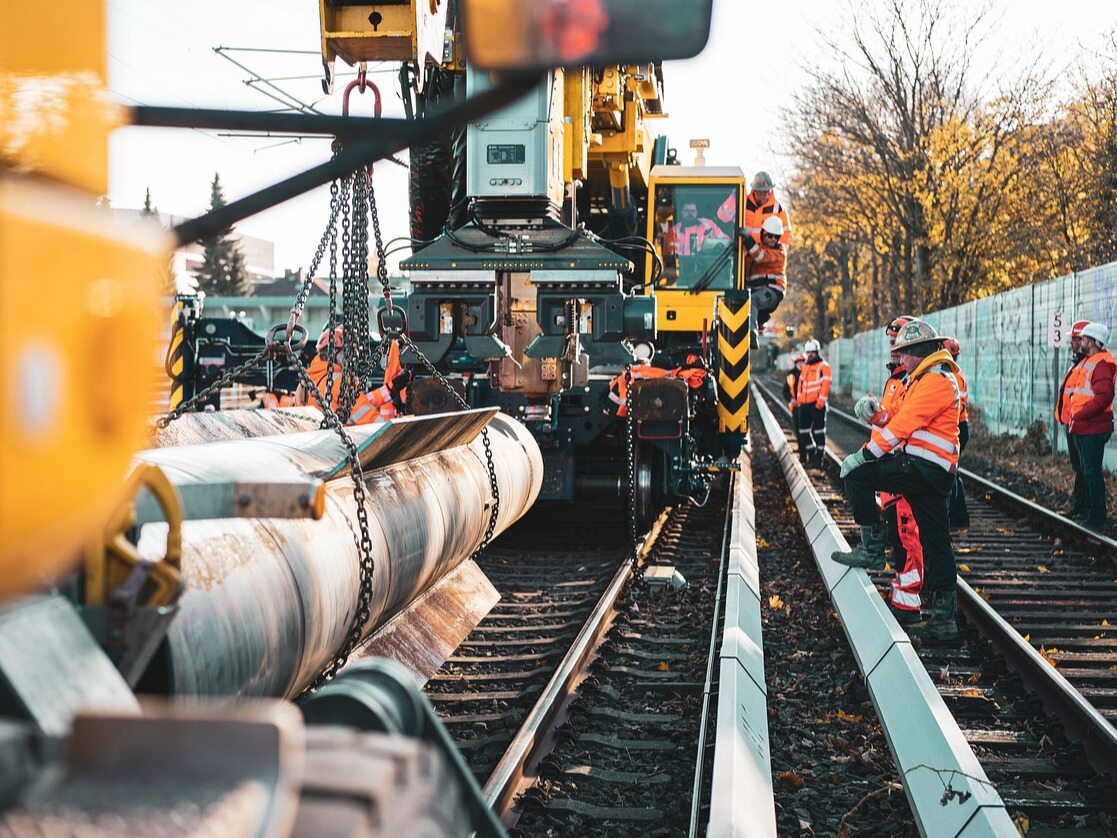
According to ExxonMobil's environmental impact assessment report, the 13 kilometer subsea pipeline connection project connects the subsea terminal with the GtE natural gas pipeline network in Guyana. The interface is configured with an underwater valve group, which can be remotely controlled by FPSO to achieve pipeline isolation. The pipeline fully considers the risks of ocean currents, tides, and earthquakes, and responds to risks such as temperature difference deformation and fatigue vibration. The submarine gully pipeline section implements strict installation and testing standards to ensure safe operation at sea.
Diversified utilization pattern of natural gas
According to ExxonMobil's calculations, after the Hammerhead project is put into operation, the daily production of natural gas can reach 95 million standard cubic feet. This batch of natural gas will prioritize meeting the fuel consumption of the Essequibo 1899 FPSO and various production equipment, and the remaining surplus natural gas can be used in three major landing scenarios through submarine pipelines.
One is to empower local GtE energy projects. The project will be constructed in two phases, with the first phase already under construction, relying on natural gas from the Liza oilfield for power generation and condensate production; The second phase of the project plans to process 75 million cubic feet of natural gas per day and build a 300 MW power plant to increase the daily production of condensate to 6000 barrels. The bidding proposal for the second phase project has been received and the construction unit is yet to be determined. The Hammerhead project will provide stable gas supply for the second phase of the project.
The second is to support the development of industries in the Burbis region. By relying on the extension pipeline of GtE pipeline network, the natural gas of the project can be transported to the sixth district of East Burbis Korontan, which is widely used in industrial fields such as regional power generation, fertilizer manufacturing, and alumina processing, helping the local natural gas industry to land. Keywords: Guyana, Deepwater Oil and Gas, Subsea Pipeline
The third is offshore injection to assist in oilfield development. Surplus natural gas can be directly transferred offshore to the Unity FPSO unit, and then returned to supply the Liza oilfield, providing energy support for oilfield development operations without the need for onshore transportation, achieving closed-loop utilization of offshore resources. In terms of equity, the Hammerhead project is led and operated by ExxonMobil, with a 45% stake; Chevron acquired a 30% stake in Hess Corporation; CNOOC holds a 25% stake and collaborates with multiple parties to promote project development.Editor/Gong Ziwei
Comment


 Praise
 Collect
 Comment

 Share
Share


Write something~