 Search


- China's renewable hydrogen production capacity under construction exceeds 1.4 million tons per year
- There are about 620 hydrogen refueling stations, and hydrogen energy is transitioning from demonstration to large-scale application
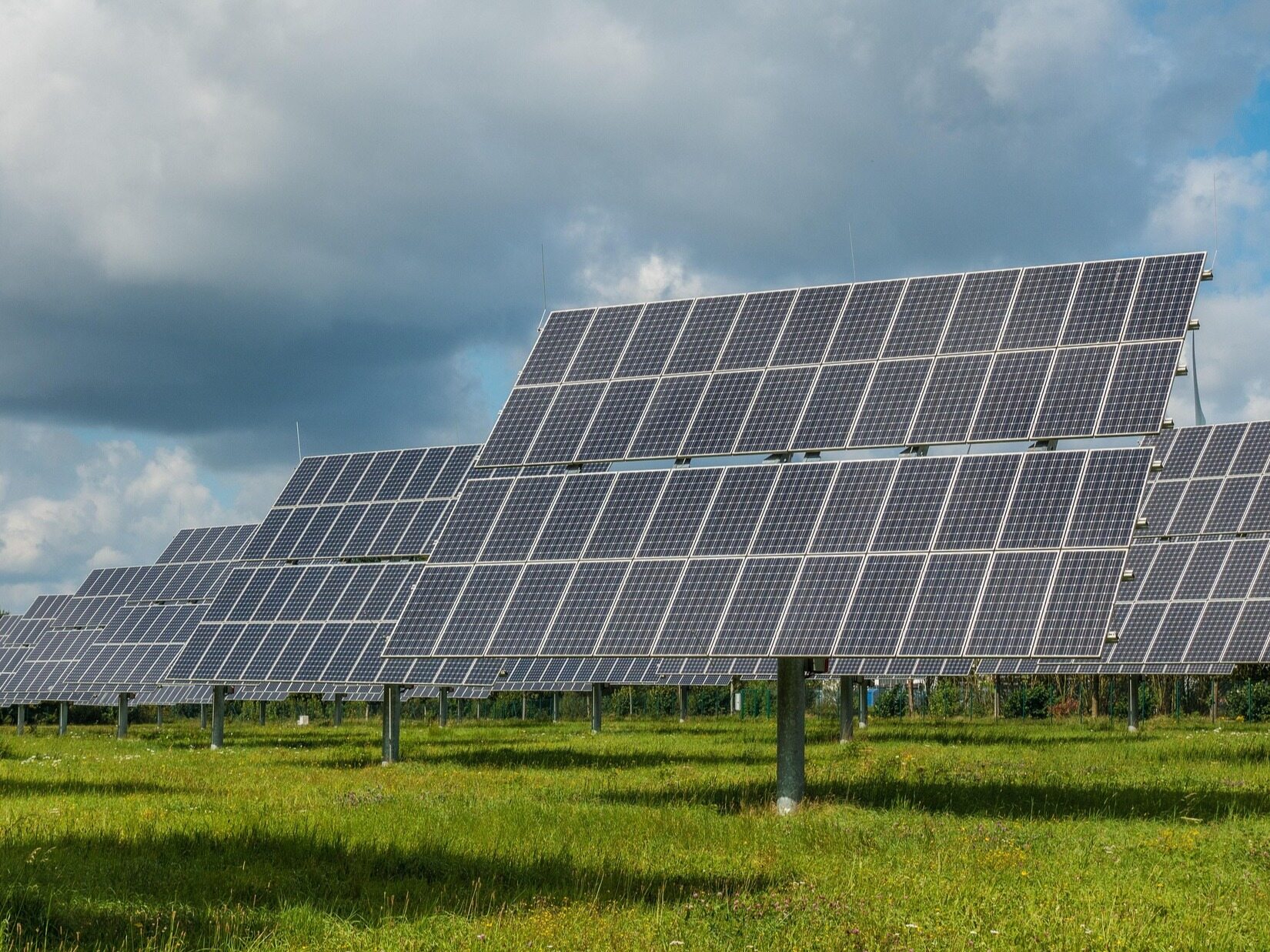
In the early morning, on the saline alkali land of Songyuan, Jilin, rows of white electrolytic cells slowly operate against the backdrop of fans and photovoltaic panels. Here is the world's largest integrated green hydrogen ammonia alcohol project, with an annual production capacity of 45000 tons of green hydrogen. The abandoned wind and solar power that once caused headaches in the "Three North" regions is gradually being consumed by the new integrated model of wind solar hydrogen storage, becoming power in green ammonia, green methanol, and heavy-duty truck fuel tanks.
During the 14th Five Year Plan period, the global hydrogen energy industry has entered an orderly breakthrough from pilot exploration. By 2025, the global production and consumption of hydrogen will reach approximately 109 million tons, a year-on-year increase of about 3%, but more than 80% will still come from fossil fuels. The real variable is on the green side - China and Europe together contribute over 70% of the world's renewable hydrogen production capacity, with China alone accounting for 53%. Hydrogen energy is no longer just an industrial raw material in refineries, but a coupling pivot for new energy systems.
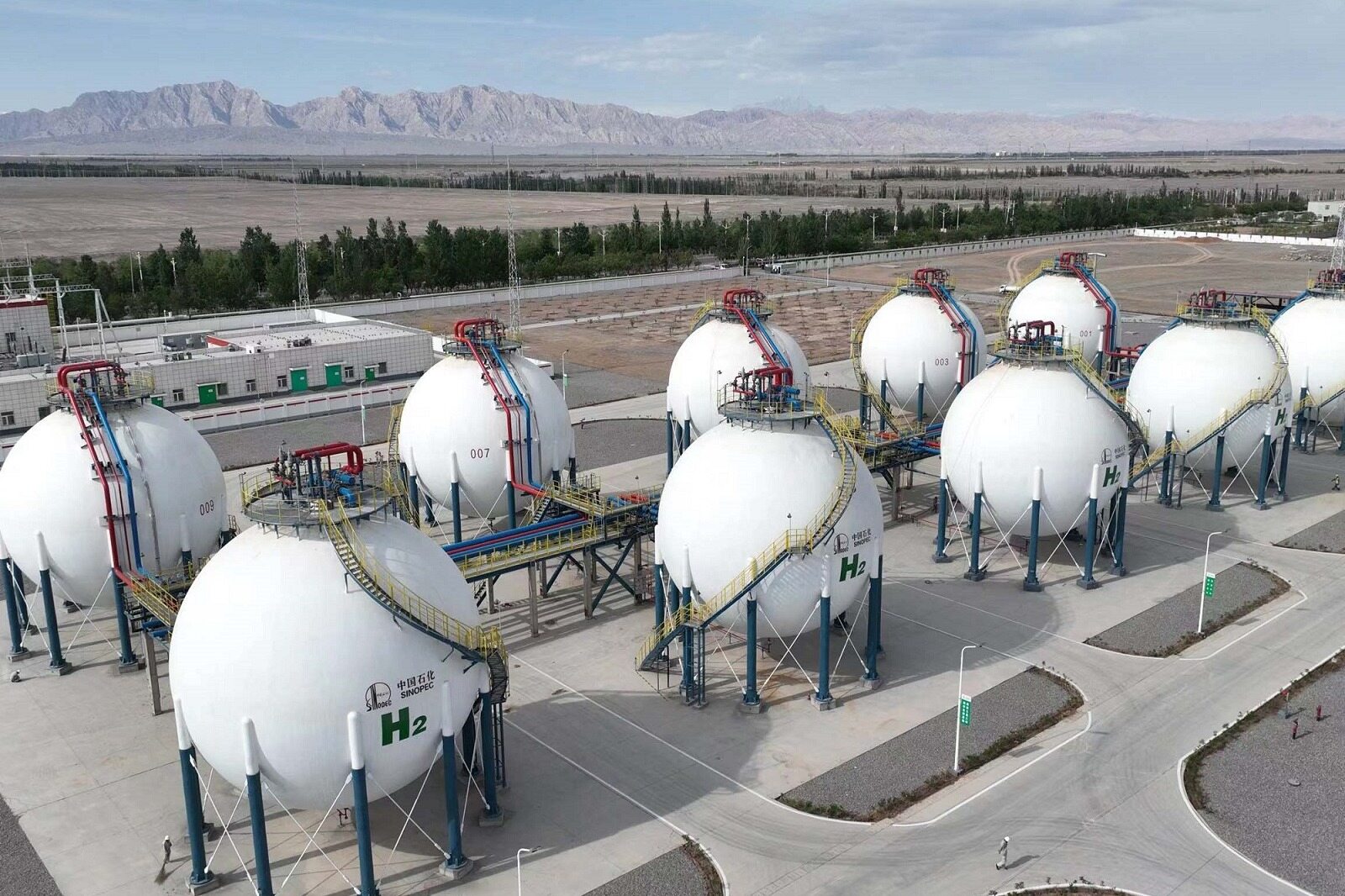
Hydrogen production acceleration
As of June 2026, China's renewable energy hydrogen production capacity under construction exceeds 1.4 million tons per year, of which over 270000 tons per year have been built and put into operation, and over 1.13 million tons per year are under construction, with electrolytic water as the main route for hydrogen production. Looking back at the end of 2025, the national green hydrogen production capacity has just exceeded 250000 tons per year, more than doubling in a year. The Northeast, North China, and Northwest regions have undertaken over 90% of the country's operational capacity, with Jilin and Inner Mongolia leading the way, and the Songyuan and Ordos projects serving as benchmarks.
Behind the surge in production capacity is the downward shift of the cost curve. By the end of 2025, the average price of green hydrogen production in China will be about 26.2 yuan/kg. With the high-power electrolytic cells and breakthroughs in domestic membrane electrodes, it is expected to decrease by another 30% during the 15th Five Year Plan period. When the price of green hydrogen approaches that of grey hydrogen, industrial decarbonization truly has a commercial closed loop.
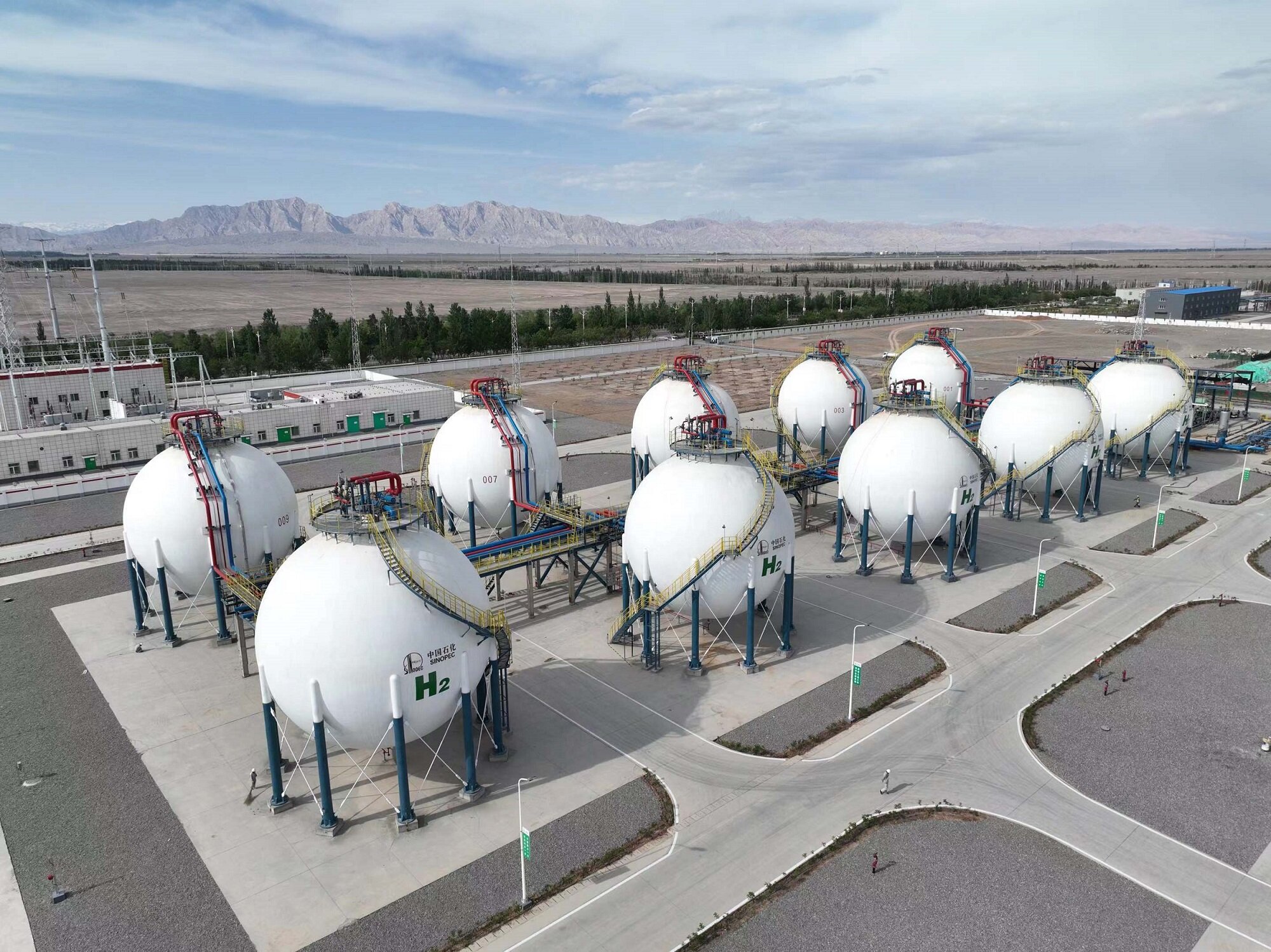
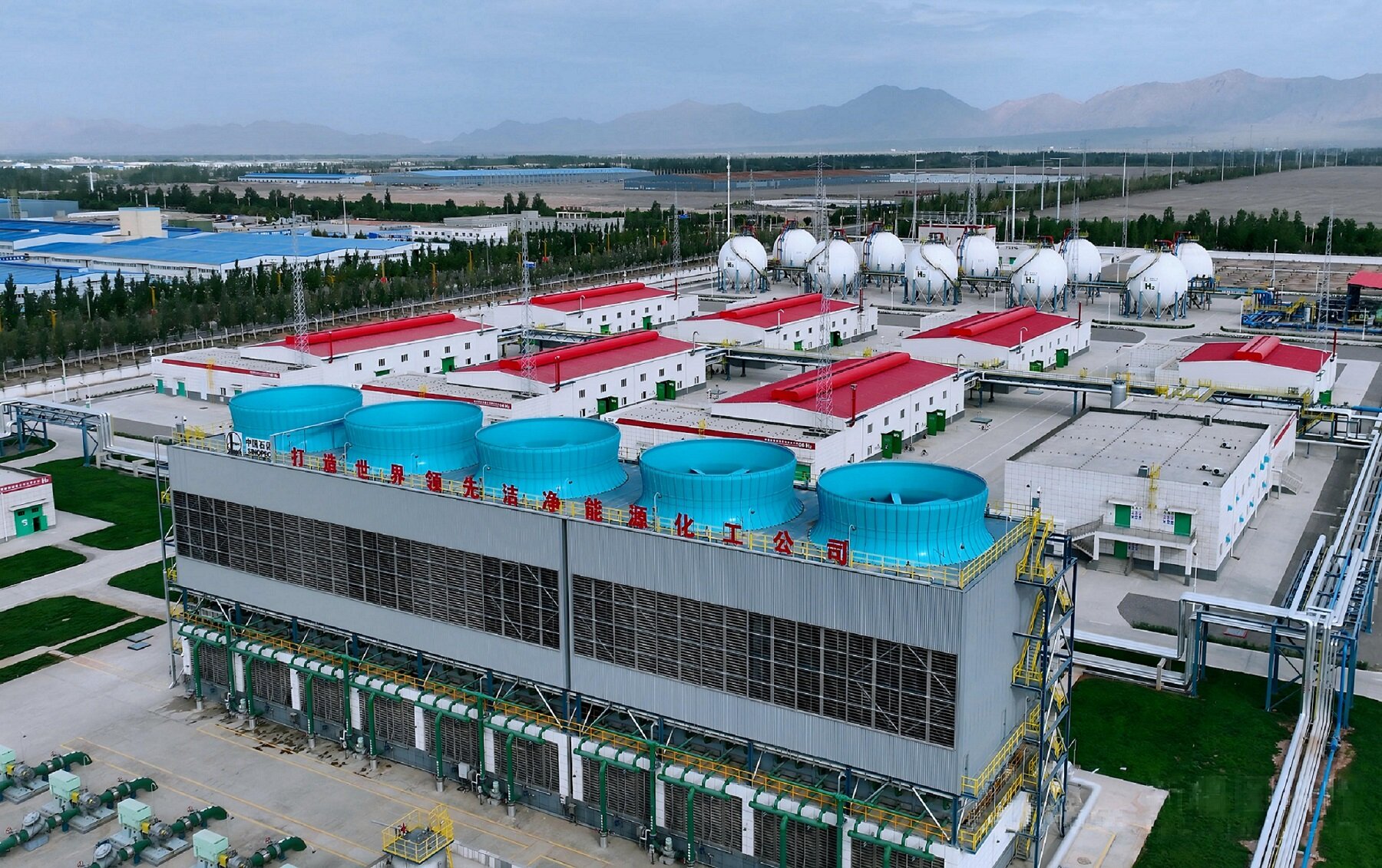
Infrastructure weaving into a conveyor network
It can be produced, but it still needs to be delivered. As of June 2026, a total of about 620 hydrogen refueling stations have been built nationwide, ranking first in the world in terms of quantity; More than 350 kilometers of pure hydrogen pipelines have been built and put into operation, and a 195 kilometer long transmission pipeline from Damao Banner to Baotou in Inner Mongolia has been completed. The planned medium to long distance pure hydrogen pipeline exceeds 5500 kilometers. Multiple coastal ports have the ability to inject green ammonia or green methanol, and the Western Land Sea New Corridor and two thousand kilometer hydrogen energy transportation corridors along the Yangtze River connect ten hydrogen refueling stations in eight provinces and cities.
Storage and transportation are still a shortcoming, with limited single vehicle capacity for high-pressure hydrogen gas and the lack of large-scale commercial use of liquid hydrogen. However, the operation of 30 megapascal bundle vehicles has reduced the cost of single vehicle hydrogen transportation by about 30%. 52 megapascal four type bottles and 10 ton hydrogen liquefaction units have been successively implemented, and a multi form transportation pattern of pipeline network+liquid hydrogen+hydrogen blended natural gas is taking shape.
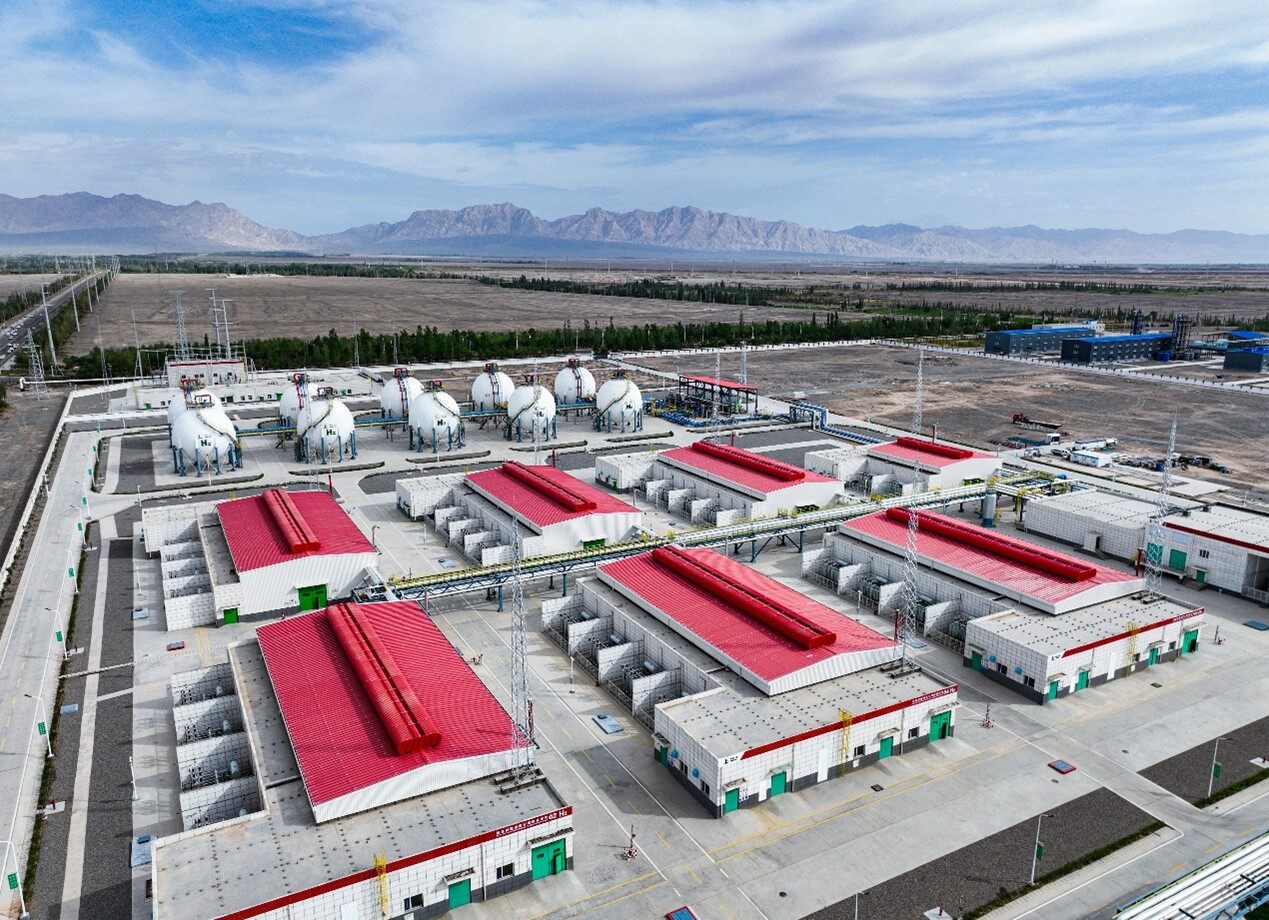
Scene integration throughout the entire chain
On the transportation side, by 2025, nearly 8000 fuel cell vehicles will be promoted domestically, with a total of about 32000 vehicles in stock. More than 10 hydrogen based fuel vessels will be put into operation, and over 30 hydrogen powered drones will be released or tested. Long distance heavy load and low altitude economy will be tested on both fronts. On the industrial side, the production capacity of green ammonia and green methanol has reached 700000 tons/year and 380000 tons/year respectively. A single batch of 3750 tons of green ammonia has been shipped and exported from Lianyungang, and green chemicals have begun to go abroad in reverse. On the power generation end, there are over 130 fuel cell power generation and cogeneration projects with an installed capacity of over 30 megawatts. The Qinling Station in Antarctica, Weifang Park, and Shenzhen Solid Oxide Power Station have successively been put into operation.
The irreplaceability of hydrogen energy lies in its ability to simultaneously shoulder four responsibilities: consuming surplus green electricity in the western region, replacing industrial high-temperature and grey hydrogen raw materials, cross seasonal long-term energy storage, and coupling gas, electricity, heat, and transportation networks. When the production capacity of 1.4 million tons is pushed towards the market, the bottleneck shifts from "can we control it" to "dare not use it". Facing the 15th Five Year Plan, the policy side has incorporated hydrogen energy into the new energy system and multi provincial planning. The carbon market methodology is green hydrogen emission reduction and certification, and the industry is shifting from policy driven to market driven.
The wind in Songyuan is still blowing, and the indicator lights of the electrolytic cell are on one by one. The Chinese story of green hydrogen has just finished writing the prologue.Editor/Yang Meiling
Comment




 Praise
 Collect
 Comment

 Share
Share


Write something~