 Search


- Container throughput has increased by over 70% year-on-year, and the airline network continues to become denser
- Becoming a new logistics hub connecting the west coast of South America and Asia
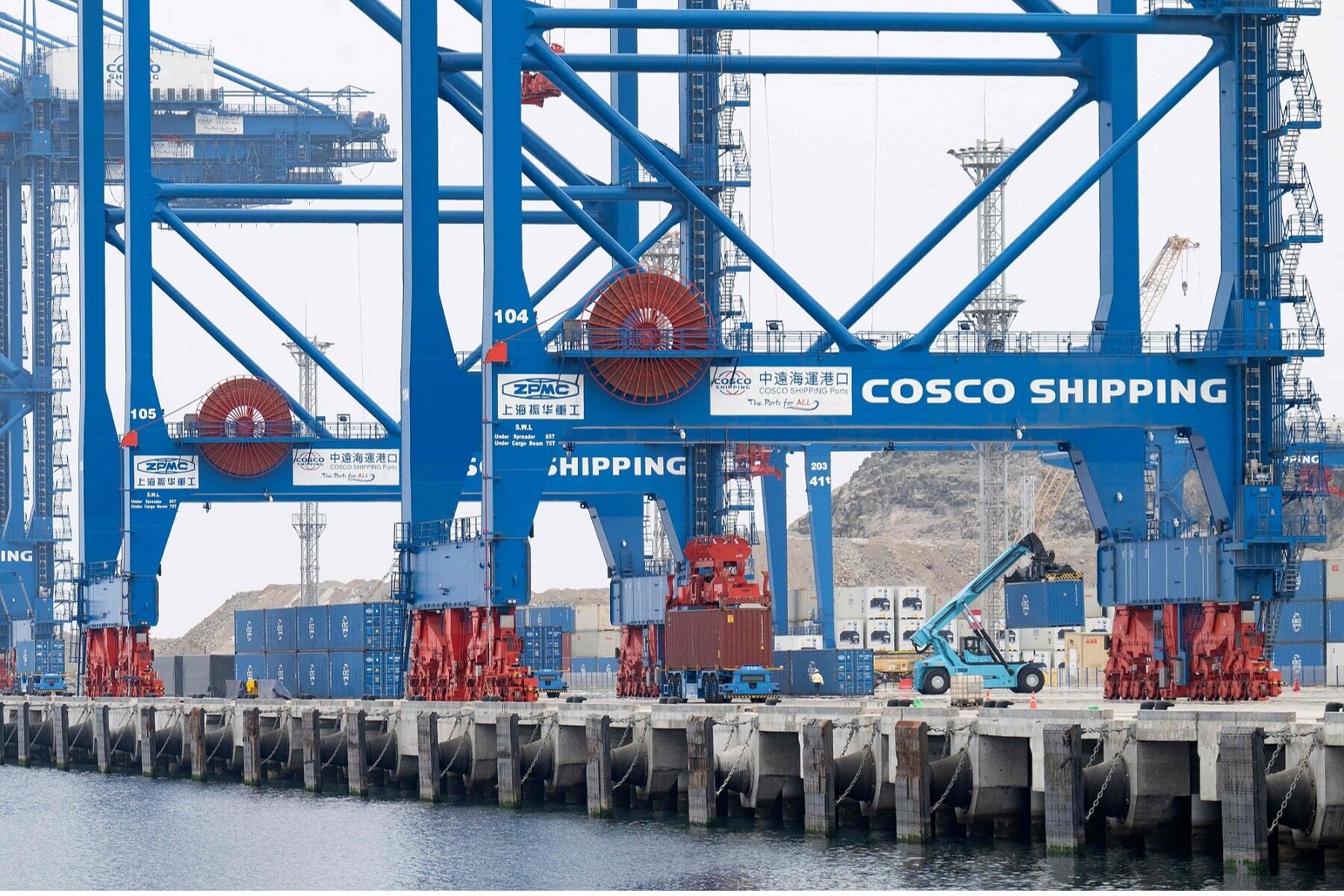
In the early morning of Qiankai Port in Peru, the sea breeze enveloped the salty and humid atmosphere of the Pacific Ocean. The huge red bridge crane steadily picked up the containers with the logo of COSCO Shipping and accurately loaded them into the cargo space of the upcoming giant ship. At the forefront of the dock, refrigerated containers loaded with fresh Peruvian blueberries and avocados are being quickly towed into place. For port dispatcher Carlos, such busy scenes have become the norm this year - every breath at the port seems to be accelerating.
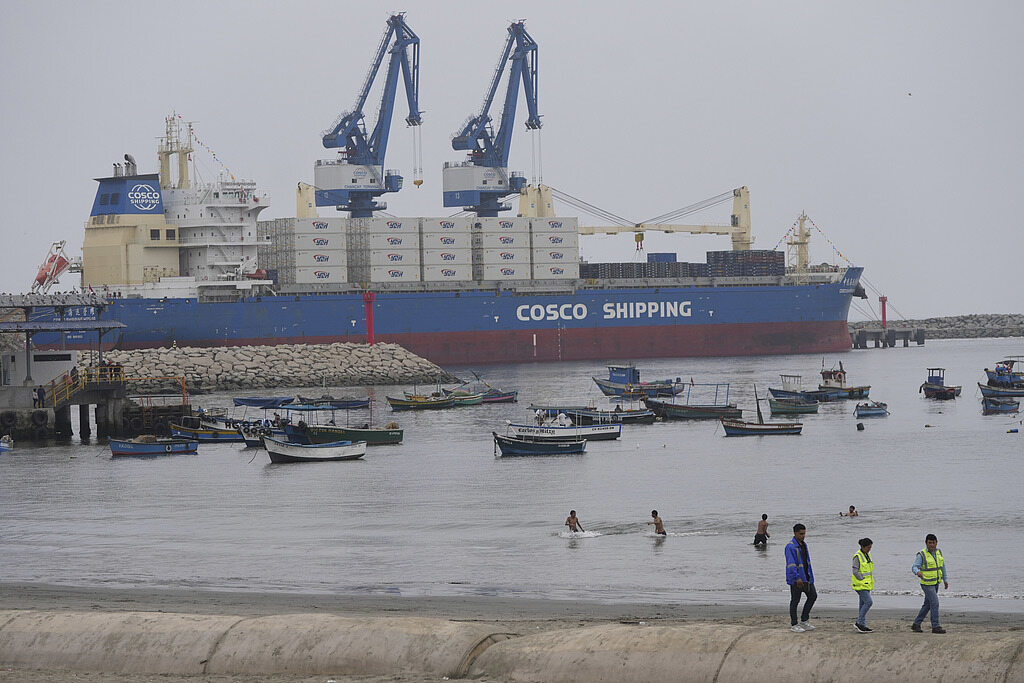
Throughput has increased by over 70%
In the first half of this year, Qiankai Port completed a cumulative container throughput of 200000 TEUs, a year-on-year increase of 70.94%; The throughput of bulk cargo reached 987000 tons, a year-on-year increase of 41.2%. Behind this transcript is a comprehensive increase in the frequency of port operations. 137 container ship operations, a year-on-year increase of 35.64%; 50 bulk cargo ship operations, a year-on-year increase of 28.2%; There were 14 roll on/roll off ship operations, with a year-on-year increase of 133.33%. Copper concentrate from Chile, white shrimp from Ecuador, soybeans from Brazil, as well as local mineral products and fruits from Peru, continue to converge here.
At present, port loading and unloading of goods cover multiple categories such as fruits, mineral products, soybeans, corn, ammonium nitrate, cement, automobiles, engineering equipment, and materials, and the richness of goods circulation is increasing day by day.
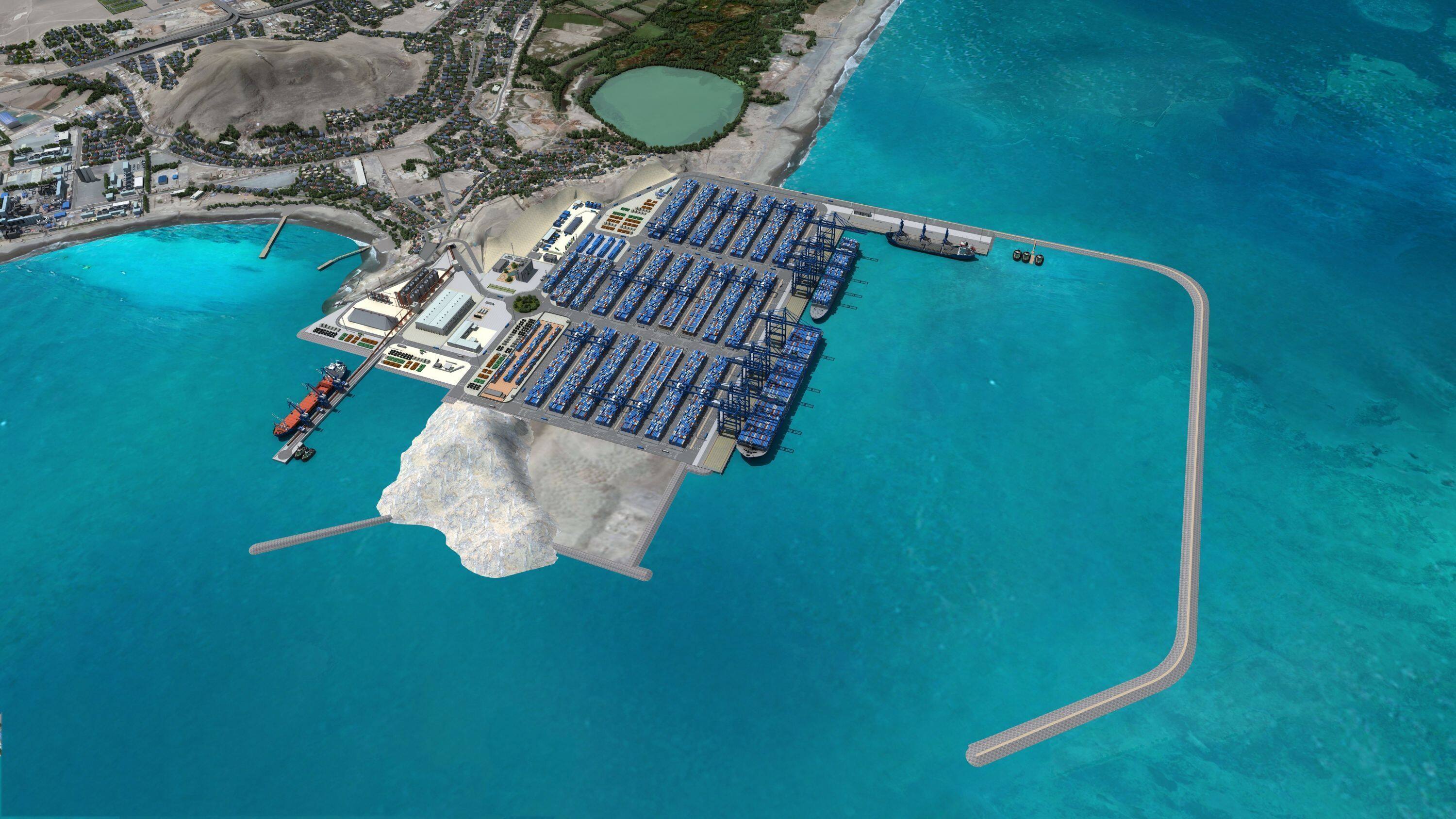
Route weaving closely connects Asia and the United States
The explosive growth of ports cannot be separated from the continuous expansion of the shipping network. Nowadays, Qiankai Port has opened 3 main lines and 5 branch lines, forming a preliminary route pattern covering Asia, the west coast of South America, Central America, and the Panama hub. The three main arteries are like arteries, closely connecting major ports in Asia with the Peruvian market. The five branch lines are like capillaries, extending services to the hinterland of the region. In July of this year, the CHX3 branch line was officially put into commercial operation, connecting Peru's Paita Port, Qiankai Port, and Costa Rica's Caldera Port, adding a fixed weekly service connecting northern Peru and the Central American market to the port. What is even more remarkable is the "Qian Kai Shanghai" sea direct shipping route jointly built by China and Peru. This route has compressed the shipping time between the two countries from 35 to 40 days in the past to 23 days, saving more than 20% of logistics costs for enterprises.
Nowadays, the route has two regular weekly flights, radiating to major coastal ports in China such as Ningbo, Qingdao, Dalian, and Xiamen. Fresh and agricultural products from Peru can be quickly placed on the dining tables of Chinese consumers, and goods from countries such as Chile and Colombia can also be efficiently transferred through this.
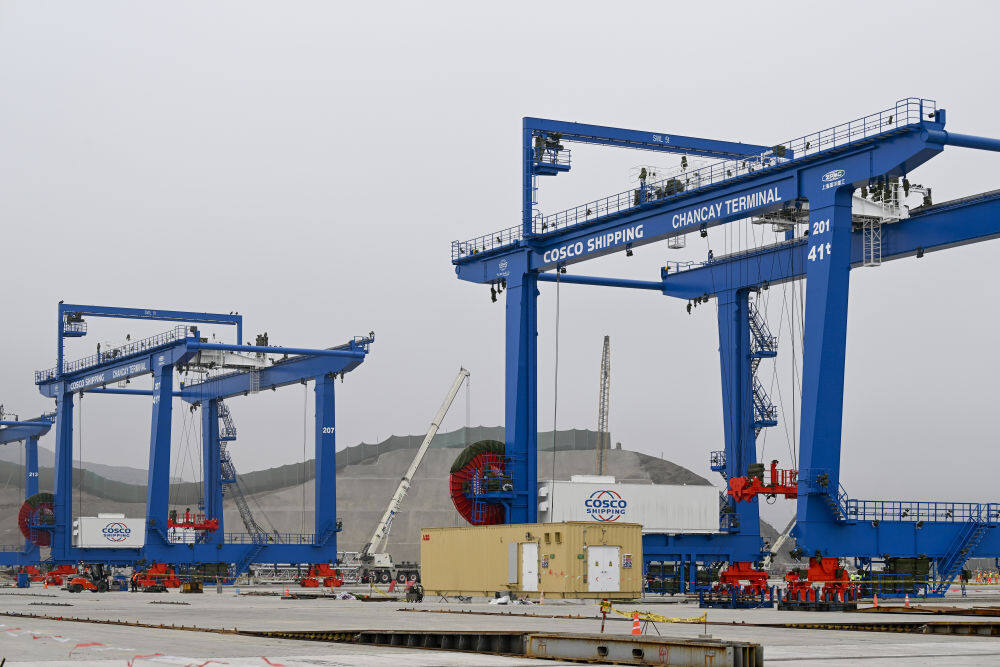
Hub energy level accelerates and jumps
As a key project for China and Peru to jointly build the the Belt and Road, the rise of Qiankai Port is rewriting the logistics landscape of the South Pacific. In the past, goods from the west coast of South America to Asia often needed to be transshipped in Mexico or Panama, which was time-consuming and costly. Nowadays, with the conditions of a deep-water port and direct shipping routes, Qiankai Port has made the trade channel between Peru and even the entire west coast of South America and Asia unprecedentedly smooth. According to data from the port operator COSCO Shipping, the hub effect of Qiankai Port is accelerating as route density increases and hinterland economic linkage deepens.
From Paita to Caldera, from Qiankai to Shanghai, a blue artery spanning half the world has already taken shape. For Carlos and countless port workers, every container they operate carries the increasingly close economic and trade ties between the two continents, and witnesses the solid footsteps of this young port from its inception to takeoff.Editor/Yang Meiling
Comment



 Praise
 Collect
 Comment

 Share
Share


Write something~