 Search


- The import and export value of the old railway in the first seven months of 2026 will reach 20.11 billion yuan, up 29.9% year on year
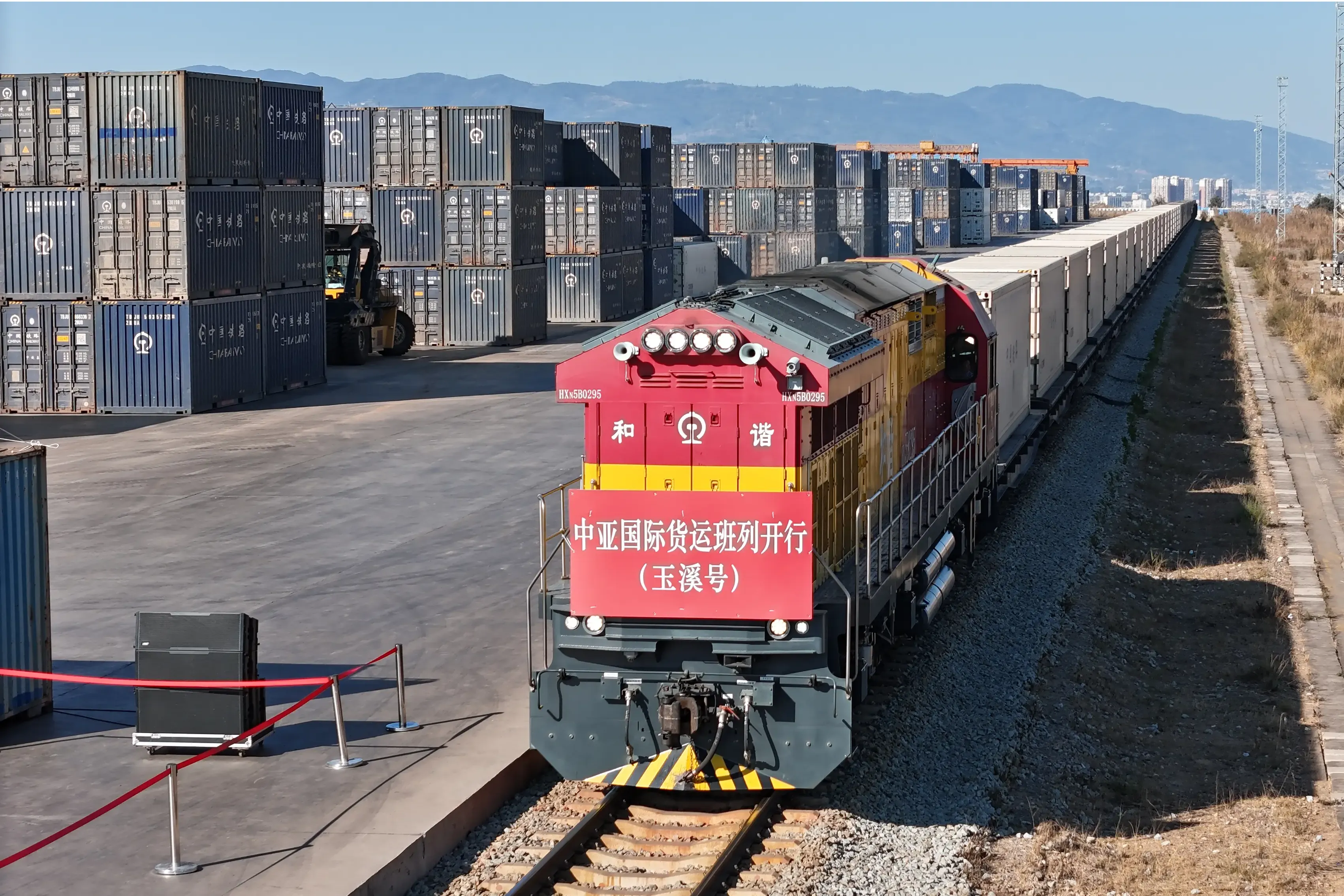
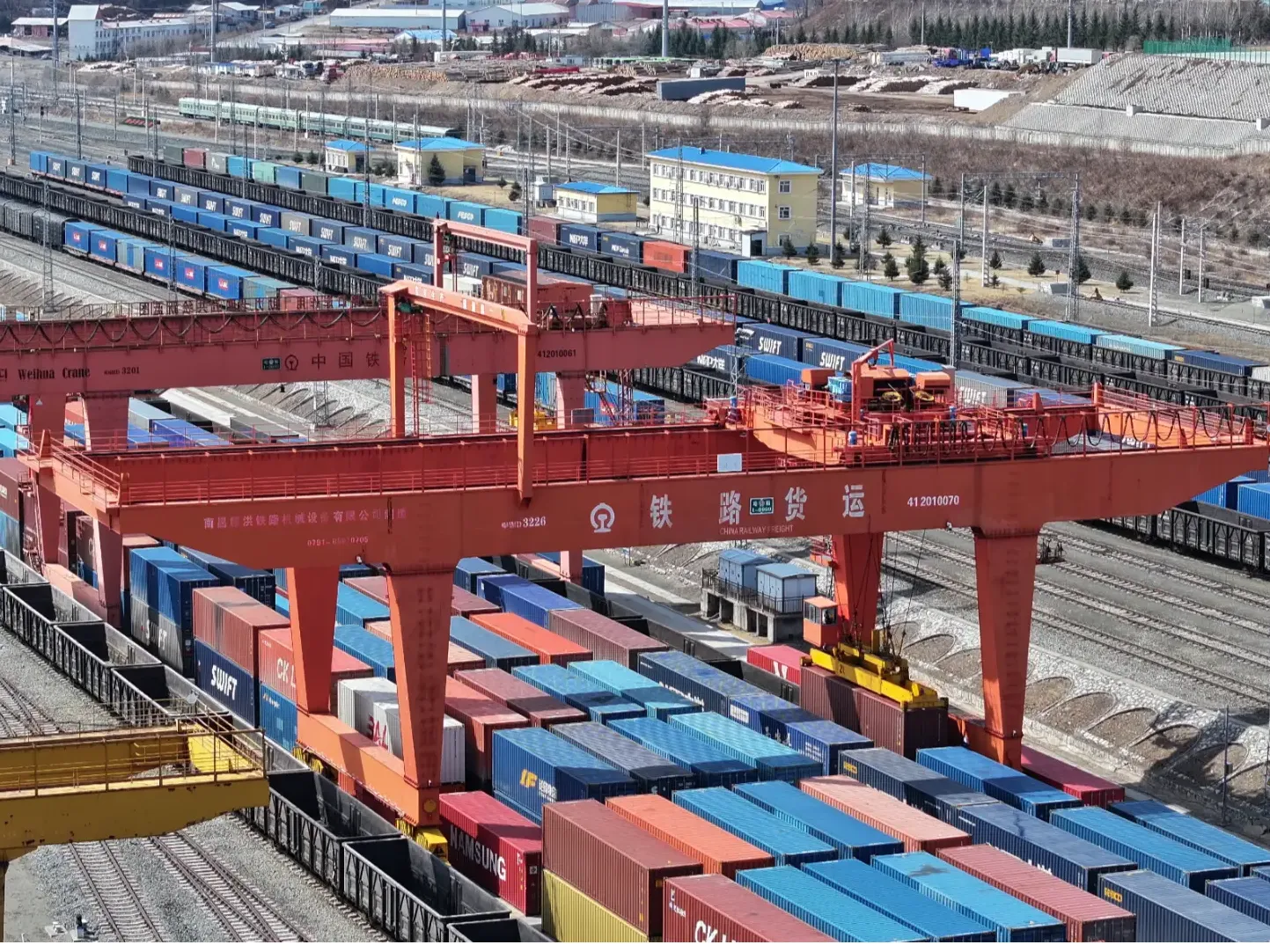
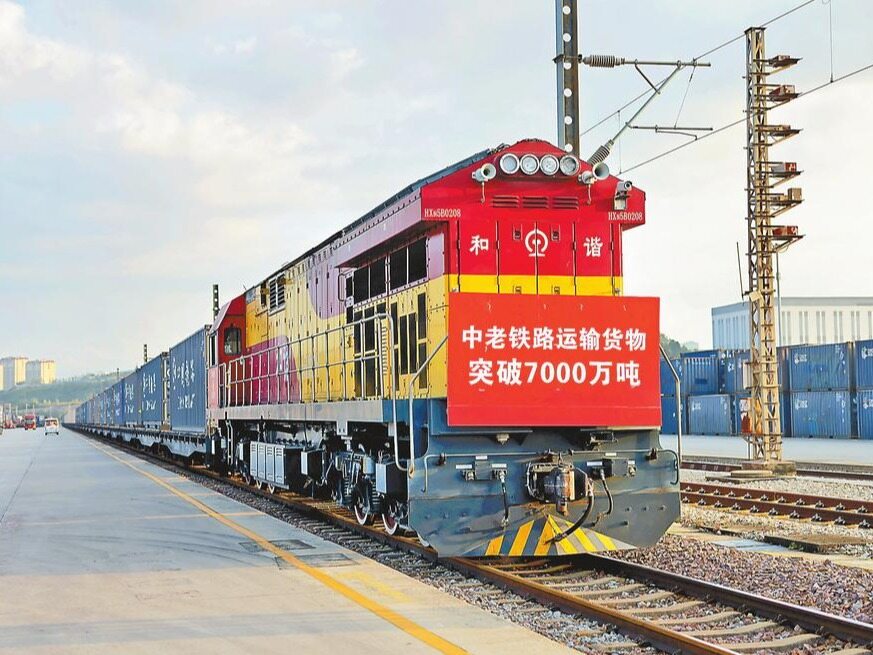
In the first seven months of 2026, the import and export value of China Laos railway will exceed 20 billion yuan, with a year-on-year growth rate of nearly 30%. This cross-border railway, which extends from southwest China to the Indochinese Peninsula, has long surpassed its position as a regular transportation artery and grown into a core artery connecting China and ASEAN for two-way trade.
Continuous optimization of bidirectional cargo category structure
The import and export structure of the channel has undergone significant changes, with categories such as new energy vehicles and photovoltaic products on the export side surging by 306.2% year-on-year. The new three types of domestic goods are being transported in large quantities to ASEAN countries such as Laos and Thailand, relying on stable railway transportation capacity, providing support for local energy infrastructure and transportation upgrades. Cross border e-commerce B2B business is rapidly increasing synchronously, with a large number of merchants utilizing railway channels to expand into the Southeast Asian market, and the order scale continues to expand.
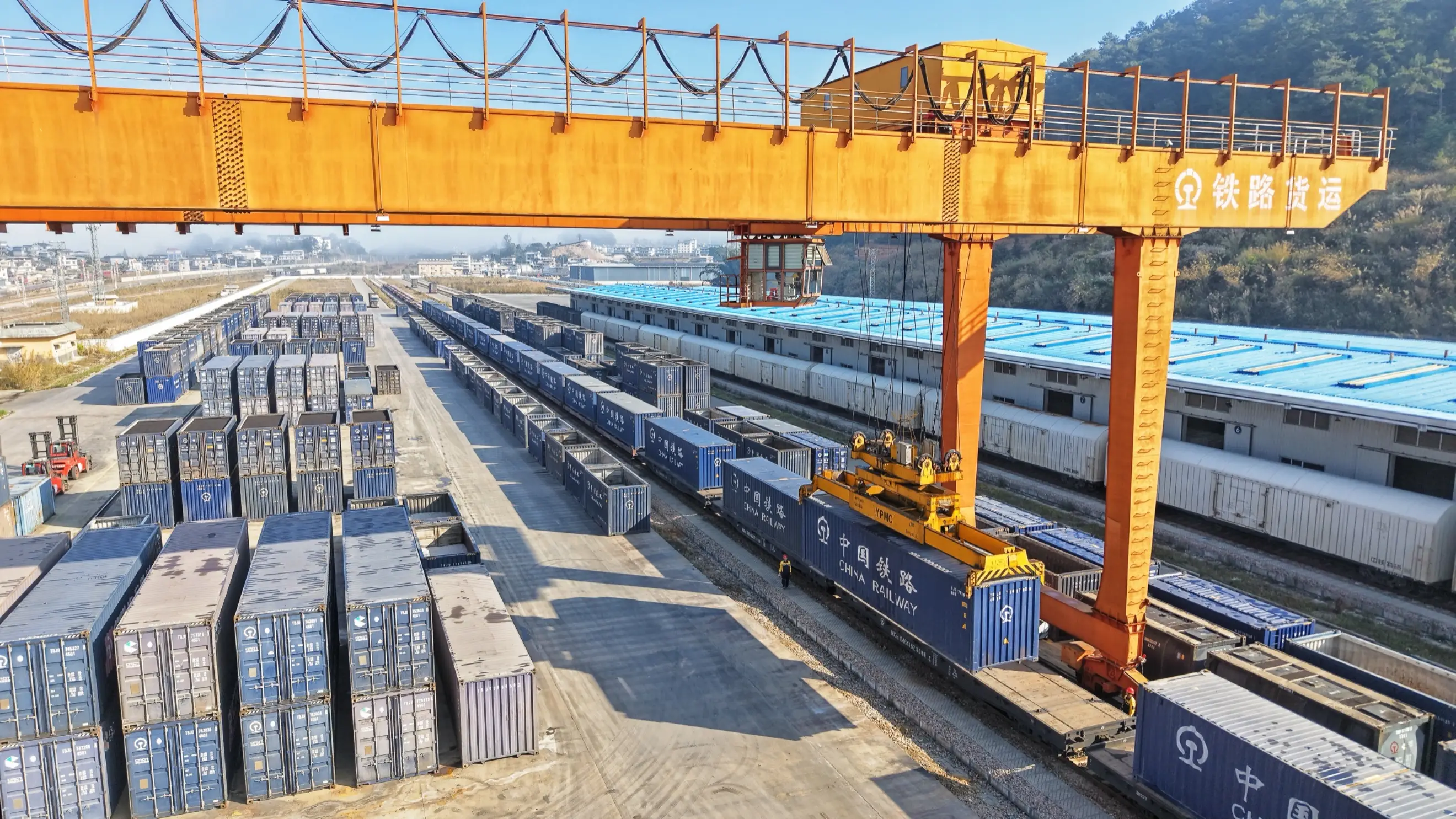
The import side also maintains sufficient vitality, and various fresh fruits from ASEAN continue to enter the domestic market through railways. The circulation channel of tropical agricultural products to China continues to be smooth, and the balanced pattern of two-way circulation is maturing. The channel cargo flow structure that relied solely on resource goods and low value-added goods in the past has been completely rewritten, and the two-way flow of high value-added manufactured products and specialty consumer goods has become the new mainstream of this southbound channel.
Land route advantages reshape Southeast Asian trade links
Previously, the logistics chain for domestic exports to Southeast Asia was highly dependent on sea transportation, which was long constrained by factors such as fluctuations in shipping efficiency, port congestion, and transit losses. By virtue of the unique advantages of direct overland transportation, the China Laos Railway has significantly shortened the logistics cycle from southwest provinces to Southeast Asia, and reduced the risk of cargo damage caused by multi segment transit, especially for new energy, photovoltaic and other goods with high requirements on transportation timeliness and stability.
The continuous increase in the value of goods in the channel is due to the synchronous improvement of supporting customs clearance efficiency, train frequency, and storage facilities along the line. Manufacturing enterprises in the southwest region no longer need to travel long distances to transport to eastern ports, and can rely on this southbound corridor to enter the rapidly growing consumption and infrastructure markets of ASEAN at low cost, fully activating the geographical advantages of inland provinces in connecting with ASEAN. Keywords: China Laos railway, import and export value
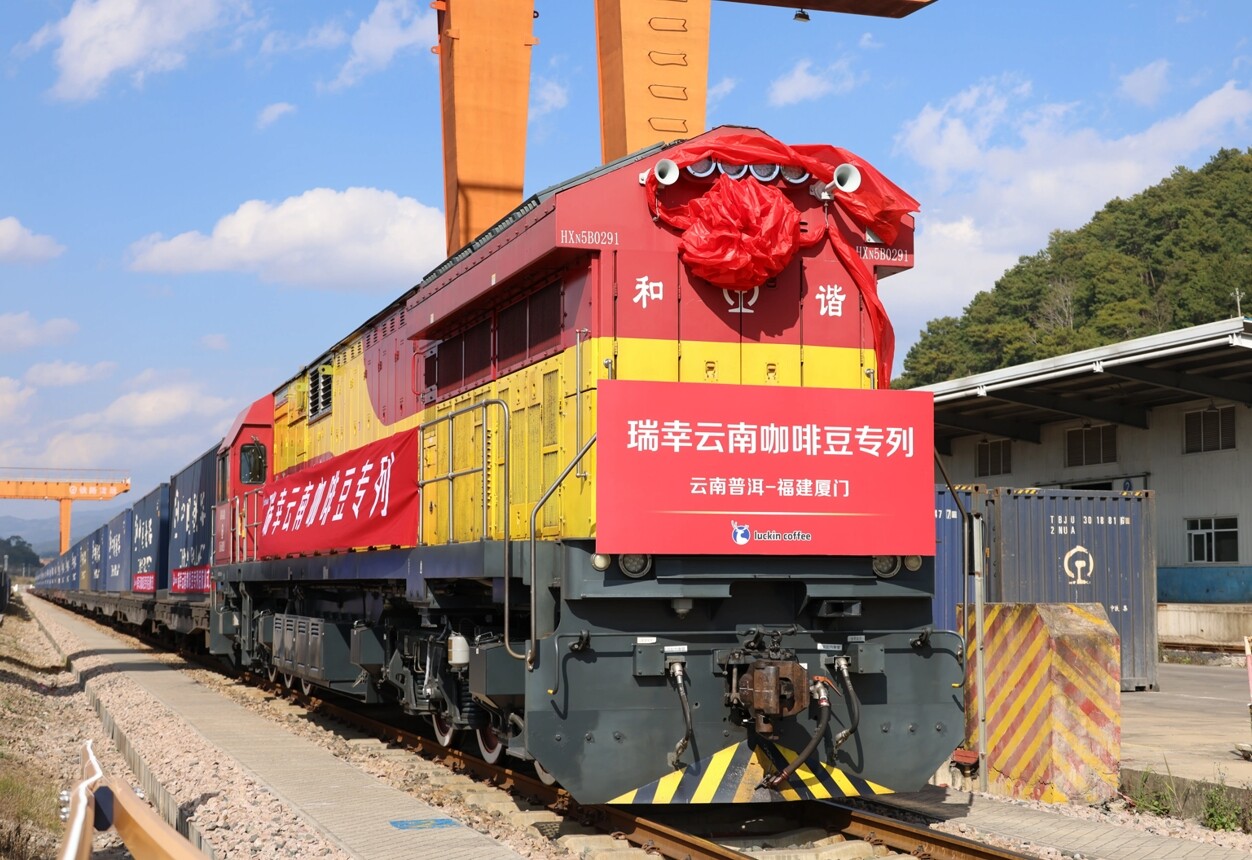
From the initial trial operation to the current single year 30 billion goods value, China Laos Railway has verified the ability of cross-border railway channels to reshape regional trade with continuously rising operating data. With the further improvement of the supporting network along the route, this golden channel connecting China and the Indochina Peninsula will also release greater trade circulation value.Editor/Cheng Liting
Comment



 Praise
 Collect
 Comment

 Share
Share


Write something~