 Search


- Circular economy empowers infrastructure and creates a new paradigm for overseas green investment
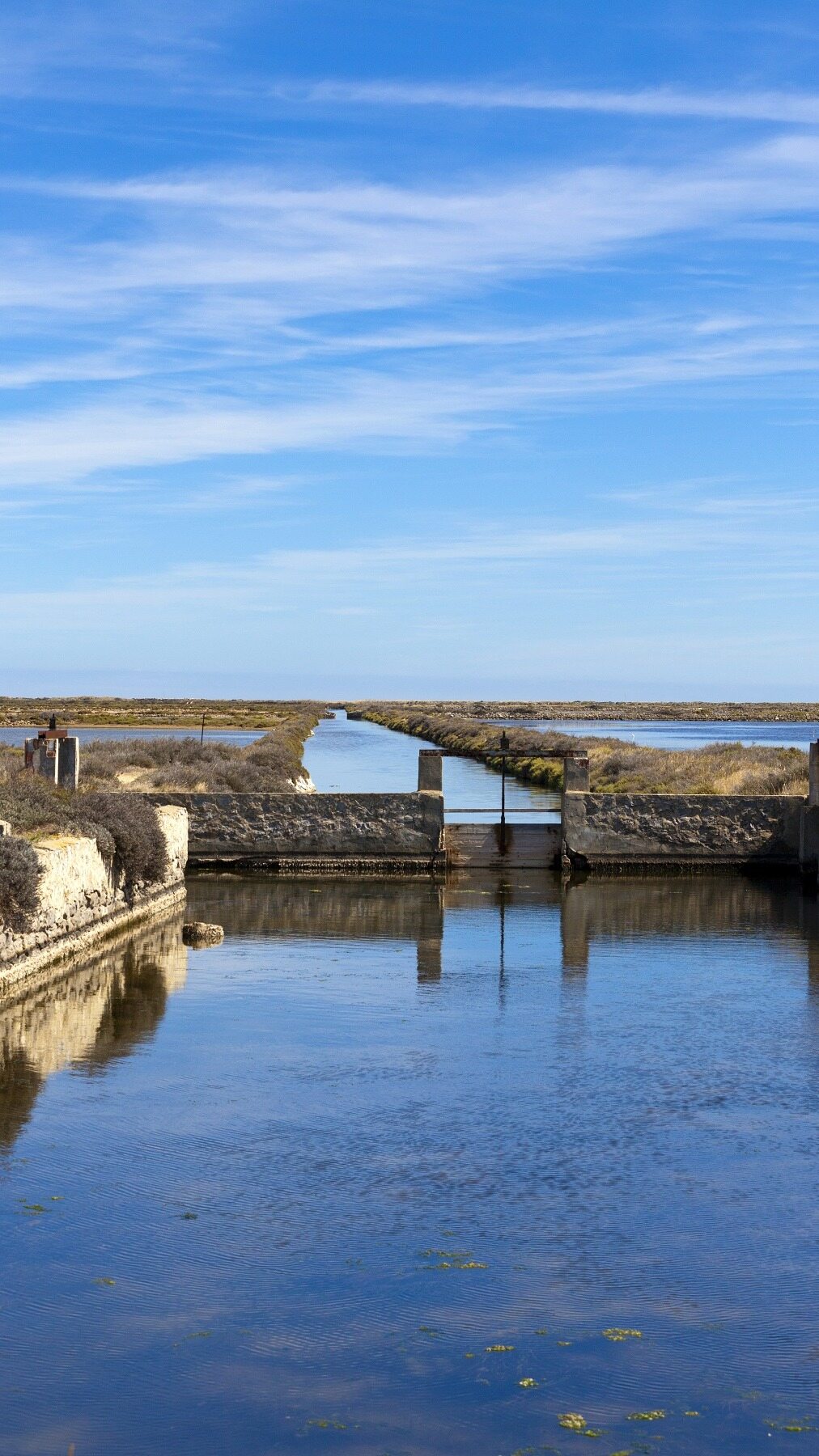
The concentrated saltwater, which was once seen as a burden of discharge into the sea, is now being redefined as a strategic resource for coastal countries. When Middle Eastern capital brings seawater desalination technology to Southeast Asia and collaborates with Indonesian state-owned enterprises to integrate water production and salt production into the same facility, the competition for overseas infrastructure has shifted from a single project contracting to a dual game of circular economy and import substitution.
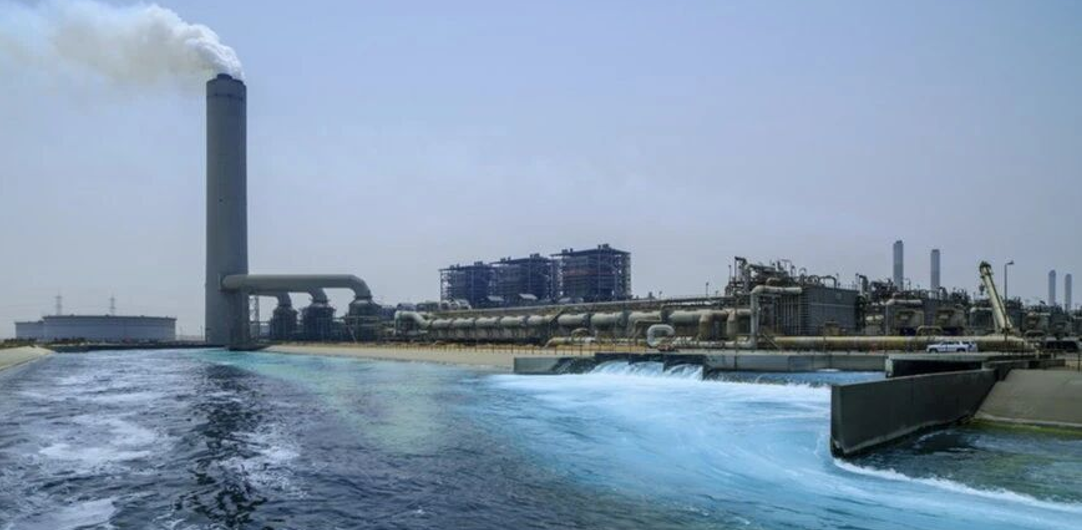
Recently, Saudi Arabia's ACWA signed a cooperation agreement with Indonesia's state-owned salt company PT Garam to develop the country's first public utility scale seawater desalination and industrial salt production integration project in Indonesia. The total investment of the project is about 400 million US dollars, using seawater reverse osmosis coupled salt production technology. After completion, the daily production of desalinated water will be 62500 cubic meters, and the annual production of high-purity industrial salt will be 500000 tons. This project is a new breakthrough in ACWA's overseas integration track and also marks the continued investment of Middle Eastern capital in the Southeast Asian infrastructure market.
Strong cooperation to break down barriers
The Indonesian infrastructure market has strong local protection attributes, and the successful implementation of this project is due to the deep complementarity of strategies and resources between the two sides. Indonesia's high-end industrial salt production capacity is insufficient, with an annual import of over 4 million tons of industrial salt. The demand may increase to 7.7 million tons by 2028, and there is an urgent need for import substitution. The project simultaneously produces fresh water and high-purity industrial salt, which precisely aligns with Indonesia's development direction of resource localization and reducing import dependence, and has received strong policy support. At the same time, ACWA has global financing, offshore desalination technology, and long-term operational advantages. State owned enterprise PT Garam has control over local approvals, government resources, industrial channels, and salt sales networks. Both parties share risks and complement each other's advantages, effectively resolving the localization problem of overseas project landing.
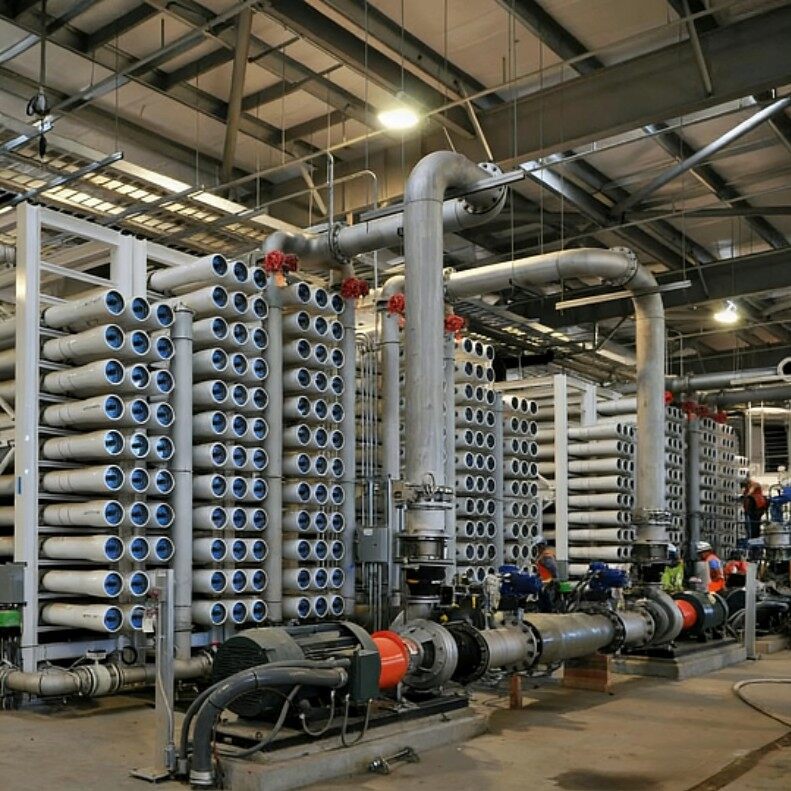
Double wheel mode stabilizes profits
This project adopts the BOO development and operation model, relying on a dual income structure of water supply and salt sales, greatly improving the stability of the project's cash flow and financing ability. Traditional infrastructure projects often rely on a single source of income and have weak risk resistance. And this project can provide stable supply of fresh water to the municipal and industrial parks to obtain water fee income, rely on cooperative partners to achieve stable underwriting of industrial salt, and hedge and guarantee each other's dual cash flows, effectively stabilizing market fluctuations. The project plan adopts a non recourse and limited recourse financing model, which requires the implementation of long-term water purchase agreements, salt product purchase mechanisms, compliance approval guarantees, and standardized operation and maintenance systems to comprehensively build a solid foundation for financing and operation. Keywords: ACWA, Indonesia, seawater desalination, industrial salt production
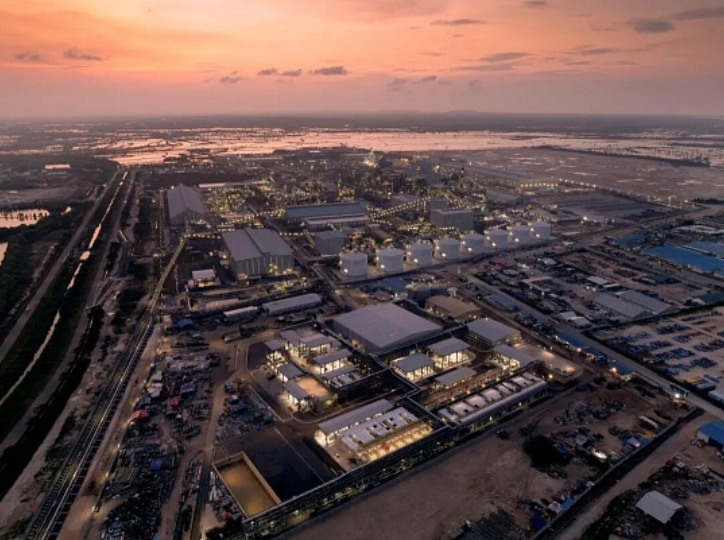
Circular mode improves quality and efficiency
The project abandons the traditional single seawater desalination mode and innovatively adopts an integrated cycle solution of seawater desalination and salt production, which is in line with the global trend of green transformation in infrastructure. The concentrated saltwater produced by traditional seawater desalination is prone to environmental pressure and approval restrictions. However, this project directly converts concentrated saltwater into salt raw materials, turning waste into treasure, reducing environmental compliance costs, and avoiding ESG approval risks. At the same time, the high value-added industrial salt income can reverse subsidize the cost of water production, effectively dilute the comprehensive cost of the project, and improve the overall investment return rate. This project creates a complete asset loop that is "developable, financiable, and operable", breaking away from a single engineering construction model and becoming a benchmark for overseas infrastructure that balances resource security, industrial upgrading, and long-term returns. It provides an important reference for international capital to layout green infrastructure in Southeast Asia.Editor/Gong Ziwei
Comment


 Praise
 Collect
 Comment

 Share
Share


Write something~