 Search


- Guinea's Chinese investment extends from bauxite mining to local processing, building a complete aluminum industry chain
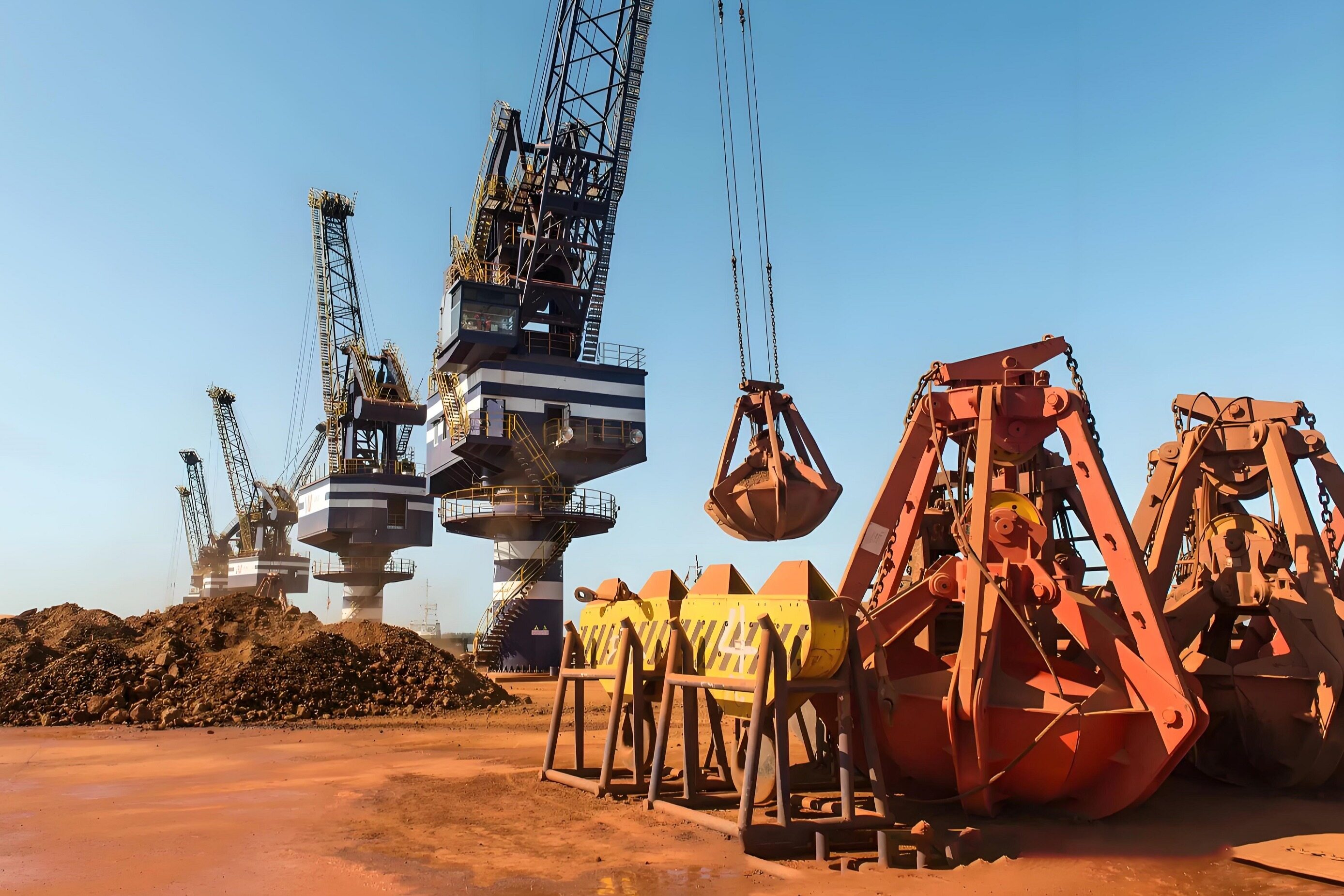
Recently, Guinea's aluminum industry has reached a historic moment. From Bofa to Bokai, three 1.2 million ton alumina plants invested by Chinese enterprises have entered the construction phase simultaneously. State Power Investment Corporation, Weiqiao Group, and China Aluminum Corporation have simultaneously launched a joint venture, with a total investment of approximately 3.7 billion US dollars, adding 3.6 million tons/year of alumina production capacity. At the same time, the Ximangdu iron mine, which has been delayed for nearly 30 years, will officially start production in November 2025. China Baowu Holdings will hold the northern mining area and China Aluminum will enter the southern mining area. The railway and port system crossing Guinea has entered operation. The Chinese investment layout in Guinea is extending from simple resource extraction to local processing chains.
Three alumina plants built together
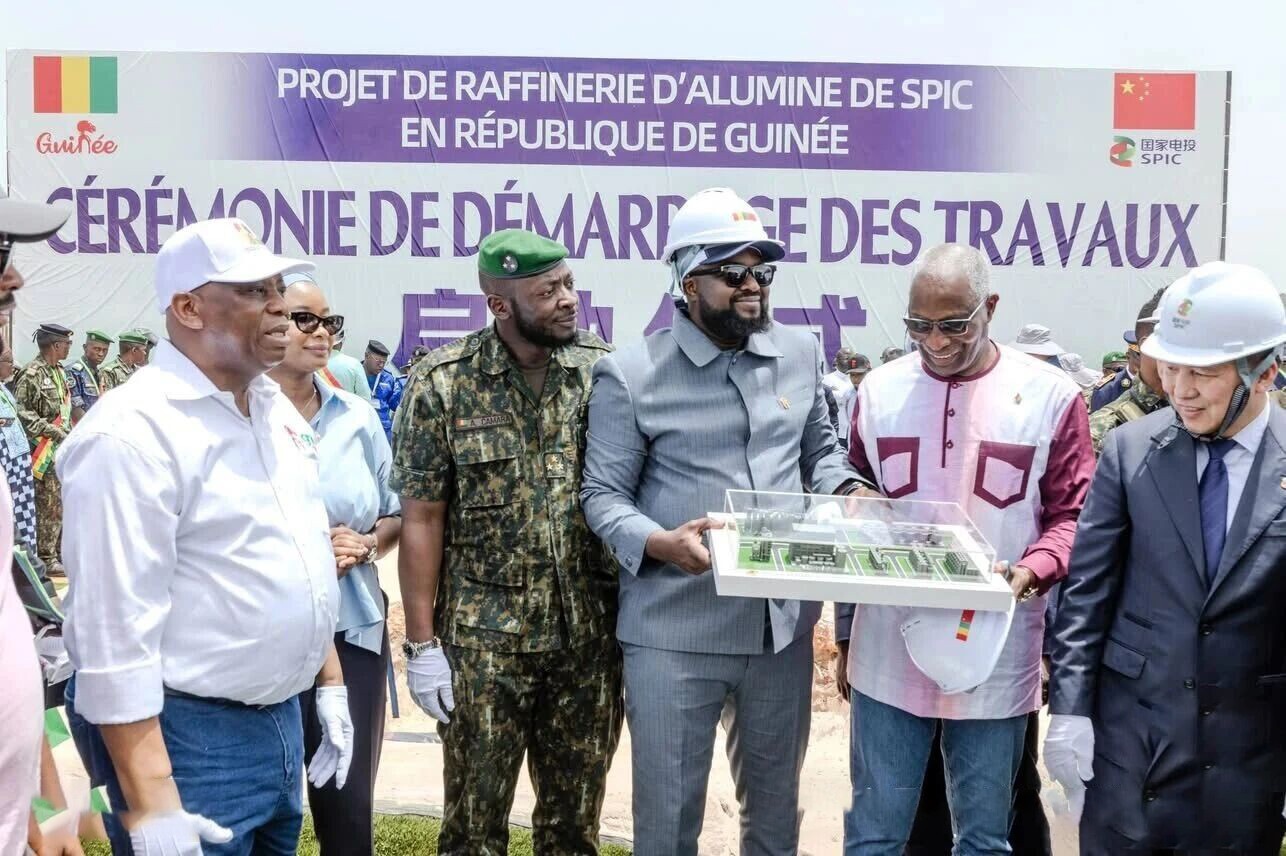
The SPIC Bofa Alumina Plant is invested by State Power Investment Corporation with approximately 1.03 billion US dollars to build a 1.2 million ton/year production line, supporting a 5 million ton/year bauxite mine, a dedicated energy system, and a 35000 ton dock. It is planned to be put into operation in June 2028. The WCAG Duobali Alumina Plant is invested by a consortium consisting of Weili International and Shandong Weiqiao, with an investment of approximately 1 to 1.2 billion US dollars, and is equipped with a 300MW self owned power station. It is planned to be put into operation by the end of 2028. The Chinalco Bofa Alumina Plant is invested by Chinalco with an enterprise capacity of approximately 1 billion US dollars or a government comprehensive capacity of 1.68 billion US dollars. It will build a 1.2 million ton/year production line, supporting facilities such as power plants, water intake, and ports, and is planned to be completed by 2029. The total new production capacity of the three projects is 3.6 million tons per year, calculated according to the public standards of the Guinean government and projects, with an investment scale of approximately 3.7 billion US dollars.
Simandou Iron Mine put into operation
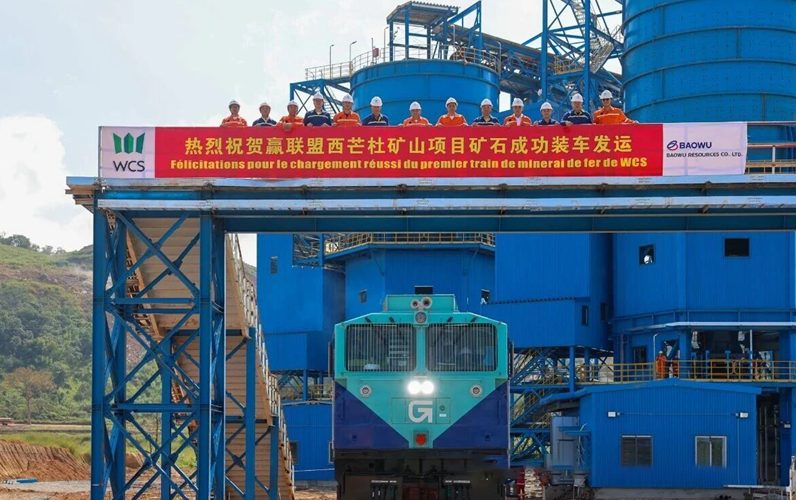
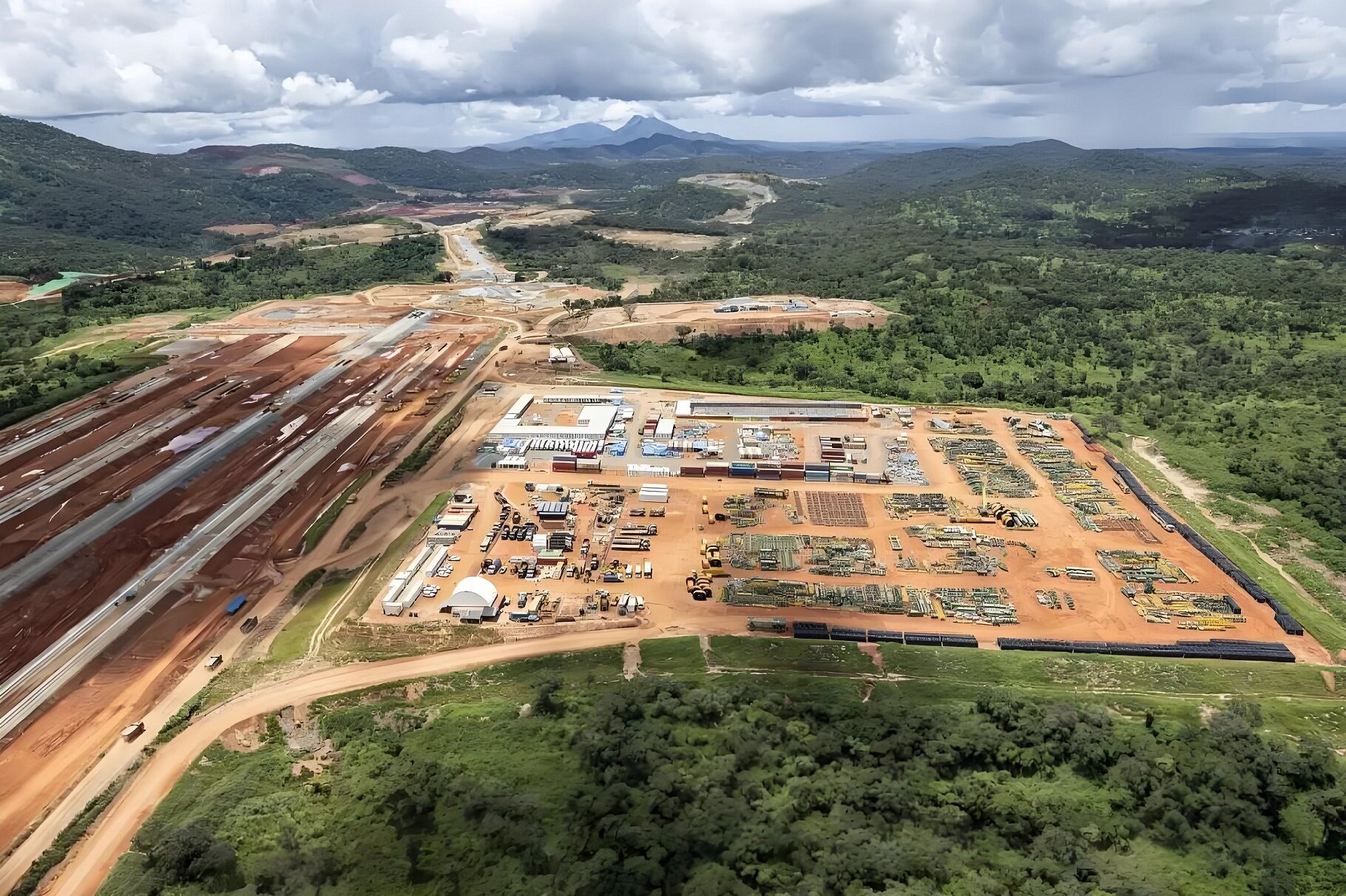
In November 2025, the Ximangdu iron mine will be officially put into operation, and the first batch of iron ore will be shipped out in December. The project consists of northern blocks 1 and 2 and southern blocks 3 and 4, with a total designed annual production capacity of 120 million tons, supporting over 600 kilometers of heavy-duty railways and Atlantic ports. In January 2026, China Baowu will increase its stake in the northern block from 49% to 51%, gaining control of the operating entity; The southern block is jointly held by CIOH led by China Aluminum. In March 2026, the project will enter a significant capacity ramp up phase, with an expected annual contribution of approximately 22 million tons of iron ore supply. China Railway First Group, China Railway Fourth Group, China Railway Tenth Group, and China Railway Second Engineering Group Co., Ltd. have respectively entered the railway track laying, section construction, and testing system. Simandou has transformed from a mining investment project into a long-term industrial asset consisting of mines, railways, and ports. Keywords: the Belt and Road news, alumina, international
Extension of Chinese funded industrial chain
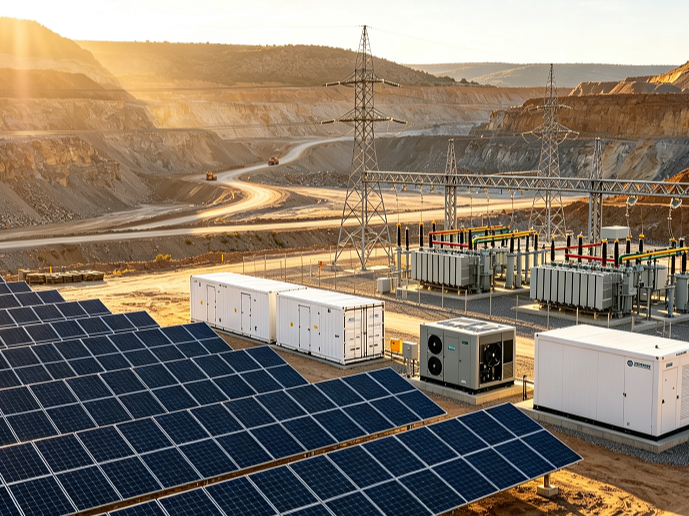
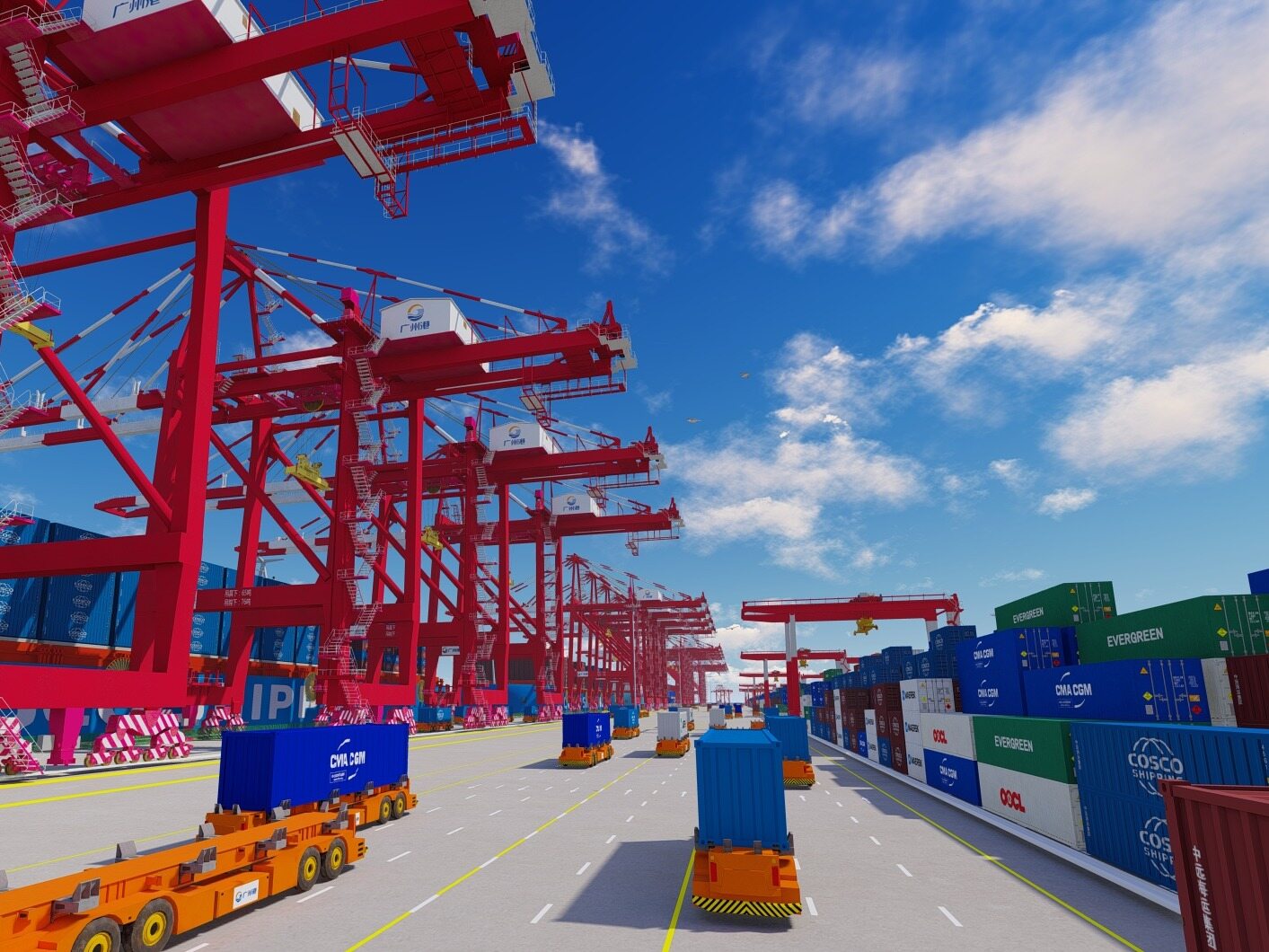
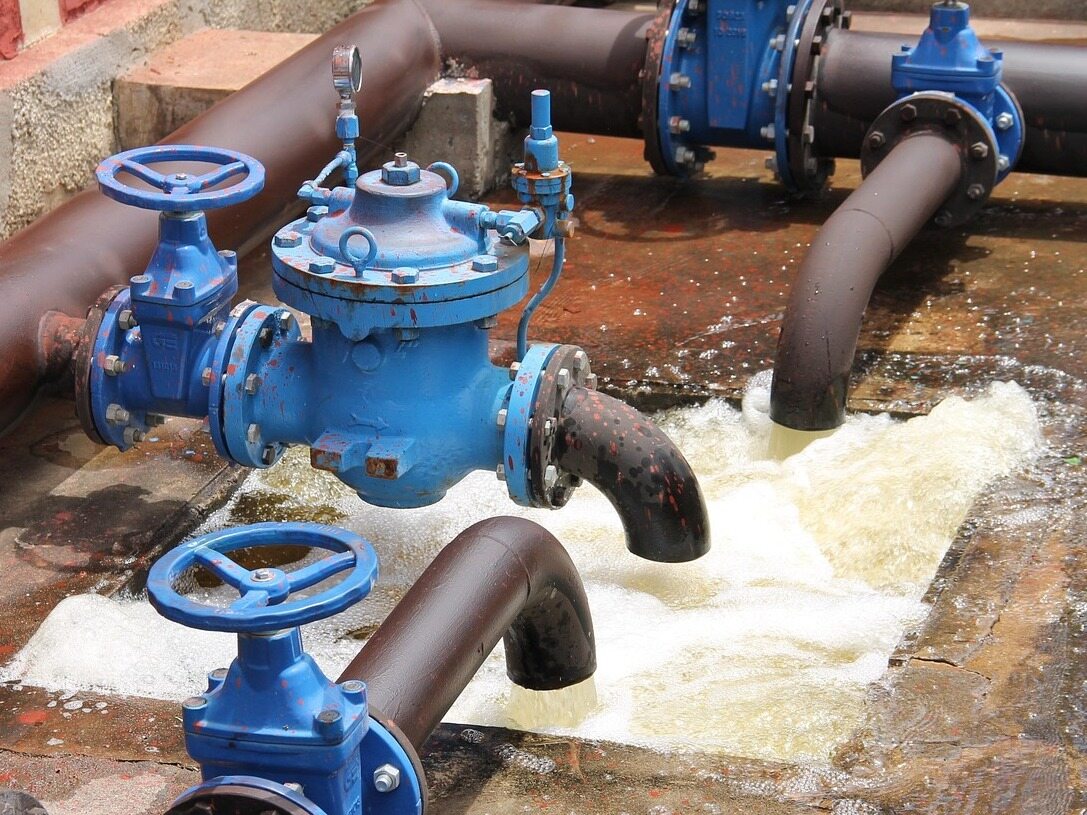
Guinea will export approximately 183 million tons of bauxite in 2025, with a year-on-year increase of 25% in production in the first quarter of 2026, and over 70% of it will be shipped to China. The construction of three alumina plants will extend the aluminum industry from mining to local processing. The SMB Wining Alliance has formed a mining to Dabilong Port system, with bauxite production exceeding 70 million tons by 2025; Chinalco Bo Law uses long-distance belts to directly connect the mine to the dock. The State Power Investment Corporation's alumina plant is advancing through the EP+M mode. As of July 2026, electrical equipment is still being tendered, and the public procurement requirements include 3 sets of 220 ton/hour high-temperature and high-pressure boilers, 2 sets of 30MW condensing steam turbines, 1 set of 25MW back pressure steam turbine, photovoltaic energy storage system, 96 large non-standard tanks with a capacity of approximately 18200 tons, 1194 sets of electrical three boxes and transportation, steel structures, automation, water treatment, port equipment, etc. The layout of Chinese investment in Guinea is shifting from resource projects to a complete industrial supply chain covering mining machinery, crushing and transportation, non-standard tanks, pumps and valves, boilers and turbines, power transmission and distribution, photovoltaic energy storage, industrial automation, and port equipment.Editor/Gao Xue
Comment

 Praise
 Collect
 Comment

 Share
Share


Write something~