 Search


- Desert Rise Industrial Park witnesses fruitful results of China Egypt production capacity cooperation
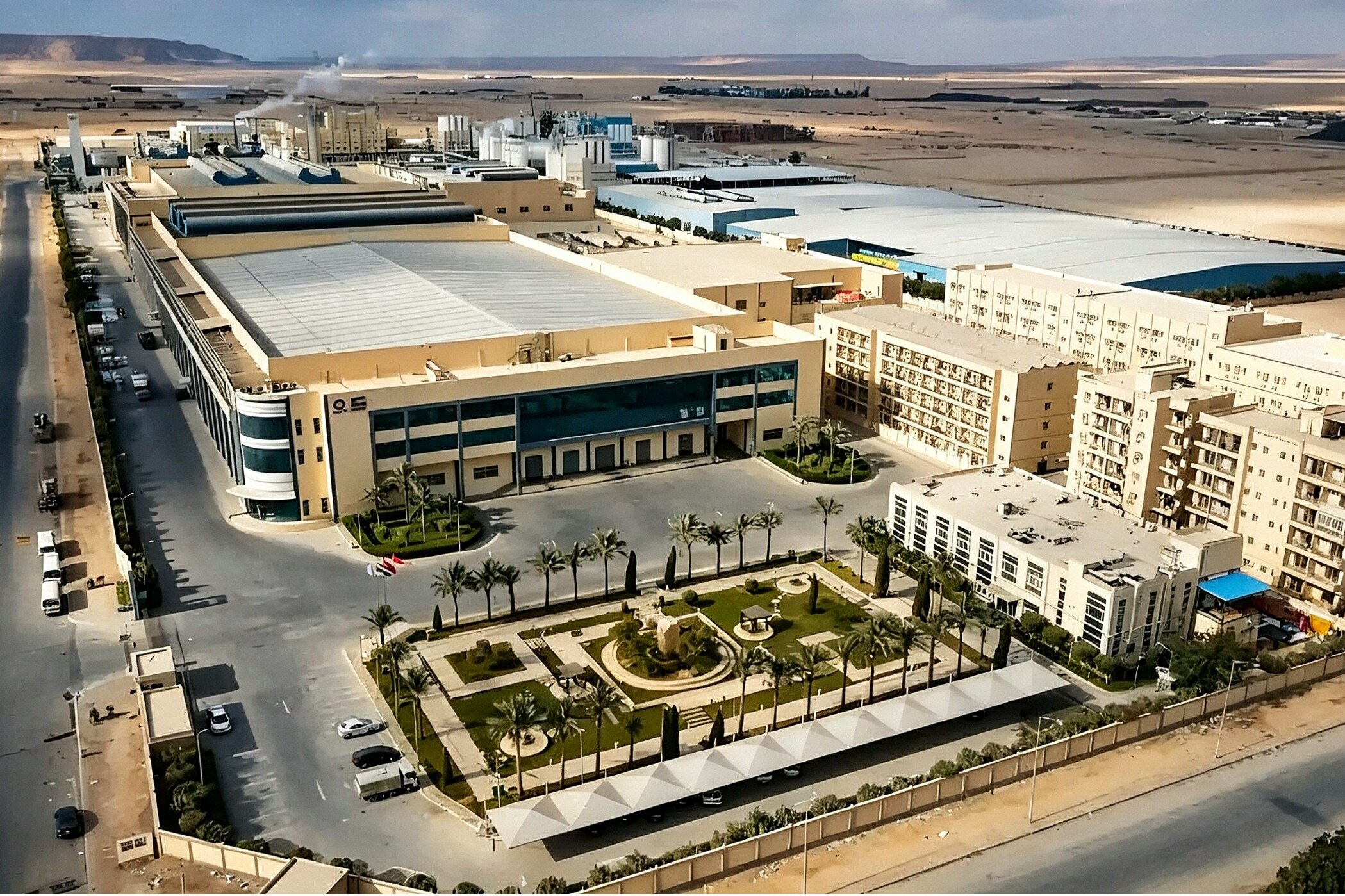
The China Egypt Teda Suez Economic and Trade Cooperation Zone along the Red Sea coast has developed from a vast desert into a modern industrial agglomeration highland. A number of Chinese manufacturing enterprises have taken root in the development of the park, improved Egypt's local industrial chain, driven local employment and income, and vividly reflected the practical results of high-quality joint construction of the the Belt and Road.
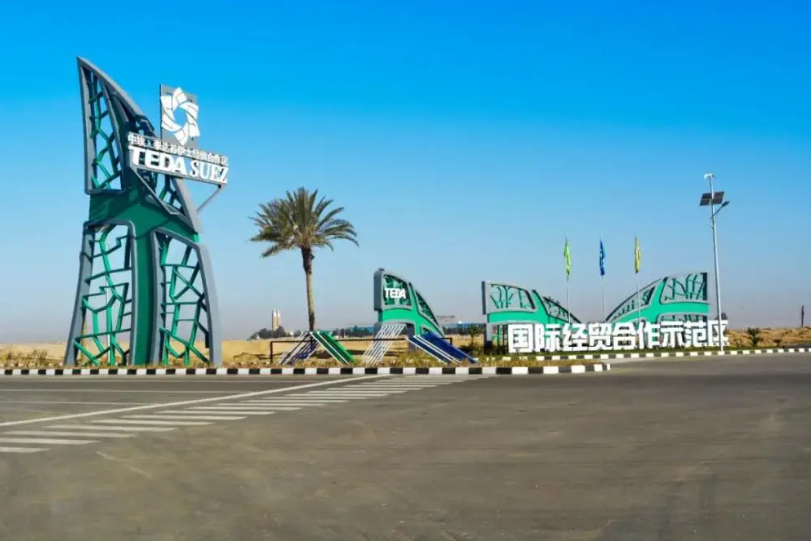
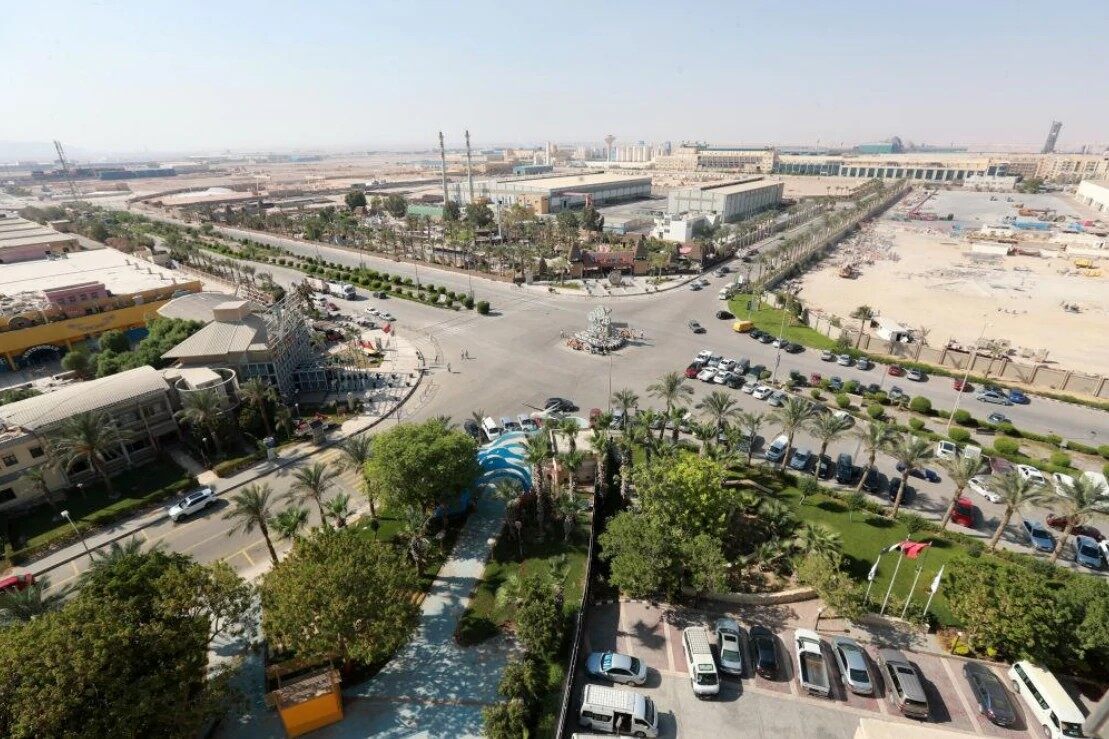
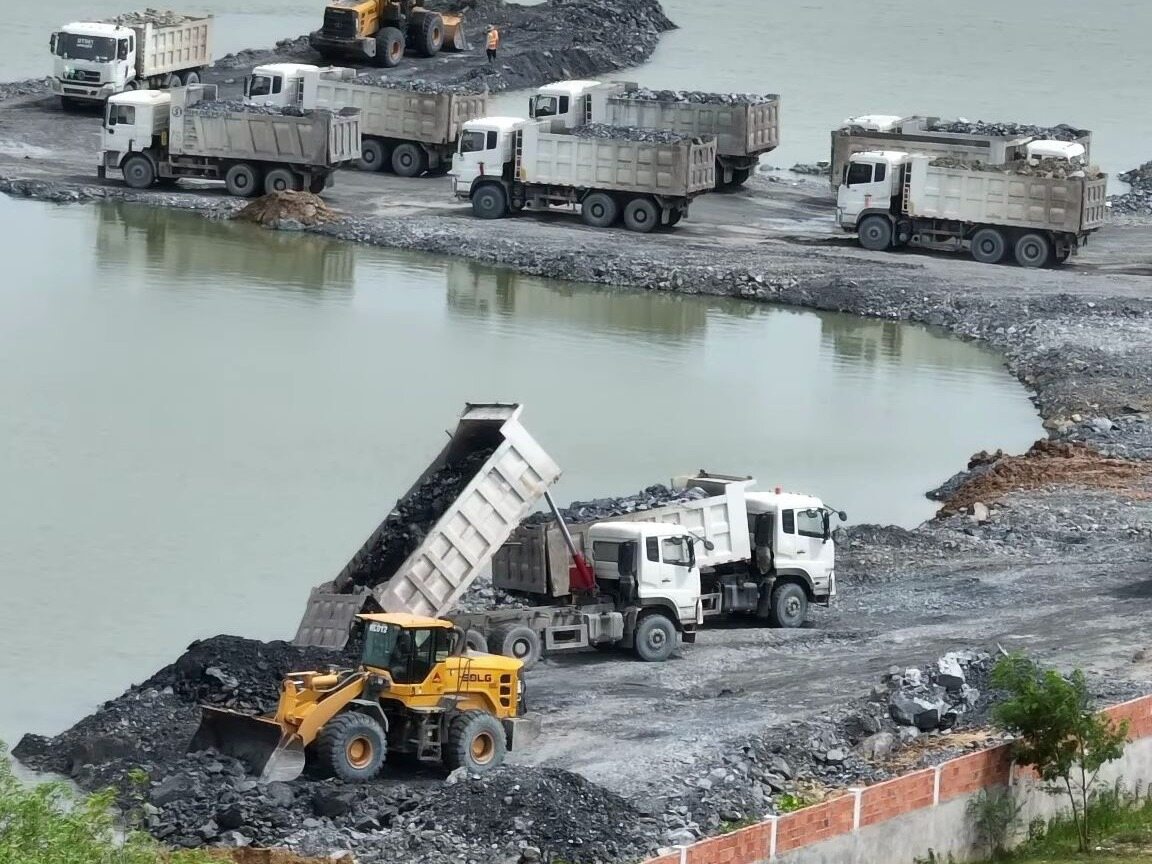
On August 25, 2026, the high-quality the Belt and Road joint interview team jointly built by the Chinese Egyptian media entered the China Egypt Teda Suez Economic and Trade Cooperation Zone on the coast of the Red Sea. The layout of factories and warehouses in the park is orderly, and the living facilities are complete. Before the development and construction, there were only large areas of desert and sandy land in this area. After continuous construction, the regional appearance has undergone fundamental changes.
Transforming barren beaches into industrial parks
The industrial agglomeration area transformed from desert is a true reflection of the continuous deepening of China Egypt production capacity cooperation. The construction of the cooperation zone began in 2008, and in January 2016, the heads of state of China and Egypt jointly unveiled the plaque for the second phase of the cooperation zone. After years of operation, the park has achieved the aggregation of enterprises and industries. As of the end of June 2026, more than 200 enterprises have settled in the cooperation zone, with a cumulative investment of over 4.7 billion US dollars and cumulative sales of over 7.3 billion US dollars, directly creating more than 10000 job opportunities.
Take root in manufacturing projects
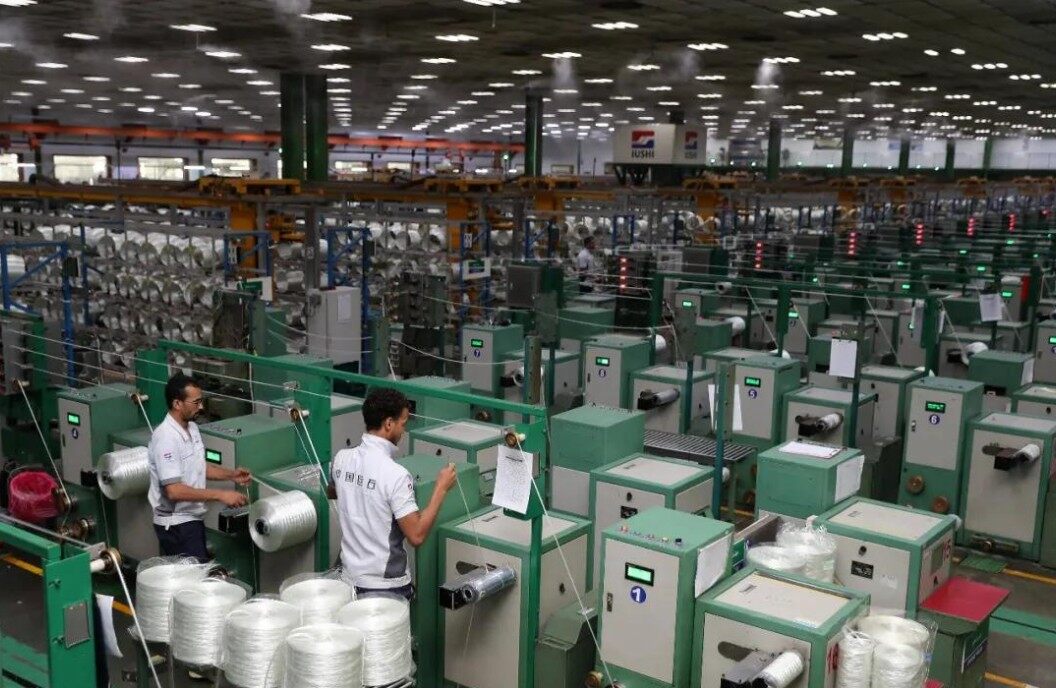
The production workshop of Giant Stone Egypt Glass Fiber Co., Ltd. continues to operate, and the equipment completes the traction and winding processes of glass fibers, producing finished products in cylindrical yarn. The enterprise settled in the cooperation zone in 2012, promoting the breakthrough of Egypt's glass fiber industry from scratch. The base has now become the largest fiberglass production base in Africa, helping Egypt become the world's fourth largest fiberglass producer.
The project fills the gap in the glass fiber industry in Egypt, effectively promoting bilateral economic and trade exchanges between China and Egypt, and providing strong support for the improvement of the local industrial system. In the quilting workshop of Egypt Pan Yang Textile Printing and Dyeing Co., Ltd., local employees operate production equipment, verify the quality of finished products against standard samples, and ensure that the products meet the order standards. The quilting produced by the enterprise has a broad market in North Africa and sufficient market orders. Keywords: the Belt and Road, Jushi Egypt, textile manufacturing
Industrial synergy promotes development
The Egyptian textile industry has abundant raw material resources and a long history of craftsmanship. Chinese enterprises that have settled in have imported advanced production processes, modern management systems, and complete logistics support. Both sides complement each other's advantages and build a mutually beneficial and win-win industrial cooperation model. One industrial project after another has landed, building a modern industrial new city on the desert. The deep integration of domestic and foreign industrial factors continues to amplify the comprehensive benefits of pragmatic cooperation between China and Egypt.Editor/Gong Ziwei
Comment


 Praise
 Collect
 Comment

 Share
Share


Write something~