 Search


- The joint project pool of both parties has exceeded 5.7 billion US dollars
- China Ukraine Silk Road financing accelerates further
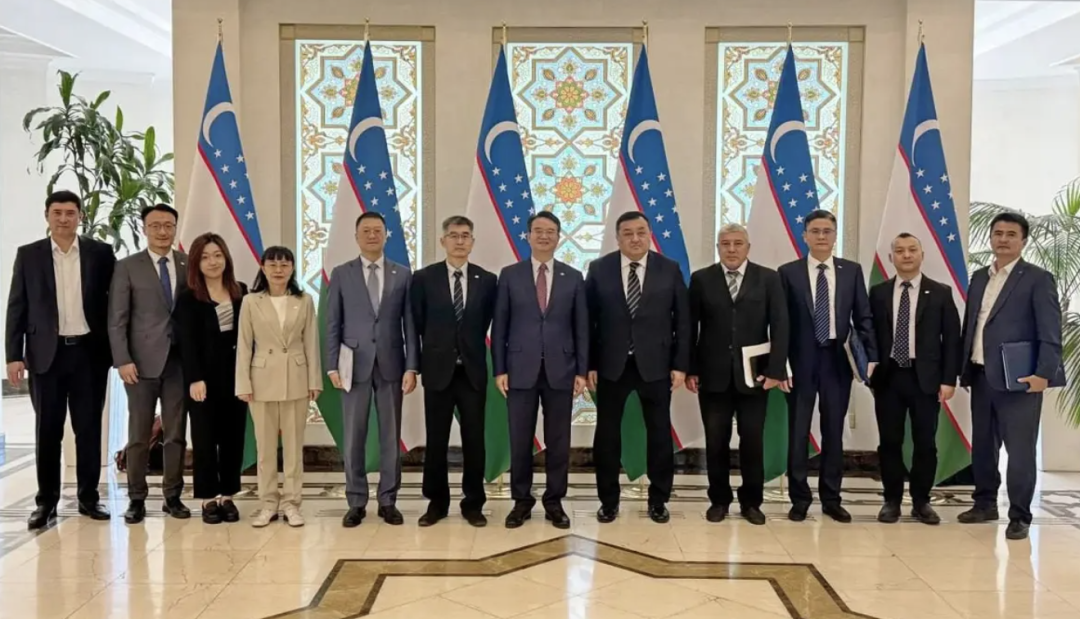
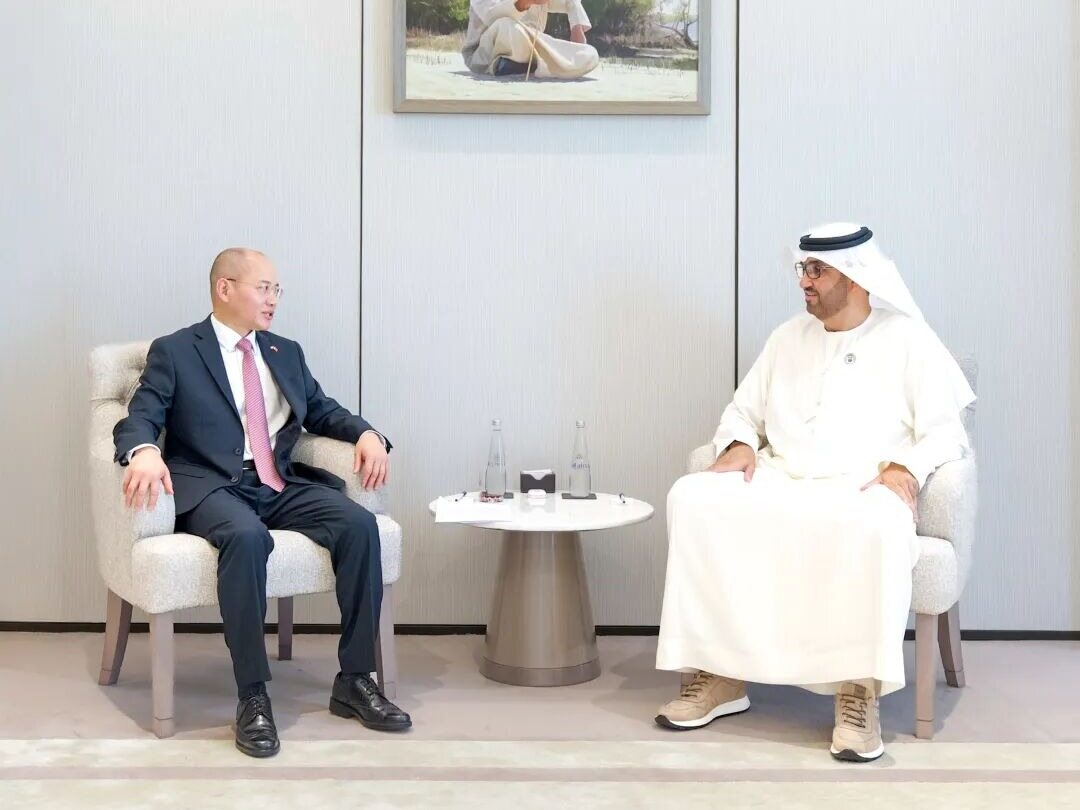
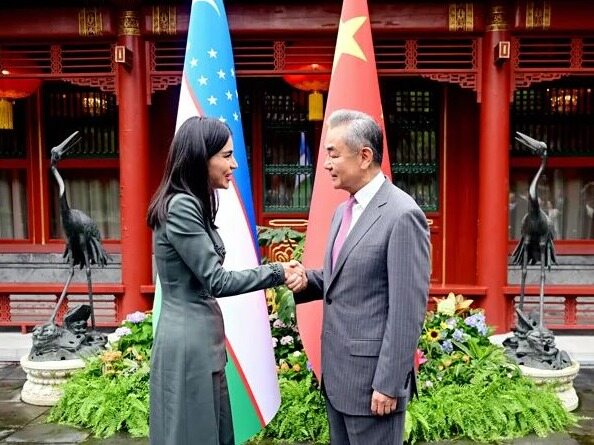
In August in Tashkent, the lights in the negotiation room were brighter than usual. On August 25, 2026, Kasimov, Deputy Minister of Investment, Industry and Trade of Ukraine, sat across the table from Wang Kang, Vice President of the Export Import Bank of China. On the table were not ordinary meeting minutes, but more than ten project lists spanning hydropower, water conservancy, agriculture, transportation and telecommunications. As the last page turned, a new financing framework of $1.05 billion gradually became clear - this was not only the commencement letter for seven projects, but also another rivet for China and Ukraine to push their plans into the soil.
1.05 billion new project finalized
The core increment of this round of talks is the seven potential key projects with a total scale of 1.05 billion US dollars. After reviewing the existing implementation progress one by one, both parties turned their attention to four areas of weakness: hydropower, water infrastructure, agriculture, and transportation. Among them, the Pengong Namangan Expressway, which connects Pengong and Namangan, has been directly included in the priority promotion list and has become the benchmark project with groundbreaking conditions among this batch of projects. At the same time, a $500 million telecommunications project was put on the table side by side, pointing to the expansion of broadband and cable networks, echoing the people's livelihood demands of Uzbekistan's digital Uzbekistan 2030 strategy for Internet access acceleration.
5.7 billion yuan cooperation to expand the market
What deserves more attention than a single project is the chassis. Both China and Ukraine have disclosed that the joint project portfolio formed by the Export Import Bank of China and Ukraine has exceeded 5.7 billion US dollars, covering multiple key industries such as transportation, water conservancy, energy, agriculture, and communication. This is not a one-day effort - as early as the Beijing Financial Street Forum in 2025, the Ukrainian State Bank for Foreign Economic Activities signed a strategic partnership agreement with the Export Import Bank, listing local currency settlement alongside renewable energy and airport modernization in the memorandum of cooperation; In the same year, at the Tashkent Investment Dialogue, the China Eurasia Economic Cooperation Fund Phase II and the China Central Asia Economic Cooperation Fund, led by the Export Import Bank, officially entered the investment phase, providing continuous support for subsequent projects. From the special loan for the 150 MW energy storage power station in Navoi to the transfer loan from Tulong Bank to support the equipment procurement of Pengsheng Industrial Park, the tentacles of policy finance are extending from midstream infrastructure to upstream equipment and downstream parks.Key words: the Belt and Road
Deepening Silk Road Cooperation
In recent years, Uzbekistan has regarded infrastructure as the main artery of economic modernization, actively introducing international financial institutions under the premise of limited finances. Meanwhile, the Export Import Bank has gradually transformed from a single lender to a comprehensive service provider of the industrial chain through medium and long-term credit and buyer credit tools. The regional projects such as the China Kyrgyzstan Uzbekistan Railway, the Ferghana Mountain Tunnel Complex, and the standard gauge renovation of the interchange station are pushing Central Asia from the hinterland to the crossroads of west and east, and Uzbekistan is the southern pivot of this corridor. When the Penggong Namangan Expressway reduces the need for trucks to detour through 100 kilometers of mountain passes, and when the $500 million telecommunications project enables Namangan farmers to use stable fiber optic cables, every allocation in the $5.7 billion budget will ultimately become electricity price tables, logistics efficiency, and border clearance figures. The story of the the Belt and Road in Uzbekistan is no longer just the ribbon cutting of steel mills and power stations, but the national clock of water, road, network and electricity.Editor/Yang Meiling
Comment


 Praise
 Collect
 Comment

 Share
Share


Write something~