 Search


- The Jeddah Islamic Port RC2 container route has officially opened, connecting the core ports of China, Jordan, and Ethiopia

In 2026, the cross-border shipping network in the Middle East will reach a critical upgrade point, with the opening of a new route at Jeddah Islamic Port and the acceleration of terminal expansion projects. Saudi Arabia, relying on its core location in the Red Sea, is rapidly strengthening its hub discourse power in the Asia Africa Europe maritime trade channel. The concentrated implementation of this round of shipping infrastructure also further improves the efficiency of cross-border logistics channels between China and the Middle East.
Directly improving the efficiency of the Asia China shipping channel
Jeddah Islamic Port has officially opened a new RC2 international container route, built by Ocean Network Shipping, connecting core ports such as Shanghai, Ningbo, Nansha in China, Aqaba in Jordan, and Suhena in Egypt. The maximum capacity of a single voyage can reach 1643 20 foot standard containers.
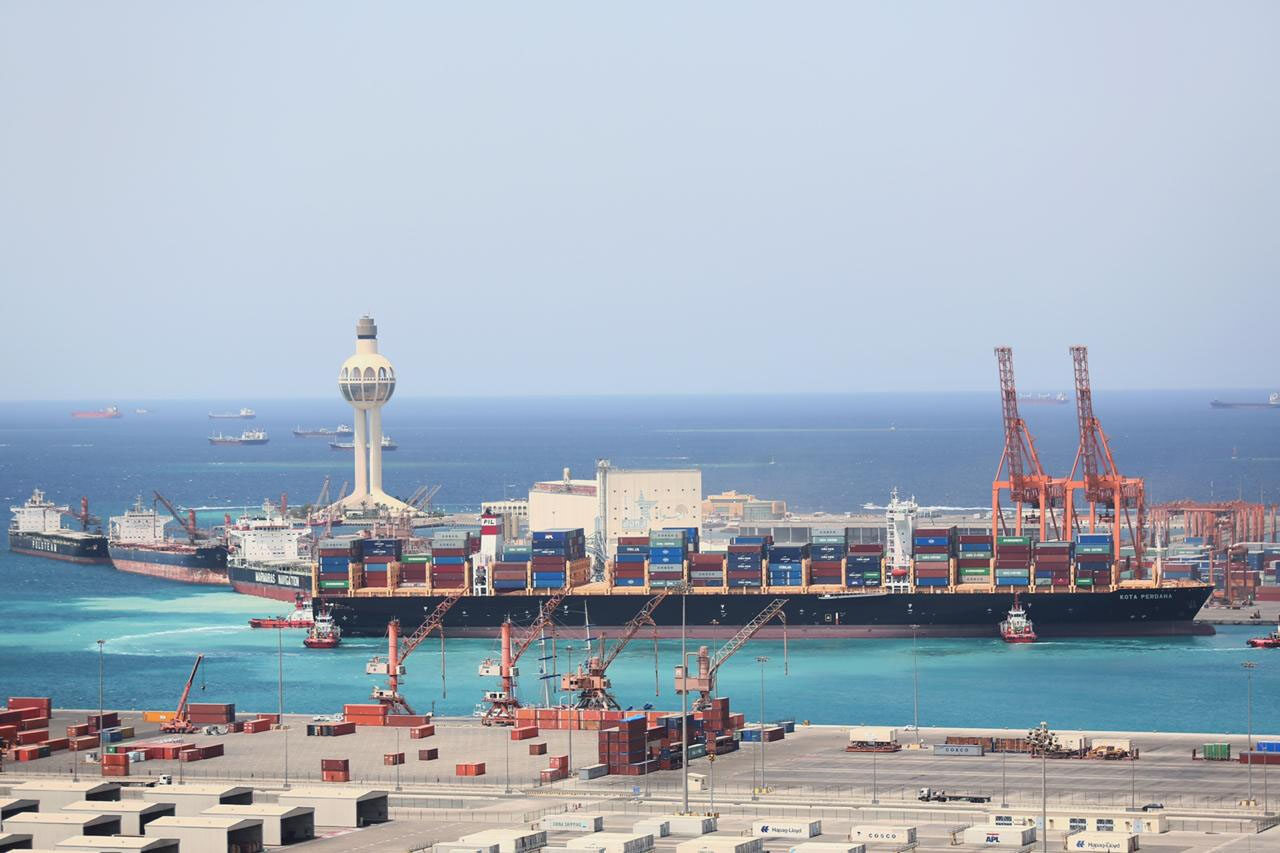
This new route directly connects the direct sea transportation channel between Asia and the Middle East, relying on the infrastructure layout of Saudi Arabia's 2030 vision, significantly reducing the freight turnover time between regions, and enhancing the connectivity level between Saudi Arabia and the core trade areas of Asia and the Middle East. Based on the latest data on Middle East shipping in 2026, the container shipping capacity between China and Saudi Arabia increased by 37% year-on-year in the first seven months of this year, with Jeddah Port leading the entire Red Sea region in terms of cargo volume growth as a core transit node.
$434 million dock upgrade
At the same time as the opening of the new route, the expansion project of Jeddah Islamic Port is advancing simultaneously. Saudi Arabia's Red Sea Gateway Terminal has reached a cooperation agreement with France's Daffy Shipping Group to jointly develop and operate Terminal 4, with an initial investment of about 434 million US dollars.
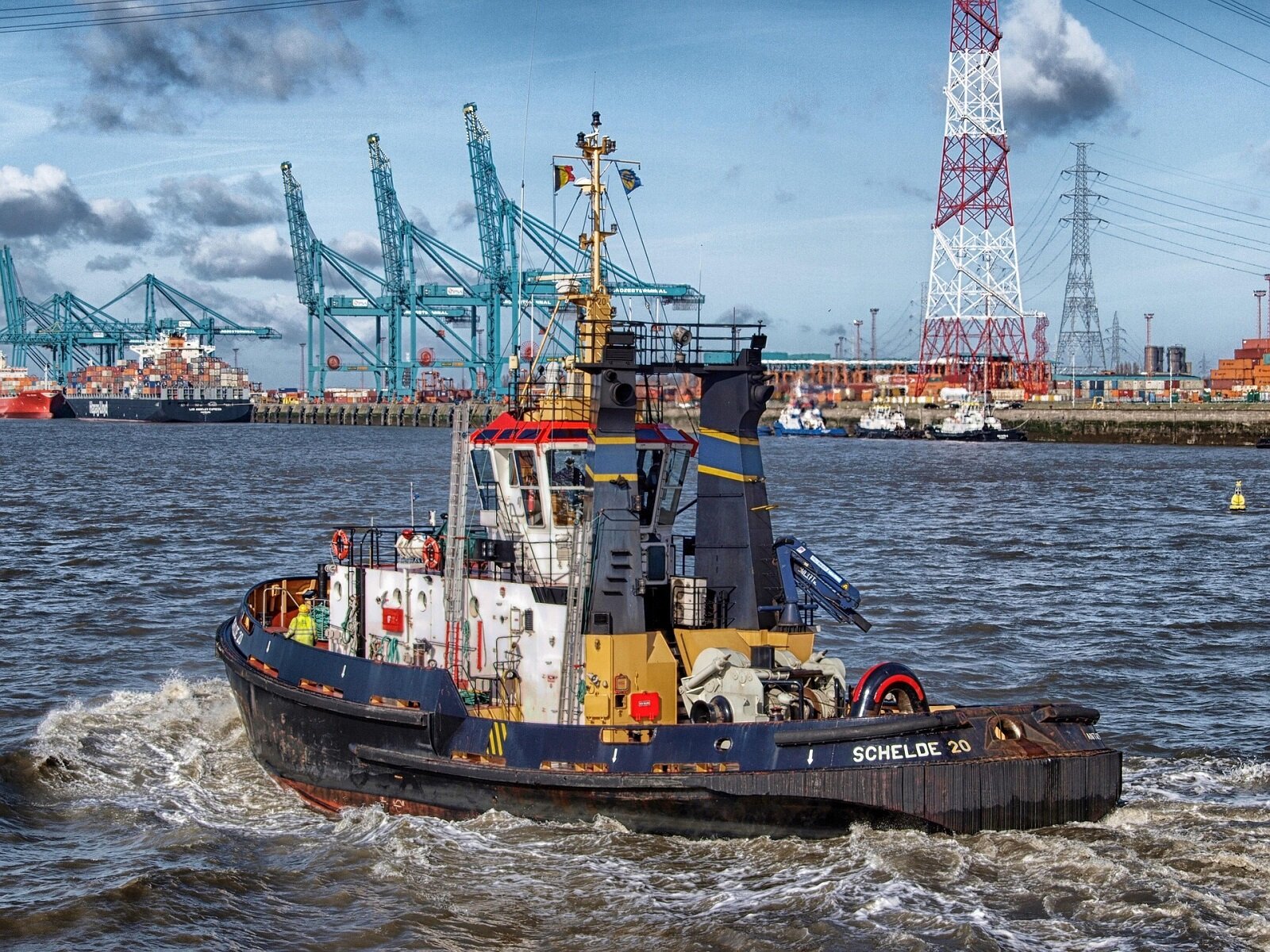
After the completion of the terminal, it can add an annual container handling capacity of 2.6 million TEUs, supporting the construction of deep-water berths and new shore bridge equipment, fully adapting to the navigation operation needs of ultra large container ships. Jeddah Islamic Port currently has 62 berths and 3 major terminals, guarding the key maritime trade routes between Asia, Africa, and Europe. With the dual support of route expansion and hardware upgrades, its core position as a regional shipping hub will be further consolidated.
The dual landing of new routes and new terminals is upgrading Jeddah Islamic Port from a regional transit port to a key node in the global shipping network, and also opening up a more efficient logistics artery for cross-border trade between China and the Middle East and North Africa.Editor/Cheng Liting
Comment



 Praise
 Collect
 Comment

 Share
Share


Write something~