 Search


- Empowering North African phosphorus chemical industry transformation with Chinese enterprises, expanding global supply chain pattern

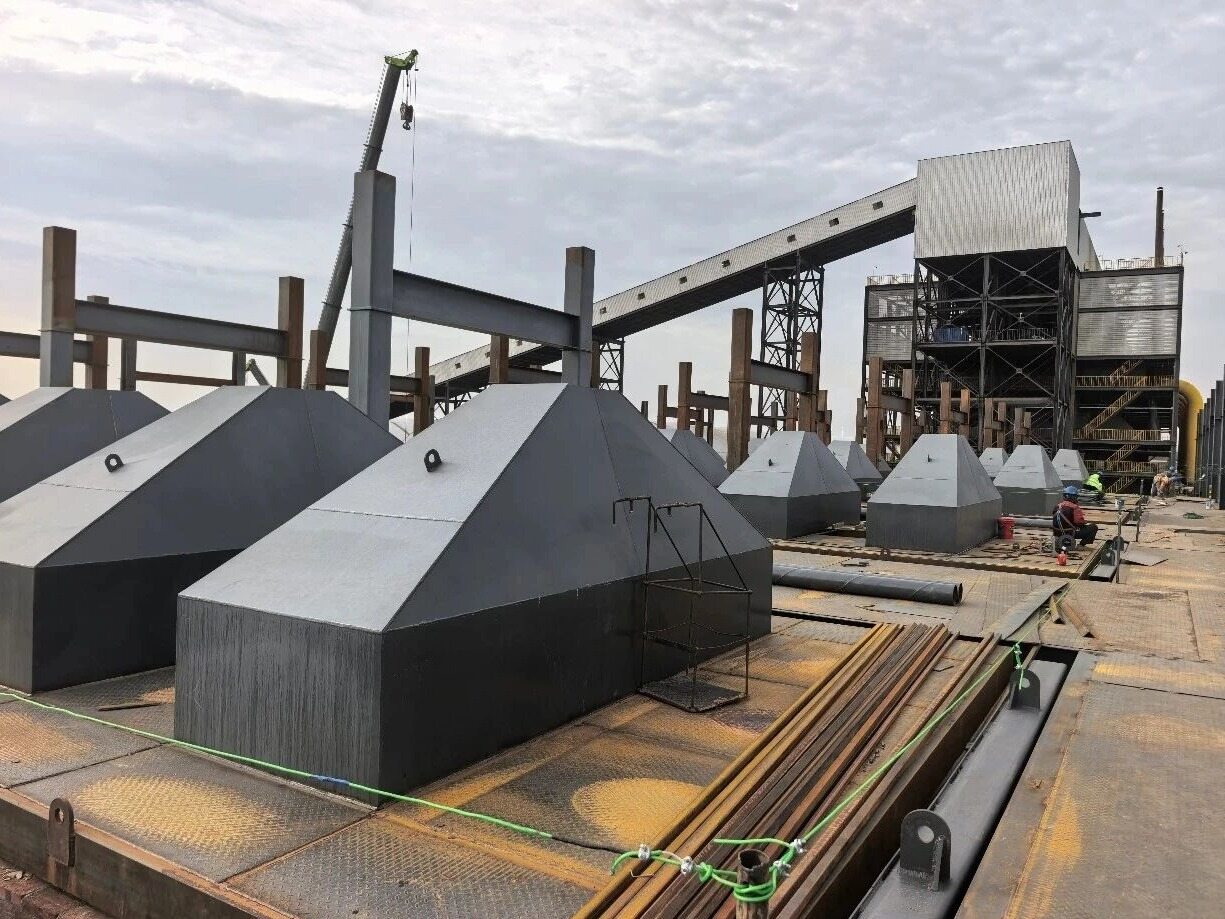
Egypt, which has abundant phosphate resources, can only export primary phosphate raw materials for a long time, and the development of high value-added industries lags behind. Now CNCEC has landed the Abuta phosphate plant project, filling the gaps in the local industry and helping the North African fertilizer industry chain to complete localization and upgrading. It also marks a new stage of deep cultivation for Chinese chemical industry going global.
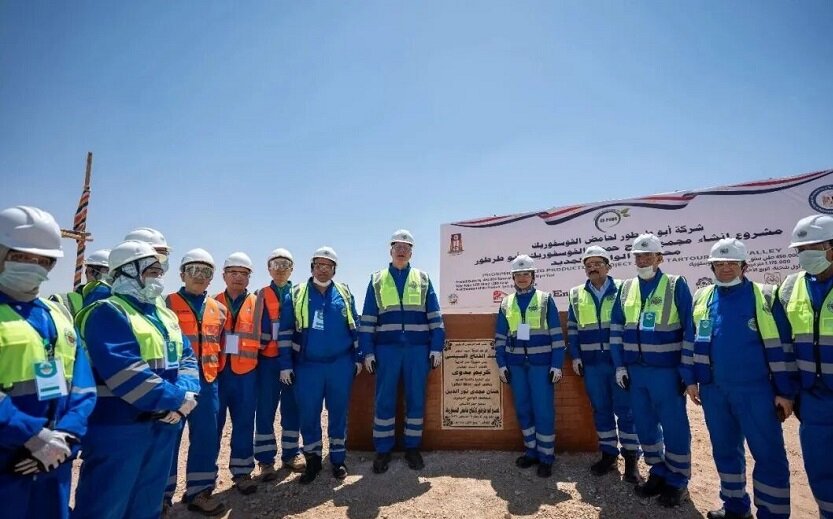
Activate local resources
Egypt has approximately 2.8 billion tons of proven phosphate reserves, ranking among the top in the world in terms of resource reserves, and is a major producer of core phosphate resources in North Africa. Due to technological shortcomings in the industry, the local phosphorus chemical industry has long remained at the level of exporting raw ore and rough processed products, unable to tap into the economic value of resources. The newly established Abuta phosphate plant relies on high-quality phosphate resources in the eastern desert of Egypt to create a comprehensive production base integrating mineral processing, phosphate production, and fertilizer processing. After the completion of the project, it can produce phosphate fertilizers and phosphate chemical products on a large scale, covering the domestic agricultural demand in Egypt, while radiating to overseas markets in Africa and the Middle East, effectively promoting the implementation of local mineral resource deep processing strategies, and driving employment and industrial upgrading.

Deeply cultivating the North African market
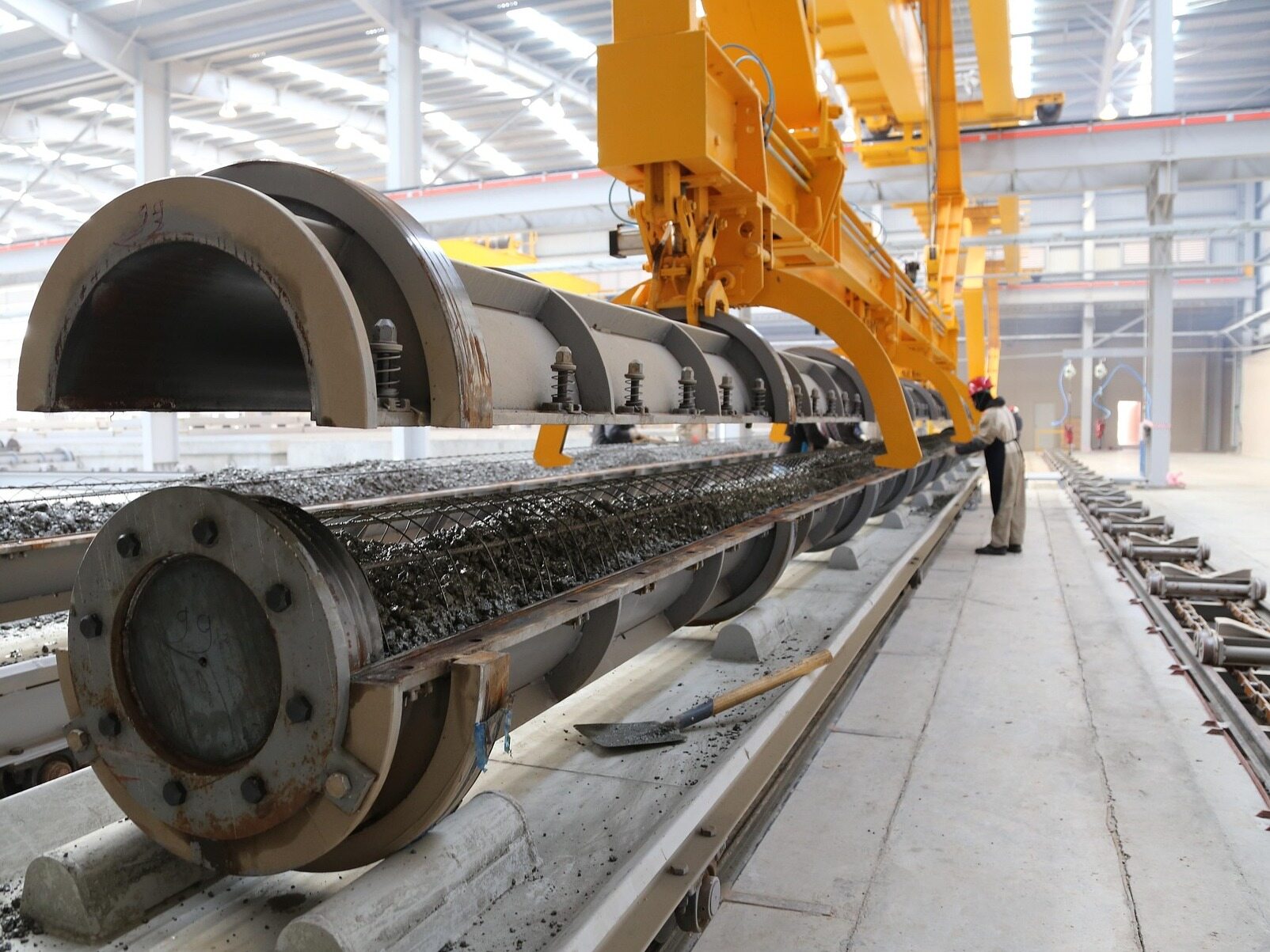
This groundbreaking project is a key milestone for CNCEC's layout in Egypt and an important breakthrough for the company to deepen its presence in the North African chemical market. As a core engineering enterprise, we have accumulated rich experience in localized operations in Egypt. To improve the regional industrial layout, six CNCEC enterprises announced on August 26th that they will build an equipment manufacturing base in the Suhena Industrial Zone in Egypt, with a planned production capacity of 20000 tons/year for steel structures, 400000 inches/year for prefabricated pipelines, and 10000 tons/year for modular construction. The base is expected to be completed by the end of 2027. Based on this base, enterprises can achieve on-site supporting construction and establish a complete industrial chain loop of design, procurement, manufacturing, and construction.
Unlock a new sea game
The current global fertilizer supply chain is accelerating its restructuring, and the demand for food security is increasing. The phosphorus chemical industry in North Africa is facing a transformation trend. Egypt, Morocco and other countries hold high-quality phosphate resources and are making every effort to promote the development of deep processing industries. With its location advantage, Egypt can radiate to the three major markets of the Middle East, Africa, and Europe, becoming a core pivot for Chinese chemical enterprises to go global. Keywords: phosphorus chemical industry going global, industrial chain upgrading, China Egypt cooperation
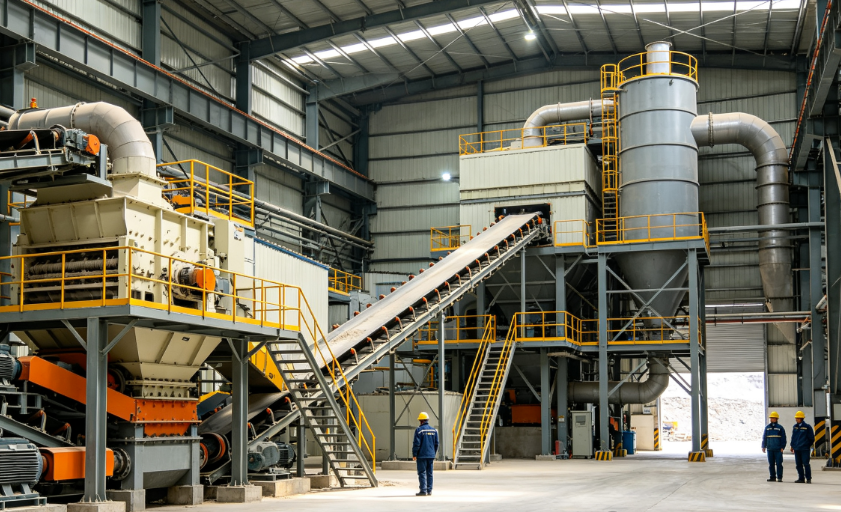
The resource plus engineering manufacturing collaboration model created by CNCEC connects the resource advantages of resource countries with the technological and production capacity advantages of Chinese enterprises, forming a stable value loop, providing a mature model for Chinese chemical enterprises to deeply cultivate the resource-based market in Africa, and continuously enhancing China's core position in the global phosphorus chemical supply chain.Editor/Min Jing
Comment




 Praise
 Collect
 Comment

 Share
Share


Write something~