 Search


- The integration of trade and investment between China and Central and Eastern Europe is expected to accelerate in the first half of 2026

In August 2026, a batch of agricultural and food products from Central and Eastern Europe were quickly cleared through the green channel in the customs declaration hall of Ningbo Customs. This is just a microcosm of the continued warming of bilateral trade. Data shows that the total trade value between China and Central and Eastern European countries in the first half of 2026 was 580.12 billion yuan, a year-on-year increase of 11%, and the trade scale has maintained growth for 10 consecutive years. From Xiamen lithium battery exports to Slovakia to Ningbo, the import of agricultural and food products from Central and Eastern Europe has increased by 70%. From Shandong Linglong Tire's Serbia base to Junsheng Electronics' Central and Eastern European factory, China's economic and trade cooperation with Central and Eastern Europe is moving from single trade to integrated trade and investment.

Accelerate the integration of trade and investment
In the first half of 2026, China and Central and Eastern European countries will import and export automobiles and spare parts worth 59.53 billion yuan, and import and export lithium batteries worth 30.01 billion yuan. Xiamen Customs has established a lithium battery work team, and the intelligent supervision system for exporting lithium battery packaging relies on artificial intelligence image recognition and big data algorithms. The average supervision time for a single batch has been reduced from 2 hours to 15 minutes. In the first seven months of this year, Fujian Province exported 4.53 billion yuan of lithium batteries to Central and Eastern European countries, a year-on-year increase of 1.8 times. Junsheng Electronics has multiple large production bases in Romania and Hungary, and its electronic production base in Central and Eastern Europe has doubled in scale. The production base of Shandong Linglong Tire Serbia will achieve mass production in 2024, and the export value of accessories in the first seven months of this year is about 64.77 million yuan.

Significant growth in agricultural and food product trade
In the first half of 2026, the total value of agricultural trade between China and Central and Eastern European countries was 7.58 billion yuan, a year-on-year increase of 16.2%, of which imports increased by 34.8%. Ningbo Customs has opened a green channel for customs clearance of goods in Central and Eastern Europe, providing appointment clearance and immediate inspection services. In the first half of the year, Ningbo imported agricultural products worth 110 million yuan from Central and Eastern European countries, a year-on-year increase of 71.9%. Xiamen Customs optimized the customs clearance process and implemented immediate reporting, inspection, and priority testing. In the first seven months of this year, Fujian exported 180 million yuan of food to Central and Eastern Europe, a year-on-year increase of 10.1%. Qingdao Customs has implemented a remote local inspection mode. In the first seven months of this year, Yantai Customs supervised the export of 41100 tons of pet food, a year-on-year increase of 43.2%. Keywords: the Belt and Road news, international trade, enterprise industry, digitalization
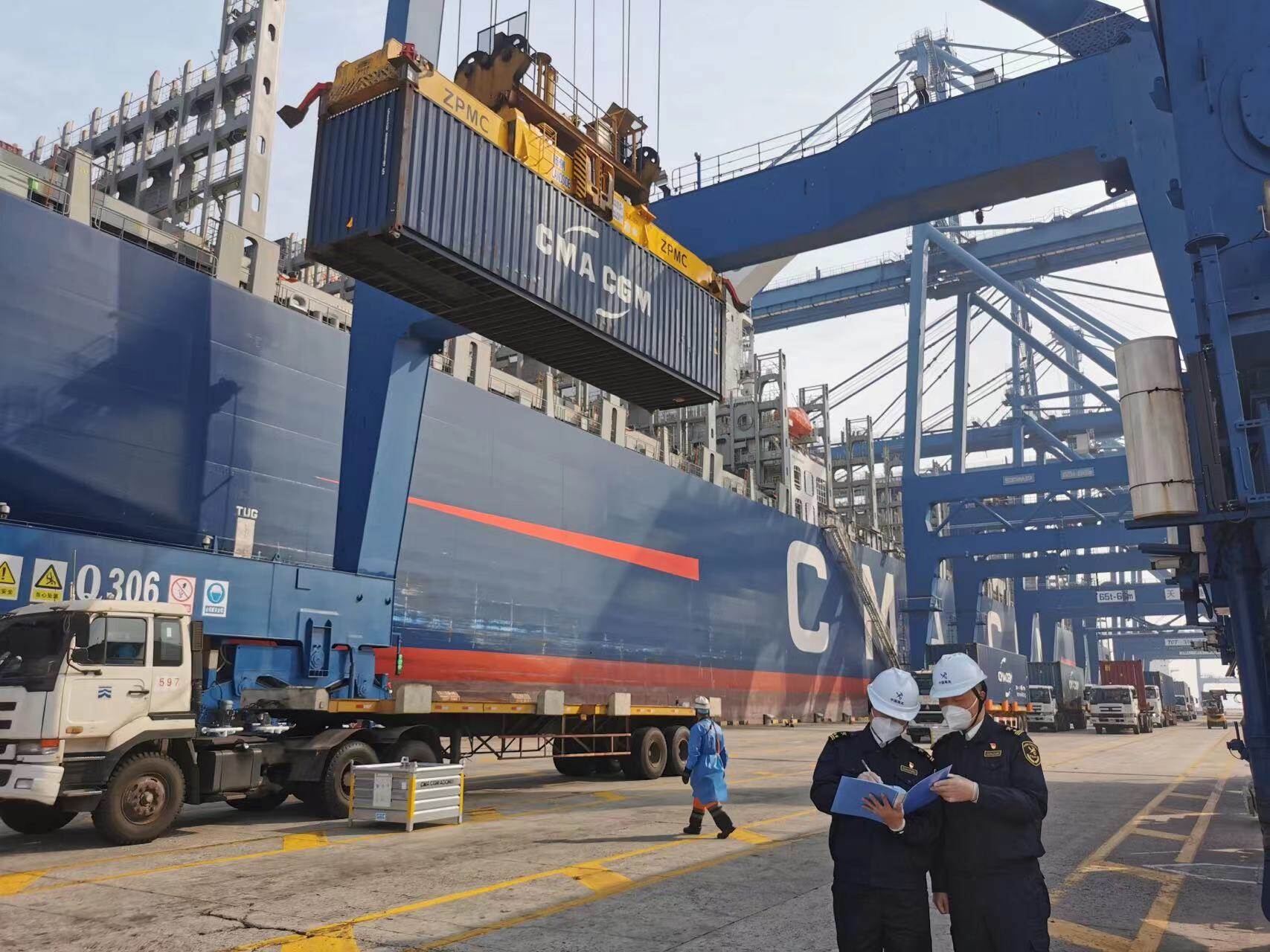
Empowering Information Services with Digital Intelligence
The China Central and Eastern European Countries Customs Information Center was established in Ningbo in April 2021, and has been continuously providing customs policy information exchange, trade monitoring and early warning, and consulting services for the past five years. Ningbo Customs has created a three in one service matrix that includes intelligent application support, policy information sharing, and precise enterprise consulting. It has pioneered the application scenarios of customs clearance for imported goods from Central and Eastern Europe and access information inquiry for agricultural and food products from Central and Eastern European countries. Qingdao Dagang Customs has established a special service team to provide one-on-one policy lectures and declaration guidance throughout the entire business process, and regularly review and update information on target market regulations in Central and Eastern Europe to achieve accurate delivery. The national TBT evaluation base has established an expert team to guide enterprises in accurately adjusting technical parameters. A total of 11 warning messages on technical and trade regulations in Central and Eastern European countries such as Greece and the Czech Republic have been issued, benefiting more than 50 canned food export enterprises. China and Central and Eastern Europe are making comprehensive efforts in economic and trade cooperation, from policy alignment and accelerated customs clearance to digital empowerment, promoting sustained growth in bilateral trade and investment.Editor/Gao Xue
Comment




 Praise
 Collect
 Comment

 Share
Share


Write something~