 Search


- BYD integrates transportation and energy storage to create a green city
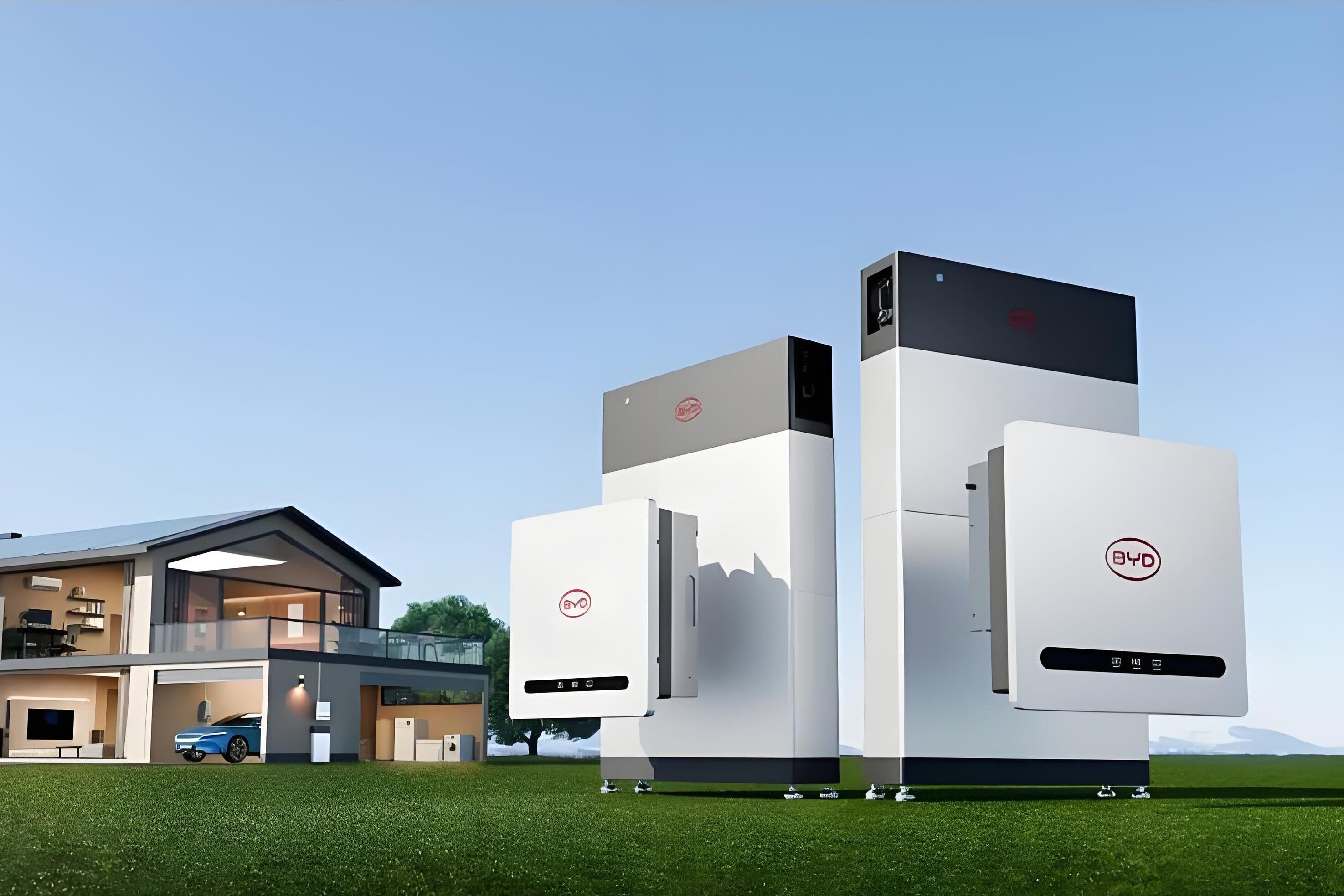
Recently, the capital of Mongolia, Ulaanbaatar, welcomed a special signing ceremony. BYD's Fudi Battery has officially signed a strategic cooperation memorandum of understanding with the Ulaanbaatar Municipal Government. Ulaanbaatar Mayor Plevdava and BYD Battery Deputy General Manager Zhao Tong have completed the signing as representatives of both parties. From electric vehicles to charging networks, from energy storage systems to Yunba rail transit, Chinese companies have for the first time presented a green city business card that integrates transportation, energy storage, and infrastructure to the North Asian market through a city level integrated solution output model.
Four major directions covering urban demand
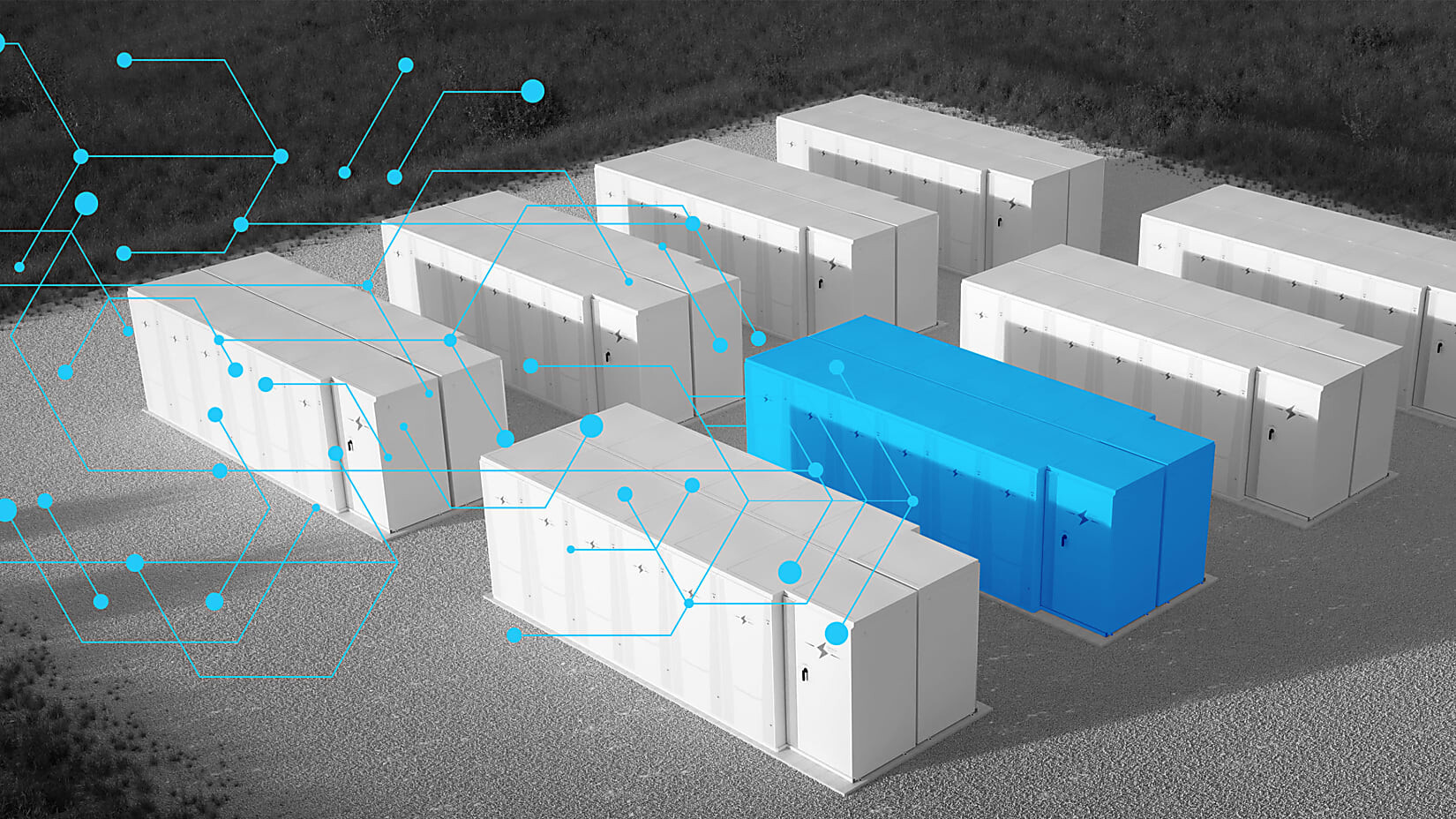
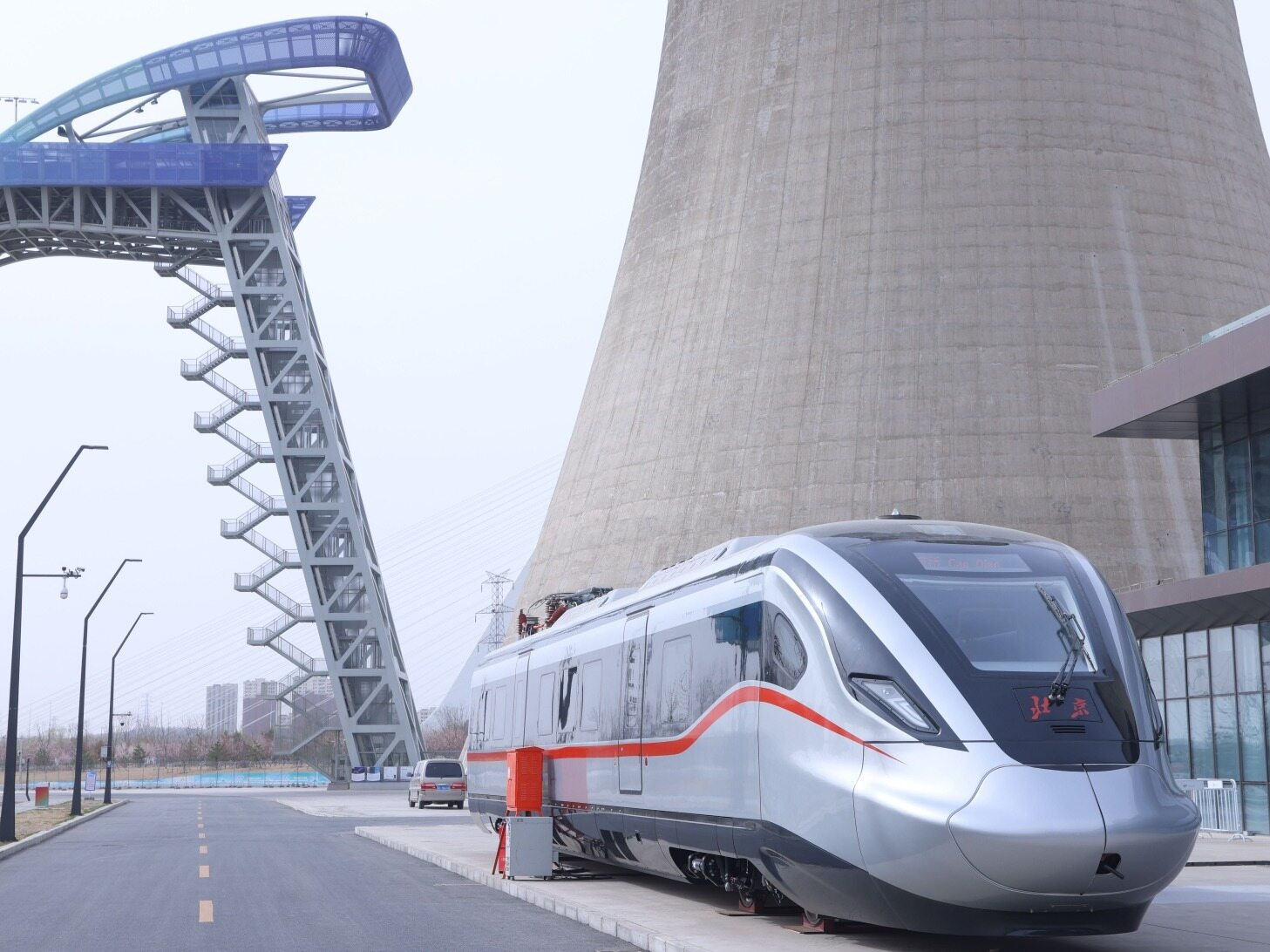
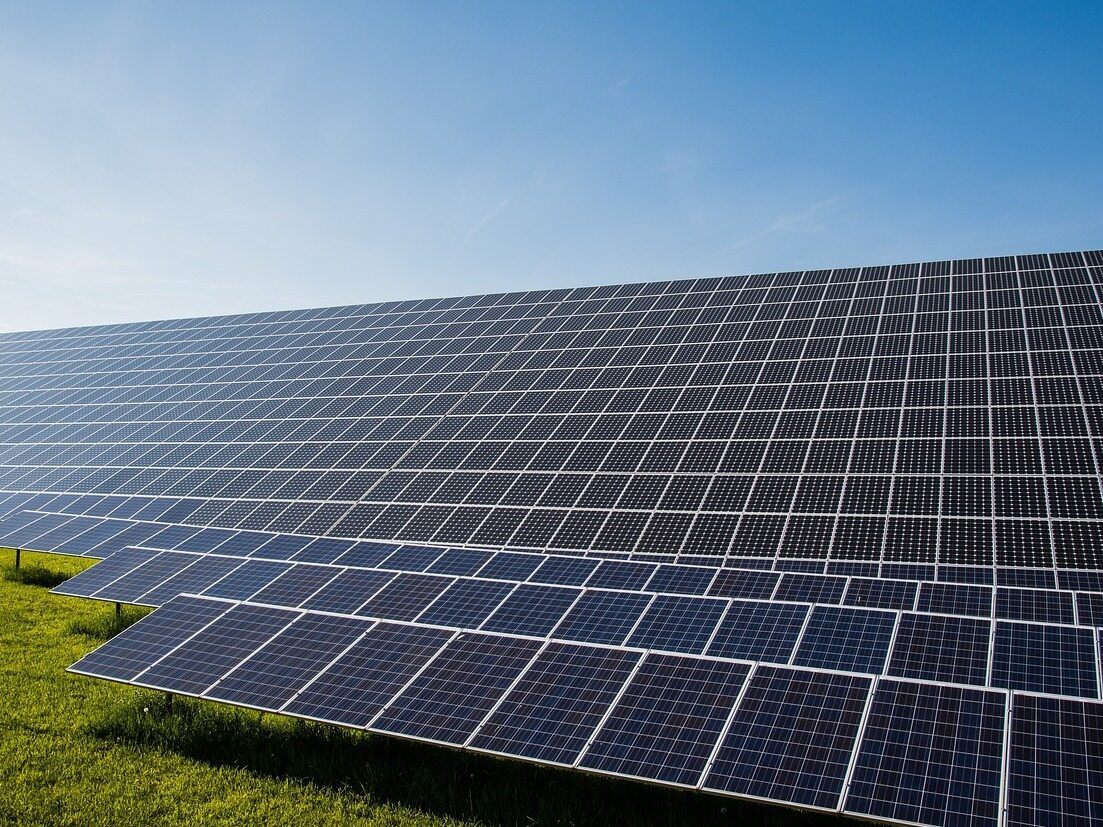
The memorandum outlines four major directions of cooperation. Promote electric vehicles on a large scale, gradually replace existing fuel vehicles in cities, optimize travel structures, and directly reduce carbon emissions in the transportation sector. Build a fast charging network for urban green stations, replicate the mature charging and swapping construction and operation experience in China, fill in the gaps in local new energy vehicle supporting facilities, and lay a hardware foundation for the popularization of electric vehicles. Implementing a battery energy storage system, participating in grid peak shaving through energy storage devices, smoothing out fluctuations in wind and solar power generation, and improving the overall power supply reliability of the city. Promote the implementation of Yunba smart rail transit, rely on BYD battery technology to improve the urban public transportation network, and enrich citizens' green travel choices. This signing is a framework agreement, and the specific investment amount and implementation schedule have not yet been finalized.
Seeking breakthroughs in high-altitude cities
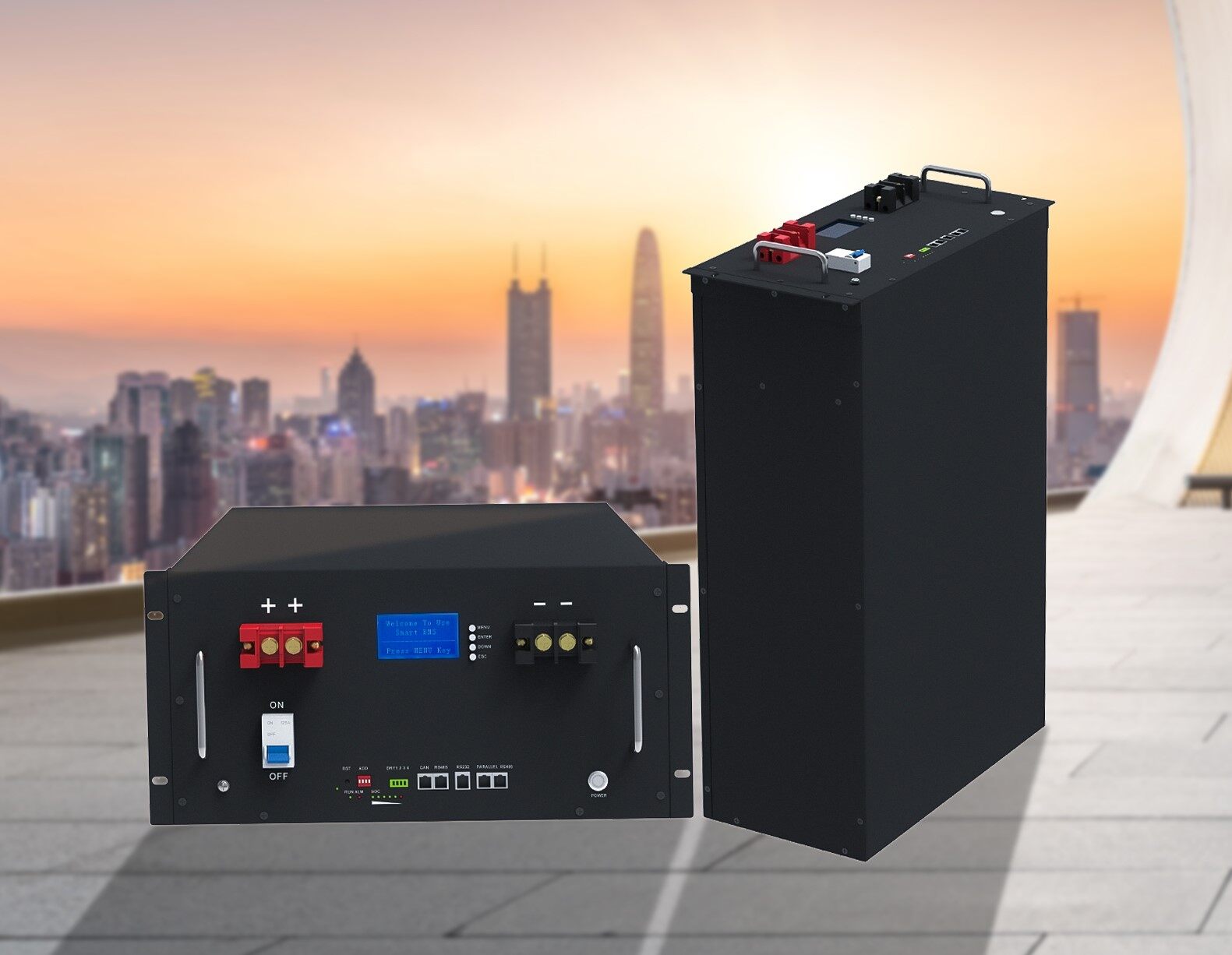
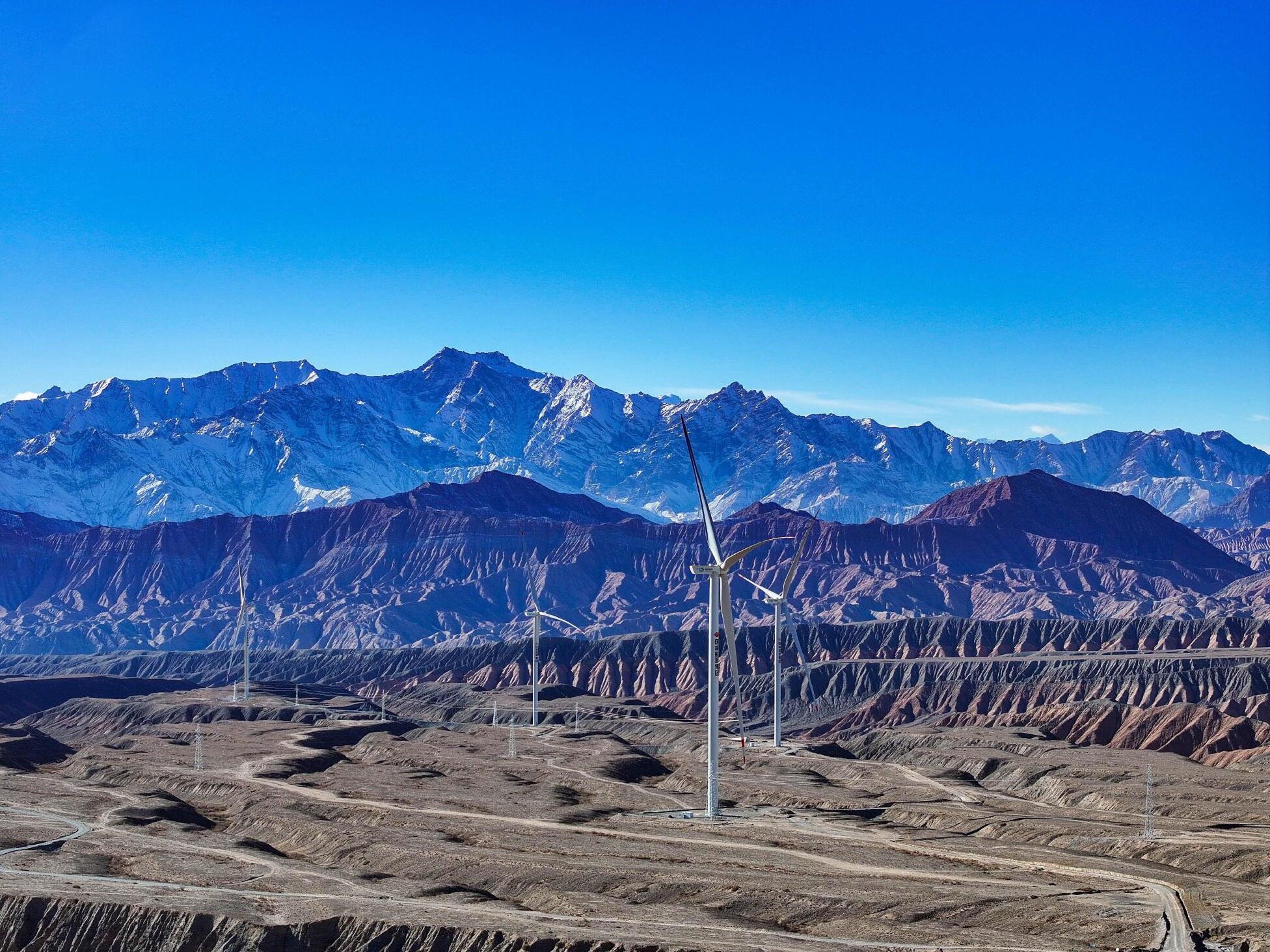
Ulaanbaatar has long faced dual challenges of energy and environment. Mongolia has abundant reserves of wind and solar resources, but the urban power grid has insufficient peak shaving capacity, and the stability of power supply is often challenged. During the long winter, temperatures often drop below minus 20 degrees Celsius, and a large number of residents rely on coal-fired heating, leading to prominent air pollution problems. The structure of urban public transportation and motor vehicle travel urgently needs to be upgraded, with low ownership of new energy vehicles and a huge gap in charging infrastructure. The shortcomings of energy storage facilities directly restrict the consumption of renewable energy. BYD's energy storage business has implemented large-scale energy storage projects in multiple markets such as the Middle East and Southeast Asia, accumulating engineering experience in extreme temperature environments. The severe cold climate in Mongolia will test the battery temperature control and system low-temperature reliability. Keywords: the Belt and Road news, enterprise industry, battery, new energy

Sample upgrade of overseas mode
In the past, China's energy storage and new energy exports were mostly carried out in the form of independent orders, with projects being mutually independent. BYD's output this time is a comprehensive urban solution covering multiple product lines including power battery energy storage, charging infrastructure, complete vehicles, and rail transit, representing the upgrading of the overseas model of domestic new energy enterprises. Mongolia has abundant scenic resources, but its industrial chain manufacturing and supporting operation and maintenance are relatively weak, requiring external technical solution input. If the framework cooperation is successfully transformed into practical engineering, it can not only help Ulaanbaatar alleviate pollution and improve energy supply, but also precipitate complete solutions for new energy in high-altitude regions, providing practical samples for similar cities in North Asia. From the framework memorandum to the physical project, there are still practical challenges such as policy processes, financial conditions, and high-altitude operation and maintenance. The market should not be overly optimistic about the short-term landing pace. With the advancement of global carbon neutrality, more and more overseas cities hope to obtain systematic solutions. China and Mongolia have broad prospects for deepening cooperation in the field of green energy based on their geographical advantages.Editor/Gao Xue
Comment


 Praise
 Collect
 Comment

 Share
Share


Write something~