 Search


- China Arab Energy Cooperation Iterative Upgrade, Moving from Upstream Mining to Coordinated Development of the Entire Industry Chain
- Multiple Chinese funded enterprises have signed intensive contracts and deeply participated in the transformation of Algeria's energy industry
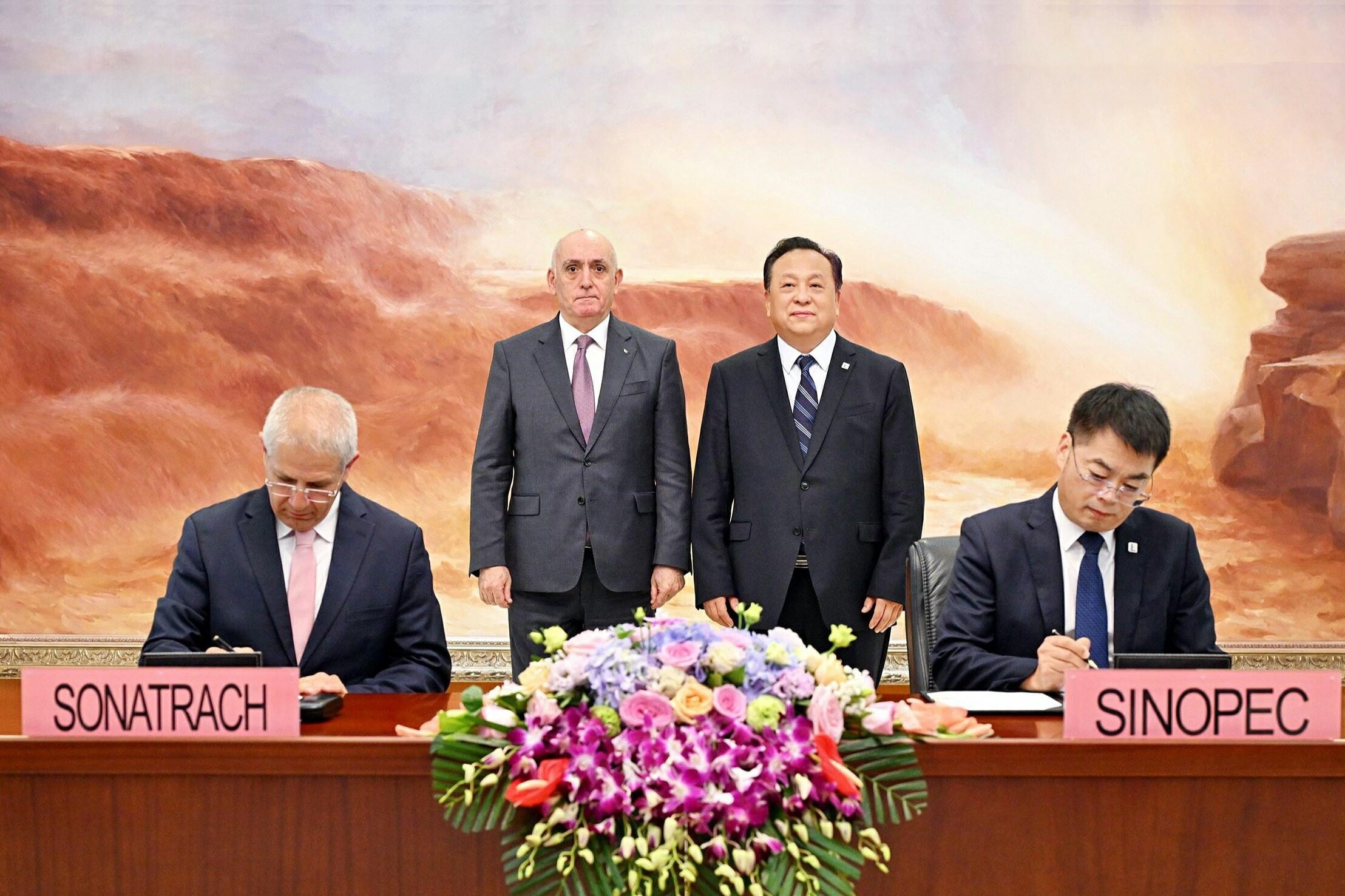
The winds of the Sahara sweep across the Gulf of Algiers, quietly reshaping the map of China Arab energy cooperation. From single oil and gas extraction to deep cultivation of the entire industry chain, the handshake between Sinopec and Algeria interweaves the weight of traditional energy with the lightness of new energy, paving a mutually beneficial and win-win transformation path on the land of North Africa.
Collaborate to achieve multidimensional upgrades
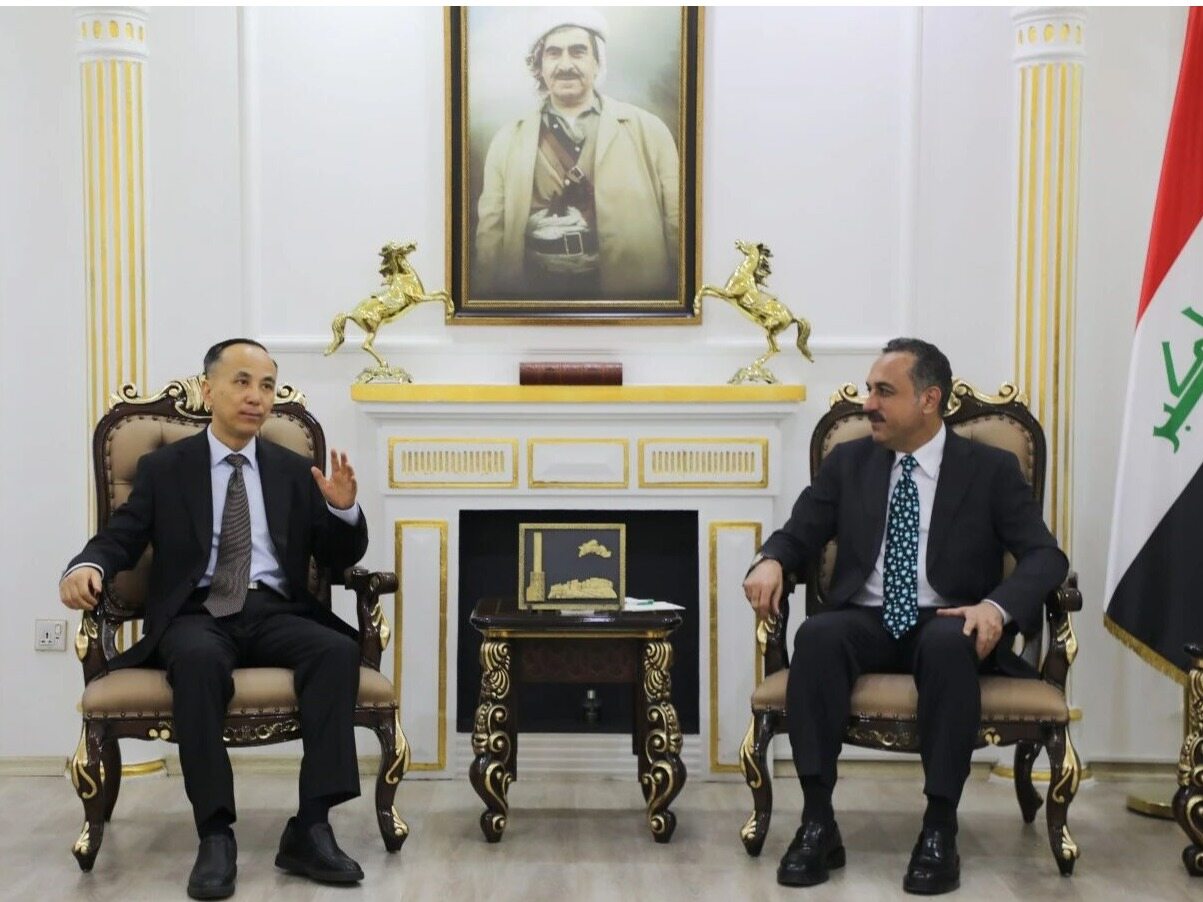
On August 28, 2026, Sinopec and Algerian National Oil and Gas Company held high-level talks in Beijing and signed a memorandum of understanding on strategic cooperation. Compared with the 2024 basic cooperation framework, this agreement has been upgraded, and cooperation has moved beyond traditional upstream oil and gas development to extend to areas such as full industry chain operation, high-end petrochemical deep processing, new energy, and local technology cultivation.
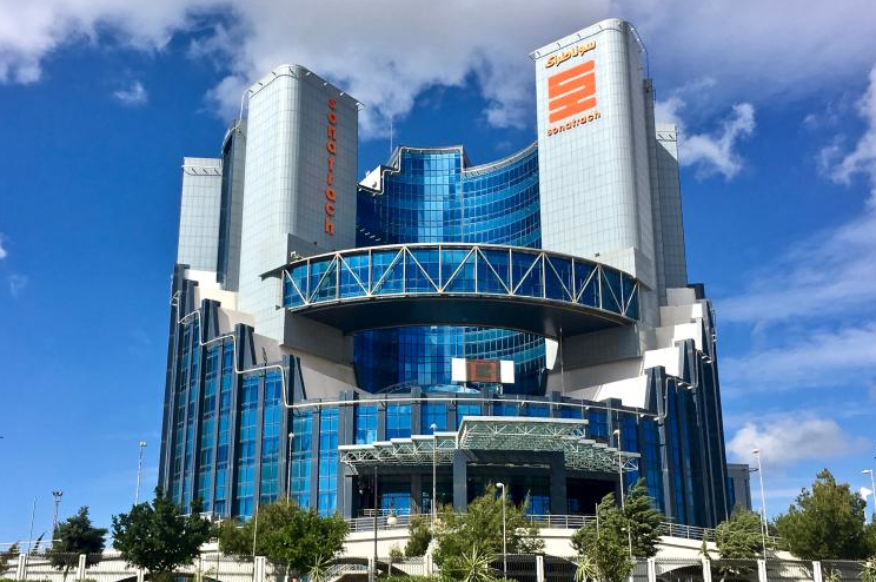
Sinopec and the senior management team of Afghan enterprises have conducted in-depth consultations, reached consensus on oil and gas resource development, technological breakthroughs, engineering equipment, new energy, and talent transportation, and stabilized the bilateral energy cooperation system. On August 29, 2026, Antong Oilfield Service Group also signed a memorandum of understanding with the Afghan enterprise, focusing on unconventional oil and gas evaluation, oilfield extraction, and local equipment industrialization construction.
Business covers multiple tracks
In the past, energy cooperation between China and Algeria focused on upstream mining. The new memorandum establishes a full chain cooperation system, which meets the development needs of Algeria's energy transformation and industrial chain improvement. In terms of oil and gas business, both parties jointly develop conventional and unconventional oil and gas, solve complex reservoir technology problems, revitalize existing blocks, tap into the potential of new areas, and ensure stable local oil and gas production capacity. The petrochemical sector focuses on high value-added tracks such as helium recovery and fine petrochemical products. Algeria has large reserves of associated helium gas, but due to technological limitations, it is difficult to develop on a large scale. China can export purification technology to release the value of the resources.
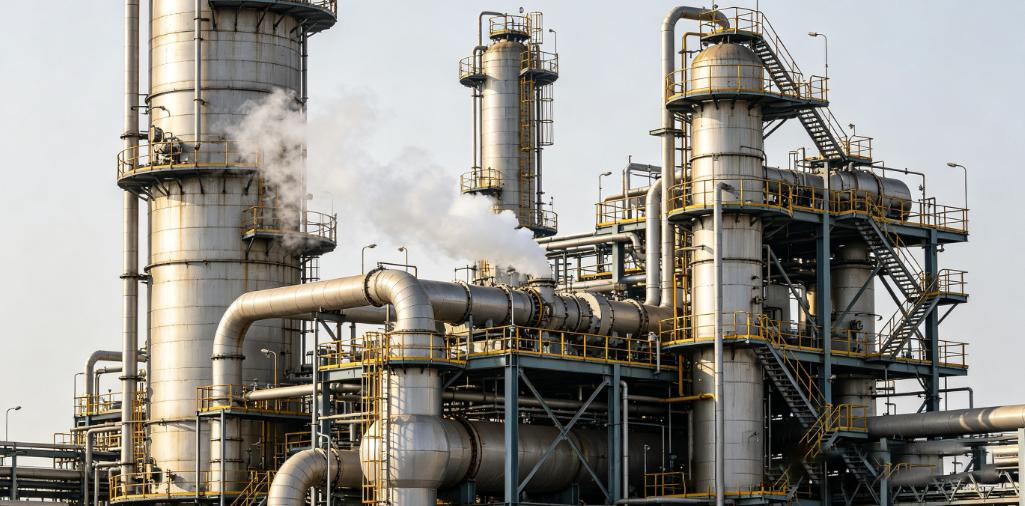
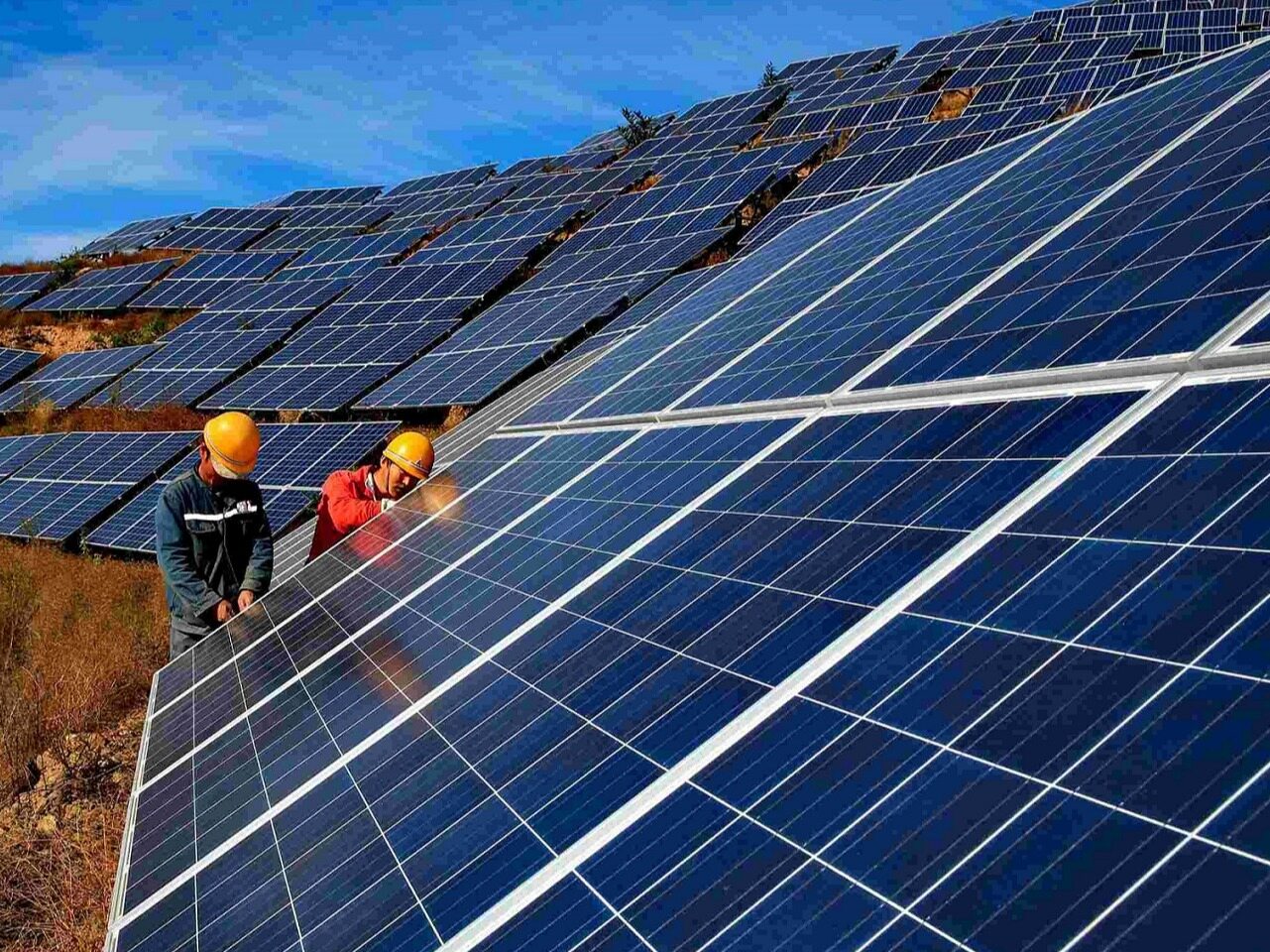
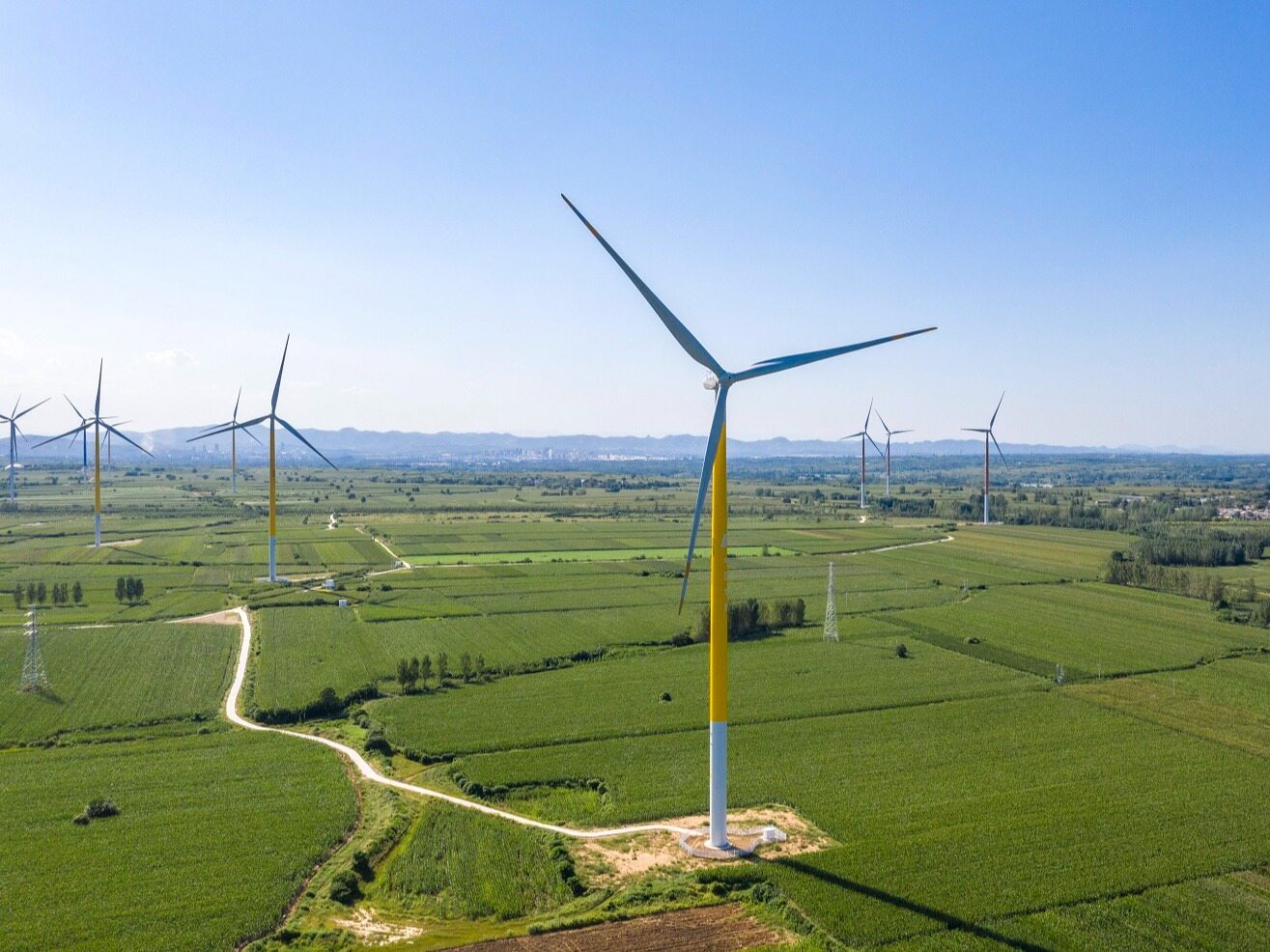
In terms of engineering services, Sinopec Refining and Chemical Engineering continues to promote multiple local EPC key projects, strictly benchmarking international safety and environmental standards, providing integrated construction and operation services, and improving refining infrastructure. This cooperation has added a large amount of new energy related content, including oilfield photovoltaics, low-carbon transformation of old oil fields, digital operation and maintenance, methane emission reduction, local talent cultivation, etc., to promote the integrated development of traditional oil and gas and new energy.
Reshaping the energy landscape in North Africa
With abundant oil and gas resources and an open policy, Algeria is a key oil and gas country in North Africa and an important pivot for Chinese enterprises to layout in Africa. Since entering the market in 2002, China Arab cooperation has bid farewell to scattered short-term projects and shifted towards long-term full chain industrial cooperation. The HBAN block project will be launched in February 2025 with a total investment of 850 million US dollars, serving as a benchmark for external cooperation under local regulations. Chinese capital is also expanding its refining engineering business, with new contracts worth 2.058 billion US dollars signed in 2025, accelerating project progress. Keywords: China Arab Energy Cooperation, EPC Engineering, Oil and Gas
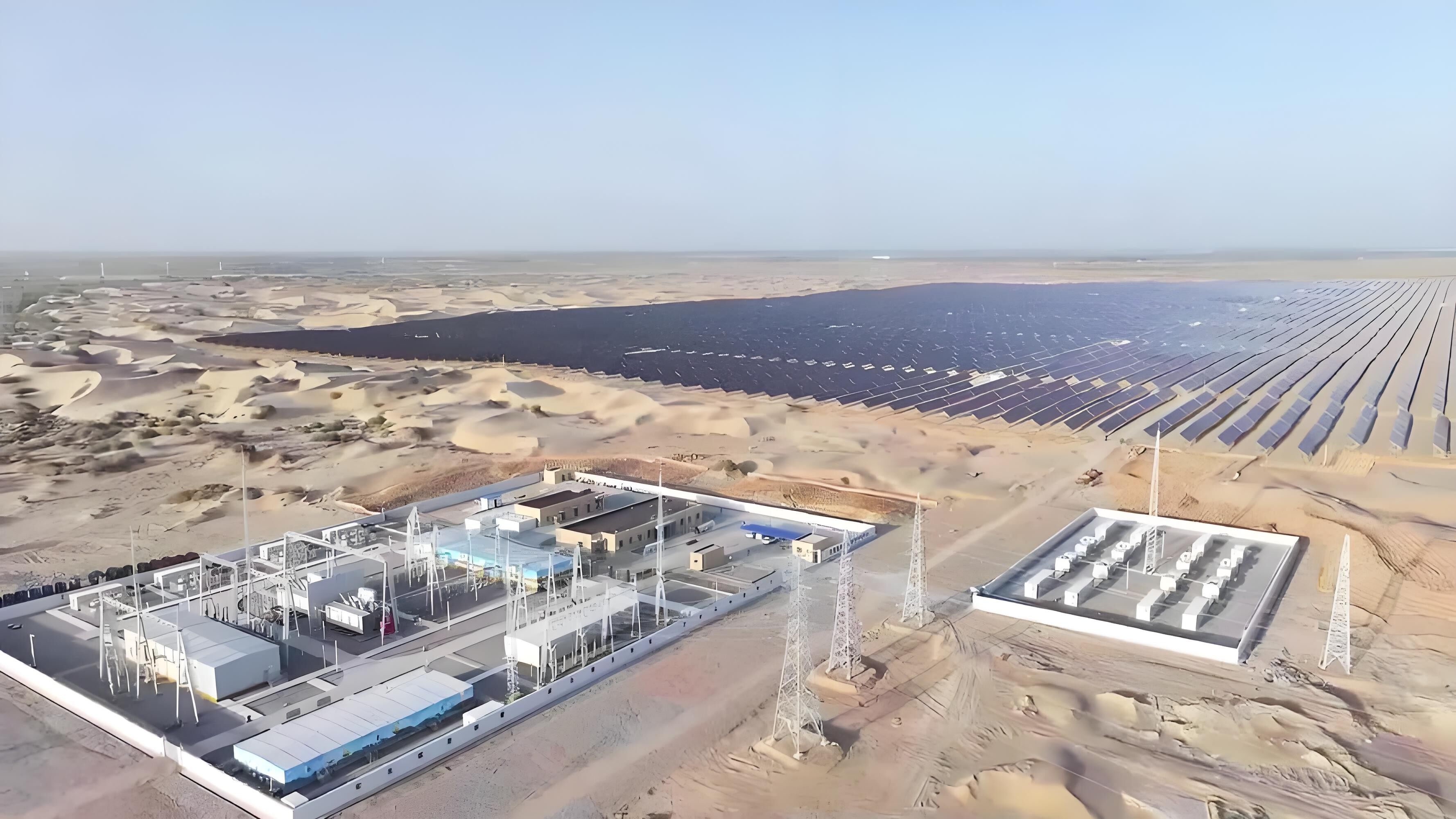
Chinese enterprises have transformed from single operators and engineering contractors to foreign-funded entities with full industry chain service capabilities. The local energy plan for 2026-2030 will invest 60 billion US dollars in developing industries, and Chinese funded EPC general contracting, helium purification, low-carbon transformation of oil fields and other technologies will match its industrial upgrading demands. The enterprise adheres to localized operation, exports technology, cultivates local talents, and creates a sustainable cooperative ecosystem. Under the adjustment of the global energy landscape, Algeria is shifting from resource exports to local value-added development. Chinese capital relies on its technological and engineering advantages to deeply participate in its industrial upgrading and solidify its competitive position in the North African market.Editor/Gong Ziwei
Comment

 Praise
 Collect
 Comment

 Share
Share


Write something~