 Search


- Xinjiang has built the largest provincial-level ultra-high voltage backbone power grid in China
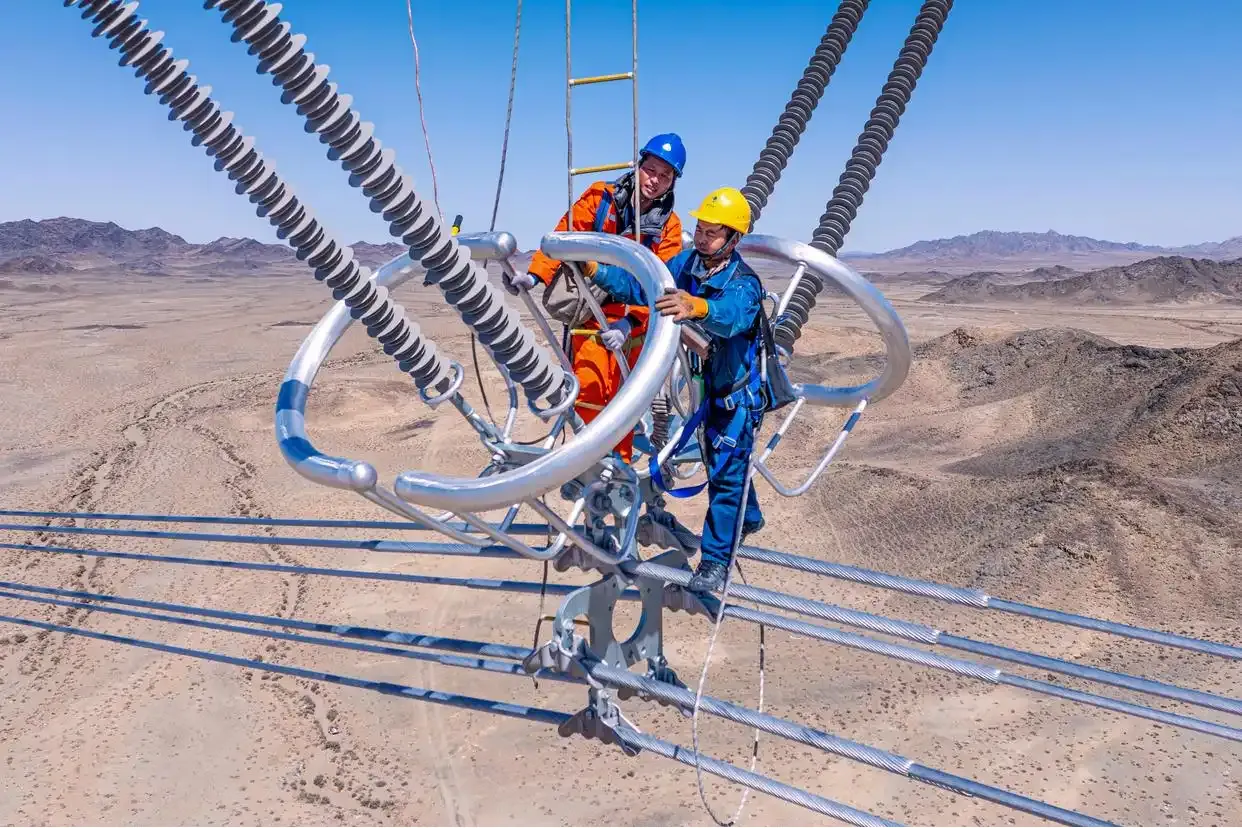
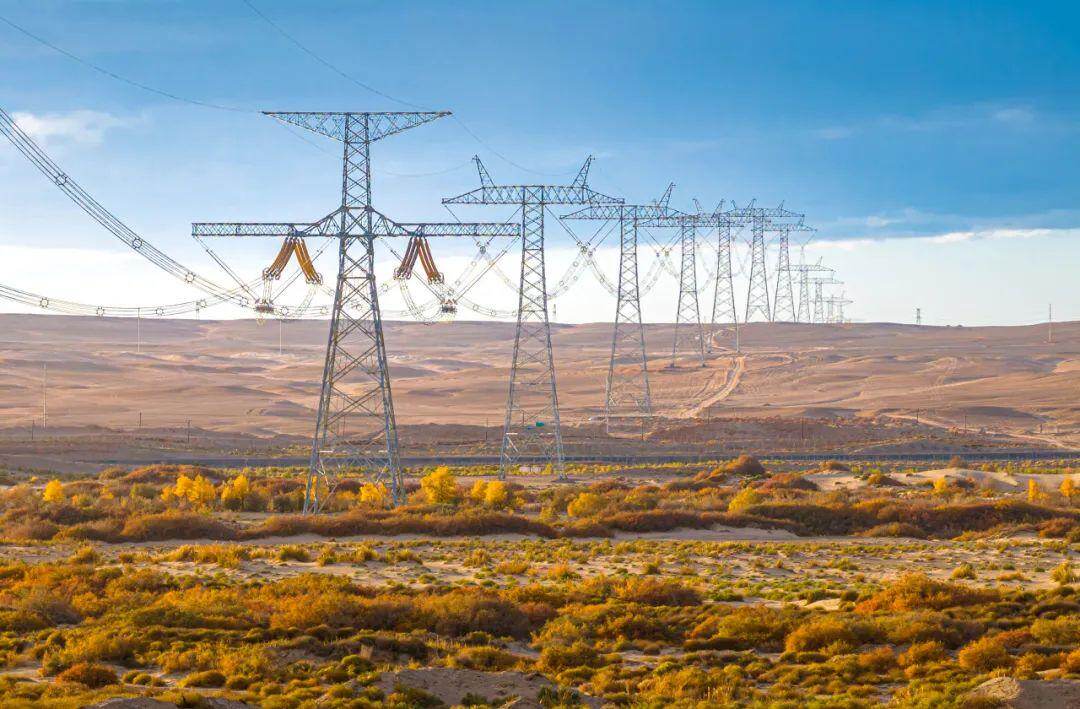
The wind on the Gobi Desert blows over the sand dunes of Taklamakan, and the silver wire of the 750 kV transmission tower extends along the outline of the Tianshan Mountains, connecting wind power in eastern Xinjiang, thermal power in northern Xinjiang, and photovoltaic power in southern Xinjiang into a giant network without any interruptions.
On August 27, 2026, the 2 × 660000 kW coal-fired power 750 kV transmission project in Kashgar, southern Xinjiang was officially put into operation, and the total length of 750 kV transmission lines in Xinjiang exceeded 15000 kilometers. This province, which has the largest number of 750 kV substations and the longest line mileage in the country, has officially built a high-speed power grid that connects the north and south of the Tianshan Mountains and links the national power grid.
Over the past decade, we have built and laid the foundation for an ultra-high voltage backbone network
The construction of the 750 kV power grid in Xinjiang officially began in 2008 when the Phoenix Wubei power transmission and transformation project was put into operation. In 2010, the first channel connecting Xinjiang and the northwest main grid was completed, and the Xinjiang power grid was officially integrated into the national power grid. The locally enriched coal and wind power resources were transmitted on a large scale across regions for the first time.
In 2016, the Yili Kuche I power transmission and transformation project was put into operation, and Xinjiang basically formed a 750 kV main grid structure; In 2025, the power transmission and transformation project around the Tarim Basin will be put into operation, and the largest 750 kV ultra-high voltage ring network in China will be formed.
Currently, Xinjiang has built 39 750 kV substations and 120 transmission lines, with a north-south span of 3300 kilometers and an east-west span of 2200 kilometers. This has completely solved the contradiction between the reverse distribution of local energy resources and electricity load, which is rich in the north and scarce in the south, with more in the east and less in the west. Compared to traditional 220 kV lines, the single circuit transmission capacity of 750 kV lines is increased by 5 to 10 times, and the transmission distance is increased by 3 to 5 times, laying a solid hardware foundation for long-distance and high-capacity power transmission.
Intelligent operation and maintenance support for global power mutual assistance
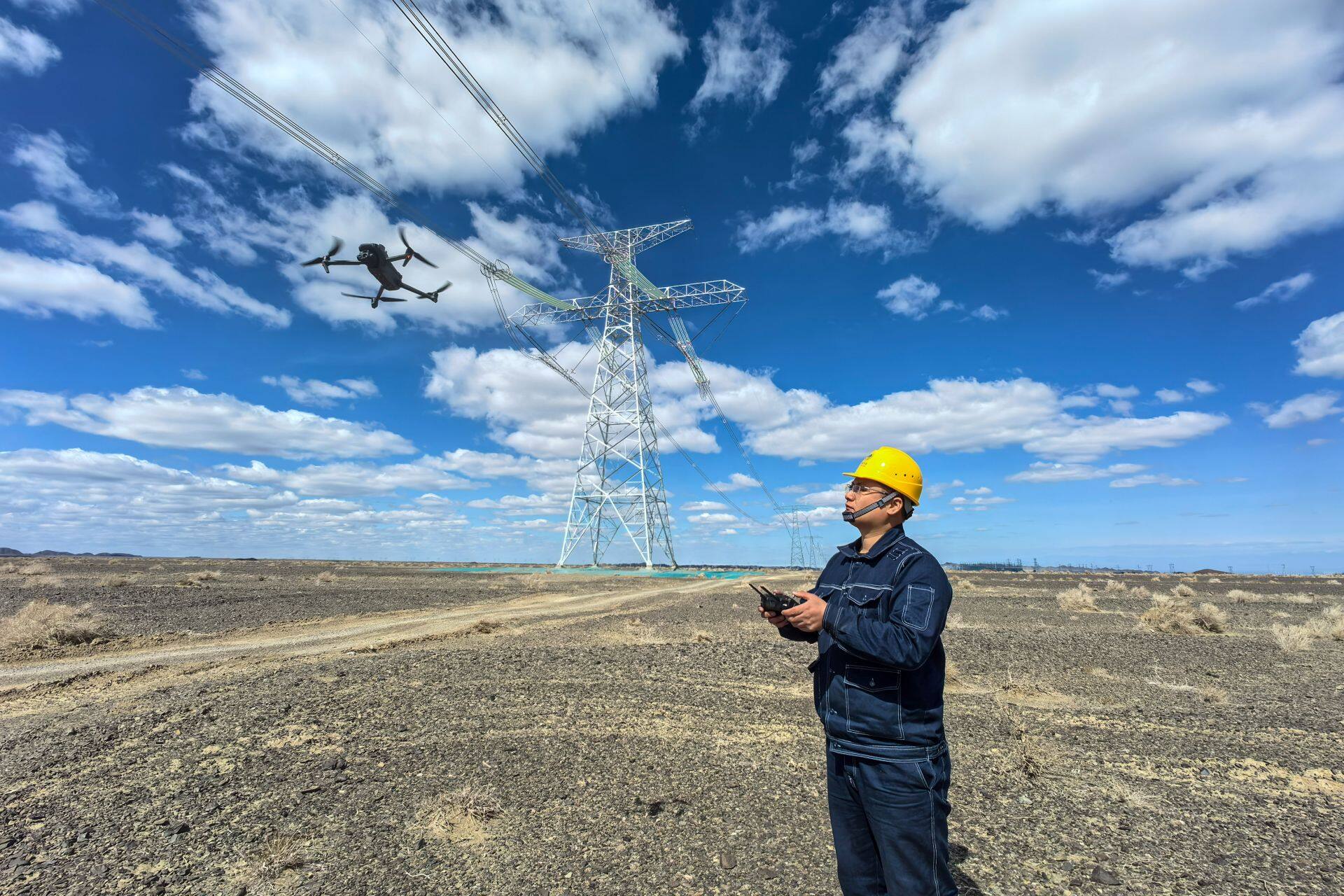
Faced with the arduous operation and maintenance pressure brought by the line crossing the Gobi Desert and steep mountains, State Grid Xinjiang Electric Power has implemented an integrated operation and maintenance mode of "three-dimensional inspection+centralized monitoring", achieving full coverage of autonomous inspection of 750 kV lines by unmanned aerial vehicles, deploying 9598 sets of intelligent monitoring devices such as icing and micro meteorology, and processing 1.5 million pieces of various warning information annually to ensure the safe and stable operation of the power grid through digital means.
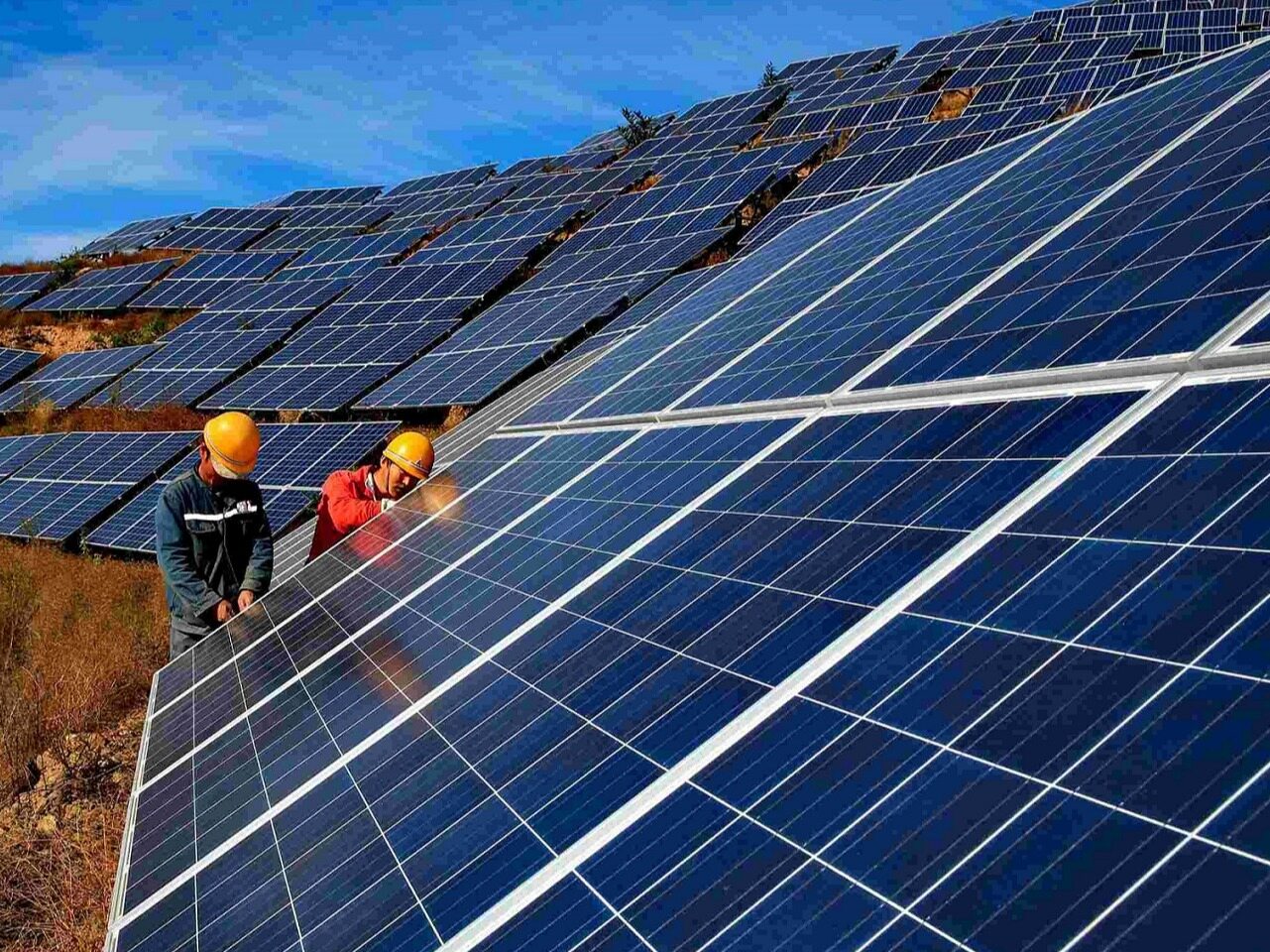
Relying on this strong network, the thermal power generation in northern Xinjiang, the wind and solar power generation in eastern Xinjiang, and the photovoltaic power generation in southern Xinjiang have achieved comprehensive mutual assistance. The transmission capacity of the transmission section in northern and southern Xinjiang has been greatly improved, and the transmission section in eastern Xinjiang has entered the tens of millions of kilowatts level. Xinjiang has formed a main grid structure of "eight ring network for internal supply and five channels for external transmission", with a cross regional transmission capacity of 33 million kilowatts. As of the end of July 2026, Xinjiang's cumulative external power transmission exceeded 1.1 trillion kilowatt hours. From January to July, Xinjiang's external power transmission reached 96.955 billion kilowatt hours, a year-on-year increase of 23.12%, setting a new historical high for the same period. Among them, the proportion of new energy external power transmission reached 37.82%. Keywords: Xinjiang Energy
In the future, Xinjiang will also coordinate and promote multiple ultra-high voltage and extra high voltage power grid projects, continuously improve the layout of the grid, and is expected to build a main grid with three crossings and six straight transmission lines by 2030. The power transmission capacity of Xinjiang will be increased to 60 million kilowatts, providing a continuous supply of Xinjiang green power for the national energy transformation.Editor/Cheng Liting
Comment




 Praise
 Collect
 Comment

 Share
Share


Write something~