 Search


- The expansion of Jeddah Port will drive the demand for supporting facilities such as post port warehousing and logistics
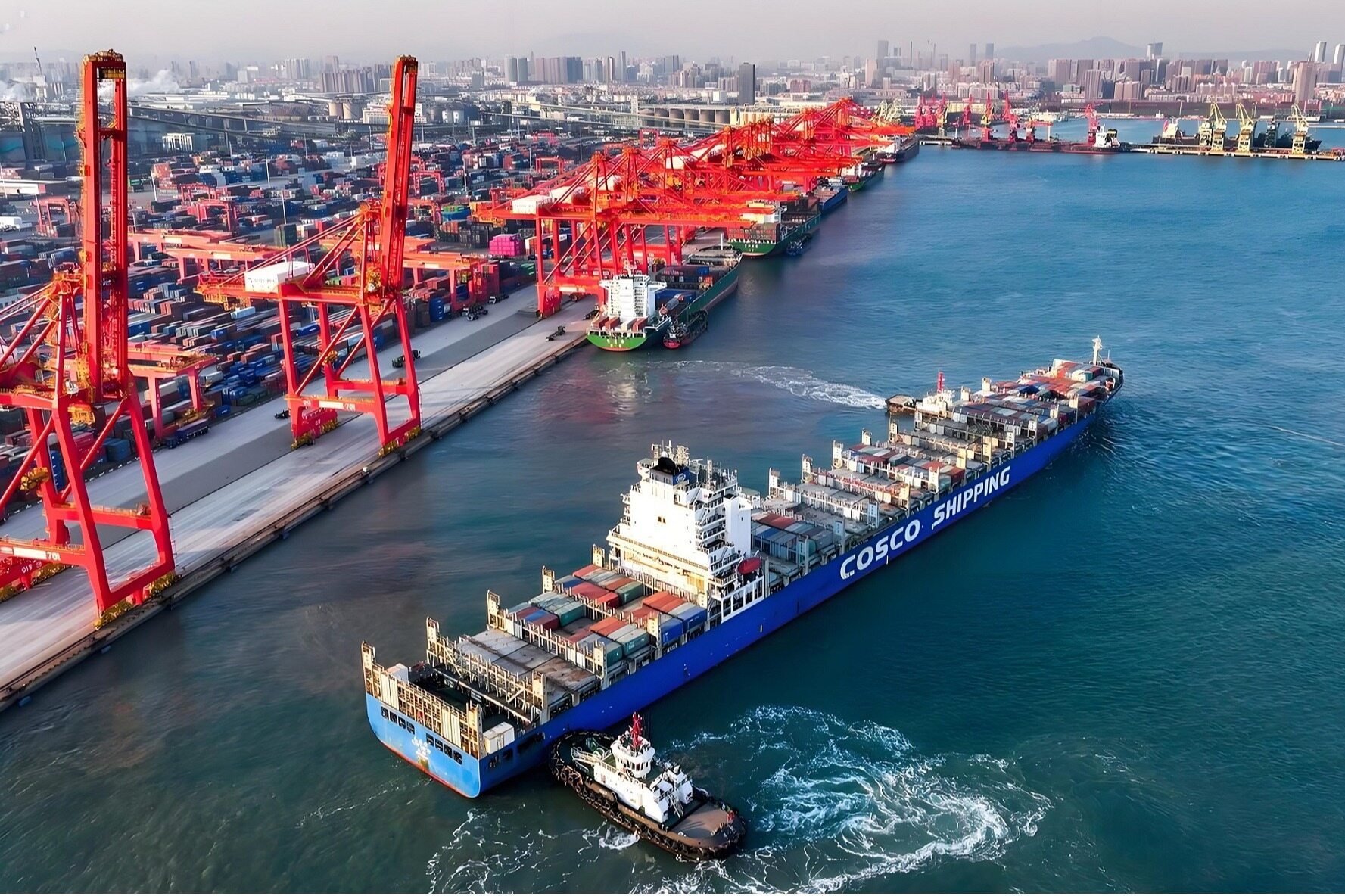
Recently, Saudi Arabia's Red Sea Gateway Terminal Company signed an agreement with France's Dafei Group to jointly develop and operate Jeddah Islamic Port Terminal 4, with a project investment of approximately 1.6 billion Saudi riyals, equivalent to approximately 434 million US dollars. Jeddah Port is located on the east coast of the Red Sea, serving as the entry gateway for 75% of Saudi Arabia's imported goods and the largest transit hub in the Red Sea. Its annual cargo throughput is expected to reach 130 million tons in 2024. Along with the expansion of large ports, there is a growing demand for post port supporting services such as warehousing, distribution, cold chain, maintenance, and bonded processing. An industrial chain extending from the port to the hinterland is being opened up. For Chinese companies, the real opportunity often lies not in the berths and cranes at the port itself, but in the demand behind the port.
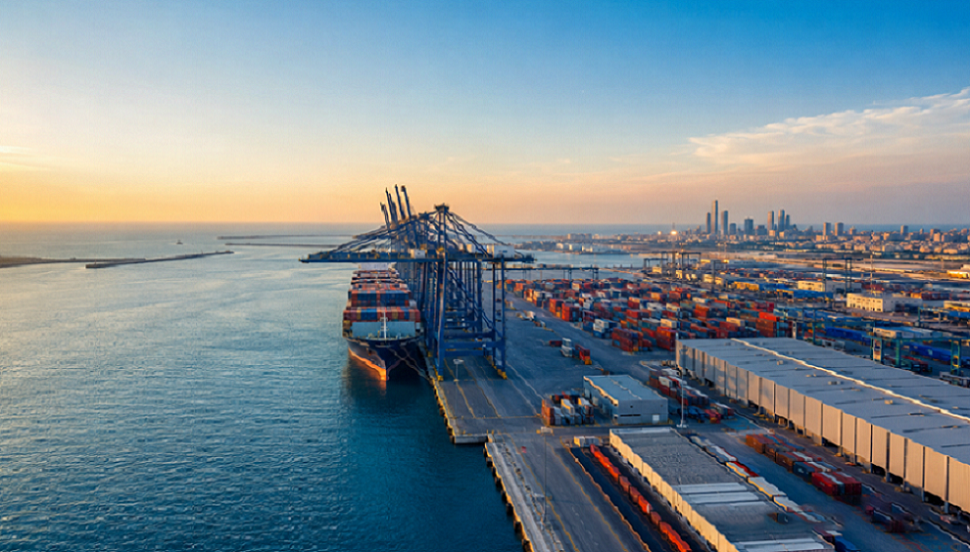
Port expansion accumulates post port demand
Jeddah Islamic Port is the oldest and largest comprehensive port in Saudi Arabia, with 2 waterways and 62 berths, capable of accommodating 19800 standard containers, covering 13% of global maritime trade volume, and serving 500 million consumers. The Terminal 4 project is jointly promoted by RSGT and Dafei Group, with an investment of approximately 1.6 billion riyals, focusing on improving container handling capacity and automation level. After the expansion of the South Container Terminal in 2025, the annual processing capacity has been increased to 4 million TEUs, and automated yard equipment and digital management systems have been introduced. After the expansion of the port, the demand for supporting facilities such as storage yards, warehouses, cold chain, customs clearance, maintenance, bonded processing, commercial exhibitions, and urban distribution will continue to be released, forming a complete industrial chain from the port to the hinterland.
Hormuz disturbance enhances the strategic value of Jeddah
In March 2026, the risk of obstruction in the Strait of Hormuz prompted Gulf countries to accelerate their search for alternative routes, with more trade turning to Saudi Red Sea ports and UAE east coast ports. As a core gateway along the Red Sea coast, Jeddah Port is a key node connecting Europe, Africa, and the Mediterranean in Saudi Arabia, and its strategic position continues to rise. Saudi Arabia is turning Jeddah into a larger gateway to deliver goods to Riyadh, Mecca, Medina, and broader Gulf markets. The importance of the Fujairah Port, Suhar Port, land port, oil pipeline, and railway connection projects is increasing simultaneously. Gulf countries are shifting from relying on a single channel to building a backup channel system, and the layout of multiple nodes such as ports, pipelines, railways, and land ports is accelerating. Keywords: Middle East News Network, ports, infrastructure
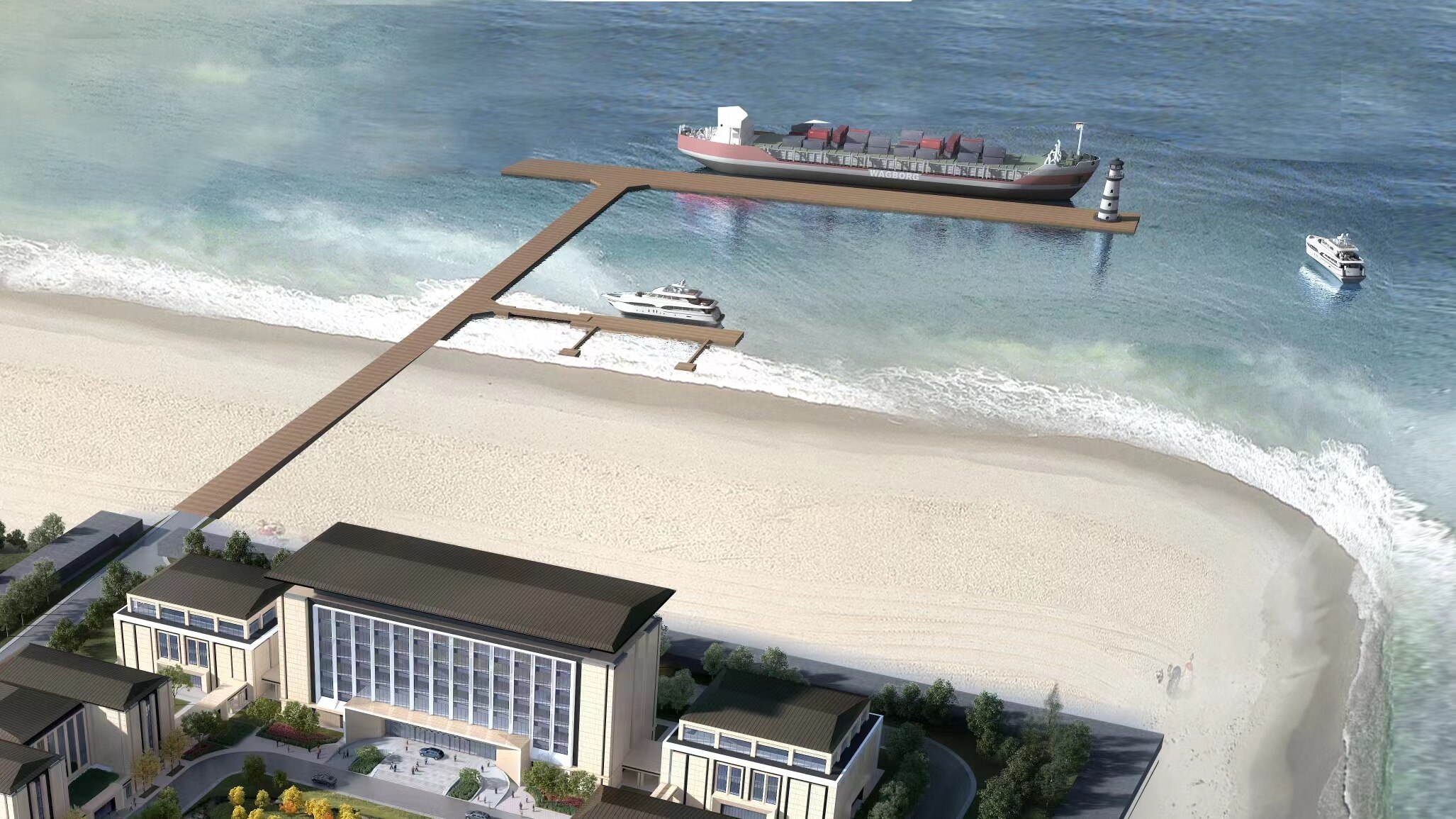
Post port economy unleashes long-term demand
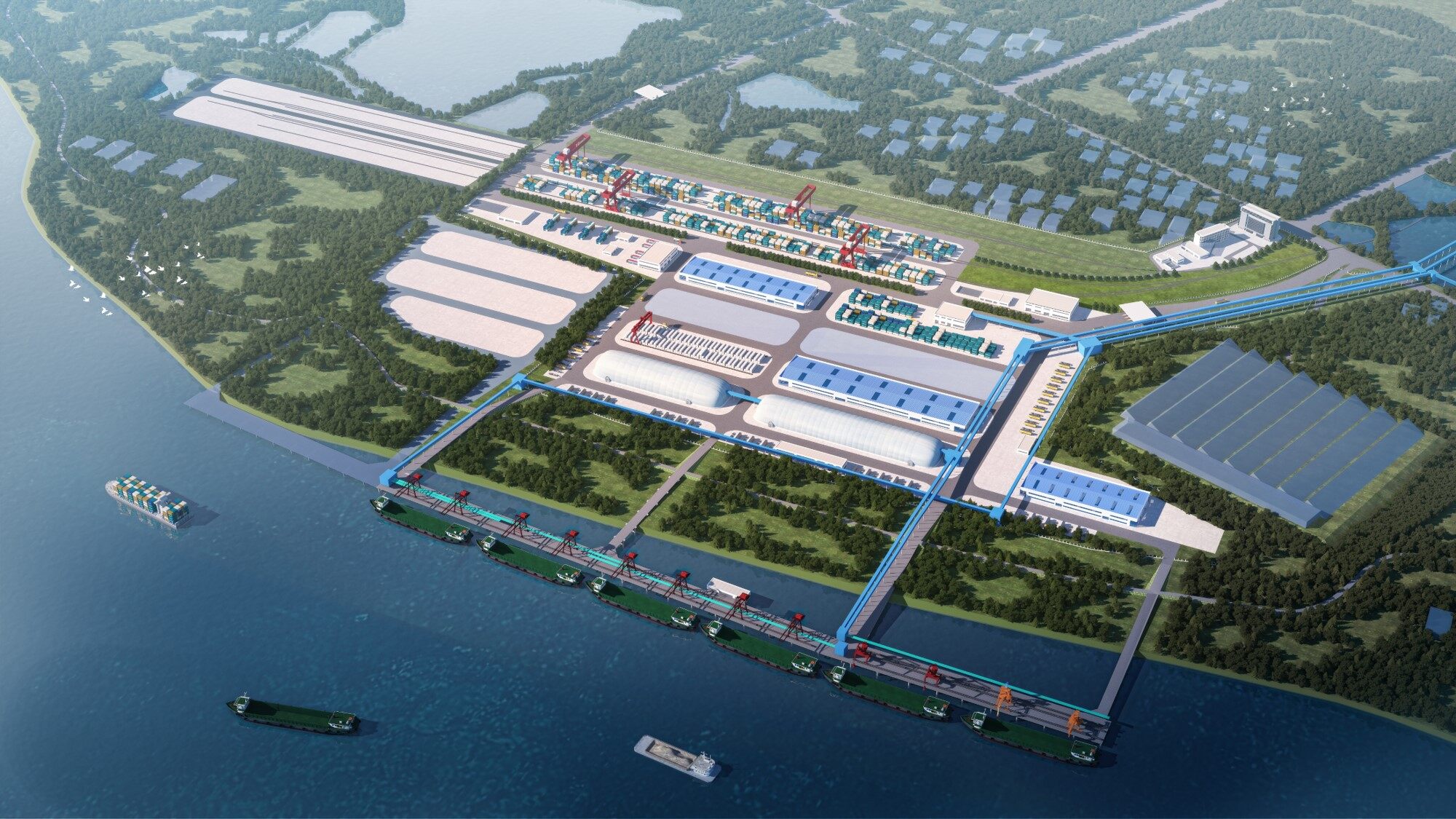
A dock expansion, with waterways, berths, yards, and automation systems in the front, followed by warehousing, distribution, cold chain, customs clearance, maintenance, bonded processing, commercial display, and urban distribution. For Chinese enterprises, automation, security, fire protection, lighting, and digital systems in port areas and warehouses are direct entry points. There is a continuous demand for industrial flooring, anti-corrosion, fireproof, and insulation materials required for storage yards, warehouses, cold chains, and bonded zones. Container maintenance, equipment upkeep, spare parts supply, and local technical services are long-term tracks. Decoration and design services for logistics parks, exhibition halls, office buildings, and commercial spaces are also worth paying attention to. The harbor environment has heavy salt spray and high humidity, and steel structure anti-corrosion, warehouse wear-resistant flooring, exterior wall protection, and equipment identification coating are long-term high-frequency requirements. Gulf countries are shifting from cheaper transportation to resilient logistics. Whoever can make goods flow faster and industries more willing to stay can move from a single order to sustained business. In the future, Middle Eastern projects will not only rely on quotations, but also on the ability to provide local stocking, fast after-sales service, and long-term maintenance. The new logistics landscape is reshaping business opportunities in the Middle East.Editor/Gao Xue
Comment

 Praise
 Collect
 Comment

 Share
Share


Write something~