 Search


- Cross border railway expands mutually beneficial cooperation channels between China and Mongolia
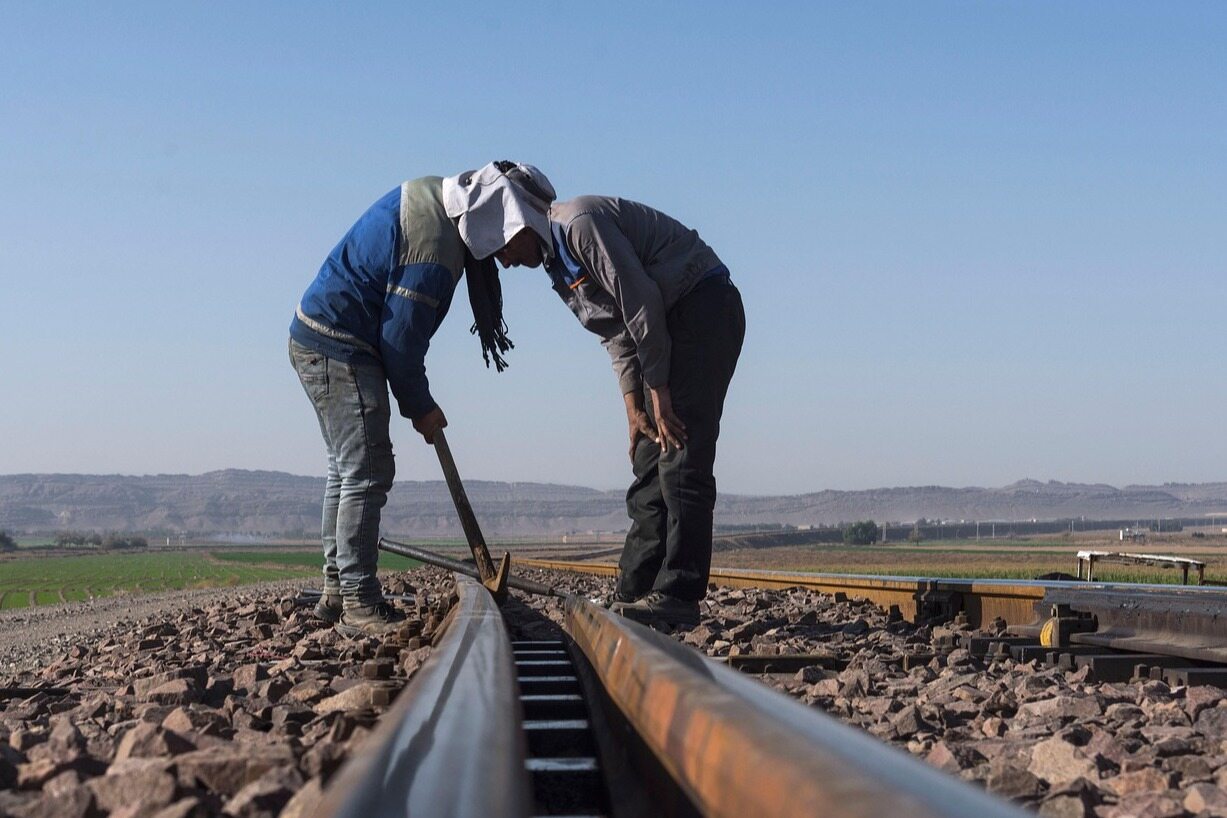
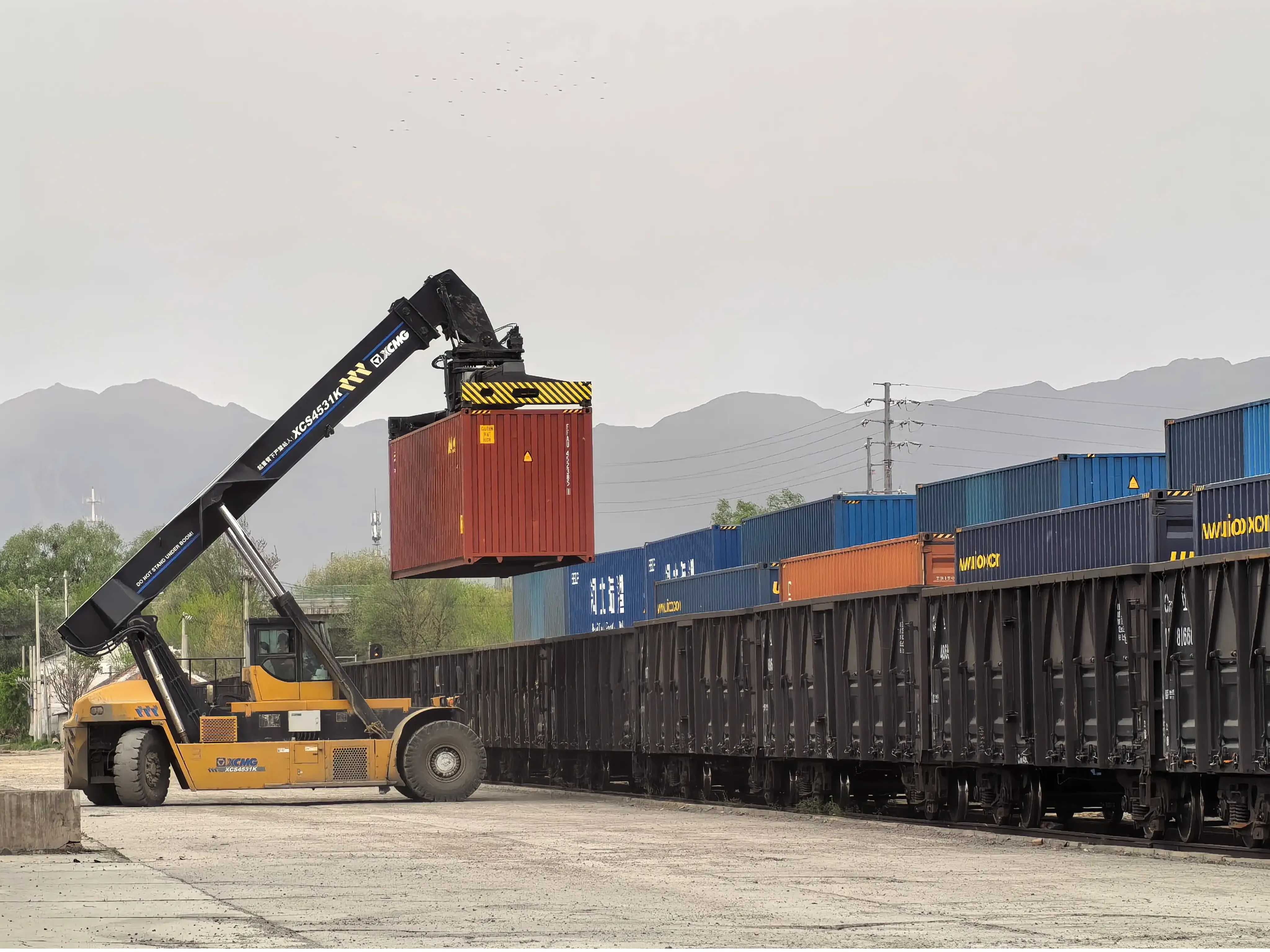
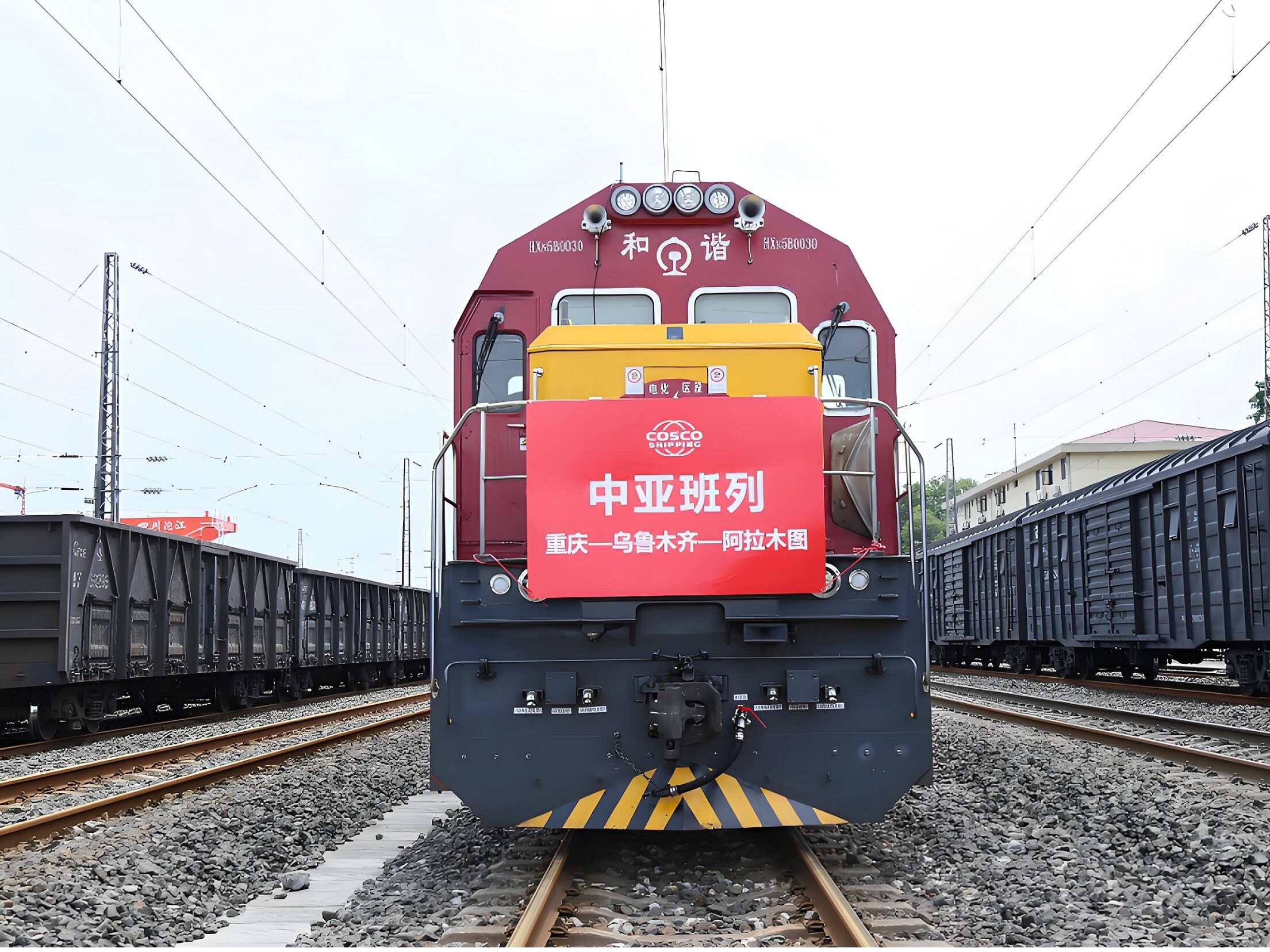
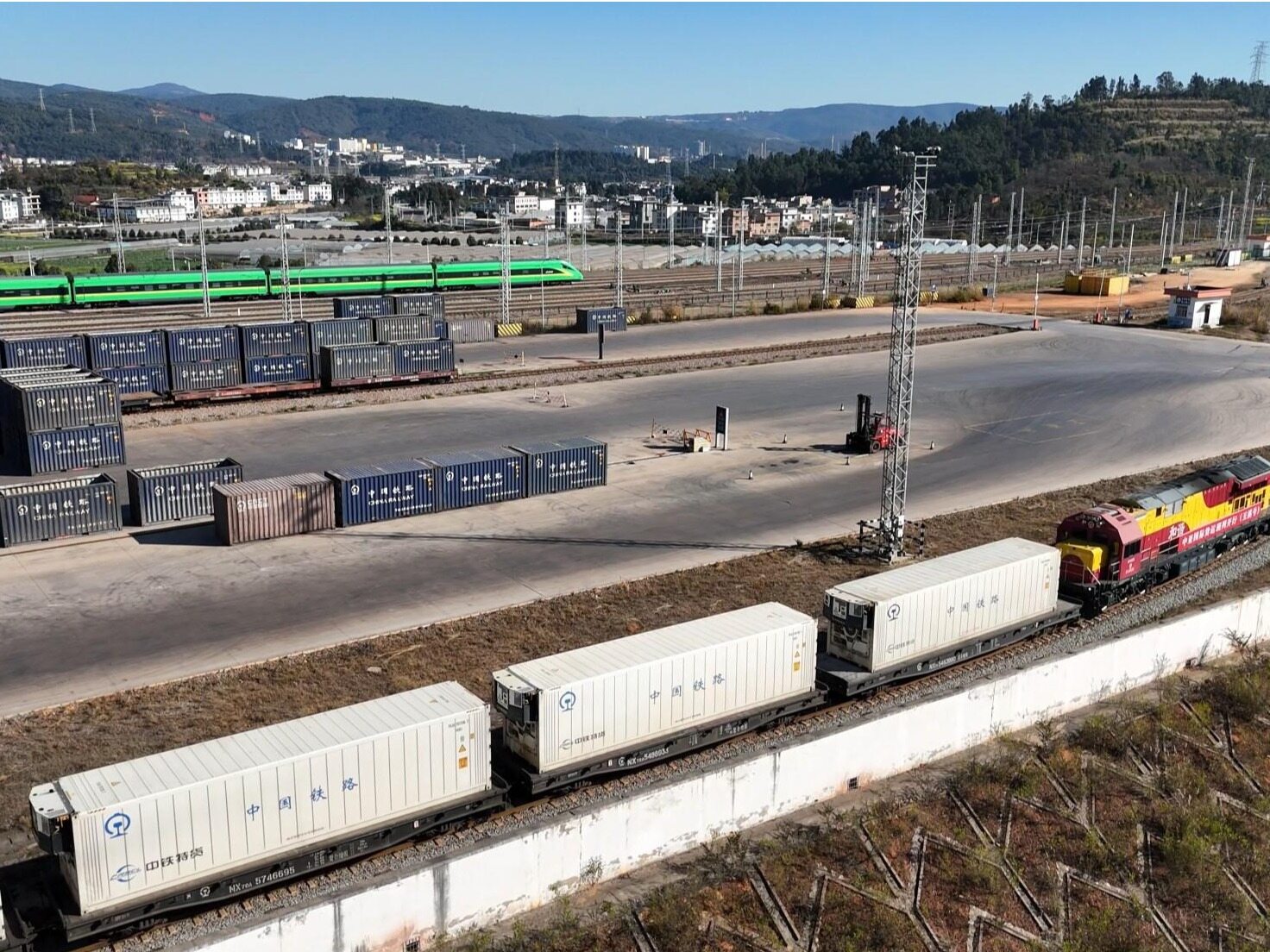
On the Gobi border, steel rails slowly fall, and after nearly 70 years, the second cross-border railway between China and Mongolia has officially started laying tracks, pressing the accelerator for the economic and trade connectivity between the two countries.
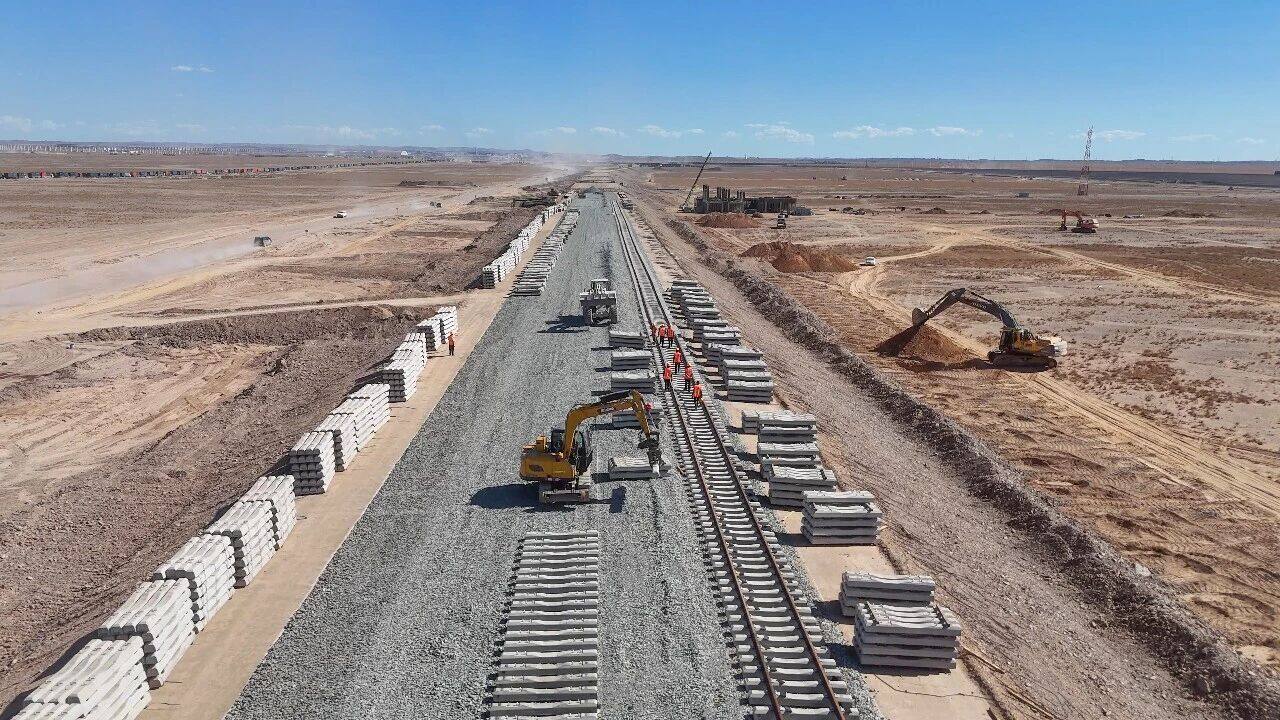
The project has officially started construction
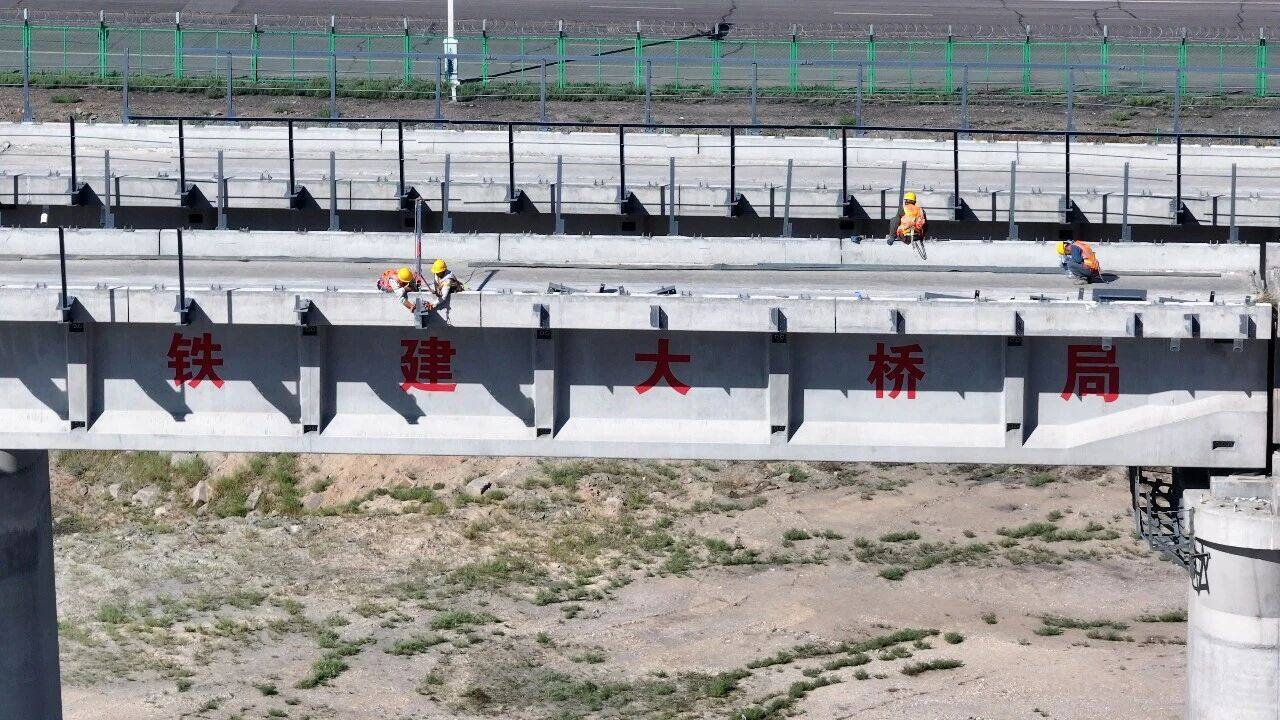
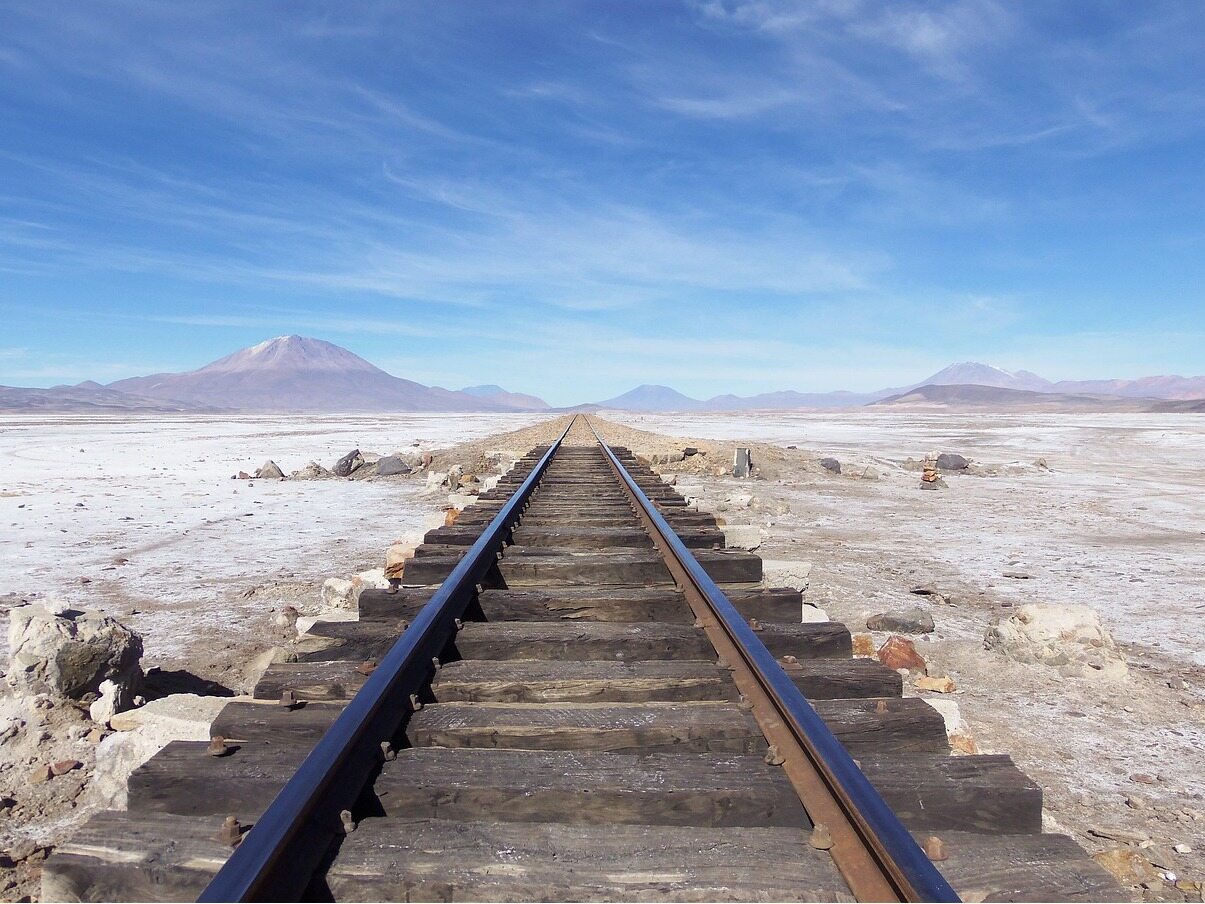
On September 1, 2026, the track laying operation of the Ganqimaodu to Gashusu Khatu railway officially began at the construction site in South Gobi Province, Mongolia. The total length of this railway line is 9.91 kilometers, which is the second cross-border railway between China and Mongolia after the Erenhot Zamyn Uud railway in 1956. The project will start construction in May 2025, and the offline main works have been completed. The total length of track laying along the entire line is about 33.5 kilometers, with a main line of about 19 kilometers and a station line of about 14.5 kilometers. The project is expected to complete beam installation in October and track laying by the end of the year.
Unique gauge design
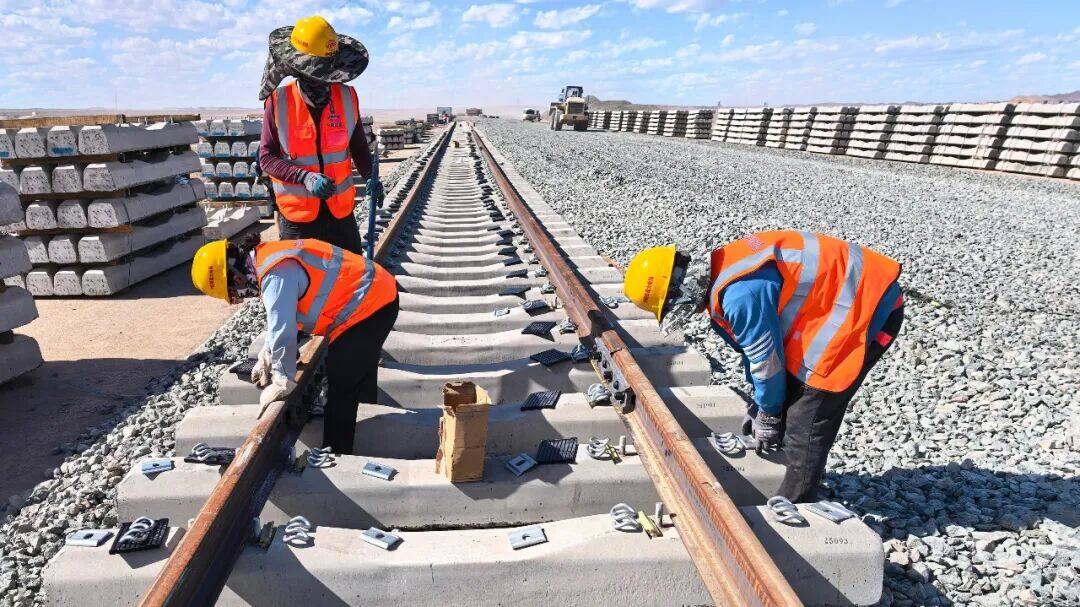
The line adopts a parallel scheme of 1520mm wide gauge and 1435mm standard gauge. Trains passing through the border do not need to change wheels or equipment. Mongolian wide gauge trains can directly reach Ganqimaodu Station, while Chinese standard gauge trains can directly reach Gashusu Haitu Station, greatly reducing the clearance time at the port. During the peak construction period, more than 110 large machinery will be put into operation, with over 200 people working simultaneously. The maximum daily track laying distance will be 1500 meters. Keywords: China Mongolia Cross border Railway, Interconnection
Empowering bilateral trade
The project follows the principle of unified design and construction of a one-time connection. After completion, the annual freight capacity can reach 30 million tons, connecting the Ganquan Railway with the southbound railway in Mongolia. Against the backdrop of the high-level meeting between China and Mongolia at the SCO Summit, this railway will strengthen the strategic docking between the two countries, facilitate exchanges in trade, energy, minerals, and other fields, and consolidate the hardware foundation of practical cooperation between China and Mongolia.Editor/Min Jing
Comment

 Praise
 Collect
 Comment

 Share
Share


Write something~