 Search


- China's power landscape has reached a historic turning point, with new energy moving from supplementary to main force
In the first half of 2026, the proportion of coal-fired power generation in China will drop to 49.7%, breaking below the 50% mark for the first time. At the same time, as of the end of July, the installed capacity of photovoltaic power generation reached 1.286 billion kilowatts, surpassing coal-fired power (1.285 billion kilowatts) in history and becoming China's largest power source. The combination of two historic turning points marks the complete breaking of the traditional power pattern dominated by coal-fired power, and the accelerated formation of a new power system dominated by new energy.
Profound transformation of coal-fired power role
In the first half of 2026, the national coal-fired power generation will reach 2.5 trillion kilowatt hours, accounting for 49.7% of the total. Li Chao, spokesperson for the National Development and Reform Commission, pointed out that this is a phased achievement of China's continuous promotion of non fossil energy substitution. However, it is worth noting that the retirement of coal-fired power does not mean withdrawal - the world's first coal-fired power unit with a thermal efficiency exceeding 50% has been put into operation at the same time, and coal-fired power is accelerating its transformation from a main source of electricity to a supporting regulatory power source. The 15th Five Year Plan for the Two Power Grids clearly states that the average minimum power generation output of coal-fired power plants should be reduced to 35% of the rated load by 2030, providing space for the transfer of new energy.
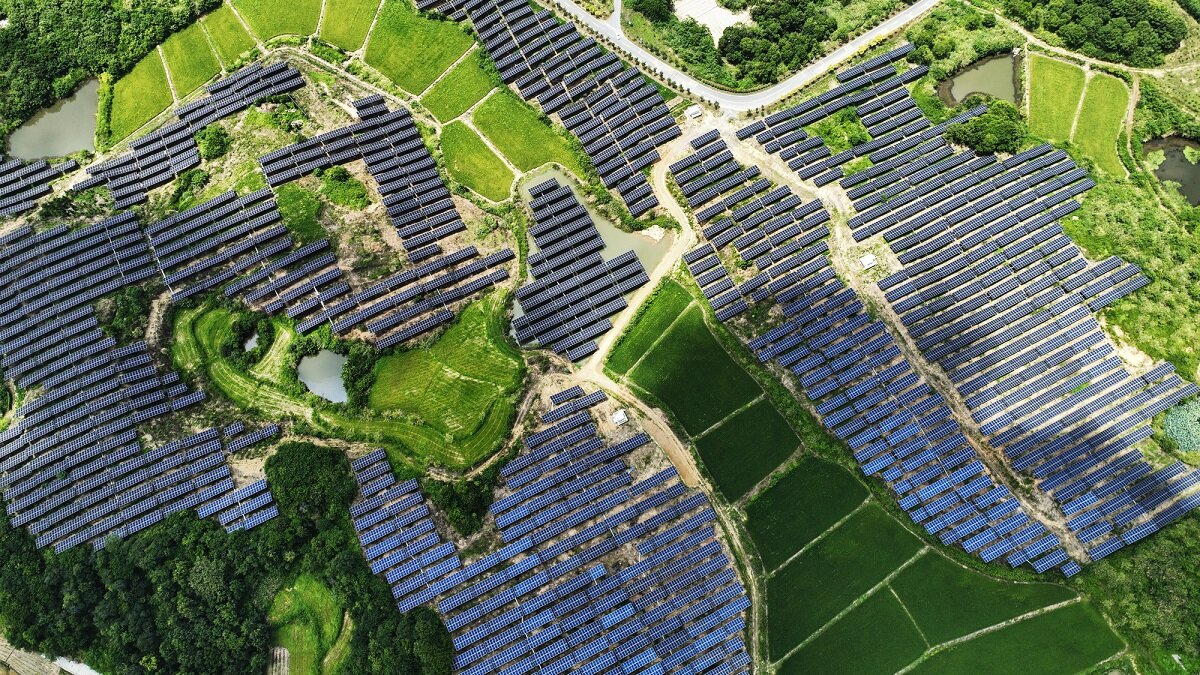
Photovoltaics become the main force of installed capacity
From January to July, the national photovoltaic power generation reached 802.4 billion kilowatt hours, a year-on-year increase of 15.5%, accounting for 13% of the total electricity consumption in society. For every 8 kWh of electricity used nationwide, over 1 kWh comes from photovoltaics. Centralized photovoltaics (704 million kilowatts) and distributed photovoltaics (582 million kilowatts) are advancing hand in hand, and the "Thousand Household Mu Guang Action" has covered over 8.3 million residential users. The expansion of installed capacity directly translates into the ability to ensure power supply, and the steady increase in the proportion of clean energy consumption is changing the underlying logic of China's power supply.
The balance between coal-fired power and photovoltaic power, from the proportion of electricity generation to installed capacity, reveals a clear trend - China's power system is moving from being dominated by coal-fired power to diversified collaboration. Behind the reshaping of the situation where coal-fired power plants are relegated to the regulatory position and new energy sources are the main force in installed capacity, is the firm promotion of the goal of 50% of non fossil energy power generation in the 15th Five Year Plan. The blueprint for the new power system is moving from vision to reality.Editor/Cheng Liting
Comment






 Praise
 Collect
 Comment

 Share
Share


Write something~