 Search


- Deepening cooperation between Harbin and China in science and technology, promoting synergy between innovation and talent cultivation

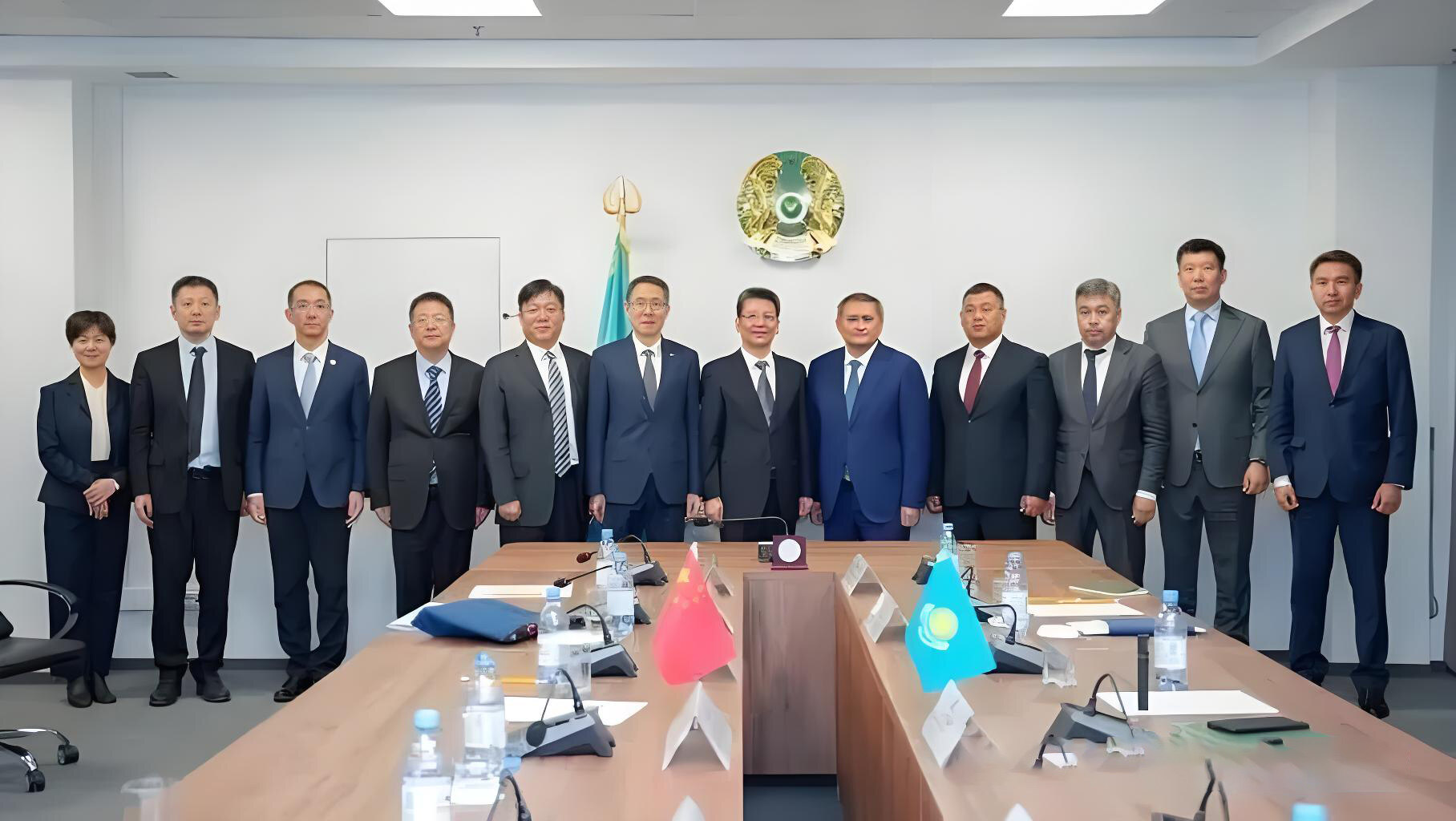
On September 2, 2026, in Astana, Kazakhstan, a cross-border technology dialogue was taking place inside the building of the Ministry of Science and Higher Education. Sayasat Nurbek, Acting Minister of Science and Higher Education of Kazakhstan, and He Junke, Vice Chairman of the China Association for Science and Technology, sat opposite each other and engaged in in-depth discussions on artificial intelligence, commercialization of scientific and technological achievements, exchange of scientific researchers, and training of engineering talents. This is an important outcome of China Kazakhstan technology cooperation in the year of digitalization and artificial intelligence in 2026.
Outline the blueprint for cooperation in six major directions
The meeting clarified the key framework for future cooperation between the two sides: promoting academic exchanges, implementing joint projects in the field of science and technology, popularizing scientific knowledge development education, improving public scientific literacy, formulating agreements for scientific and cultural exchanges, as well as Nurbek's special proposal for exchanging scientific research internships, artificial intelligence, commercialization of scientific and technological achievements, and training of engineering talents. The China Association for Science and Technology has currently joined over 250 international scientific and technological organizations, and its platform resources have formed a deep connection with the reform needs of Kazakhstan.

The Central Asian Education Center is poised to take off
The two sides focused on discussing the prospects of building an education center, which is expected to become an important platform for expanding international education and research cooperation in Central Asia. On August 28th, the sculpture of the dialogue between Al Arabi and Confucius: Great Thinker was unveiled at the Beijing Language and Culture University campus of Astana International University, becoming a tangible witness to China Kazakhstan cultural and educational cooperation. The establishment of the education center will further open up the channel for scientific research talents between China and Kazakhstan. Keywords: the Belt and Road news network, artificial intelligence AI、 China Kazakhstan cooperation

The timing is ripe for Chinese companies to follow up
Harbin has clearly designated 2026 as the year of digitalization and artificial intelligence. Once the education center is established, it will form specific procurement needs for smart laboratory equipment, scientific research service outsourcing, AI computing power services, etc. The presence of representatives from the Shaanxi Provincial Association for Science and Technology in the Chinese delegation means that the Shaanxi Harbin Passage has been officially opened, and the R&D resources of Shaanxi universities and the manufacturing inspection and testing capabilities of the Yangtze River Delta can be coordinated and followed up. Beijing Language and Culture University Astana Branch has become a physical node for cultural and educational cooperation, with clear docking carriers in soft service fields such as cultural creativity and educational services. China Kazakhstan technology cooperation is moving from high-level dialogue to industrial landing.Editor/Gao Xue
Comment




 Praise
 Collect
 Comment

 Share
Share


Write something~