 Search


- China Ukraine land port cooperation opens up new space for cross-border industries
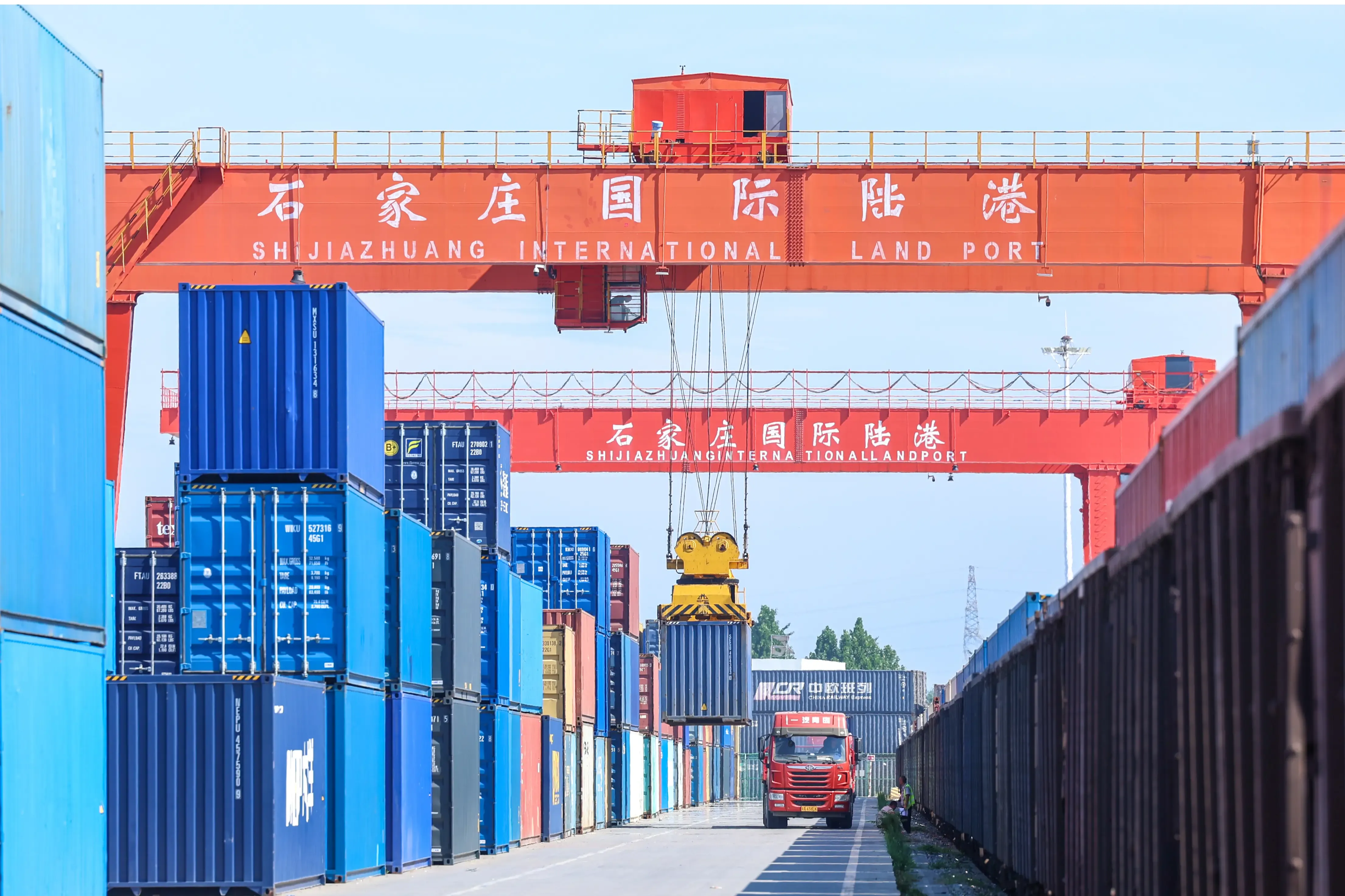
Before the planning of the industrial park in Ahangaran District of Tashkent Oblast, representatives from China and Ukraine had just concluded a practical meeting, and the pace of the cross-border land port cooperation project with a total investment of 200 million US dollars was further clarified. Relying on the China Europe Central Asia train network of Shijiazhuang International Inland Port, this logistics hub project landed in Uzbekistan is making up a key overseas node for the the Belt and Road China Uzbekistan cross-border channel.
In the first half of 2026, the number of China Ukraine trains passing through Alataw Pass and Khorgos Port will increase by 27% year on year. The continuous increase of cross-border freight demand is pushing the cooperation between the two countries' land ports from one-way transit to two-way hub construction.
Connect the two-way logistics link
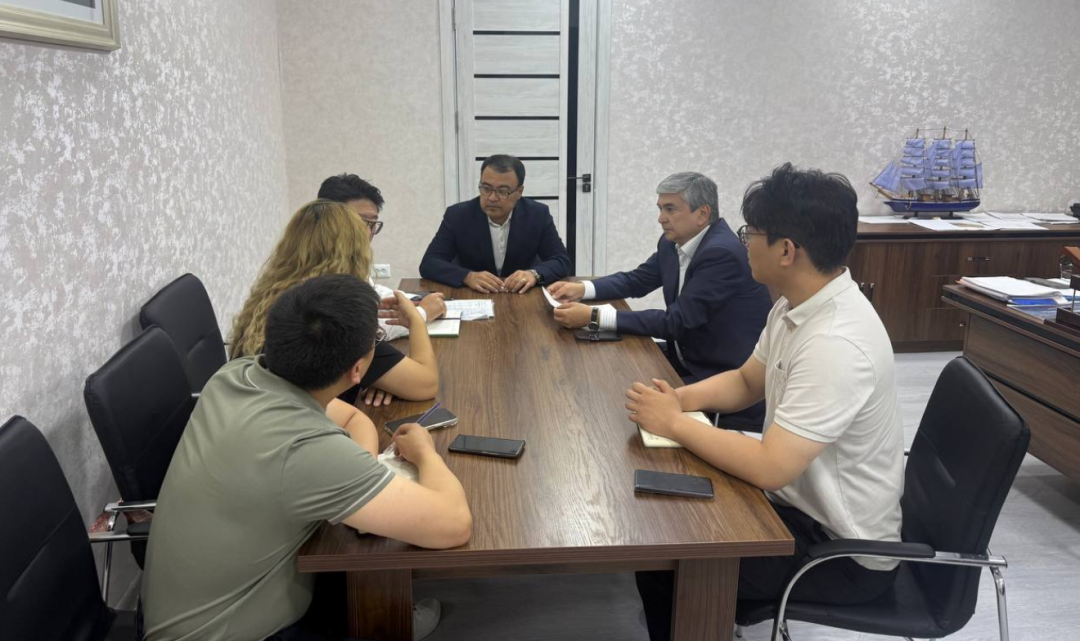
The meeting was chaired by Jahangir Mamarov, Deputy Governor of Tashkent Oblast. The two sides focused on negotiating the process of land allocation for the project and coordinating outstanding issues. They agreed to strictly follow Uzbekistan's laws to promote the implementation and develop a practical plan that takes into account the demands of investors.
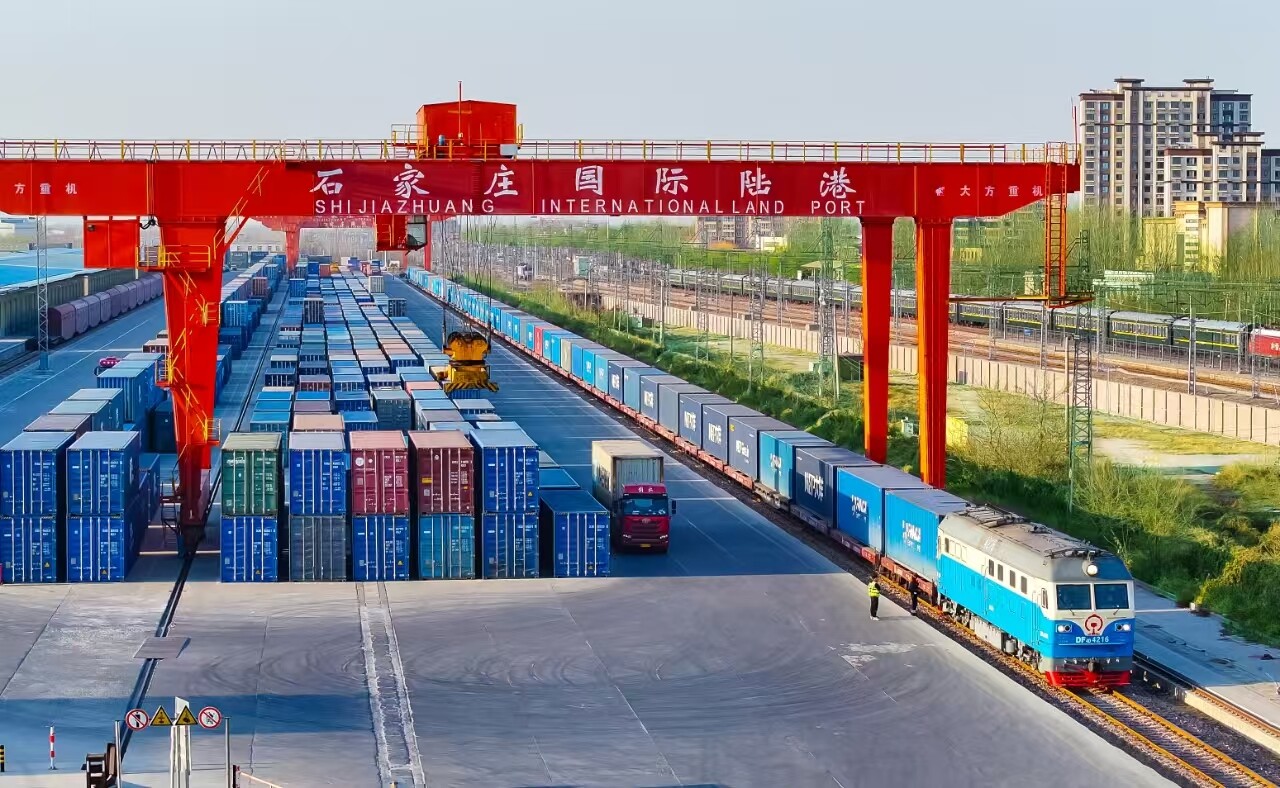
Previously, Hebei International Land Port had officially signed an investment agreement with the government of Ahangaran District. After the completion of the project, it will form a two-way linkage with Shijiazhuang International Land Port across the Caspian Sea, covering the transit and distribution needs of cross-border freight between China, Europe, and Central Asia.
Land port collaborative upgrade
As the most populous and industrialized region in Uzbekistan, Tashkent Oblast has seen a continuous increase in foreign investment in recent years. In the first half of 2026, the province's attraction of foreign investment in manufacturing and logistics industries increased by 34% year-on-year. After the project is implemented, it is expected to create over a thousand job opportunities for the local area, drive a 15% increase in the export capacity of surrounding light industry and electromechanical products, and further strengthen Tashkent's hub position in the Central Asian cross-border logistics network. With the gradual maturity of the China Kyrgyzstan Uzbekistan corridor, this land port direct connection link between Hebei, China and Tashkent, Uzbekistan will significantly reduce the transit time of cross-border goods between the two places. Keywords: international cooperation, the Belt and Road, dry port logistics
The train departing from Shijiazhuang International Inland Port crosses the border westward and finally completes the distribution of goods at the new hub in Tashkent. A closed loop cooperation between inland ports across East Asia and Central Asia is taking shape steadily along the the Belt and Road, behind the 27% train growth.Editor/Cheng Liting
Comment





 Praise
 Collect
 Comment

 Share
Share


Write something~