 Search


- Chinese automakers speed up localization to reshape Central Asia’s auto market landscape

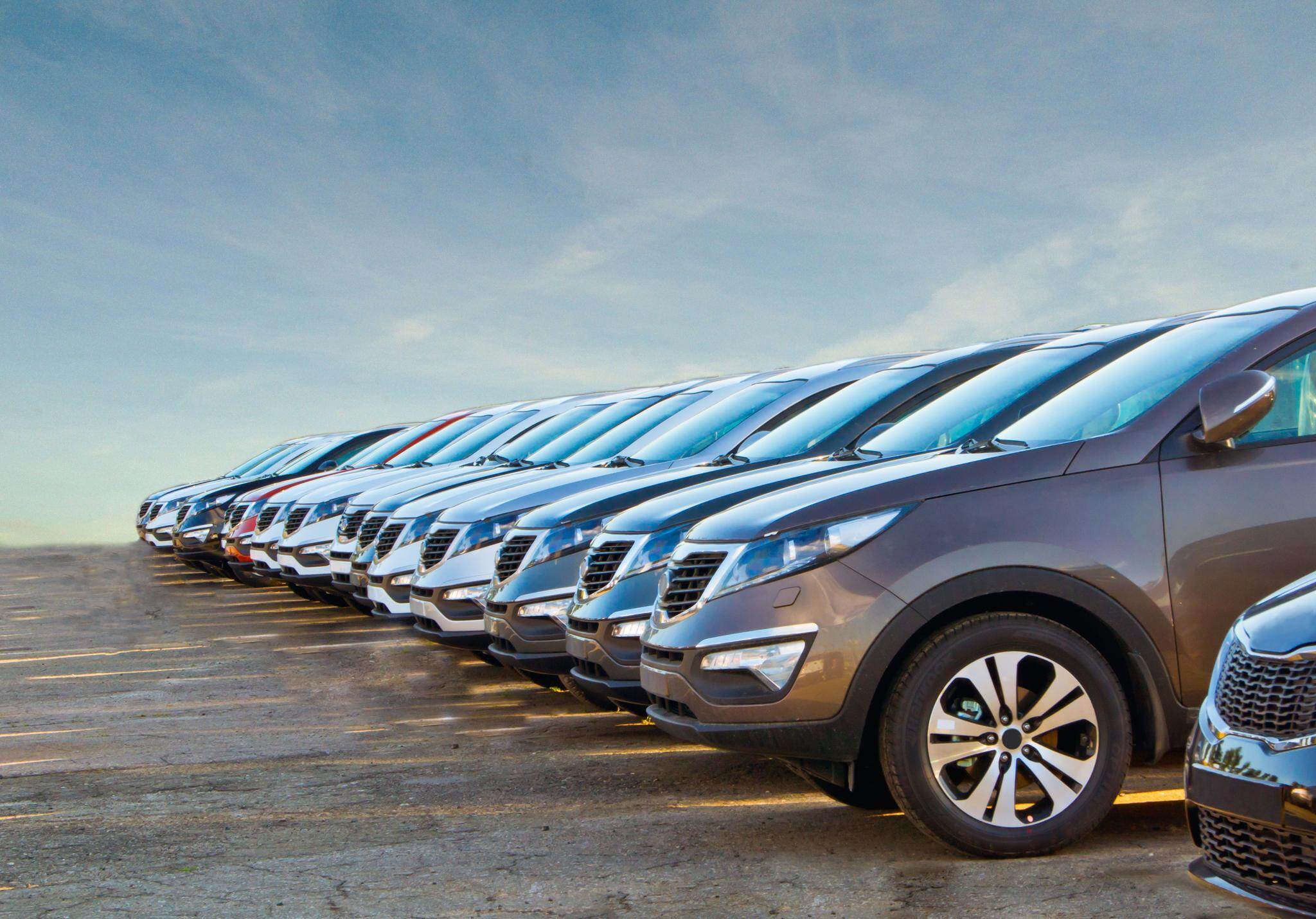
Driving through cities across Kazakhstan,Chinese‑brand vehicles can be seen everywhere with continuously rising market shares.Instead of merely exporting complete vehicles,many carmakers have partnered with local enterprises to set up assembly lines,consolidating their hard‑won overseas market position via localized deployment.
Market Breakthrough
Data from Kazakhstan Automobile Union shows that total new‑vehicle sales hit 21860 units in June 2026,of which Chinese‑brand sales reached 12276 units,taking a 56.2 % market share.Chinese brands sold 85618 units in Kazakhstan in 2025 with a 39 % market share,further making headway in the first half of this year.Gasoline‑powered vehicles remain dominant.Restrained by climate and infrastructure,electric‑vehicle penetration stays low.Chinese players mainly supply fuel‑powered SUVs while rolling out hybrid models gradually.Chinese brands occupy seven spots on the June top‑ten new‑car sales list.Changan,Chery,Haval,JAC and other marques stand out and win local consumers’recognition for cost‑effectiveness.
Local Advancement
Faced with Eurasian Economic Union tariff rules,simple complete‑vehicle exports show obvious drawbacks.Knock‑down assembly has become the prevailing overseas‑expansion model.Li Auto has teamed up with local Allur Group to launch L9 local assembly at the Kostanay factory,shifting from product export to local manufacturing.Passenger‑vehicle brands including Chery,Changan and Great Wall,as well as commercial‑vehicle makers Yutong and JAC have built local production capacity.Benefiting from geographic edges and policy incentives,localized production can cover the whole Eurasian Economic Union.Nevertheless,challenges remain such as weak local component supply,regulatory updates and industrial homogeneous competition.Editor/Min Jing
Comment


 Praise
 Collect
 Comment

 Share
Share


Write something~