 Search


- Digital platform landing application empowers the full chain operation of transportation
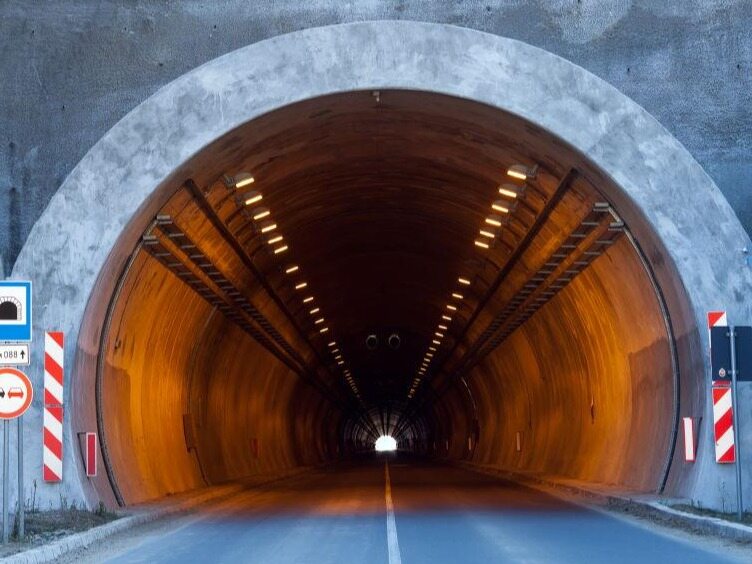
- Large scale infrastructure renovation to solidify the foundation of logistics development in Kazakhstan

As the sound of the whistle brushes through the wilderness of Central Asia, this inland country is spreading its dream of revival into the distance. From the criss crossing steel arteries to the bustling ports of the Caspian Sea, a comprehensive transportation revolution covering railways, shipping, and digitization is accelerating, reshaping its logistics map as a crossroads of the Eurasian continent.
Speed up and efficiency increase in railway construction
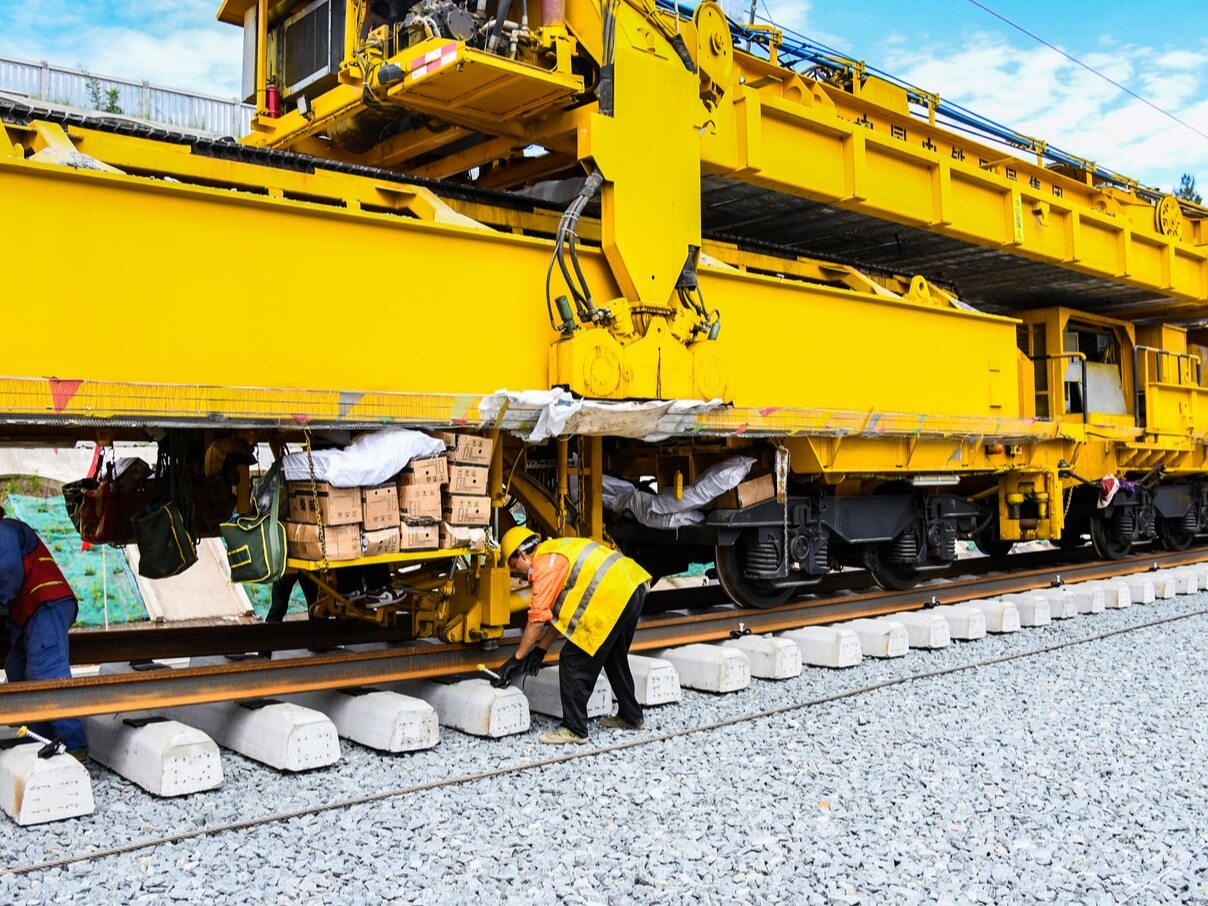
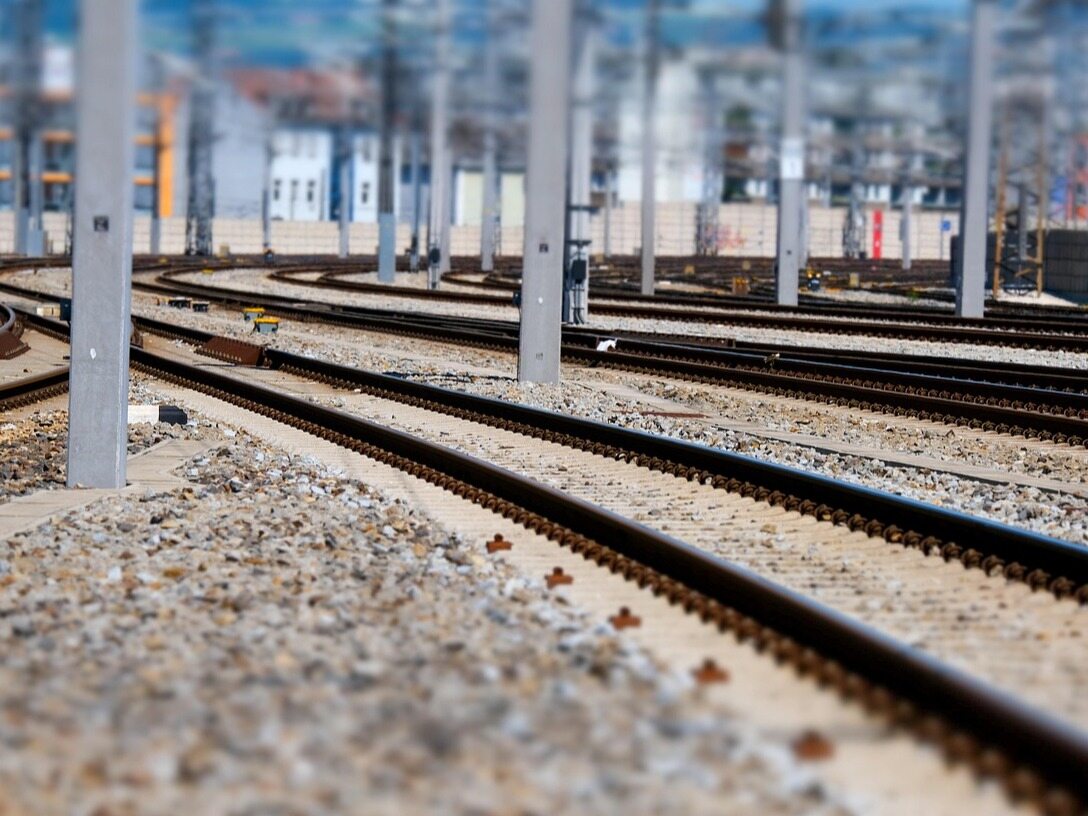
Kazakhstan is vigorously promoting the modernization of railway infrastructure. In the past five years, nearly 5000 kilometers of railways have been newly built and renovated, with a transit capacity of 33 million tons and a railway industry revenue exceeding 3 trillion tenge. Multiple railway projects have been completed one after another, and construction of multiple new lines is being accelerated. In the next three years, plans are being made to build and renovate an additional 2200 kilometers of railways.
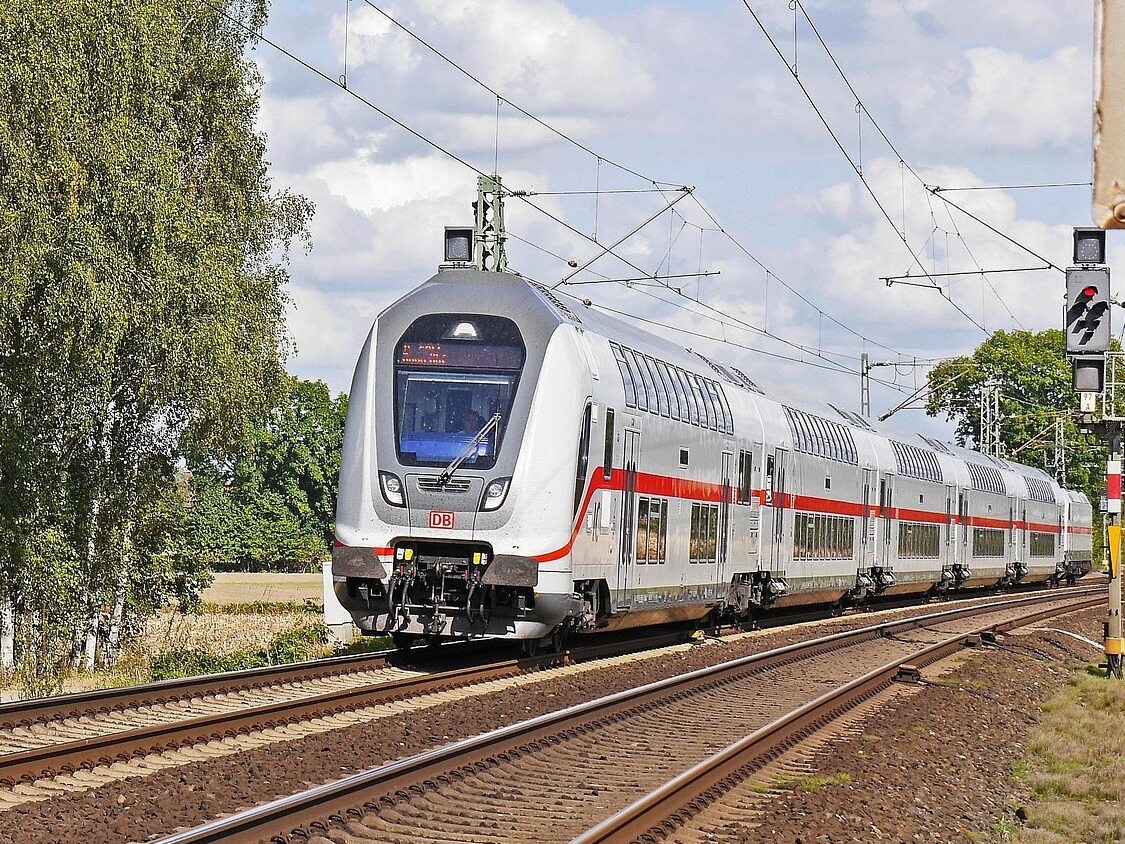
Local partners collaborate with overseas enterprises to update locomotives and vehicles, and multiple batches of locomotives will be completed offline in August 2026. By 2026, 191 new passenger cars equipped with intelligent facilities will be introduced, and 100 of the 124 station renovation projects have been completed.
Continuous expansion of shipping capacity
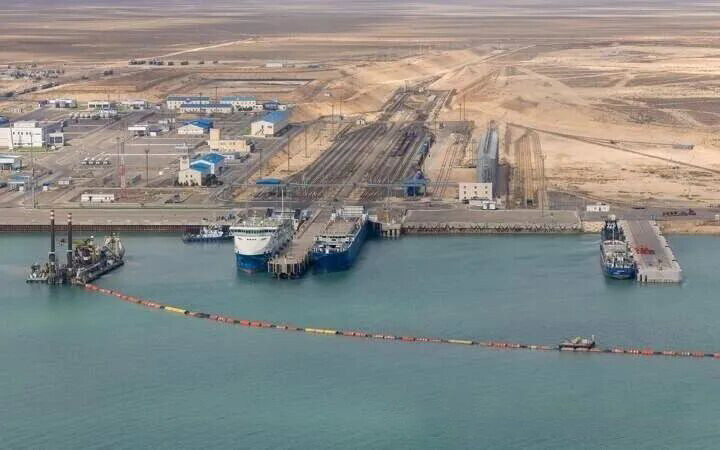
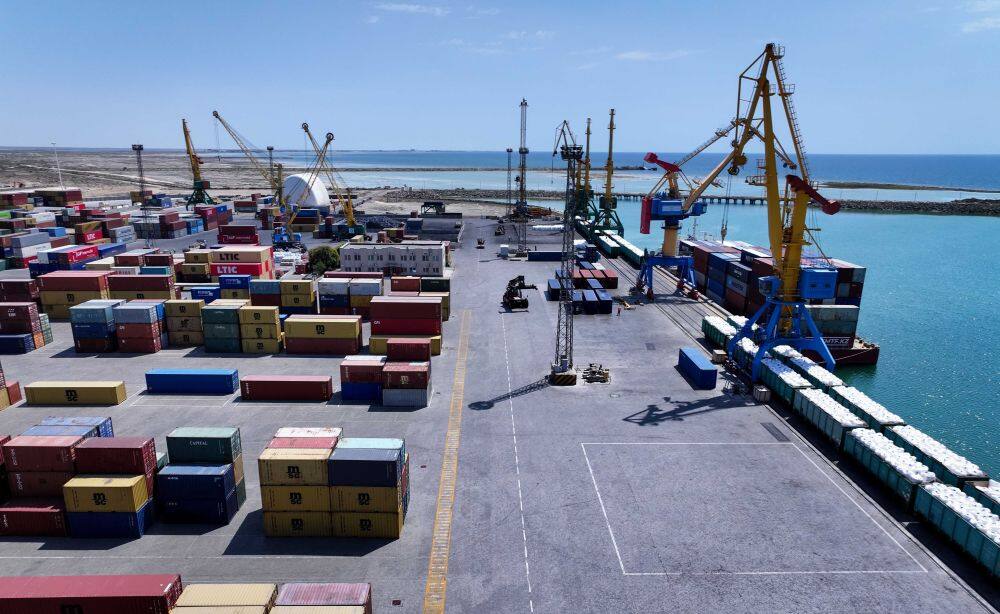
Kazakhstan accelerates the upgrading of ports and shipping systems in the Caspian Sea. The current total throughput capacity of the port is 21.8 million tons, with the goal of increasing it to 30 million tons by 2030. The freight volume of the cross mile sea transportation route has increased by 5.6 times in five years. Aktau Port and Kurek Port are undergoing expansion dredging and berth renovation, with plans to acquire 8 cargo ships by 2029. After the renovation is completed, the traffic capacity of the two major transportation corridors across the Caspian Sea and North South will be increased to 10 million tons.
Digital empowerment of transportation development
Kazakhstan is simultaneously laying out the digital transformation of transportation. The E-Joldar platform controls the progress of highway construction and maintenance, while the Smart Cargo platform relies on AI to optimize freight transportation, land multimodal transport, and green customs clearance channels. The modernization of transportation in the country covers all areas of transportation, effectively improving the efficiency of passenger and freight circulation and strengthening the advantages of transit logistics. The transportation industry accounts for 6.1% of GDP, and the total output value has nearly doubled in the past five years, exceeding 14 trillion tenge.Editor/Gong Ziwei
Comment


 Praise
 Collect
 Comment

 Share
Share


Write something~