 Search


- The first 10000 ton special train of "Xinjiang coal entering Hebei" arrives at Tangshan Port
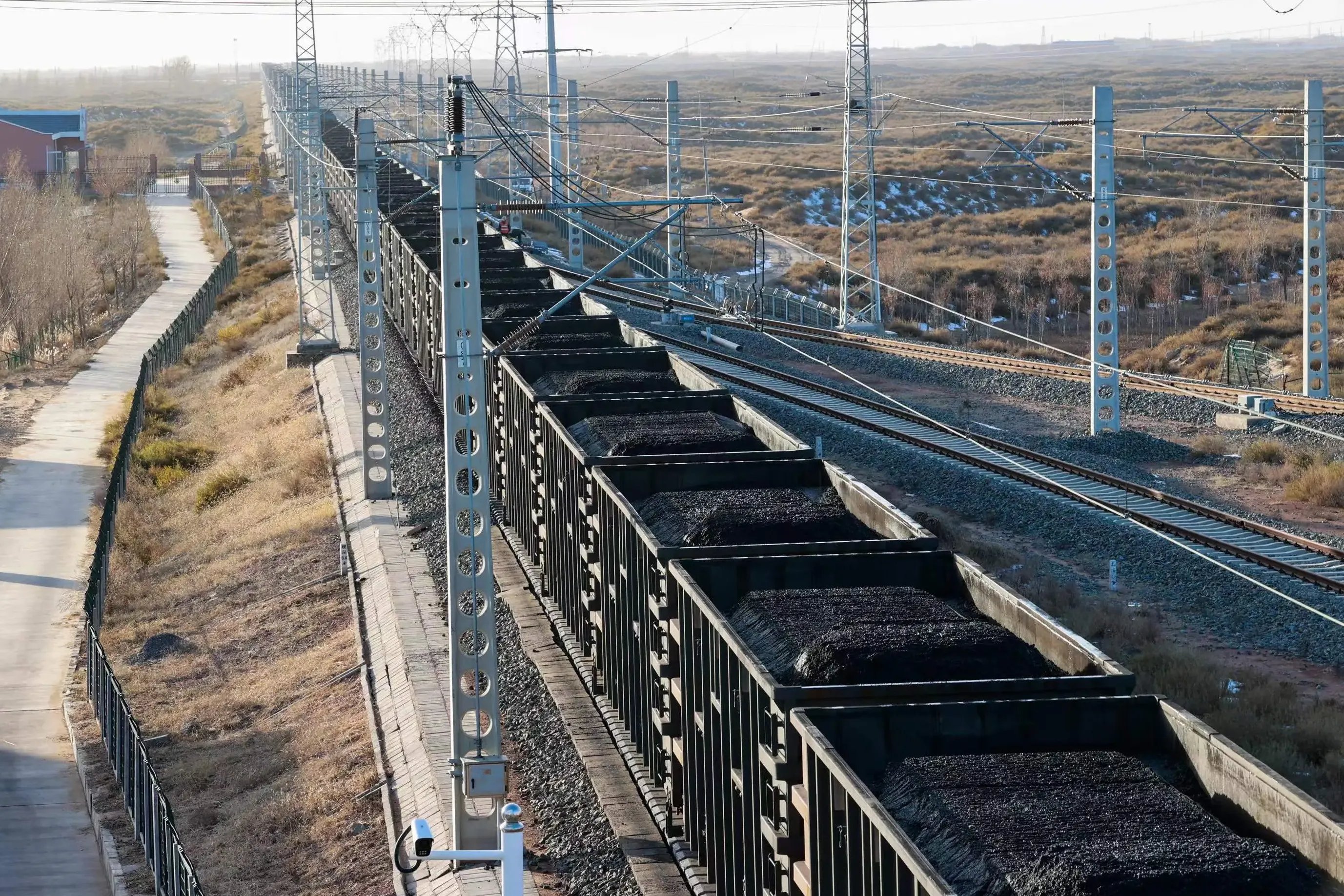
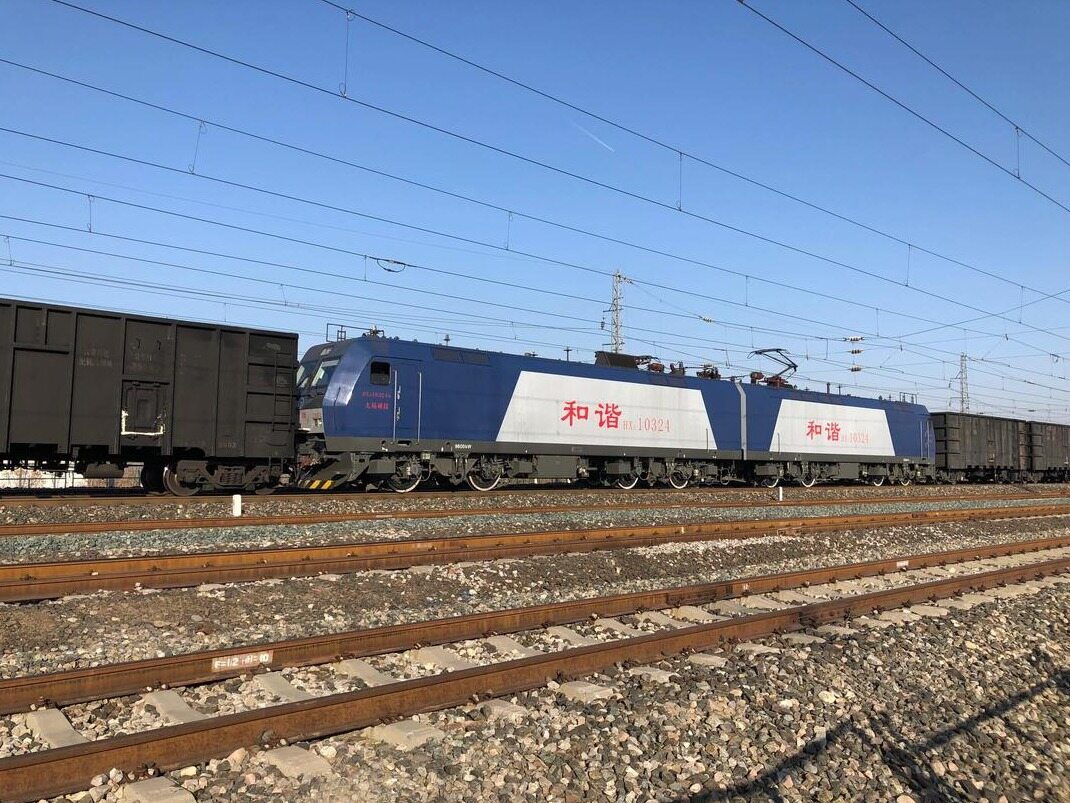
The sound of the whistle pierced through the morning mist in the Jingtang Port area, and the 10000 ton special train loaded with Xinjiang coal docked steadily at the Tangshan Port. The first special train of "Xinjiang Coal into Hebei" successfully arrived at the port on September 13, 2026, marking the official landing of this new Xinjiang coal and iron intermodal transportation channel.
By 2025, the total amount of coal exported from Xinjiang will reach 144 million tons, radiating to 19 provinces, autonomous regions, and municipalities across the country. The opening of new channels will directly provide an efficient iron iron intermodal transportation artery for ensuring coal supply throughout the country.
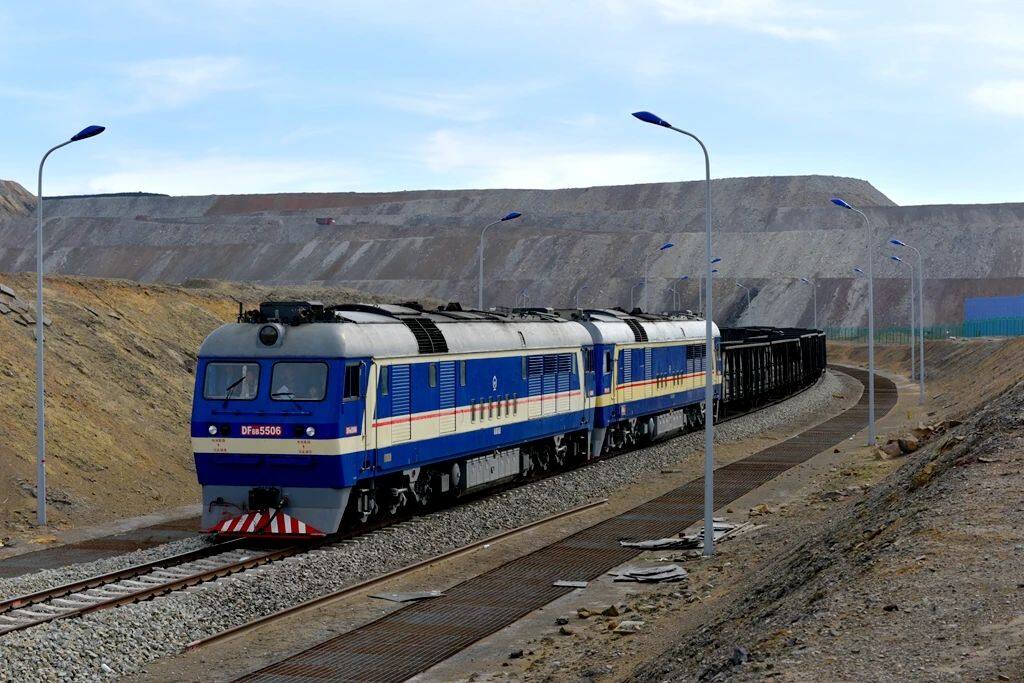
Transportation efficiency has been reduced by nearly two-thirds
This new channel adopts a intermodal transportation mode of "gathering coal from Xinjiang to Shanxi, direct delivery of tens of thousands of tons of trains, and launching from Tangshan Port", greatly reducing the railway round-trip transportation time of coal from Xinjiang to Hebei from the original 28 days to about 10 days, and achieving a leapfrog improvement in cross regional scheduling efficiency.
The total predicted coal resources in Xinjiang will reach 2.19 trillion tons, accounting for 40.6% of the national total. By 2025, the total coal production in Xinjiang will be 553 million tons, doubling from 2020. For four consecutive years, the growth rate has ranked first among the major coal producing provinces in China, and sufficient production capacity has laid a solid foundation for the continuous increase of new channels.
Direct access to the coastal markets of East and South China
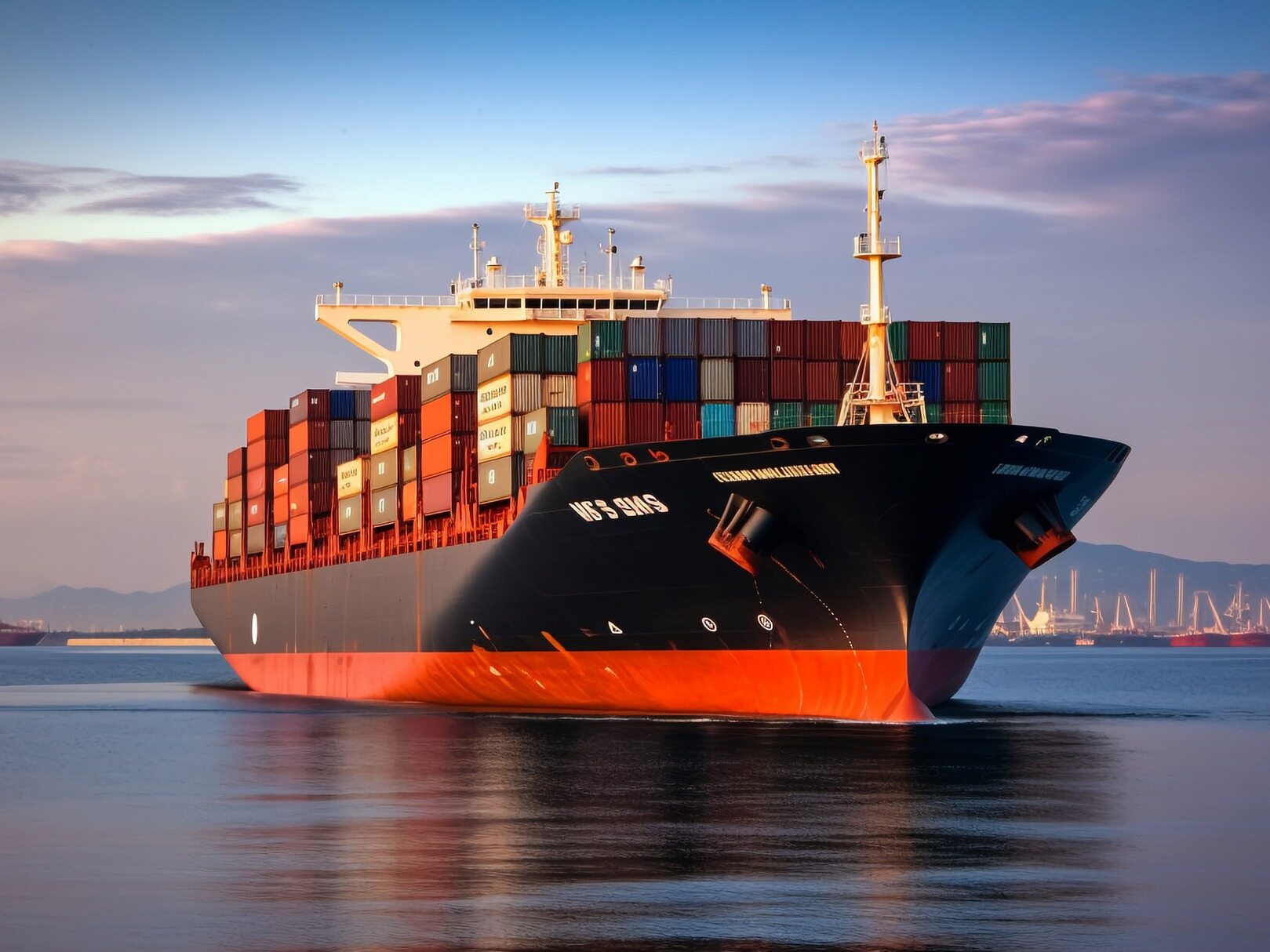
After the new channel is established, coal will be directly loaded onto ships from Jingtang Port to the south, which can quickly cover the main consumer markets along the coasts of East and South China, changing the previous circulation pattern of high transportation costs for long-distance land transportation of Xinjiang coal.
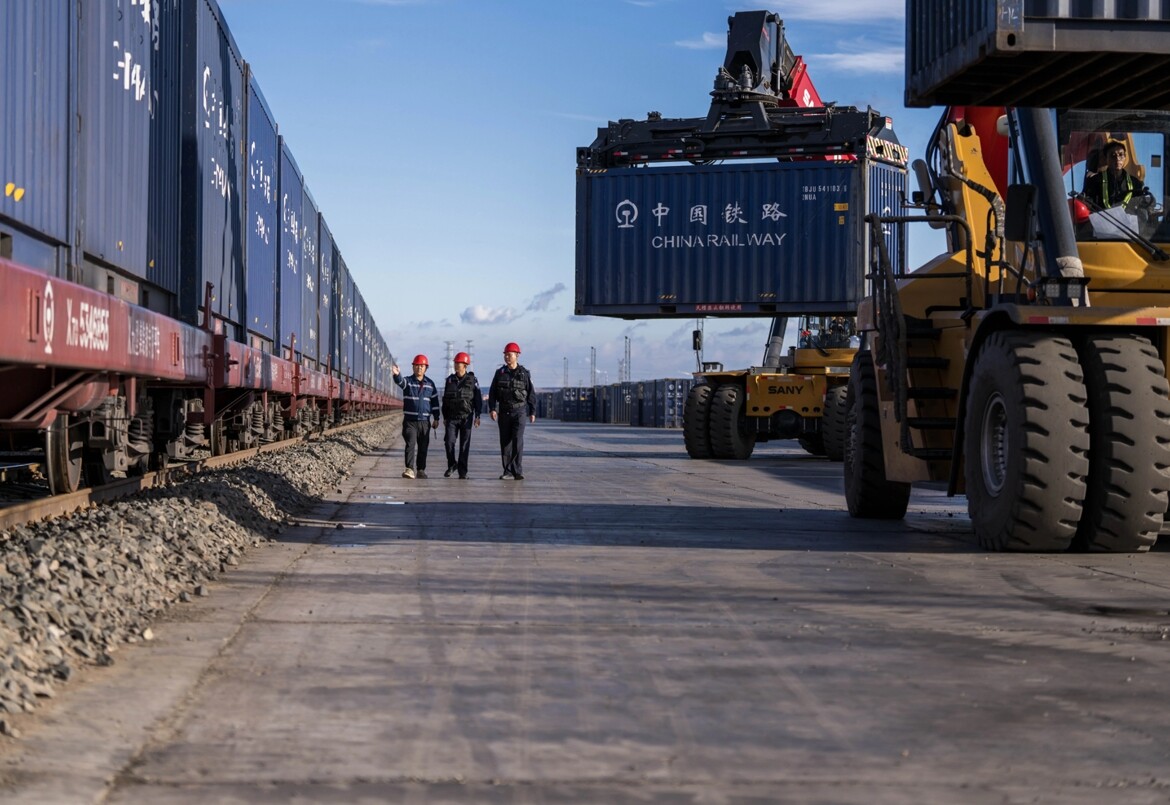
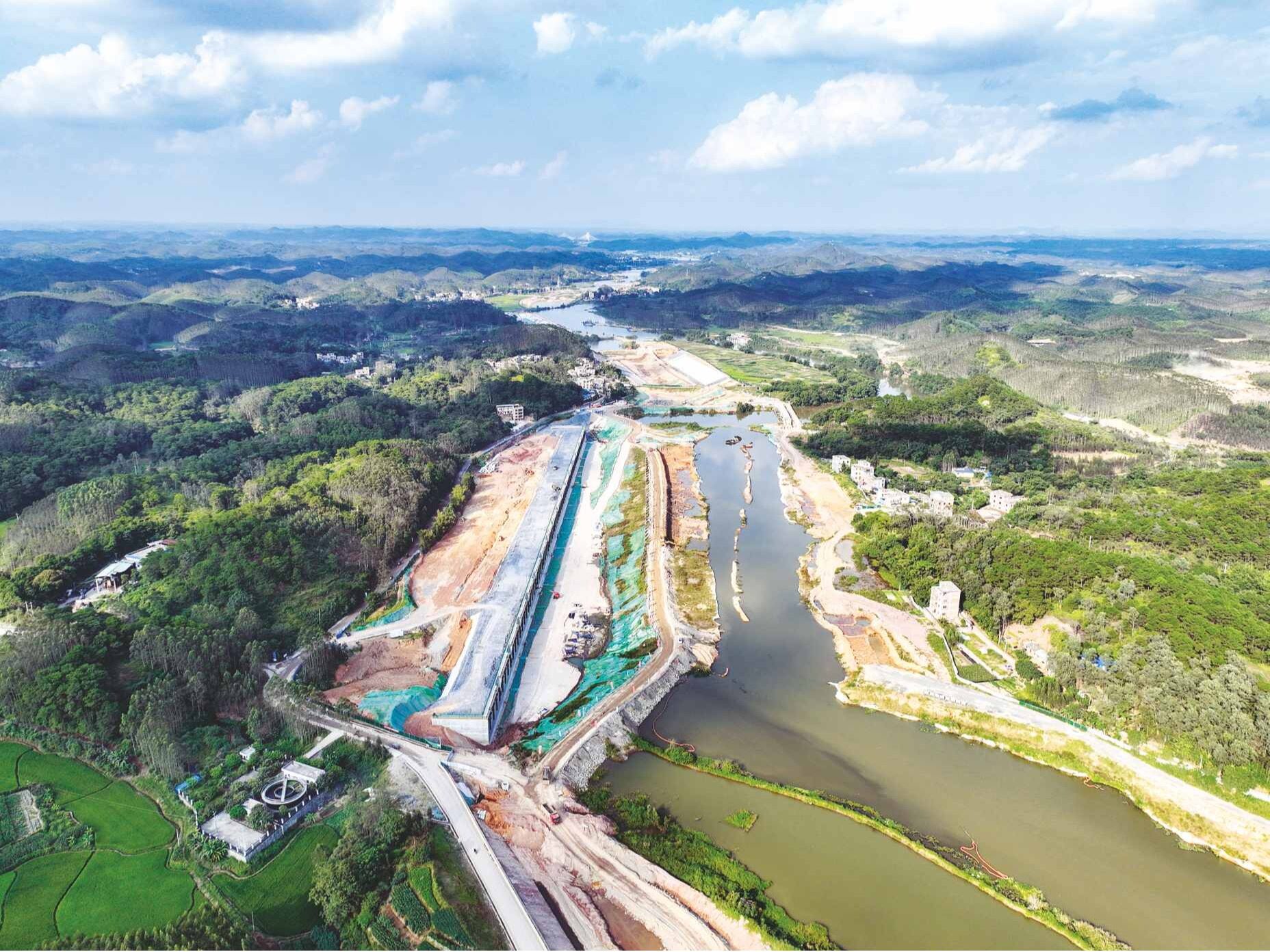
At present, the transportation of coal from Xinjiang has formed a multi-channel coordinated layout, and the expansion and renovation project of the Linha Railway is being promoted. The total capacity of regional transportation will be further enhanced in the future, and this new railway line for intermodal transportation of iron and steel will also become an important incremental channel for the southward transportation of coal from Xinjiang.
From the Zhundong and Tuha mining areas in the northwest inland, to the port terminals in Bohai Bay, and then to the power plants and industrial users along the southeast coast, the new channel has completely connected the coal supply chain spanning thousands of kilometers, truly transforming Xinjiang's resource advantages into a solid support for national energy supply.Editor/Cheng Liting
Comment


 Praise
 Collect
 Comment

 Share
Share


Write something~