 Search


- Middle East refrigeration demand shifts towards system integration, Chinese enterprises welcome green solutions as a window to go global
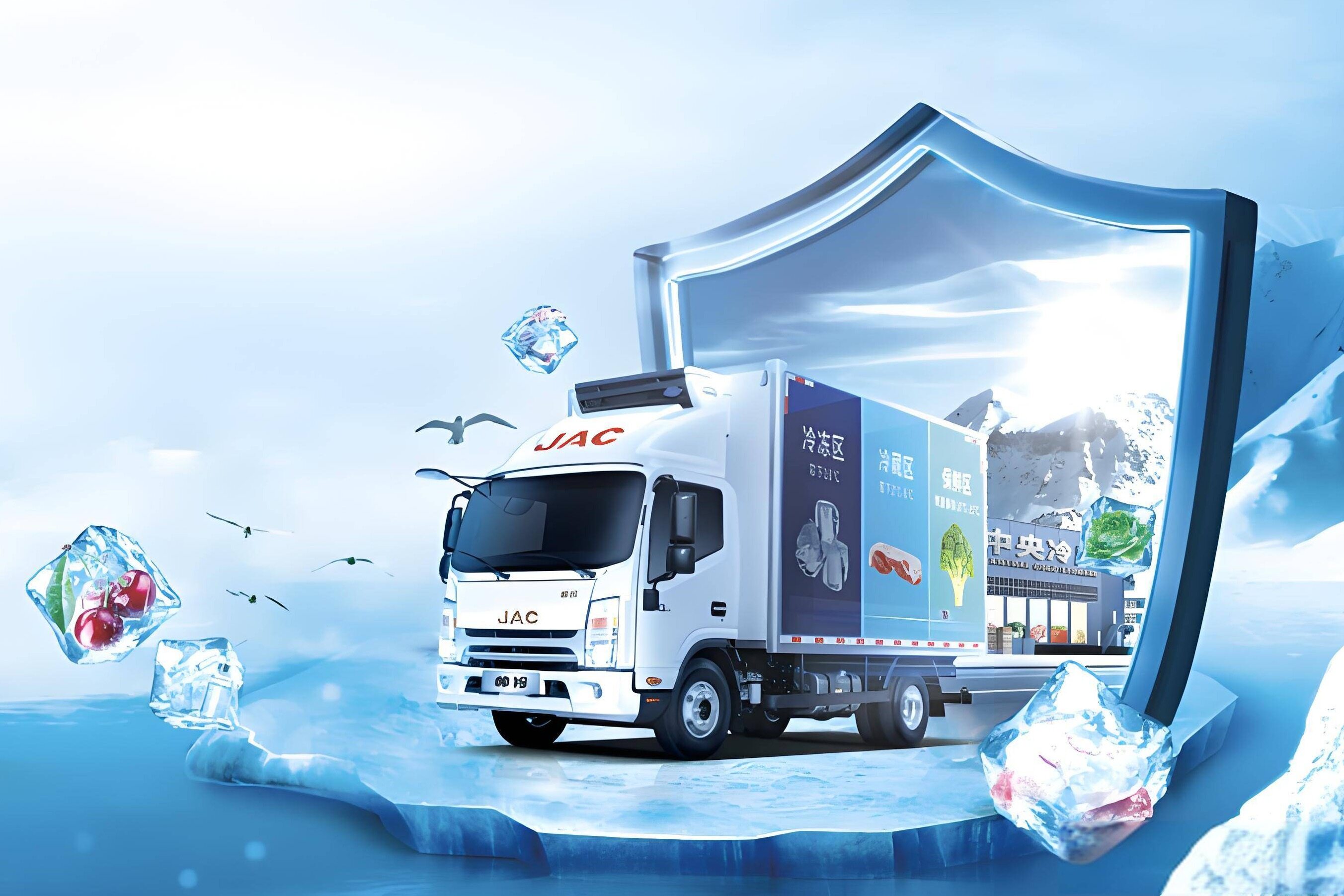
The refrigeration equipment market in the Middle East is experiencing a structural growth driven by three factors: infrastructure, climate, and food safety. According to Global Market Insights data, the refrigeration market in the Middle East is expected to reach $7.8 billion by 2026 and is expected to increase to $16.8 billion by 2035, with a compound annual growth rate of 8.9%. Saudi Arabia is the largest market, while Kuwait is the fastest-growing country. At the same time, China's refrigeration equipment exports have formed a large-scale growth in the Middle East market, with a total export value of 107.91 billion yuan in the first half of 2026. From individual devices to system integration, the Middle East refrigeration market is opening up a new window for Chinese companies to go global.
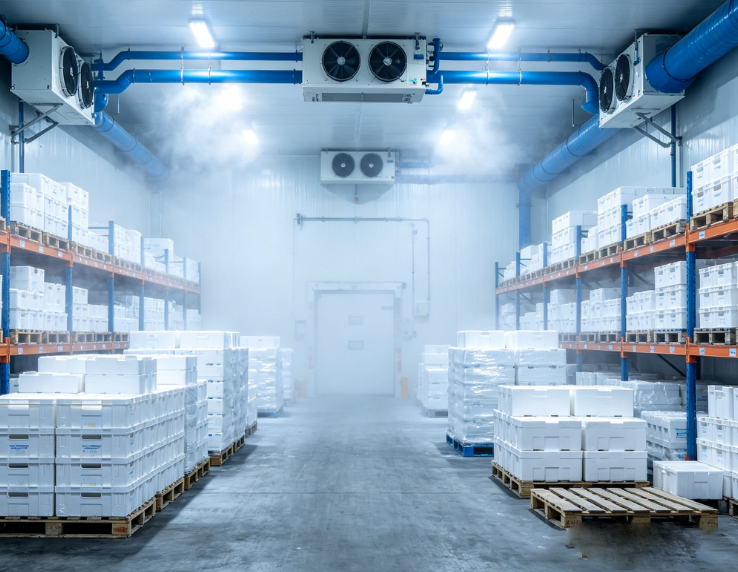
The largest regional refrigeration system in Saudi Arabia
Regional refrigeration is the core sector of the refrigeration equipment market in the Middle East, supplying cooling water to residential, commercial, and industrial buildings through insulated pipelines, and has irreplaceable energy efficiency advantages in the extremely hot Middle East region. Saudi Arabia is the largest market for refrigeration in the Middle East region. Driven by the 2030 vision, super projects such as NEOM Future City, Red Sea Tourism Zone, and Qidia Entertainment City are being constructed in a concentrated manner, and large-scale commercial complexes and urban areas continue to release demand for centralized cooling. Kuwait is the fastest-growing country, with high temperatures and urbanization driving rapid expansion of regional refrigeration capacity. In terms of competitive landscape, Empower ranks first with a market share of 21%, while the five major operators Tabeed, ENGIE, Emicool, Qatar Cool, and others collectively hold about 60% of the market share.
Cold chain logistics sees an annual increase of over 12%
The growth logic of the Middle East cold chain market is rooted in the structural characteristics of the region's high dependence on food imports. By 2024, 85% of food consumption in Gulf Cooperation Council member countries will rely on imports, with grain imports accounting for 90%, rice for 100%, and meat for 60%. Saudi Arabia will rely on imports for approximately 80% of its food needs. This means that the entire chain from ports to distribution centers to retail terminals requires high reliability temperature control facilities to ensure food safety. According to Grand View Research data, the Middle East cold storage market is estimated to be worth approximately $14.61 billion by 2025 and is expected to reach $39.42 billion by 2033, with a compound annual growth rate of 12.3%. LogiPoint Saudi Arabia is constructing a 12000 square meter A-class temperature controlled logistics facility in Jeddah First Industrial City, with an expected completion date of December 2026; Rajhi Capital and LogiPoint jointly launch an industrial park project with a total investment of approximately 5 billion Saudi riyals; A Chinese company invested 1.35 billion dirhams in Dubai in September 2026 to build the China UAE food industry cluster. Keywords: Middle East News Network, Infrastructure, Logistics
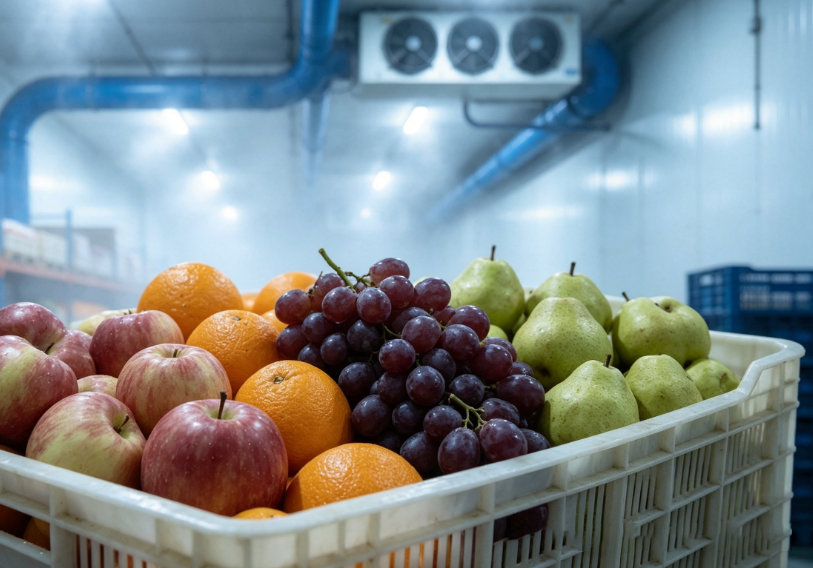
Cooling home appliance exports exceed 100 billion yuan
According to the latest data from the General Administration of Customs of China, the total export value of refrigeration equipment including air conditioners, electric fans, refrigerators and other cool home appliances in China reached 107.91 billion yuan in the first half of 2026. The Middle East is one of the regions with the fastest growth rate in China's refrigeration equipment exports. According to a research report by CITIC Securities, the compound annual growth rate of China's air conditioning exports to Saudi Arabia, the United Arab Emirates, Israel, Egypt, and Iraq can reach 15.1% in the next five years. In 2023, China's air conditioning exports to Saudi Arabia, the United Arab Emirates, Iraq, and Israel accounted for 20.5% of China's total exports in this category, with over one-fifth of air conditioning exports going to the four Middle Eastern countries. TCL's high-temperature and strong cooling series of air conditioners have been exported to 18 Middle Eastern and surrounding countries, including the United Arab Emirates and Saudi Arabia, with a total export of over 350000 units. The desert air conditioner launched by Gree can operate stably in an environment of 68 degrees Celsius. Its integrated light storage air system has been deployed in the Middle East market with about 10000 sets, reducing carbon emissions by about 110000 tons annually. The next stage of competition in the Middle East refrigeration market is shifting from single product sales to green and integrated system solutions. Chinese companies that can provide equipment to systems and products to solutions will have greater initiative in this round of structural growth.Editor/Gao Xue
Comment



 Praise
 Collect
 Comment

 Share
Share


Write something~