 Search


- Middle East infrastructure continues to make efforts, transportation and water projects leverage new momentum for regional development
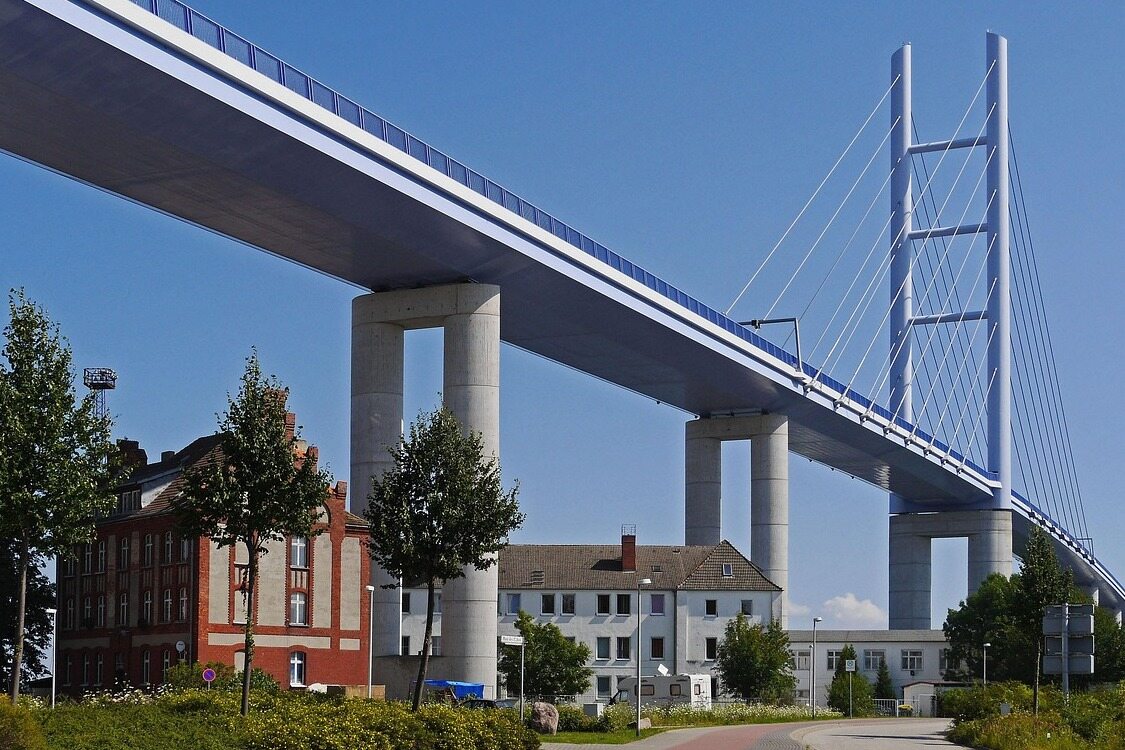
Sheikh Zayed Road, which has been congested with traffic all year round, is about to face a diversion plan. The Dubai Roads and Transport Authority has issued a heavy tender to build a new 30 kilometer road to alleviate commuting pressure on this city's main road. The total investment of the project is billions of dollars, with a large number of elevated bridges and interchange ramps, in line with Dubai's 2040 urban planning, to cope with the travel difficulties brought about by the future population surge. On the other hand, the Saudi water PPP market is constantly improving, with mature mechanisms attracting global capital to enter, and the Middle East infrastructure map is blossoming in multiple places.
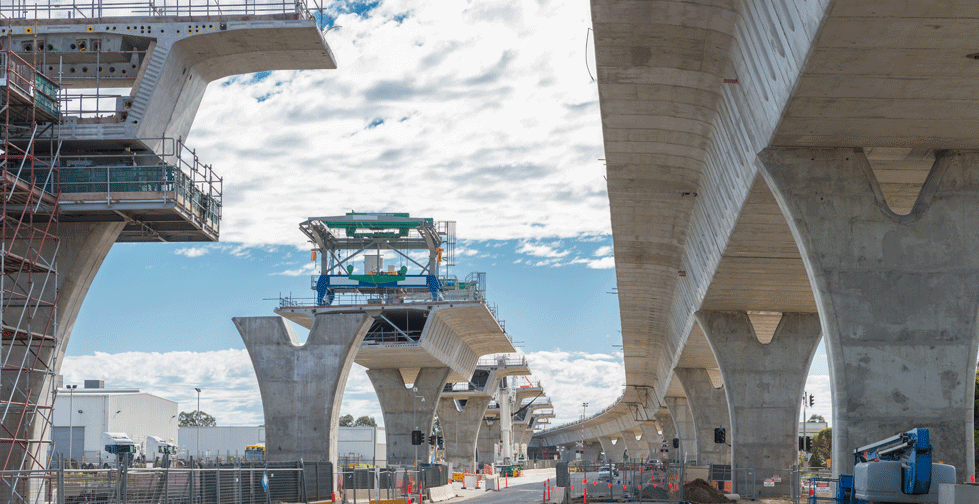
Dubai Road Expansion and Blockage Relief
The Dubai Roads and Transport Authority is soliciting proposals from contractors for a new road with a total length of approximately 30 kilometers, including a 15 kilometer elevated bridge along First Al Ha'il Street, 14.5 kilometers of bridge ramps, and supporting facilities. The tender intention notice was issued in early September, and the deadline for submitting intention documents is October 10th.
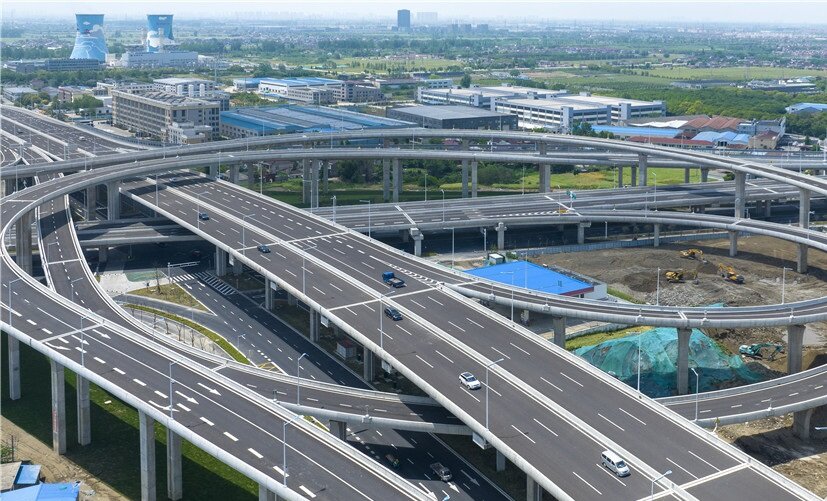
The project aims to alleviate congestion on the section of Sheikh Zayed Road from Hadika Street to Hesa Street. Dubai once considered building double decker roads, but later adjusted the plan by upgrading corridors, renovating overpasses, and supporting public transportation. According to the 2040 urban master plan, the local population is expected to grow from 3.3 million in 2020 to 5.8 million in 2040, with the daytime population increasing to 7.8 million. Dubai is simultaneously promoting the extension of the Blue and Gold subway lines, implementing a 20 minute urban policy, and striving to meet 80% of residents' daily needs within a 20 minute walking and cycling distance.
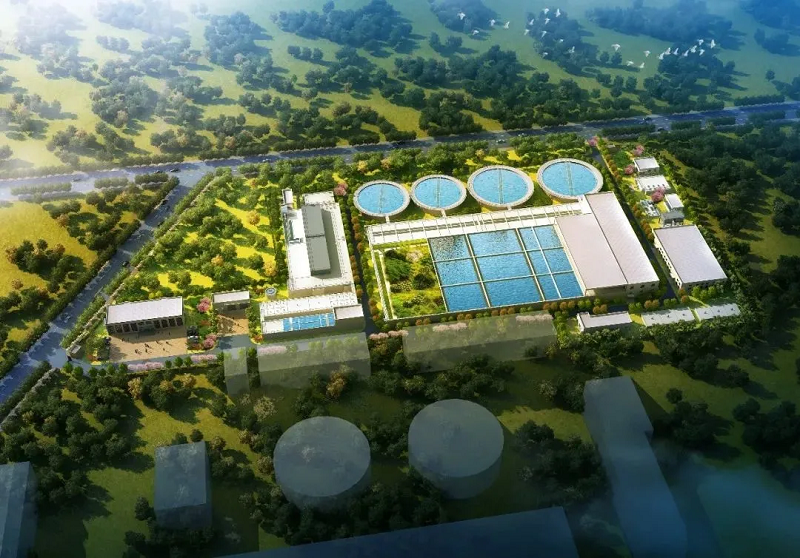
Saudi Water Authority Breaks Down
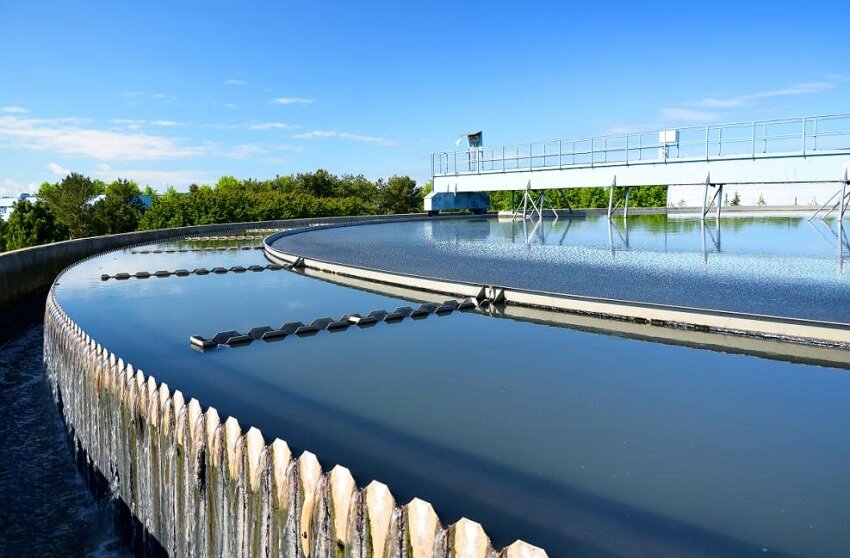
The Saudi water PPP market has become a high-quality track favored by global developers, relying on institutional reforms, improving legal frameworks and digital tools to lower entry barriers, and building a mature project ecosystem through institutions such as SHARAKAT. Keywords: Middle East infrastructure, water PPP
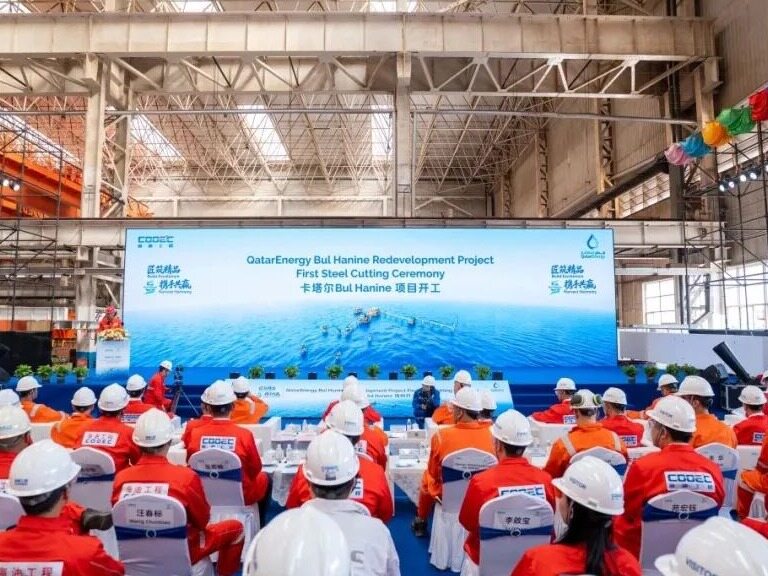
The regional energy industry projects are advancing synchronously, with Nextchem participating in the Sabic ammonia urea project, Aramco accelerating upstream investment, and Sabic intensifying its efforts in the local petrochemical industry. Miral plans to invest $3.2 billion in Yas Island, and the Amea Power Uganda solar power plant has officially started production, continuing the wave of infrastructure investment in the Middle East.Editor/Min Jing
Comment


 Praise
 Collect
 Comment

 Share
Share


Write something~