 Search


- Chinese electric two wheeler leader embedded in African ecology, accelerating green travel overseas
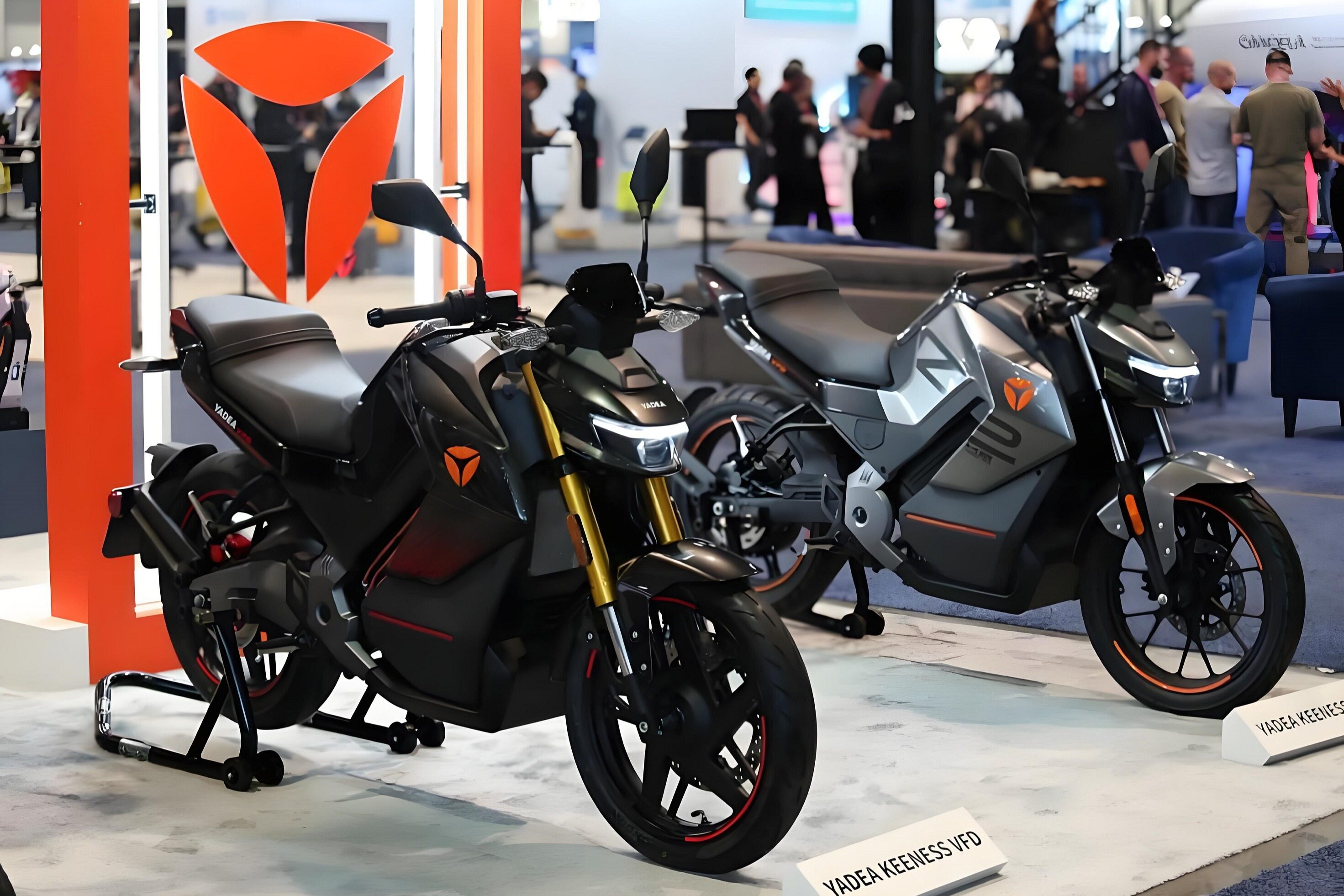
In September 2026, Chinese electric two wheeler leader Yadea signed a strategic cooperation agreement with Spiro, the largest electric mobility company in Africa. Wang Jiazhong, Senior Vice President of Yadea Technology Group, and Anant Badjatya, CEO of Spiro Group, jointly attended the signing ceremony. This signing is a strategic cooperation agreement, not a fixed order contract. According to the agreement, Yadea will supply electric two wheelers and related products to Spiro's expanding regional market, and Spiro will connect these vehicles to its own battery swapping and energy infrastructure system. Both parties will also jointly develop a two wheeler platform that is suitable for local road conditions and commercial operation needs in Africa

From selling cars to embedding in the battery swapping ecosystem
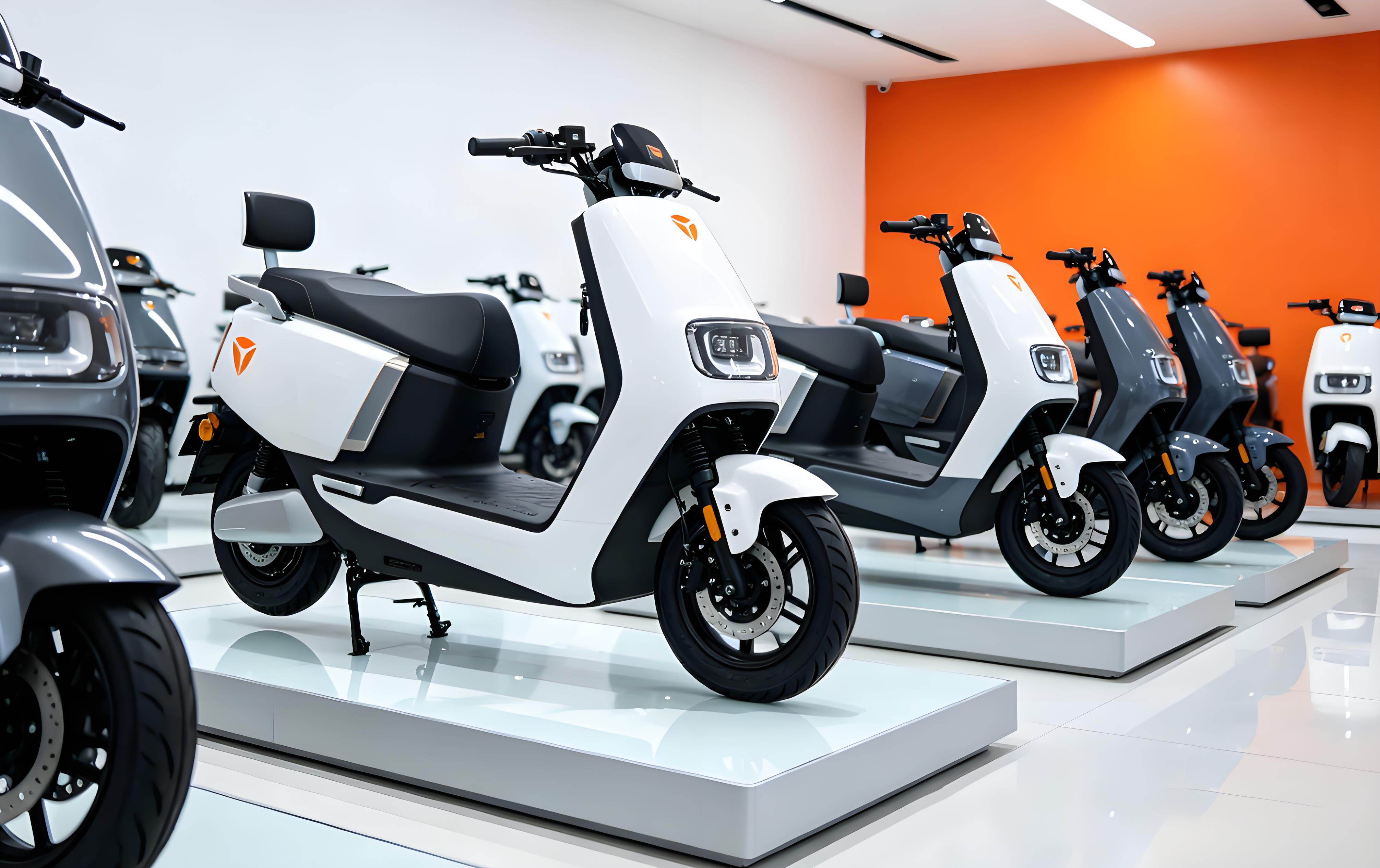
The core of this collaboration is not about how many cars Yadea has sold, but about how Yadea's cars will be connected to Spiro's existing battery swapping network and become part of this ecosystem. The cooperation content is divided into three layers: the first layer is product supply, with Yadea providing electric two wheelers and related products for Spiro's African market and adapting them according to local demand; The second layer is network access, where Spiro integrates Yadea vehicles into its battery swapping and energy infrastructure system; The third layer is joint research and development, where both parties jointly develop a two wheeled vehicle platform for African road conditions and commercial operation scenarios. Spiro's current business covers 7 African countries and has deployed over 130000 electric motorcycles, built over 2500 battery swapping stations, and completed over 50 million battery swapping operations. Yadea does not need to build its own battery swapping network in Africa, as it can connect its vehicles to a running battery swapping infrastructure system, bypassing the most time-consuming and expensive stage of building its own energy replenishment system.
Structural turning point in the African market
Behind the collaboration between Yadea and Spiro is the structural change that the African electric two wheeler market is undergoing. In the first half of 2026, the amount of electric motorcycles and tricycles imported from China to Africa surged by 60%, reaching $114.6 million. Electric motorcycles account for about 20% of motorcycle sales in Uganda and about 15% in Kenya. The number of registered motorcycles in sub Saharan Africa has increased from about 5 million in 2010 to 27 million in 2022, of which about 80% are used for passenger or delivery purposes, and is expected to reach 55 million by around 2030. Battery swapping is a necessity rather than an option, and there are still about 560 million people in sub Saharan Africa who lack reliable power supply. Commercial riders travel 100 to 150 kilometers per day, and waiting for hours on slow charging means losing orders. Battery swapping can compress the replenishment time to less than 2 minutes. Keywords: the Belt and Road news network, enterprise going to sea, strategic cooperation
The formation of the Chinese capital manufacturing and operation triangle
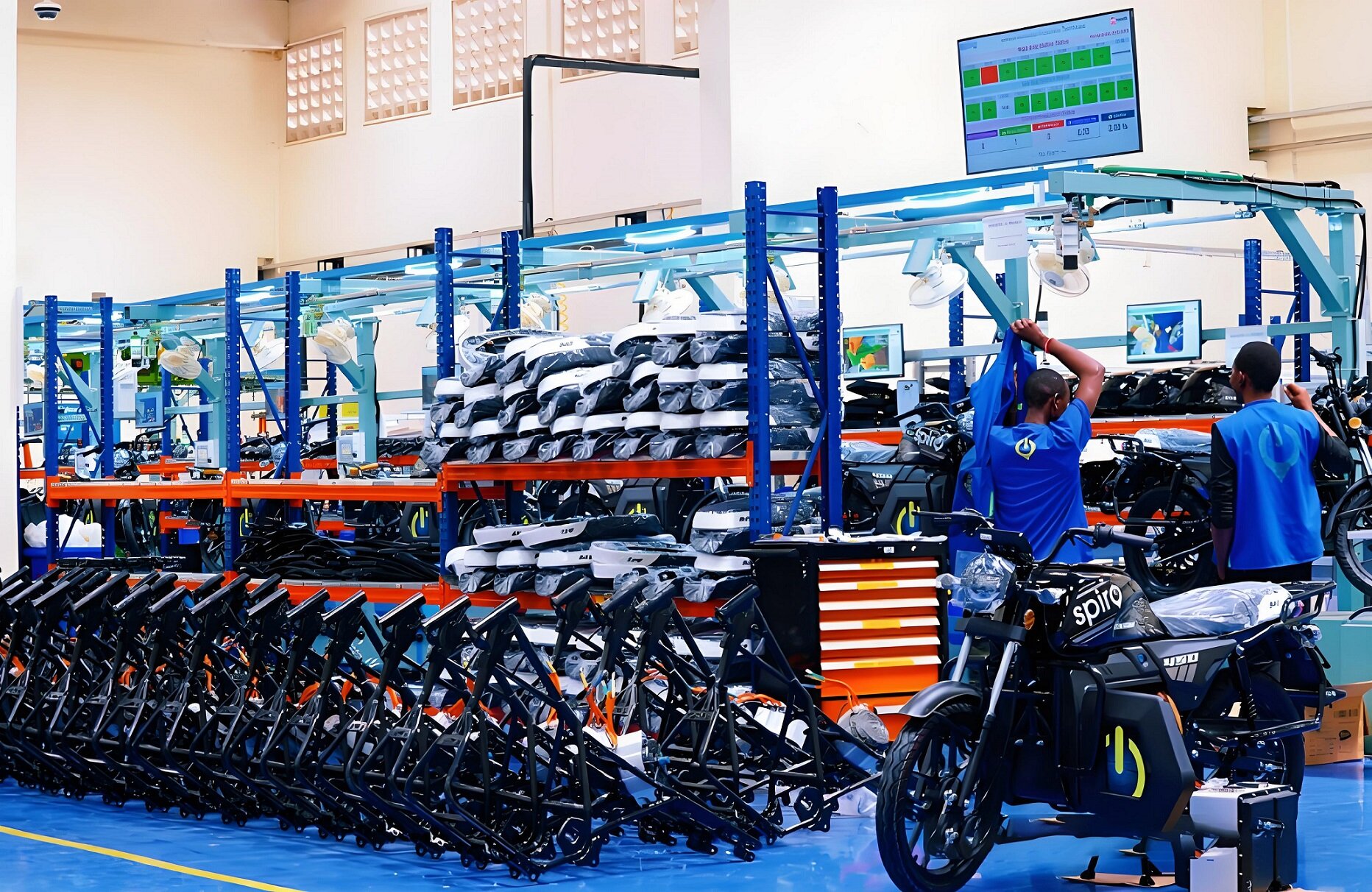
Of Spiro's $270 million financing, $55 million comes from China Zengtu Capital, Yadea provides manufacturing capabilities, and Spiro is responsible for local operations and battery swapping networks in Africa. This triangular chain of capital, manufacturing, and operation effectively combines China's supply chain advantages with Africa's localization capabilities. Yadi was founded in 2001 and has been ranked first in global sales of electric two wheelers for nine consecutive years. Its products are sold in more than 100 countries worldwide, with a cumulative sales volume of over 100 million units. It has 10 exclusive production bases worldwide. Yadi will open its first flagship store in Addis Ababa in March 2025, and currently has 6 stores in Ethiopia with cumulative sales exceeding 48000 vehicles; In June 2026, KIFA electric motorcycles designed specifically for commercial scenarios will be launched in Kenya, with a maximum load capacity of 250 kilograms, dual battery range of up to 150 kilometers, and support for quick battery swapping. There are currently about 27 million fuel powered motorcycles in Africa, 80% of which are used for commercial operations. Replacing one fuel powered motorcycle reduces one fuel import and increases one electricity consumption. The market logic of electric two wheelers in Africa is to replace fuel with electricity and replace refueling with battery swapping. For Chinese electric two wheeler industry chain enterprises in the fields of complete vehicles, batteries, and battery swapping equipment, this is an incremental market driven by stock substitution.Editor/Gao Xue
Comment





 Praise
 Collect
 Comment

 Share
Share


Write something~