 Search


- The market entities are becoming increasingly diverse, and private enterprises are seizing new opportunities overseas
- Reshaping the overseas infrastructure landscape, the Middle East has risen to become the core area for Chinese enterprises to go global
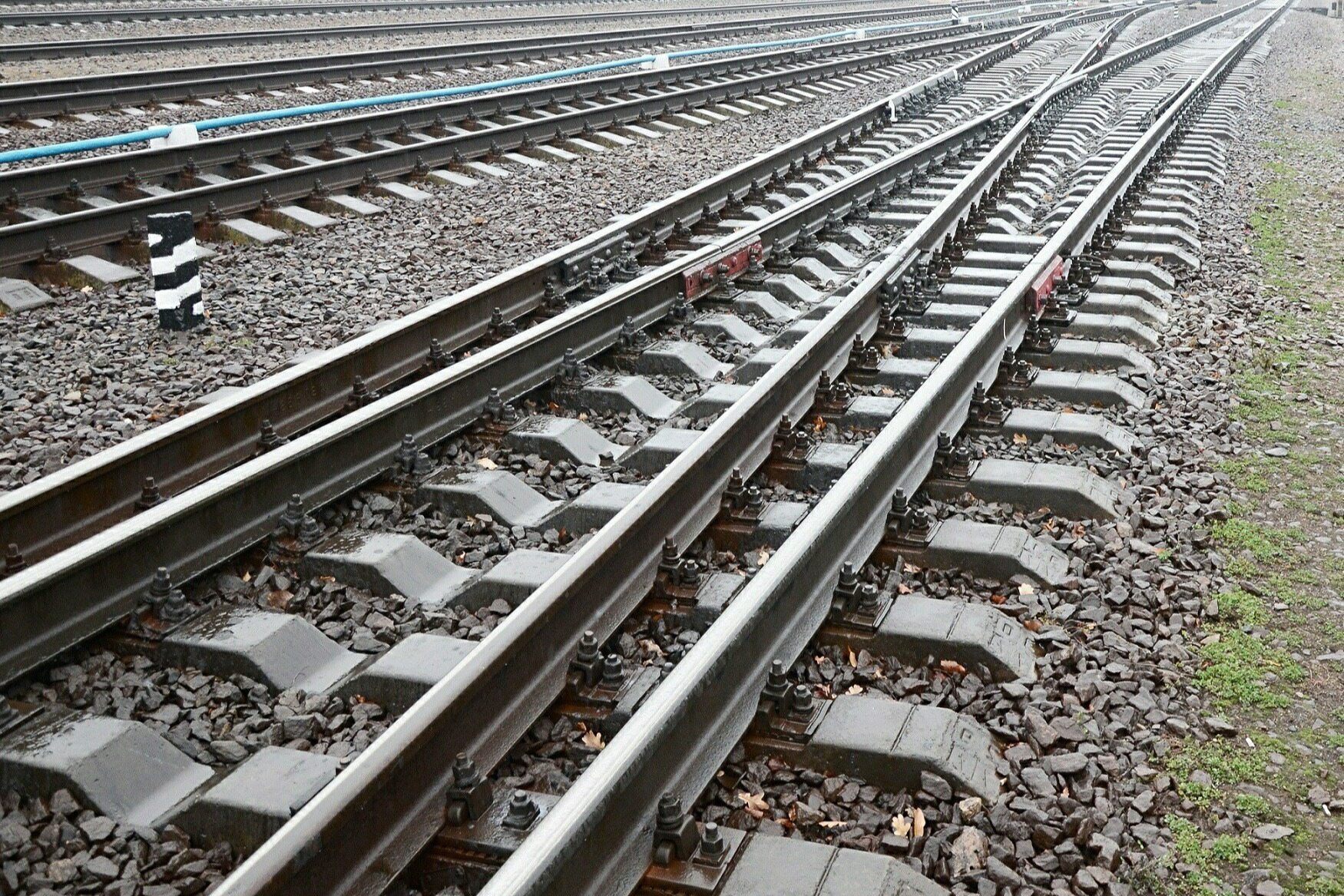
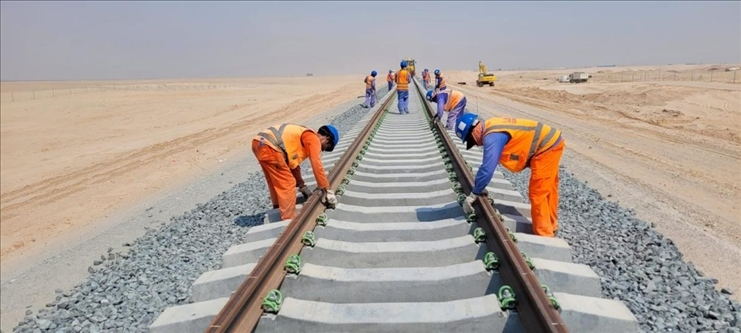
On the banks of the Persian Gulf, a desert city once famous for oil and gas, now has towering cranes and extended railway tracks. Chinese engineers and local workers are working side by side to lay photovoltaic panels in the Gobi Desert, allowing high-speed rail to cross the sandy sea - a new thread of the Silk Road, from road construction and bridge building to industrial co construction, is accelerating its growth in the Middle East.
The first half of 2026 will usher in a critical turning point: the Middle East will surpass Africa for the first time and become the core and most active overseas region of China's the Belt and Road project contracting. In the first half of 2026, China's Middle East engineering contracting amount reached 36.5 billion US dollars, a year-on-year increase of 98.4%, setting a new historical high for the same period since the implementation of the initiative in 2013.
In the same period, China's total contracting and investment for projects along the the Belt and Road reached 126.4 billion US dollars, a record high, and the Middle East has officially become the fastest growing main market for Chinese enterprises' infrastructure overseas.
The strong rise of the Middle East track
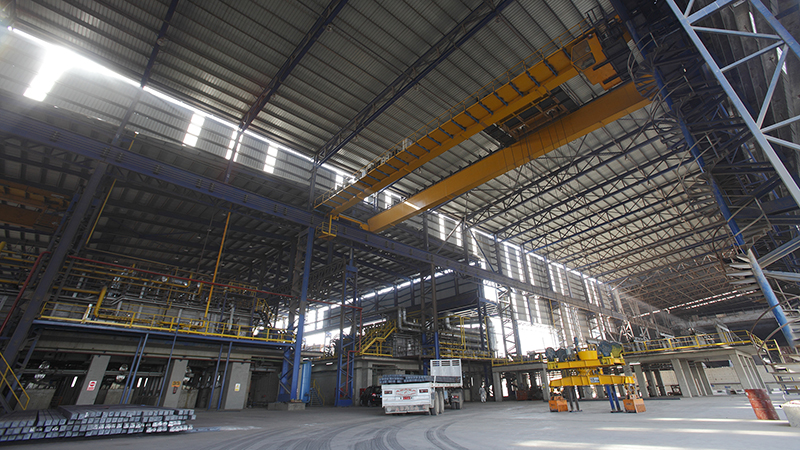
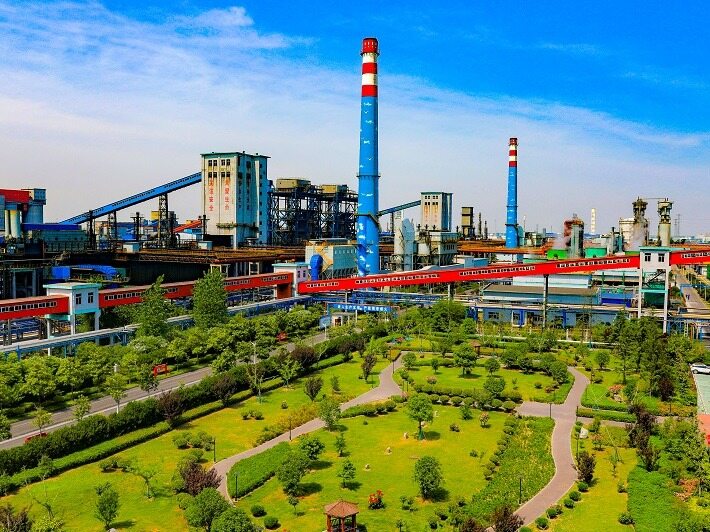
The Middle East's contracting volume accounts for nearly half of China's overseas projects along the the Belt and Road, the core of which is the centralized implementation of national strategies of Gulf countries. Saudi Arabia's 2030 Vision and the diversified development plan of the United Arab Emirates are accelerating comprehensively, and the demand for energy, transportation, and municipal engineering is concentrated and released. In the first half of 2026, 32 billion dollar major projects will be implemented in the Middle East, including super projects such as the UAE high-speed railway and the Egypt billion dollar steel project, directly driving the regional contracting scale to nearly double.
Multiple markets blooming in multiple countries
The United Arab Emirates ranks first in the Middle East with a contracted amount of 18.4 billion US dollars, relying on large-scale high-speed rail projects to become a core pivot for Chinese enterprises to layout in the Middle East. Kuwait followed closely with 11.5 billion US dollars, focusing on municipal projects such as seawater desalination and affordable housing.
Saudi Arabia and Qatar continue to implement new energy and high-end infrastructure projects. At the same time, Central Asian and Southeast Asian countries such as Uzbekistan and Vietnam also maintain a high level of engineering cooperation.
Iterative upgrade of cooperation mode
While the Middle East market is rapidly expanding, the structure of cooperation between Chinese enterprises has undergone a qualitative change. Green energy has become the cornerstone of cooperation, with a large number of photovoltaic, solar storage, and new energy public utility projects landing. The cooperation has extended from traditional road and bridge construction to physical industries such as steel manufacturing, new energy vehicles, and battery materials, completing the upgrade from infrastructure general contracting to industrial co construction. In addition, the proportion of private enterprises participating has risen to 48%, completely changing the dominant pattern of central enterprises and becoming a new force for going global. Keywords: the Belt and Road, Middle East market, infrastructure
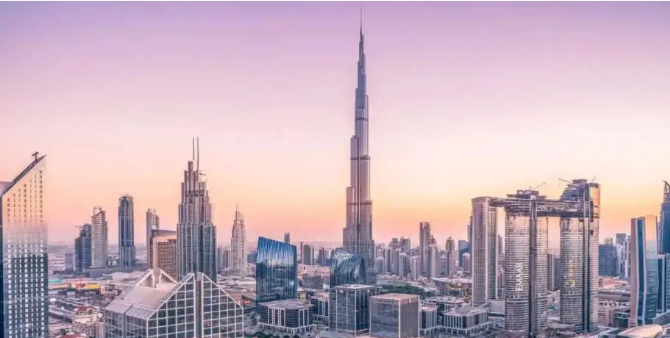
The current Middle East infrastructure has entered a super growth cycle, with large-scale projects landing intensively and strong market certainty. The cooperation model bids farewell to single EPC construction and shifts towards integrated comprehensive services of investment, operation, and technology transfer. The market entities are becoming more diverse, and private enterprises are entering a new window period for going global. Many core data confirm the great change in the industry: the Middle East has officially replaced Africa as the core growth pole of China's the Belt and Road infrastructure offshore.Editor/Gong Ziwei
Comment


 Praise
 Collect
 Comment

 Share
Share


Write something~