 Search


- This corridor directly connects Northeast China with the Arctic Ocean
- Develop a new Eurasian trunk line that does not bypass the Suez Canal
- Open up a new channel for the revitalization of Northeast China and the export of Arctic resources
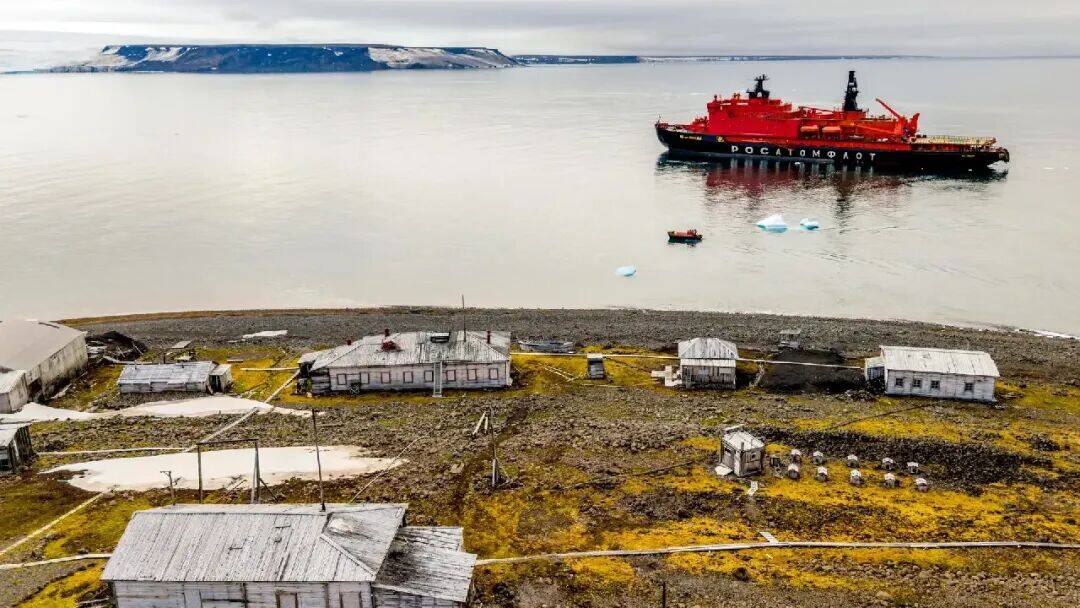
At 71 degrees north latitude, by the Laptev Sea, the polar town of Jixi, with a population of only a few thousand, has recently become a new focus on the world shipping map. This place is frozen for most of the year, with short summers and port operation windows often lasting only a little over two months. In such a place, the Naiba Deepwater Freight Terminal officially started construction. Assistant to the Russian President and Chairman of the Maritime Committee, Patrushev, personally visited the site and referred to this project as a pillar marine infrastructure for developing the northeast Arctic, developing mineral resources, and ensuring northern transportation.
Nikolayev, the Chief Executive of the Republic of Yakutia, put it more bluntly: for Yakutia, this is an opportunity to bring the vast territory and dormant underground minerals into the development track, create new industries and employment opportunities. Gold mines, oil and gas, and rare metals have been buried under permafrost for many years, and what is lacking is never resources, but a low-cost channel that can transport resources out.
A new route heading north
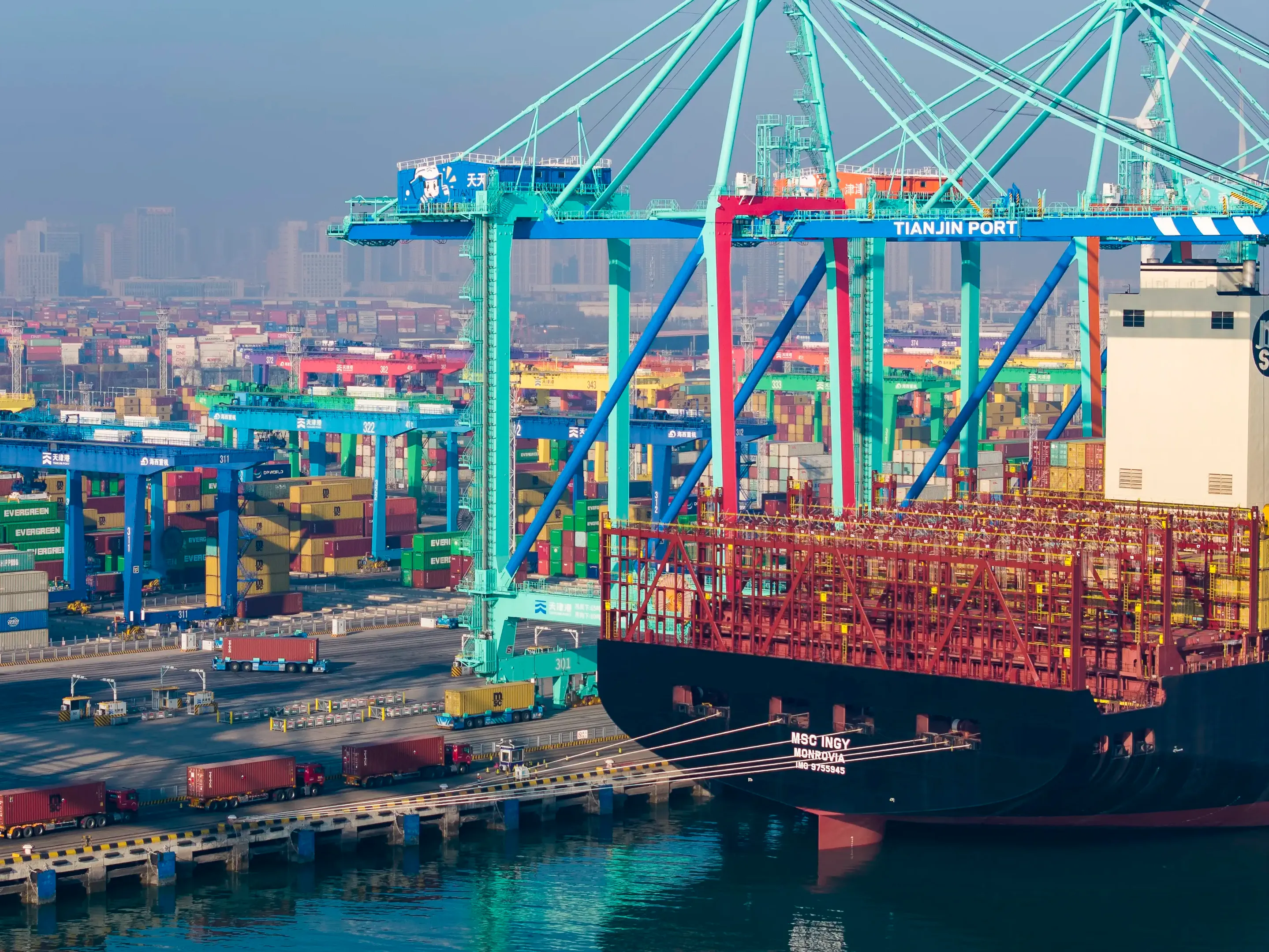
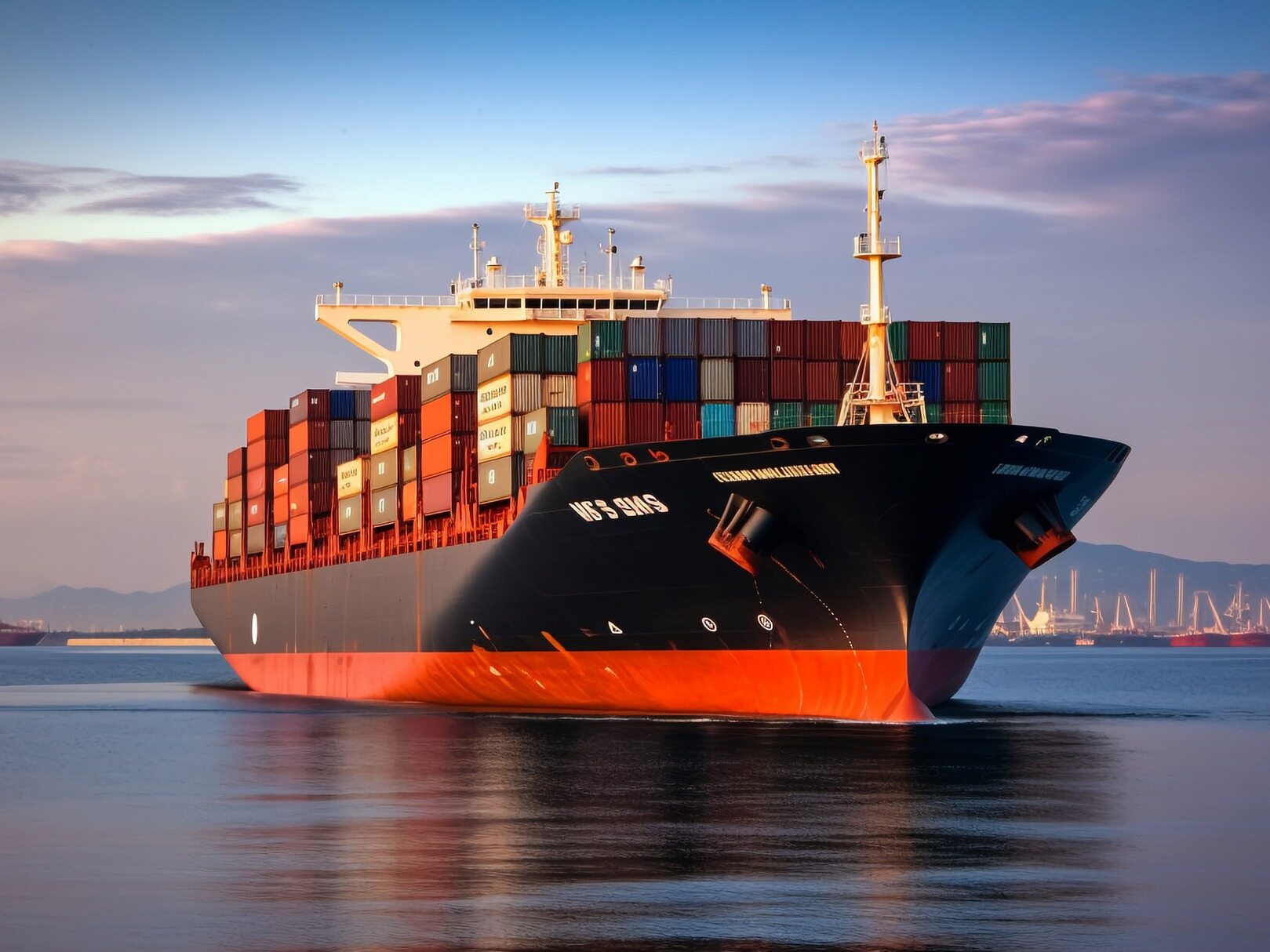
The significance of Naiba goes beyond just a port. It is the northern outlet of the Mohe Naiba International Transport Corridor, and the southern end is connected to the Mohe River in Heilongjiang Province, China. The goods leave the Mohe River, cross the Amur River into the Russian railway network, and head north to reach the Lower Beskakh freight hub. They then transfer to another ship and travel more than 1000 kilometers north of the Lena River, arriving at the Naiba Port on the coast of the Arctic Ocean. After being loaded with large Arctic merchant ships, they enter the Northern Sea Route and head straight for Europe.
The data provided by the Russian Maritime Commission is quite impressive: the annual throughput capacity of the corridor is expected to be 30 million tons, with a total investment of about 113 trillion rubles, equivalent to over 13 billion US dollars. Compared to the traditional route through the Suez Canal, this transit route is shortened by half. The previously launched China Europe Arctic Express has been validated for its timeliness - departing from Chinese ports and arriving in Europe via the Arctic route takes only about 20 days.
Engineering on frozen soil
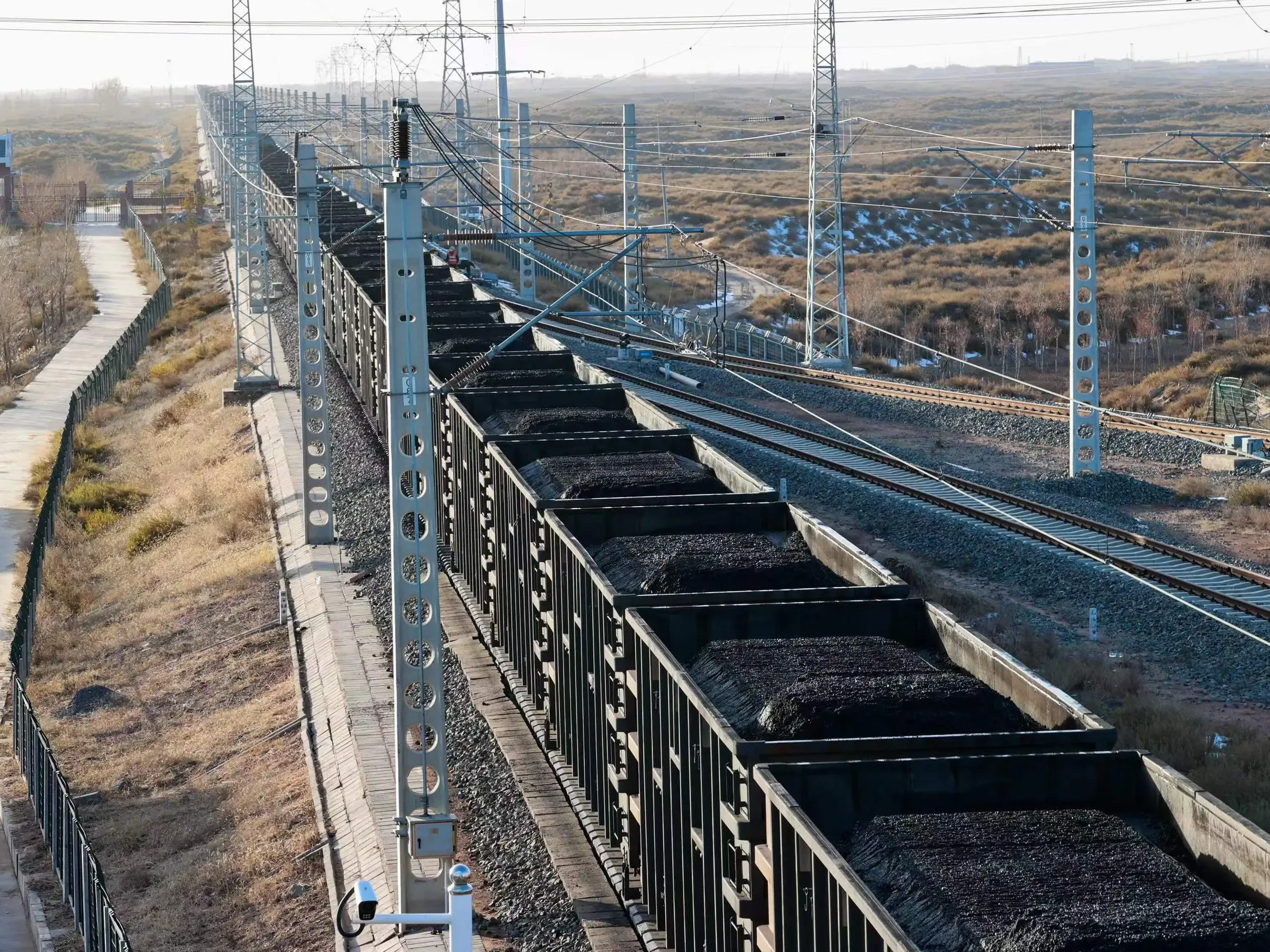
This is a fully fledged multimodal transport corridor, integrating railways, inland waterway transportation, ports, and Arctic infrastructure into the same framework. During the 11th Eastern Economic Forum, relevant parties signed a cooperation agreement to implement the corridor, clarifying the coordination of three key projects: the construction of a new border port with China, the construction of the Naiba Deepwater Freight Terminal, and the construction of a railway line with a total length of over 2900 kilometers to Magadan. Accompanying it are the cross Amur River joint bridge passage, as well as two new railway lines from Lower Beskah to Naba and Lower Beskah to Magadan. The negotiations between China and Russia on establishing a unified investment framework are currently underway.
The difficulty is also on the surface. Most railways and ports are located in permafrost zones, and freeze-thaw cycles can threaten the roadbed and dock structures; The Northern Sea Route is only suitable for large-scale navigation in a few months of summer each year, and requires ice breaking ships for support in winter; The construction period of the nearly 3000 kilometer new line is long, and any delay will drag down the overall situation.
New variables in Northeast China
For Northeast China, the value of this corridor lies in the addition of a northward option. The export of goods from Northeast China has long relied on southbound detours or transshipment through eastern ports. Now, there is an additional land sea intermodal route that does not pass through Malacca or Suez, providing a time advantage for exporting electromechanical products and grain to the European market. The Russian side is also accelerating: by 2025, the cargo volume of the Northern Sea Route has reached 37.02 million tons, and the container volume between China and Russia has increased from less than 180000 tons to over 400000 tons.
Of course, 30 million tons is the long-term full load target, and there is still a long ramp up period from the initial hundreds of thousands of tons to full production. But once this channel is formed, there will be an alternative major artery on the supply chain map of the Eurasian continent that is truly dominated by China and Russia.Editor/Yang Meiling
Comment


 Praise
 Collect
 Comment

 Share
Share


Write something~