 Search


- The restructuring of global photovoltaic trade is forcing the upgrading of competition models in the new energy industry
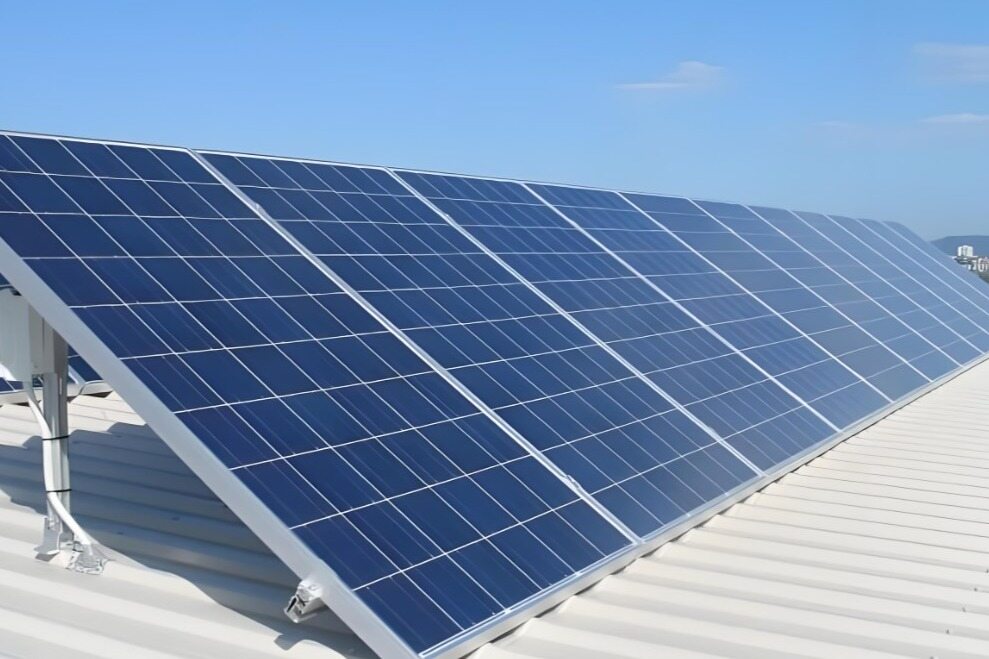
The United States has successively introduced photovoltaic tariffs and subsidy policies, continuously blocking the Southeast Asian photovoltaic transit channel to China. Local photovoltaic factories have expanded their production and landed, relying on homologous technology to seize the market and completely rewrite the previously stable global photovoltaic supply chain.
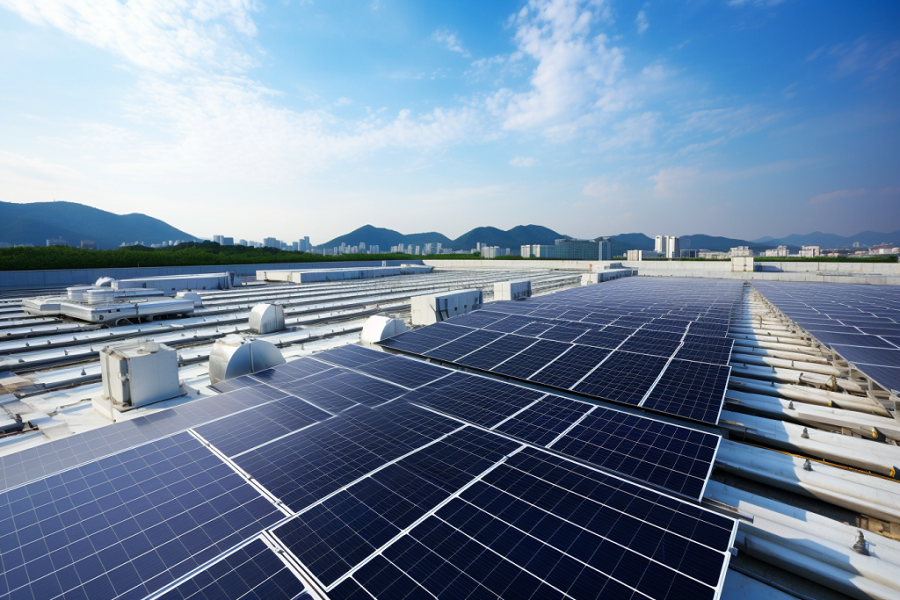
The transit mode has come to an end
On September 15, 2026, SEGSolar's second photovoltaic module factory in Houston, USA, was officially put into operation, producing the first batch of heterojunction modules. The total investment of this project is 200 million US dollars, with an annual production capacity of 4GW. After production, the company's total production capacity in the United States will increase from 2GW to 6GW. The company will simultaneously build a 4.6GW new factory, which is expected to be put into operation in May 2027, and plans to implement a local battery cell production line in 2028 to promote integrated production throughout the entire chain.
This production coincides with the final ruling of a new round of Southeast Asian photovoltaic anti-dumping and countervailing measures in the United States, with the highest comprehensive tax rate reaching 268.06% under the new regulations issued on September 11, 2026. Combined with high tariffs on four Southeast Asian countries by 2025, the export model of China's photovoltaic Southeast Asian springboard has been completely blocked. By 2025, China's photovoltaic exports to relevant regions will decrease by 65%, with a significant differentiation in export structure. The export of solar cells will increase by 94.8%, while the export of modules will decrease by 15.3%. The US company's production line adopts mature HJT technology and processes from China, but can avoid trade tariffs with China, becoming a core carrier for supply chain substitution.
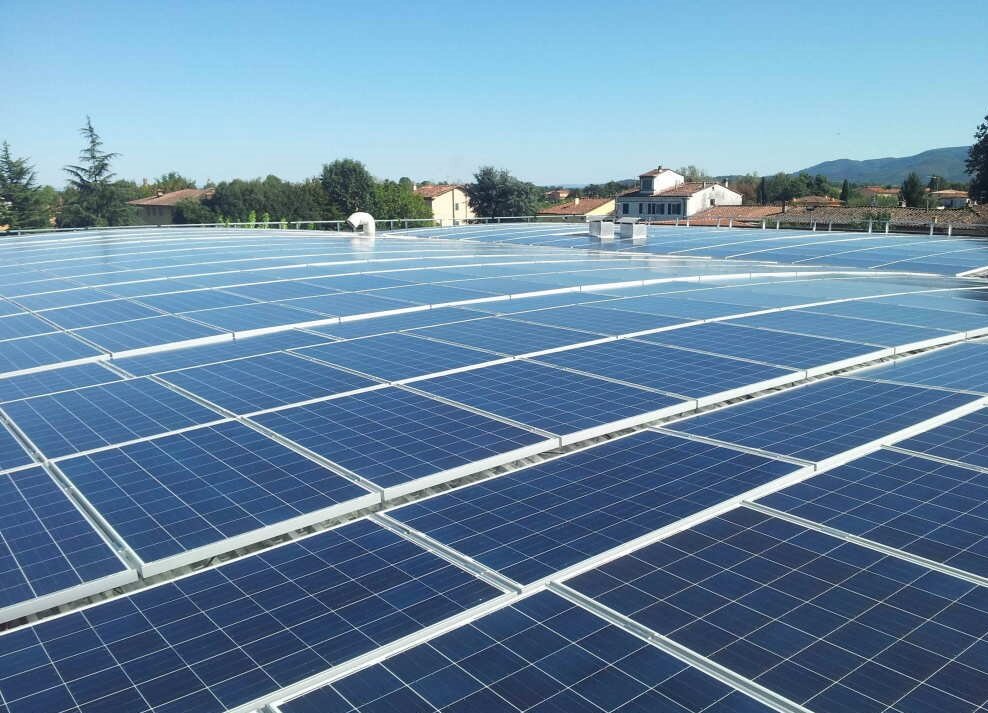
Bilateral policy constraints
The IRA bill in the United States provides high tax credits for the local photovoltaic industry, with a subsidy of approximately $70 million for every 1GW of modules produced, and the policy dividend will continue until 2029. At the same time, the regulatory rules of FEOC have been tightened layer by layer, strictly screening the proportion of Chinese equipment, materials, and technology in the supply chain, and canceling subsidy qualifications if exceeding the standards. The industry is caught in a dilemma of relying on mature Chinese photovoltaic technology to achieve mass production, while also passively divesting Chinese industrial elements. Keywords: photovoltaic supply chain, HJT components, new energy game
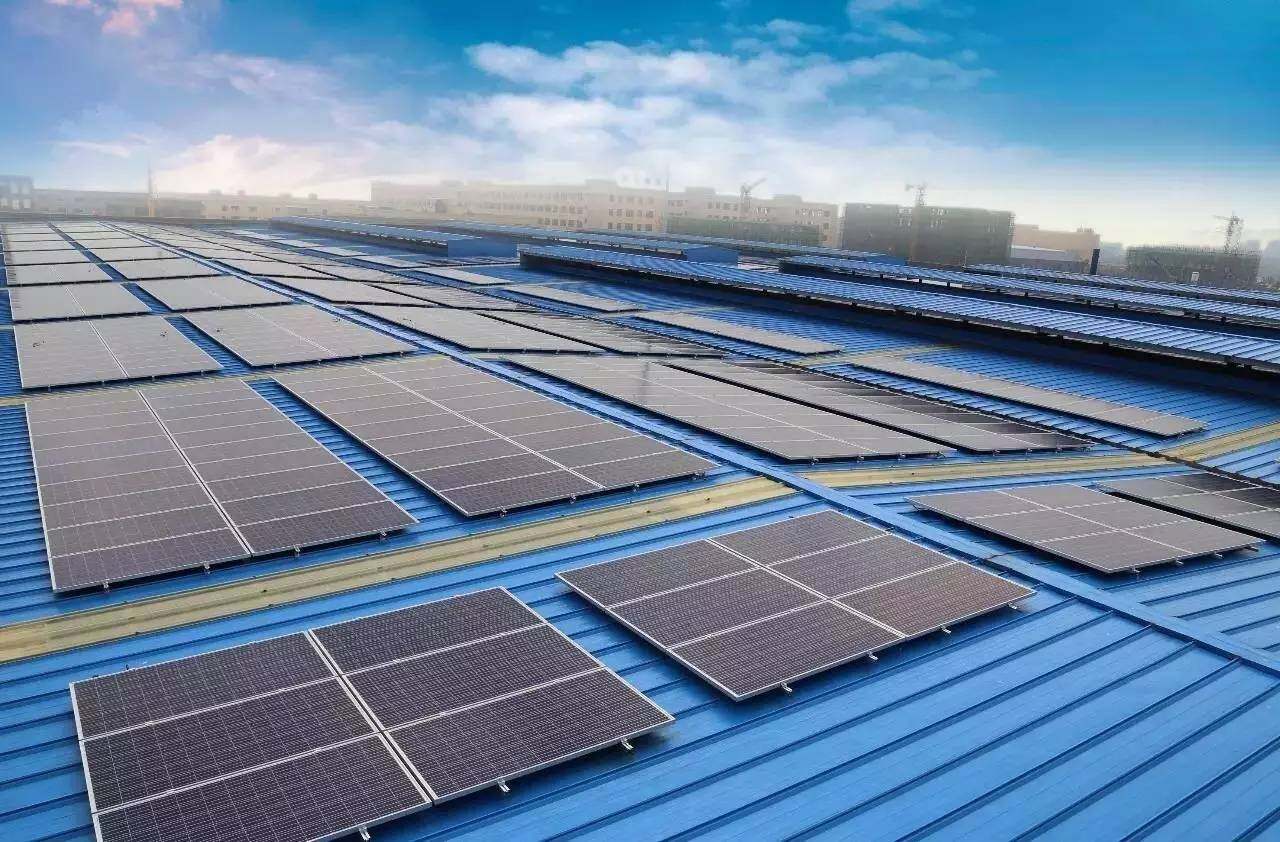
Industry competition iteration
The traditional energy trade advantages between China and the United States complement each other, and the photovoltaic field has shifted to a comprehensive competitive pattern. China accounts for over 80% of the global photovoltaic production capacity, while the United States supports local manufacturing through policies. However, the upstream capacity gap is prominent, with solar cell imports reaching 21.82GW by 2025. Coupled with the tightening of grid connection policies in 2027, the industry may experience a rush to install and subsequent overcapacity problems. The expansion of production by American companies this time is a decoupling test of the photovoltaic industry, marking a new stage of competition in the photovoltaic industry, bidding farewell to single product exports and entering a new stage of technological ecology and rule game.Editor/Min Jing
Comment



 Praise
 Collect
 Comment

 Share
Share


Write something~