 Search


- Indonesia's mega photovoltaic project landing, activating new opportunities for Southeast Asian new energy cooperation
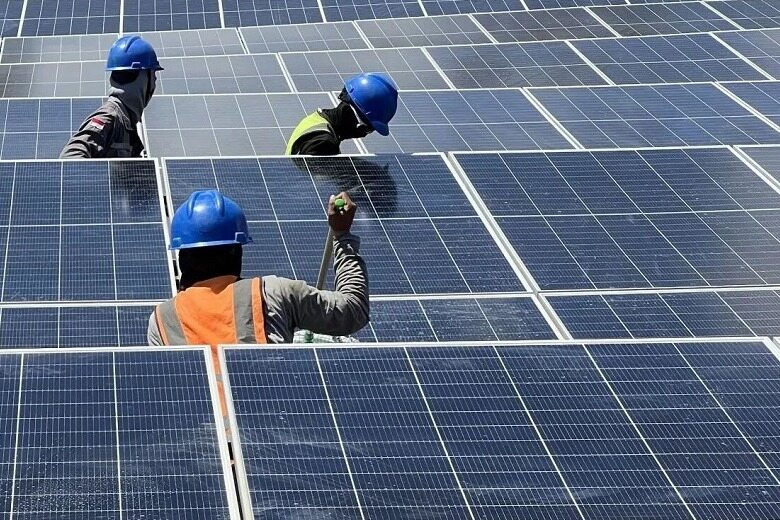
The Southeast Asian new energy market has achieved a major breakthrough, and Indonesia has officially launched a national level large-scale photovoltaic plan. From the start of the first batch of projects to the release of billions of investment, coupled with energy storage, grid upgrading, and diversified scene expansion, Indonesia has completely bid farewell to the policy planning stage and fully entered the physical construction cycle, bringing broad overseas space for domestic and foreign new energy enterprises.
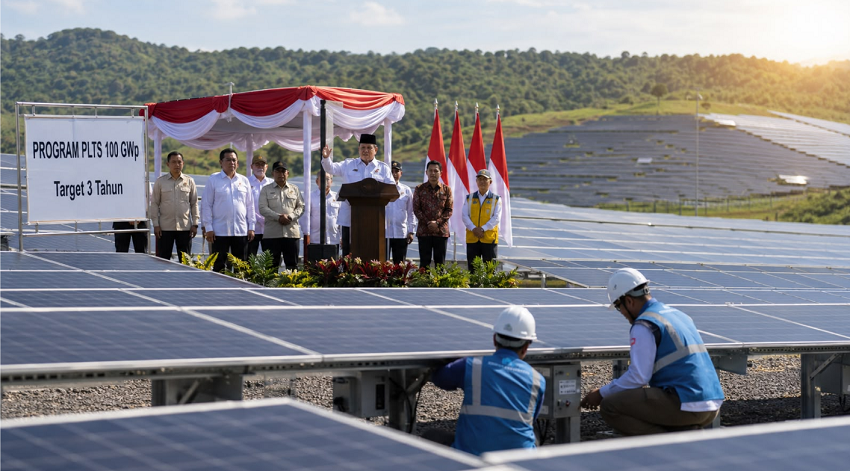
Billion dollar photovoltaic plan implemented
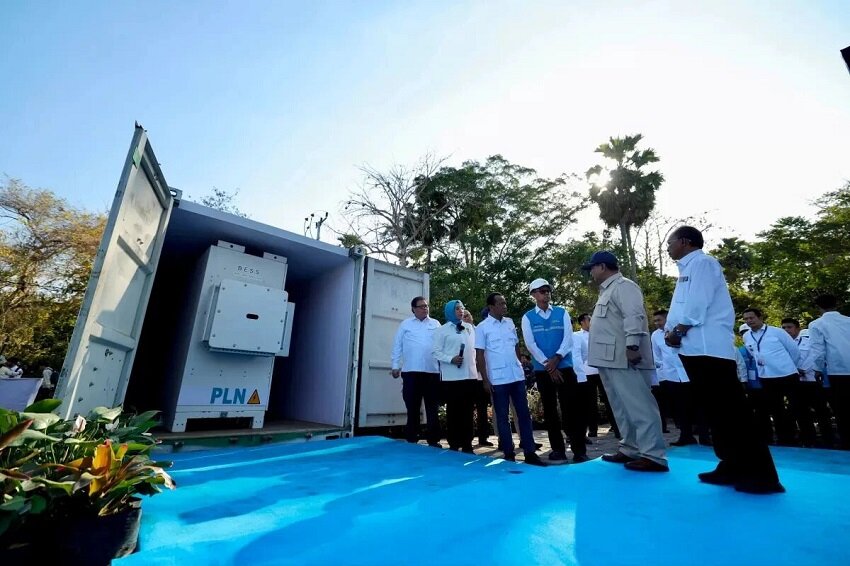
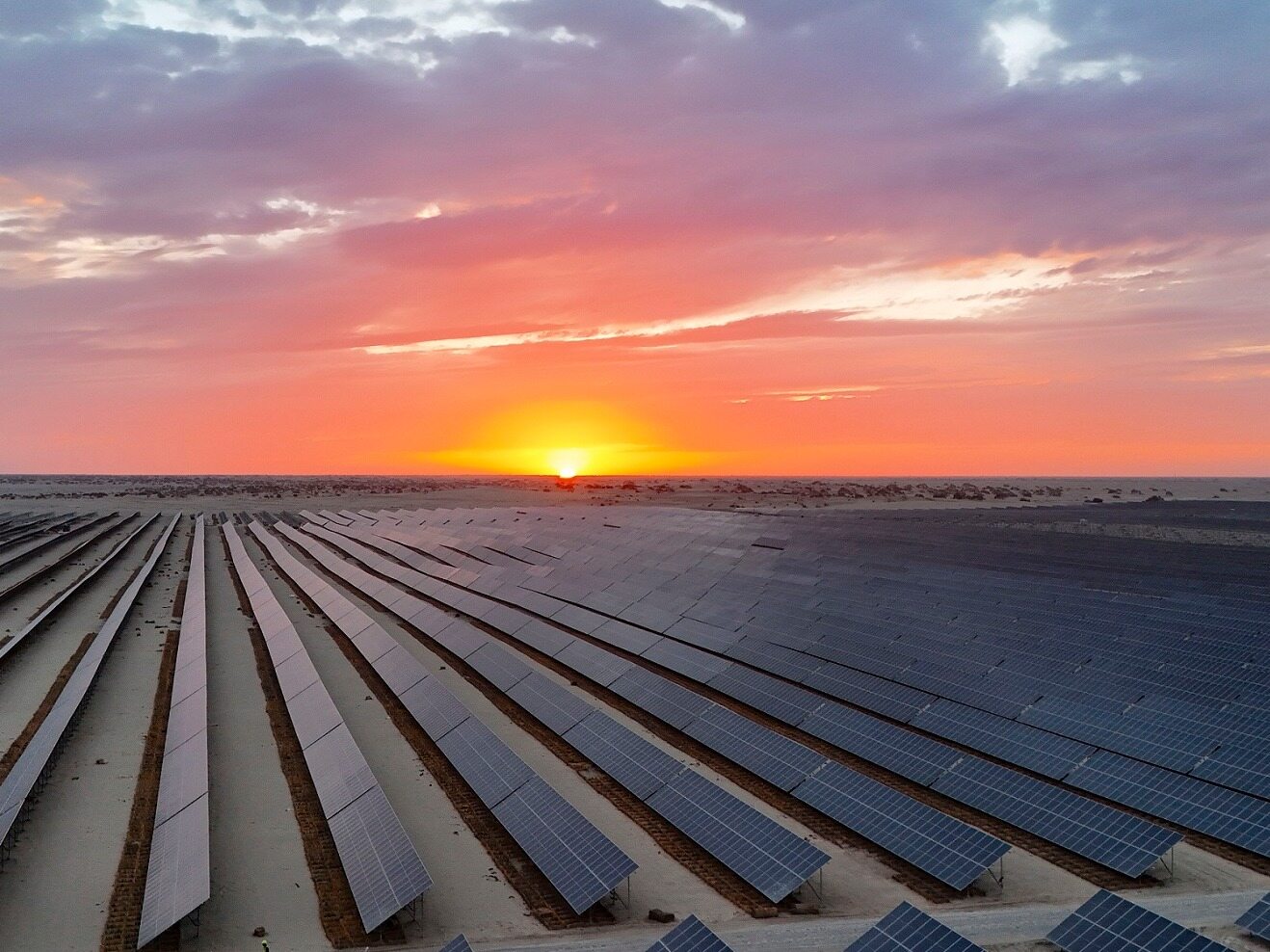
Recently, Indonesian President Prabowo officially launched a national level plan for 100GWp solar power generation in Bali, simultaneously starting the construction of the first batch of 14 photovoltaic projects with a total installed capacity of 5.3GWp, covering the six core provinces of Indonesia. The overall project is expected to have a total investment of 1140 trillion Indonesian rupiah, equivalent to 71.3 billion US dollars, and is planned to be fully completed before 2029. The first batch of projects will have an investment scale of 135 trillion Indonesian rupiah. The project adopts a phased promotion mode, gradually achieving the target of installing 100 gigawatts in three stages. At the same time, Indonesia plans to add 30GWp of photovoltaic installed capacity and phase out 13GW of diesel power generation capacity by 2026, which can save 73.9 trillion Indonesian rupiah in electricity costs annually and significantly optimize the country's energy structure. The development progress of the first batch of 14 projects varies, with 2 projects already in operation and 6 projects under construction, while the remaining 6 are open to investors, and the pace of market-oriented implementation continues to accelerate.
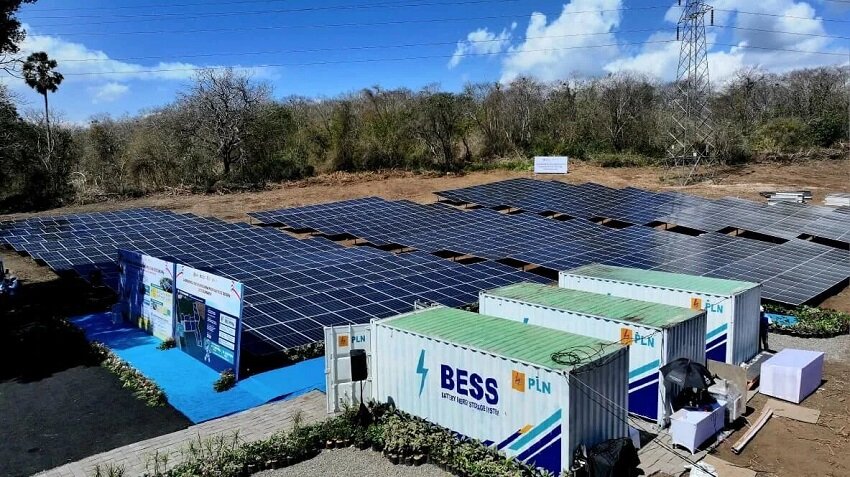
Collaborative upgrade of storage network supporting facilities
This photovoltaic planning is not a single power generation project construction, but a complete energy storage and grid upgrade system. Indonesia has clarified that the development of photovoltaics must be accompanied by BESS battery energy storage systems, and the first phase of 17GW photovoltaic construction will be matched with 33GW energy storage systems. Taking the Gilimanuk project in Bali as an example, the project includes a 305MWp photovoltaic facility and a 1GWh energy storage system, which enhances the stability of new energy supply through the combination of photovoltaic and energy storage. At the same time, the application scenarios of the project continue to expand, covering multiple scenarios such as surface photovoltaics, island power supply, fishery supporting power supply, and all-weather power supply in remote areas, effectively solving the regional electricity shortage and empowering the development of local fisheries, industry, and people's livelihood electricity.
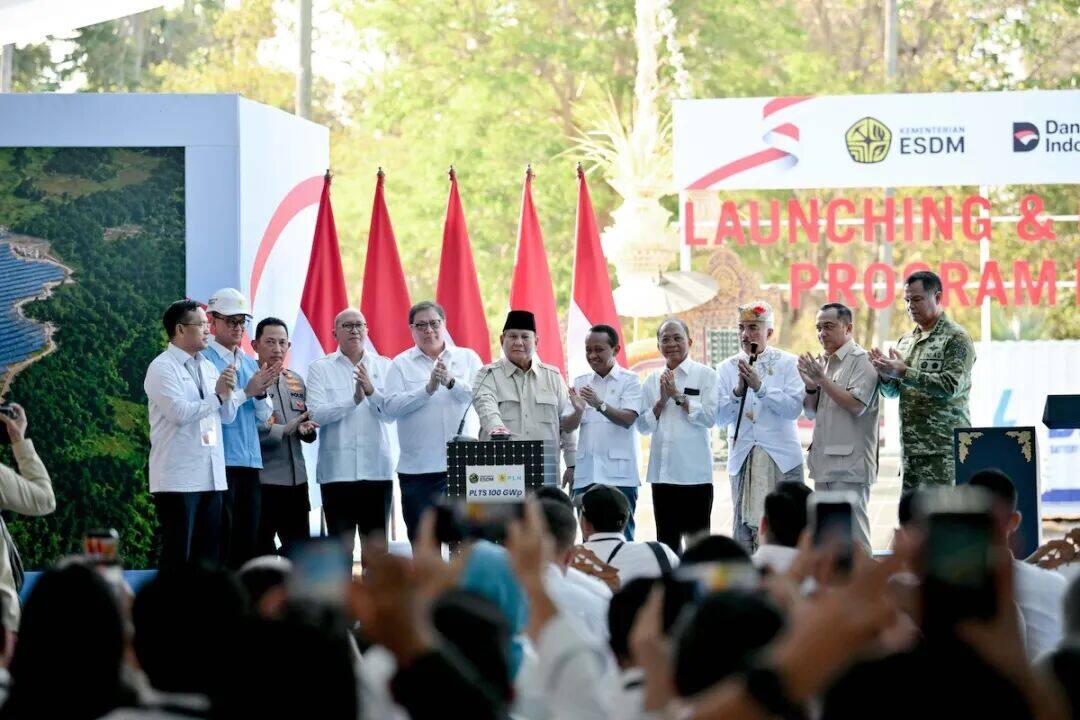
Full release of overseas opportunities
With the full implementation of photovoltaic projects in Indonesia, there is a demand for full industry chain cooperation in the local new energy market. Photovoltaic EPC engineering, project development and operation, energy storage system integration, and smart grid construction have all ushered in huge market space. Compared to traditional equipment exports, the overall solution of photovoltaic plus energy storage plus power grid has become the mainstream direction of cooperation. Keywords: Indonesian photovoltaic planning, new energy investment, coordinated development of photovoltaic and energy storage
At the same time, Indonesia is vigorously promoting the development of local new energy industries, relying on the TKDN local content policy to encourage foreign-funded enterprises to implement localized production, joint venture factories, and industrial chain cooperation. At present, the theoretical potential of photovoltaics in Indonesia is 3294 GWp, with an existing installed capacity of only 1.5 GWp. The market has huge potential for growth and has officially become a core hotspot for new energy investment in Southeast Asia.Editor/Min Jing
Comment

 Praise
 Collect
 Comment

 Share
Share


Write something~