 Search


- Open up an independent trunk line for Asia Europe trade that bypasses Russia
- Let the European supply chain no longer put eggs in the same basket
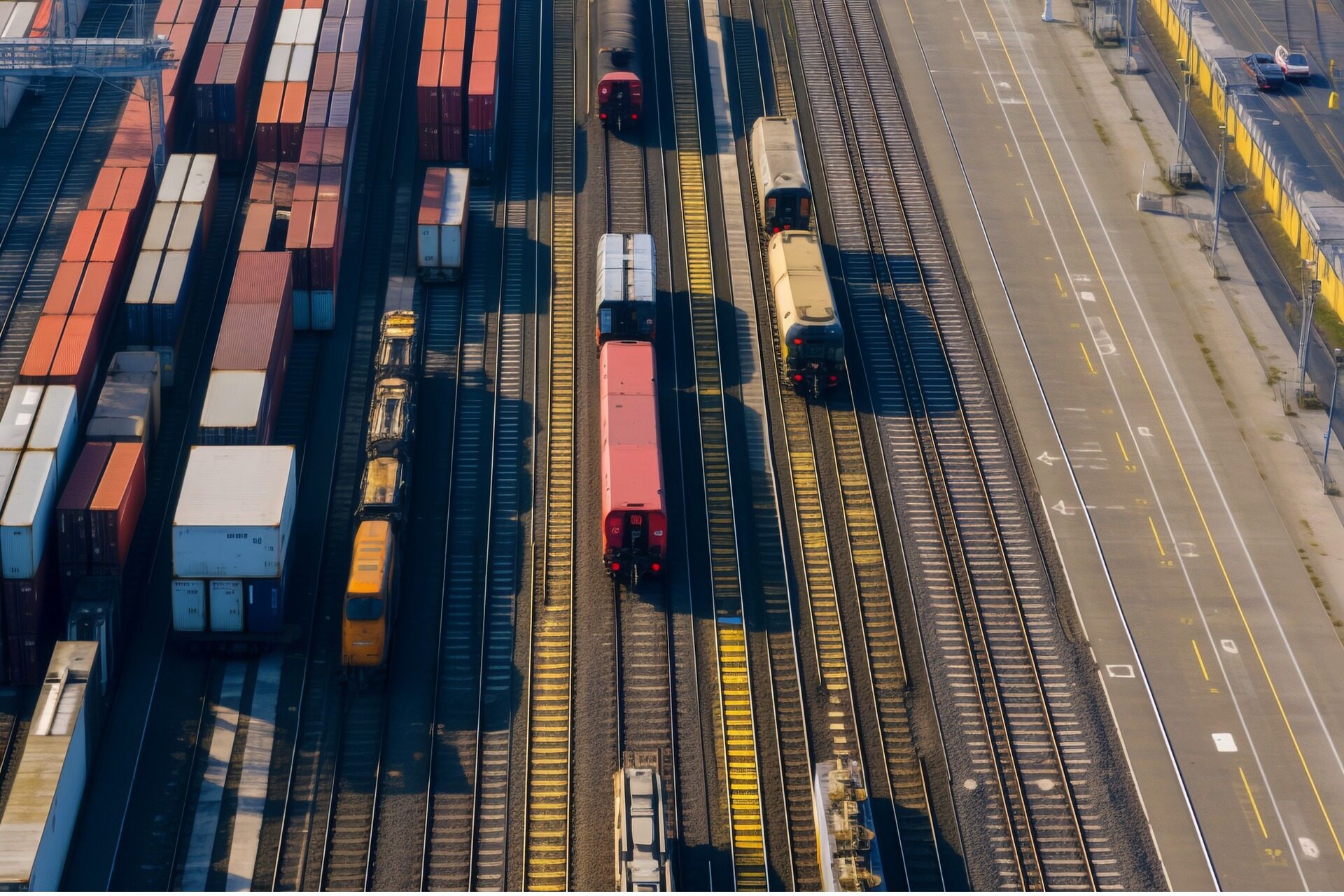
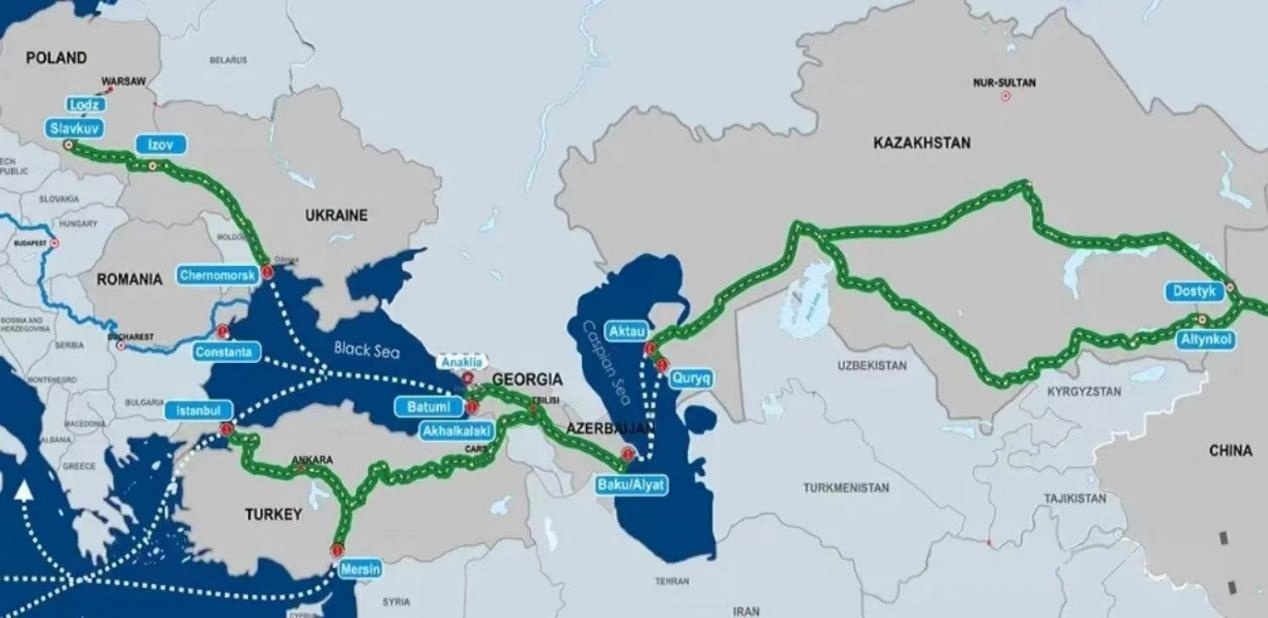
Instead of taking the familiar northern railway, a batch of electronic products sent from western China first crossed the grasslands of Kazakhstan, were hoisted onto the ship at Aktau Port, crossed the Caspian Sea to Baku in Azerbaijan, and then went west to Europe via Georgia and Türkiye. Ten days later, the shipper signed for the goods at the European warehouse - this route, which was once considered a backup plan, is now being pushed onto the main road with real money.
Bypass Russia's Shinkansen
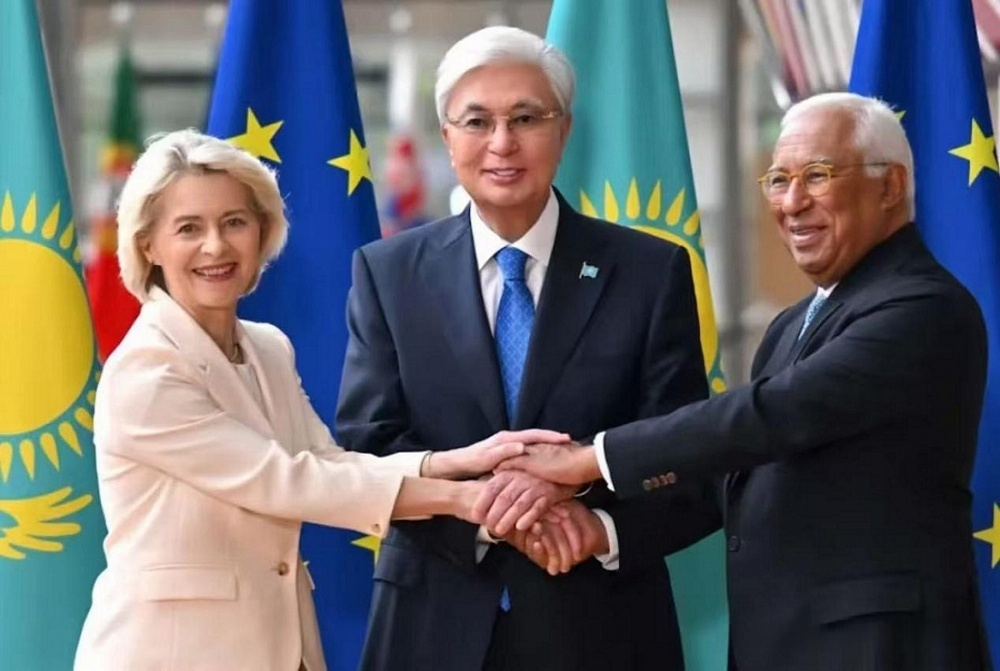
In his annual State of the Union speech at the European Parliament, von der Leyen, the President of the European Commission, announced that the EU would invest 12 billion euros in public and private capital to upgrade and open up the middle corridor between Asia and Europe, that is, the trans Caspian international transport corridor, relying on the Global Gateway Initiative. Von der Leyen said that the welfare and security of Europe cannot be maintained only by internal borders, and expanding diversified and stable international trade channels is the core demand of the EU at present. At present, the EU has established a trade cooperation system with more than 80 countries around the world, and is deeply cultivating the transportation channels in Central Asia and the Caucasus, which is a key new measure for improving its global trade layout.
The core feature of this corridor is to bypass Russian territory throughout the entire process, with Kazakhstan as the core hub, connecting logistics nodes from multiple countries in Asia and Europe. For a long time, cross-border transportation between Asia and Europe has been highly dependent on the traditional northern route, with a single path and low fault tolerance; The comprehensive upgrade of the middle corridor is equivalent to adding an independent and stable main line for Asia Europe trade, and solving the risks and hidden dangers of a single channel.
The Caspian Sea is the most difficult section
This cross-border strategic channel has a total length of about 6000 kilometers, spanning the two continents of Asia and Europe, with dual attributes of land and sea transportation. The 700-800 kilometer section crosses the seabed of the Caspian Sea, which is the most critical throat section of the entire line. The route is clear and coherent: the goods depart from China, transit through the hub in Kazakhstan, cross the Caspian Sea and arrive at Baku Port, and then split into two branch lines directly to Europe - one is relying on the main railway line, and runs through Europe by land through Georgia and Türkiye; Another route is through the ports of Poti and Batumi in Georgia, with direct sea transit to major European ports.
The EU funds will be used for infrastructure upgrades, port clearance optimization, and logistics system improvement. According to the official plan, the optimized channel can control the total transportation time of goods between Asia and Europe within 15 days. Reality is also catching up in sync: the container transportation volume along the route has rapidly increased from about 77000 TEUs in 2025, and the corridor transportation volume increased by 22% year-on-year in the first eight months of this year. After the upgrade of the Baku Tbilisi Kars railway, the annual freight capacity has greatly improved, and the first phase of the Aktau Port container hub has also been put into operation.
The turning point of inland countries
Kazakhstan's strategic position is irreplaceable. As the core gateway for entering Central Asia, it undertakes the transfer of bulk goods entering from the east, which is the core guarantee for the stability and accessibility of the entire route, and also a key partner for the EU to promote project implementation. This corridor breaks the geographical limitations of landlocked countries, and the volume of goods transshipped through Kazakhstan ports in Uzbekistan has significantly increased. Central Asian countries have ushered in new economic and trade opportunities relying on cross-border logistics dividends.
The EU's goal is to strive to triple the trade volume of this route by 2030. To accelerate the implementation, the European Union has decided to jointly hold a transportation summit with Bulgaria, linking multiple countries in Asia and Europe to promote the construction of channels, coordination of customs clearance, and standardization.keywords:Engineering infrastructure
However, there is still a distance to go from being able to walk well: the lowering of the Caspian Sea water level, inconsistent customs standards along the route, and multiple changes in multimodal transportation are all slowing down the pace. This billion dollar investment is a turning point for this project from initial implementation to large-scale upgrading, and it is also an intuitive projection of global supply chain restructuring and geopolitical trade pattern adjustment.Editor/Yang Meiling
Comment

 Praise
 Collect
 Comment

 Share
Share


Write something~