 Search


- Kazakhstan sets timetable for autonomous taxis by 2027, from testing roads to commercial passenger transport
- Provided replicable samples for regional intelligent transportation and digital governance
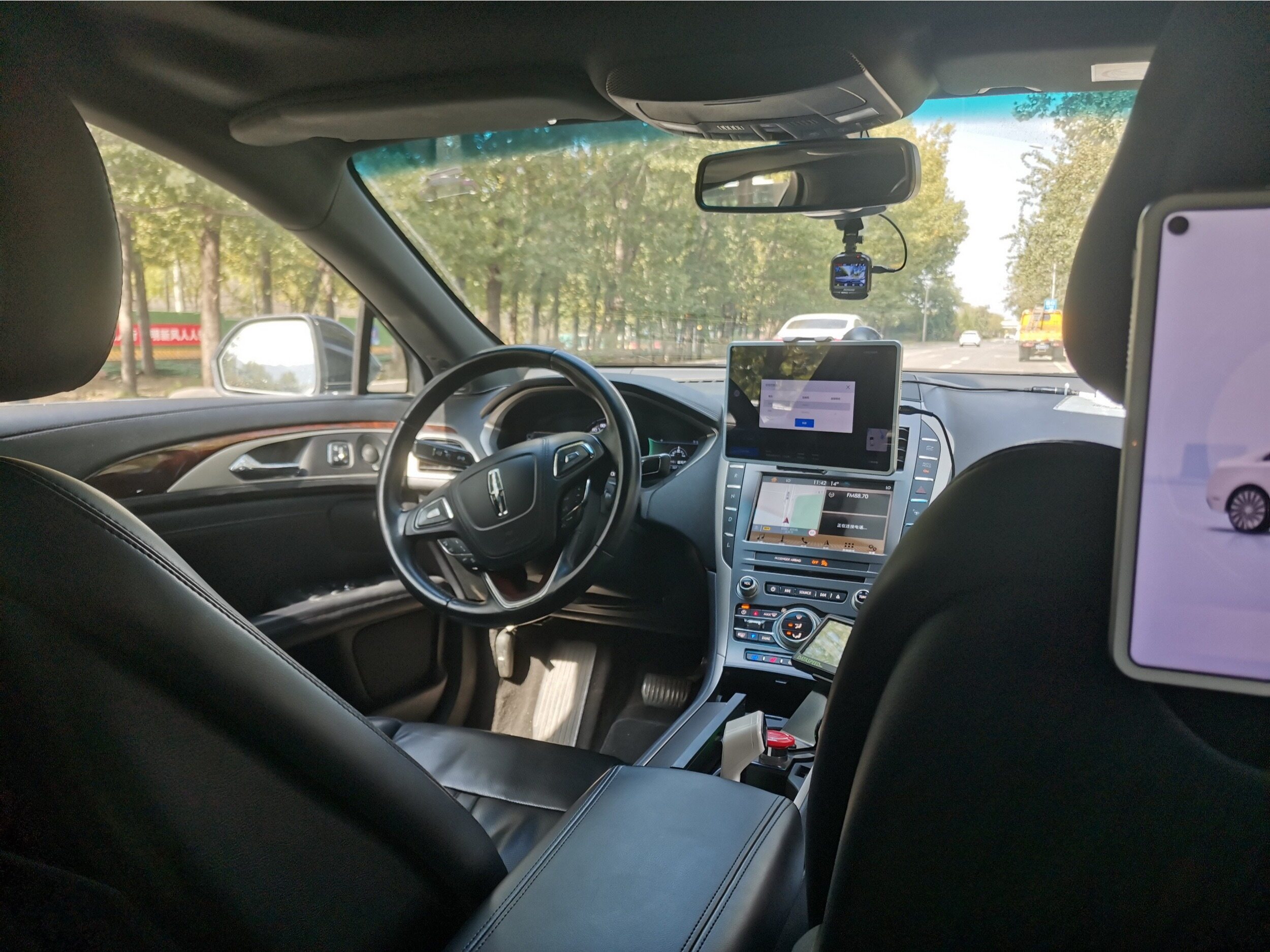
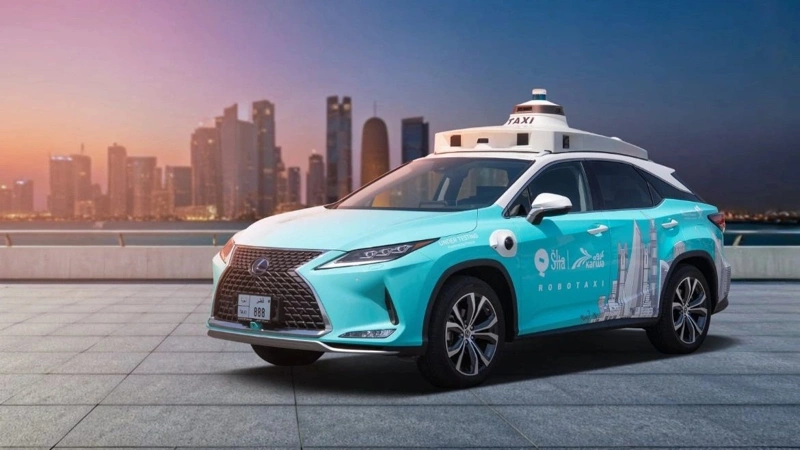
In the early morning of Almaty, traffic slowly spreads along the tree lined road. A sedan with sensors on its roof and autonomous driving signs on its body merges into it, with no one in the driver's seat, but the steering wheel rotates on its own. The pedestrians passing by slowed down and took out their phones to capture this scene. For this largest city in Central Asia, such scenes are transforming from rare occurrences to everyday scenery, and the timeline behind it has been set: by 2027, autonomous taxis will officially begin commercial operations here.
Empty driver's seat on the street
The first autonomous vehicle operating in test mode has been put into road testing in Almaty. According to Tiemu'er Shaleknov, General Manager of Yandex Qazaqstan, the main task of this vehicle at present is not to carry passengers, but to accumulate real road experience and gradually draw high-precision maps. He also revealed that the team needs to run thousands of kilometers in this mode before it will receive the first batch of paying passengers. The pilot project is being launched simultaneously in Astana, Almaty, and Kuosh City in Akmola Oblast, with different road conditions and climates in the three locations, forming an all-weather and all scenario stress test.
Establish rules first and then hit the road
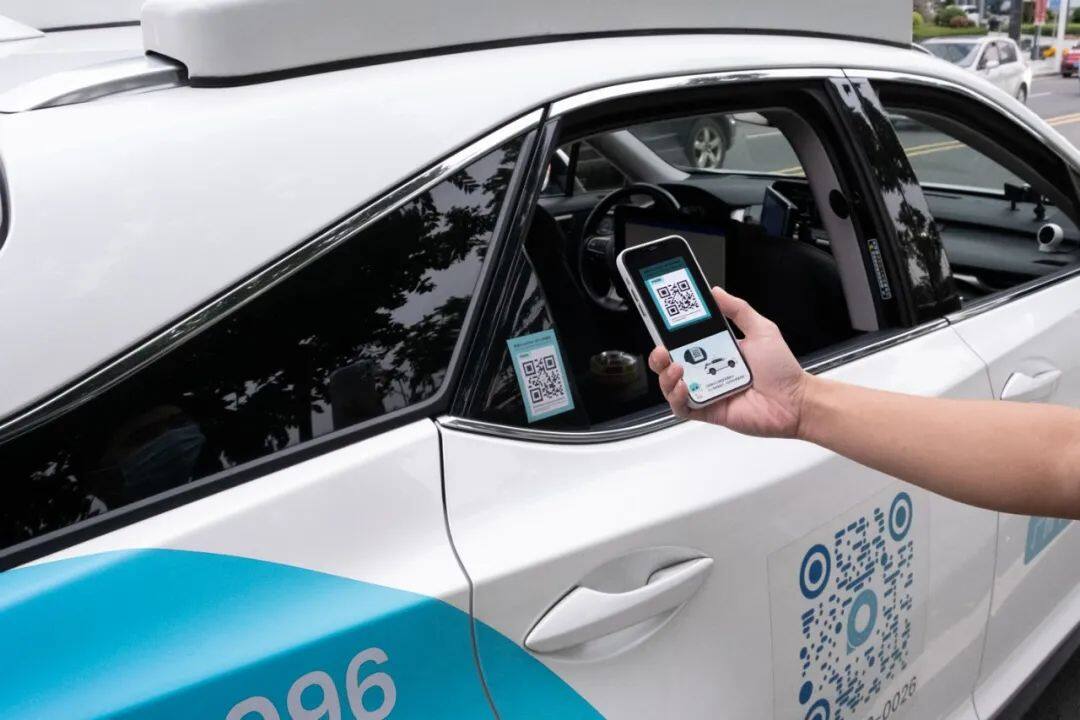
Before technology hits the road, rules come first. In August of this year, the government of Kazakhstan approved the pilot rules for autonomous vehicles, allowing them to be used for transportation services such as taxis within the testing framework, thus launching a three-year pilot program. The rules are graded according to the degree of automation: conditionally autonomous vehicles must be equipped with personnel ready to take over at any time; Highly autonomous vehicles can operate without a driver inside, but must be monitored in real-time by remote operators. Data recording system, video monitoring equipment and emergency shutdown device of auto drive system shall also be installed on the test vehicles, and unified signs shall be posted, and on-board software anti external interference mechanism shall be established; Passenger transportation, cooperation with law enforcement agencies, handling of traffic accidents, and liability insurance are also included in the provisions.
Driving towards daily life in 2027
At a recent government meeting, Prime Minister Volezas Bektinov specifically asked about the launch time of autonomous taxis. The Minister of Artificial Intelligence and Digital Development, Zasulan Madiyev, responded that regulatory authorities are synchronously improving the regulatory mechanism in this field, and the testing being conducted in Almaty will accumulate experience for the subsequent formulation of relevant laws and technical specifications. According to the plan, commercial operations will commence in 2027.
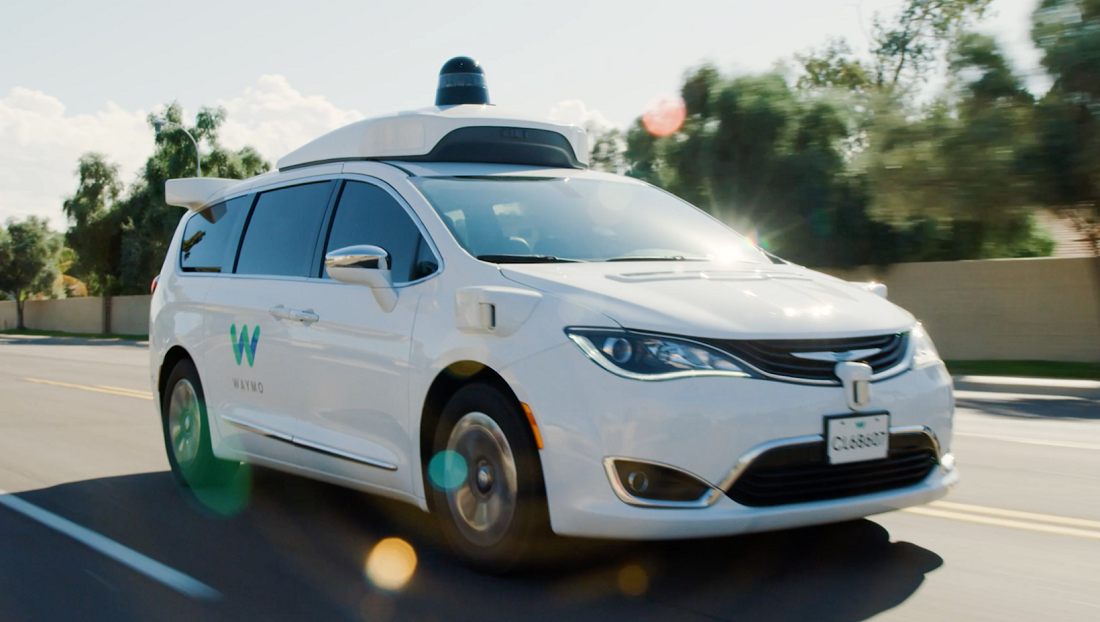
This rhythm echoes Kazakhstan's overall digital ambitions. The country has designated 2026 as the year of digitization and artificial intelligence, introduced the Artificial Intelligence Law, becoming the first country in Central Asia to legislate on artificial intelligence, and is attempting to build itself into a digital hub connecting Europe and Asia. There are also many international partners on the automatic driving track: in July 2026, the Chinese unmanned driving travel service platform Apollo Go signed a cooperation agreement with the Kazakh enterprise Turlov Private Holding to explore the local landing of unmanned vehicle services, thus China's automatic driving technology entered the Central Asian market for the first time.
Thousands of kilometers of road tests are still ongoing. Once these miles are accumulated, the empty driver's seat on the streets of Almaty may no longer be worth raising a phone for passersby.Editor/Yang Meiling
Comment





 Praise
 Collect
 Comment

 Share
Share


Write something~