 Search


- Provided replicable new samples for Uzbekistan to break through the garbage siege and accelerate energy transformation
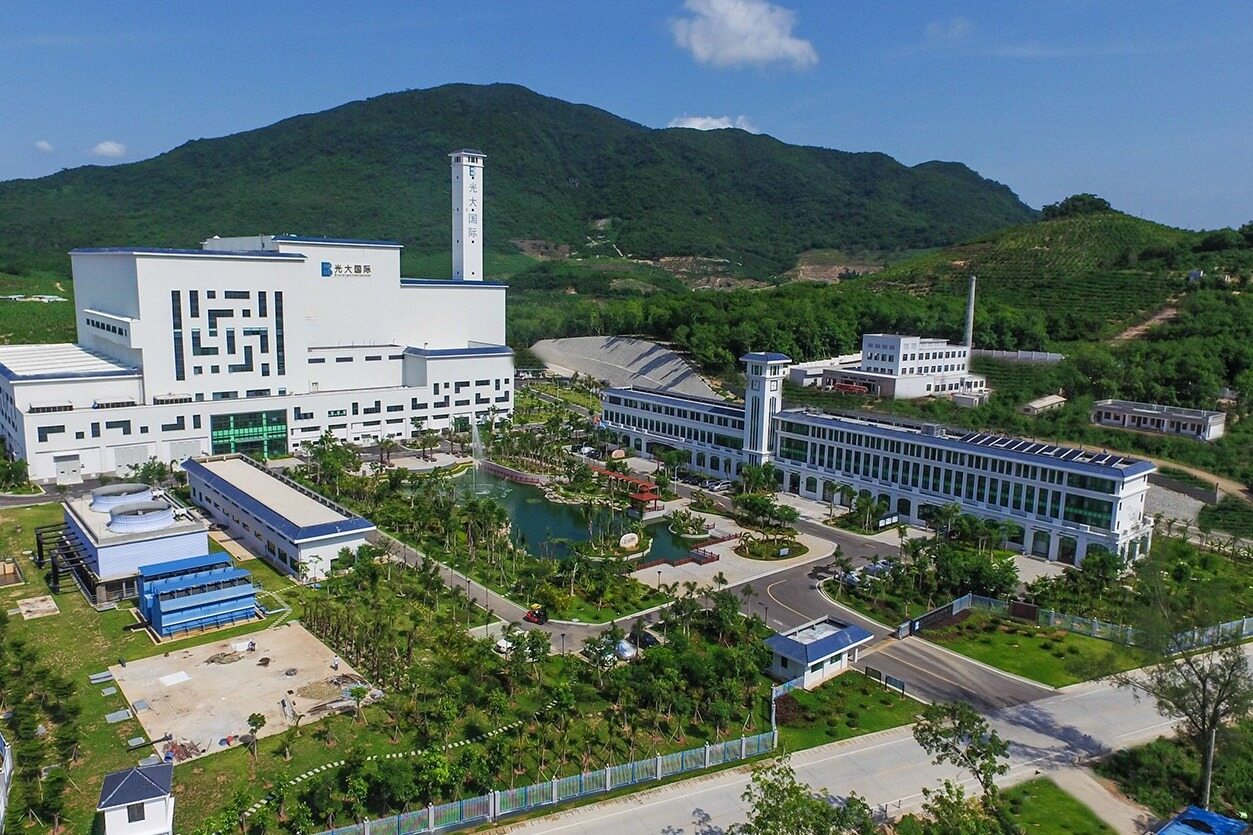
In the early morning, as usual, landfills in the suburbs of Jizak state welcomed trucks and trucks of household waste. Bulldozers flattened and compacted them, and the smell drifted with the wind towards the distant farmland. This scenario is not uncommon in Central Asia: there are fewer available landfill sites, the garbage recycling rate has been consistently low, and cities are growing day by day. Change is happening - Jizak state will attract $130 million in investment to build a waste to energy project, with Chinese investors participating. According to Uzbekistan's Daryo media, the relevant investment agreement has been finalized recently, but the specific production capacity and construction schedule of the project have not yet been disclosed.
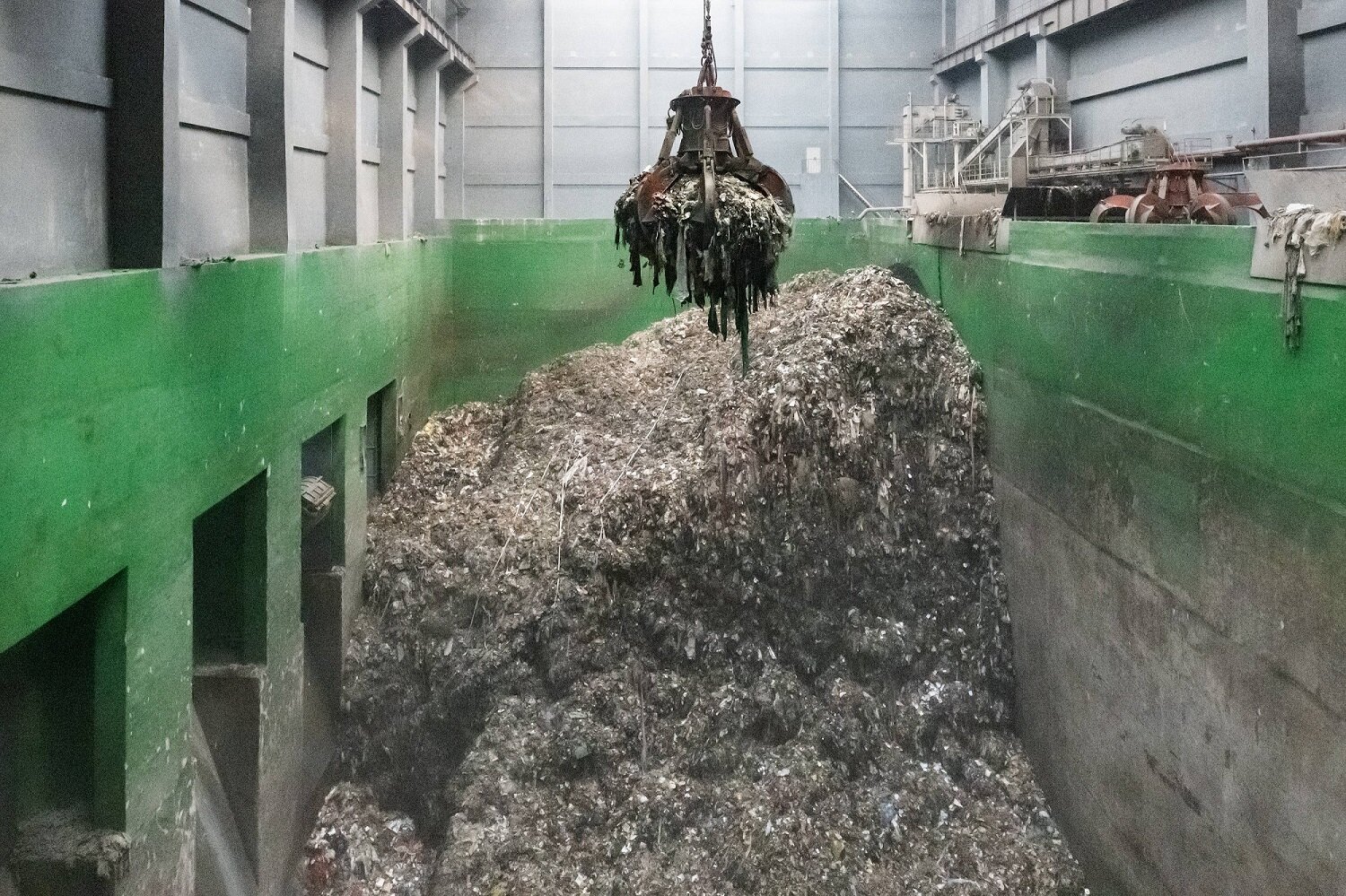
Garbage Mountain Transforms into a Power Plant
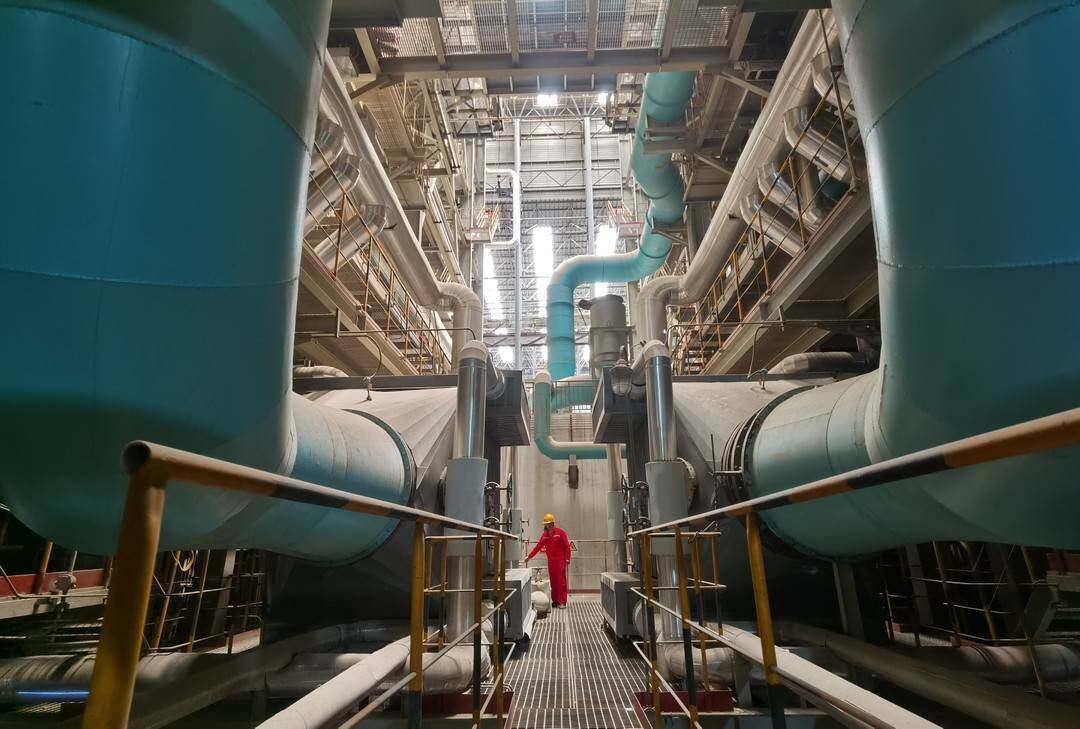
Jizak is not an isolated case. Uzbekistan is collaborating with Chinese companies to promote six waste to energy projects with a total investment of 930 million US dollars, which will be implemented in Kashkadarya, Samarkand, Tashkent, Andijan, Ferghana, and Namangan. The projects are planned to be put into operation from 2026 to 2027; After full operation, it can process 3.6 million tons of urban solid waste annually, generate 1.6 billion kilowatt hours of electricity, save a large amount of natural gas, and reduce greenhouse gas emissions. In addition, there are five potential projects under review with a total cost of 625 million US dollars, involving Singaporean, South Korean, and Chinese companies, covering areas such as Karakalpakstan, Jizak, Surkhan River, Bukhara, and Khorezm. The $130 million project that Jizak landed this time is on the extension line of this map.
Karakalpakstan New Bureau
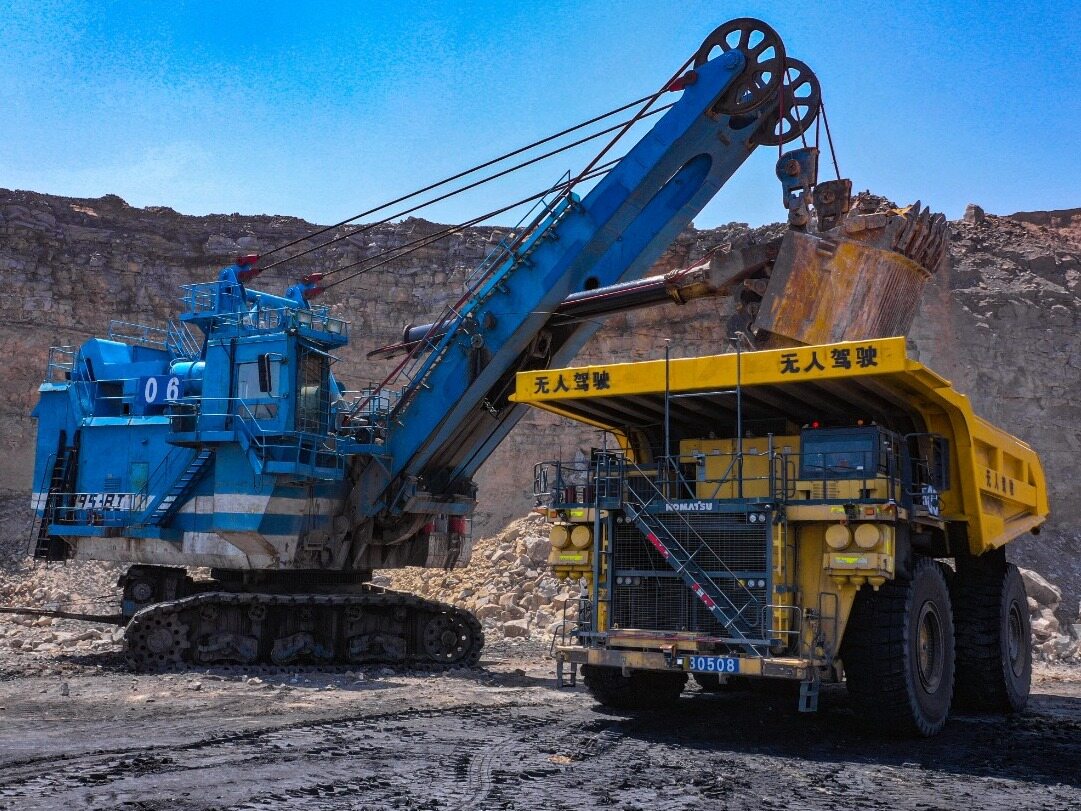
At the same time, Uzbekistan launched a batch of projects worth 592 million US dollars in Karakalpakstan and started construction of facilities worth 7 billion US dollars. Previously, Nukus had launched a $50 million basalt insulation material factory with an annual production capacity of 50000 tons; A coal project worth 16.3 million US dollars is planned to be exported to Kazakhstan and Turkmenistan. The smart Mahara system has expanded its coverage, and the Nukus district has also launched a beekeeping program. Healthcare and education complement each other's weaknesses: Karakalpak Medical College can train 9800 medical professionals annually, and Nukus Technical College has introduced Pearson BTEC vocational courses.
The other side of growth
Macro data provides a broader perspective for observation. In the first half of 2026, fixed capital investment in Uzbekistan increased by 17.5%, and industrial output increased by 8% to 53.3 billion US dollars; The foreign trade volume from January to May reached 32.8 billion US dollars, a year-on-year increase of 3.7%. But growth is not without cost: the annual inflation rate in June rose to 6.4% due to rising utility and transportation costs, and problematic loans in the banking industry increased by 32.5%. Whether the speed of project implementation can keep up with the improvement of governance capabilities will determine the final outcome of this investment boom.
For Jizak, the significance of waste to energy generation is not just a power plant. It connects the most inconspicuous urban waste into a green power grid that is taking shape.Editor/Yang Meiling
Comment

 Praise
 Collect
 Comment

 Share
Share


Write something~