 Search


- The steel industry has obtained stable green electricity that can be dispatched on demand for the first time
- Exploring the scale of green hydrogen steelmaking
In Salzgitter, Lower Saxony, Germany, the roar of blast furnaces has lasted for over half a century. Nowadays, the biggest challenge facing this steel mill is no longer orders, but electricity - to be precise, how to obtain enough green electricity stably and inexpensively, and completely drive coke out of the steelmaking process.
Part of the answer comes from two fields hundreds of kilometers away that have not yet started construction.
Steel plant locks in green electricity
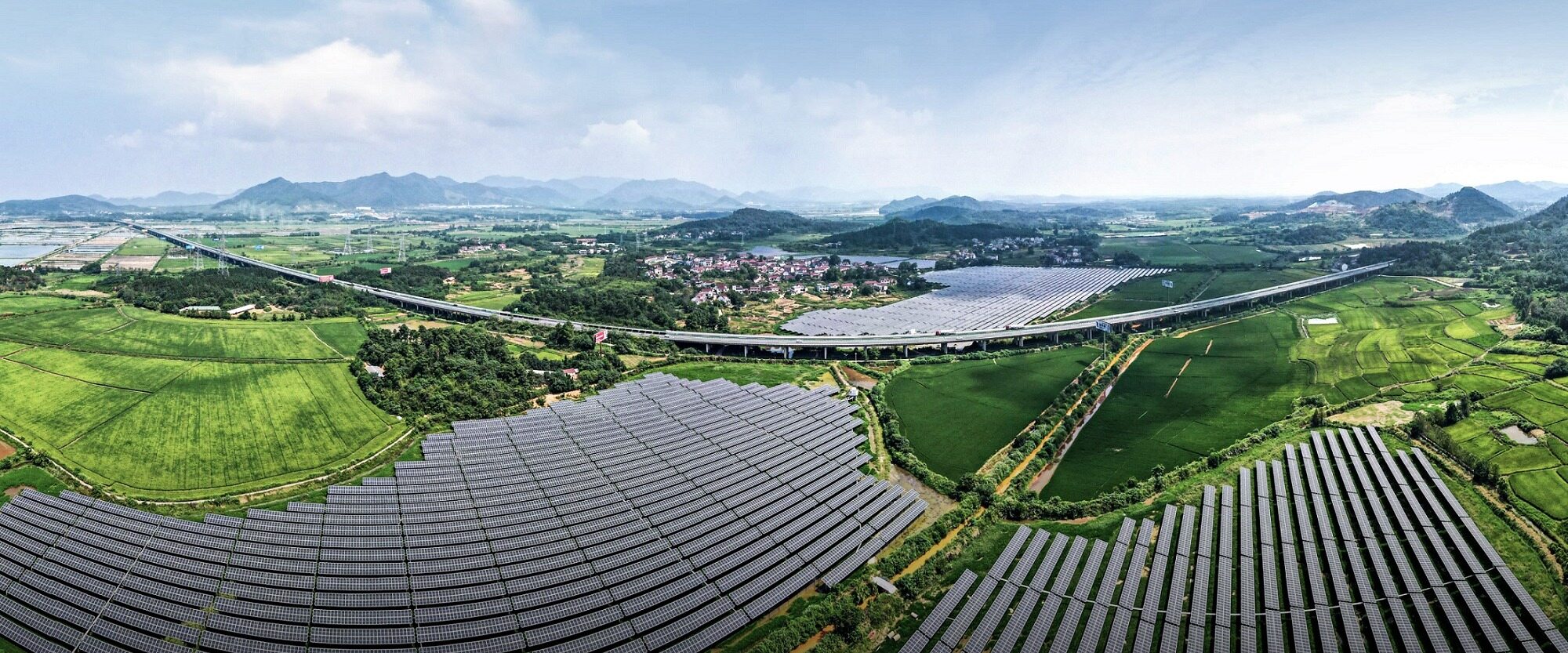
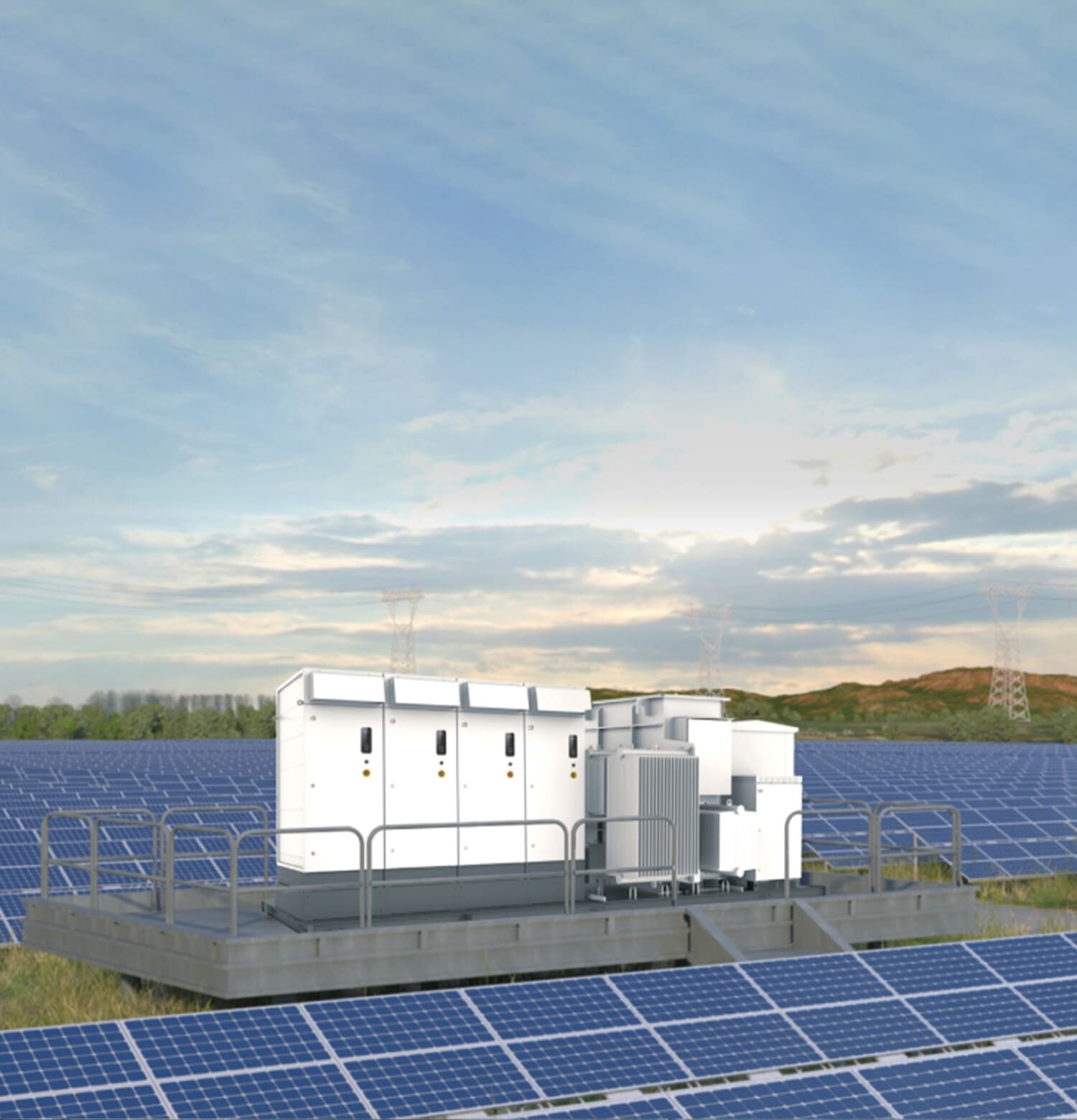
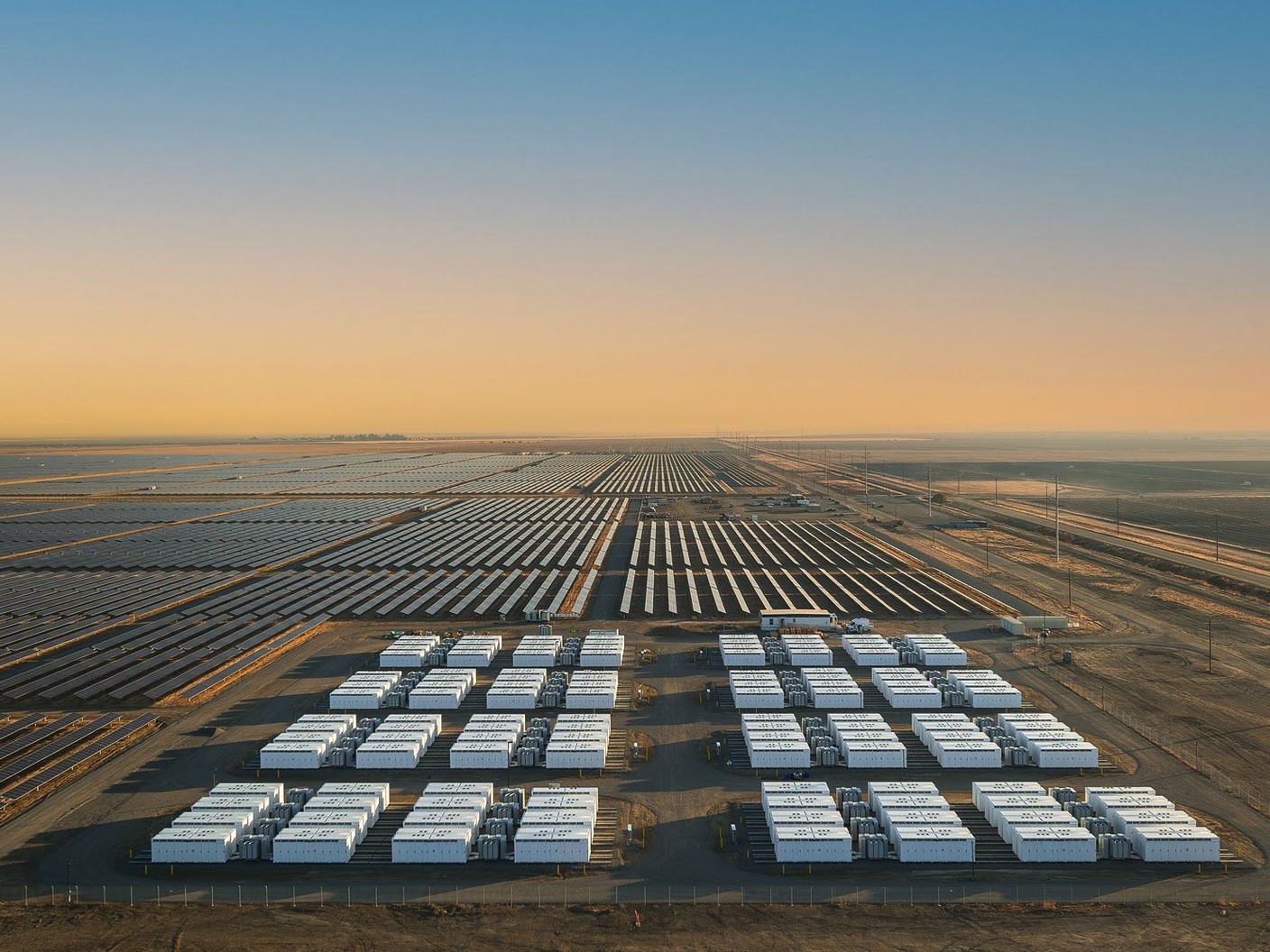
German steel manufacturer Salzgitter Flachstahl has signed a long-term power purchase agreement with Spanish renewable energy company Zelestra, covering 147MW of photovoltaic installations and 79MW/237MWh of battery energy storage, with an expected annual supply of 158GWh of solar power. Both parties refer to it as the largest photovoltaic hybrid power supply agreement in Germany to date.
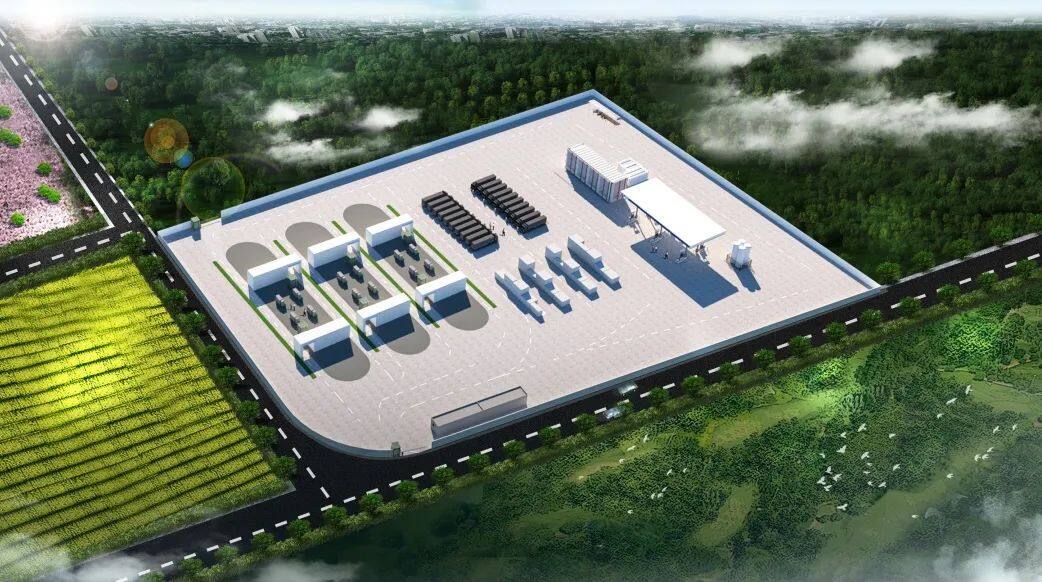
The agreement involves two newly built solar energy storage hybrid power plants, located in Brandenburg and Thuringia, respectively. This is also the first hybrid PPA signed by the two companies in Germany. According to the division of labor, Zelestra under EQT is responsible for the construction, ownership, and operation of the power station, while Salzgitter purchases the green electricity generated. For steel mills, this is a significant account: the parent company Salzgitter AG's SALCOS low-carbon steelmaking plan is underway, and the new production line will bring considerable electricity demand. The group has previously locked in an annual supply of approximately 820 GWh through a series of long-term green power contracts.
Hand over the battery to the steel mill for scheduling
What really makes this transaction fresh is the ownership of energy storage.
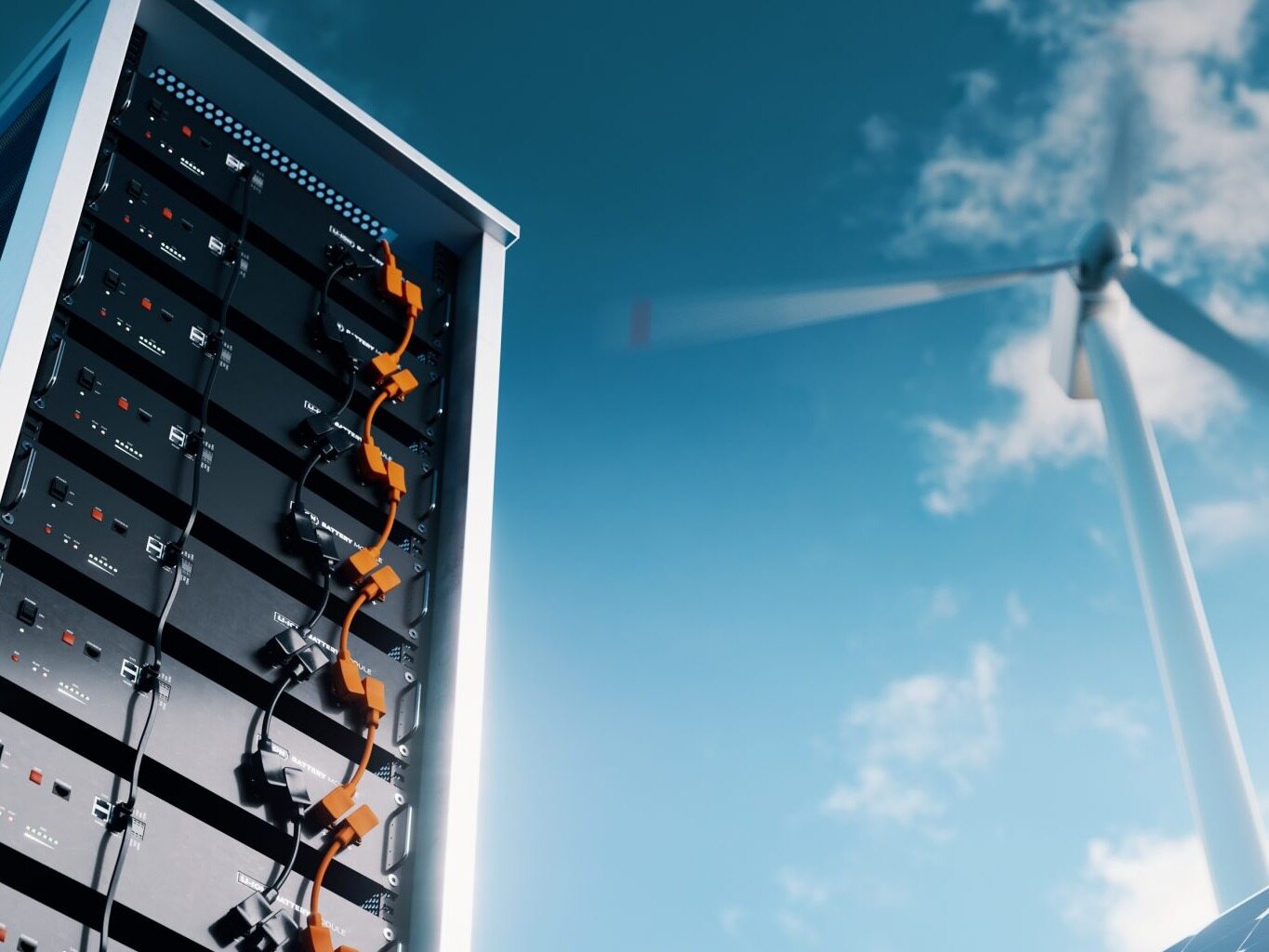
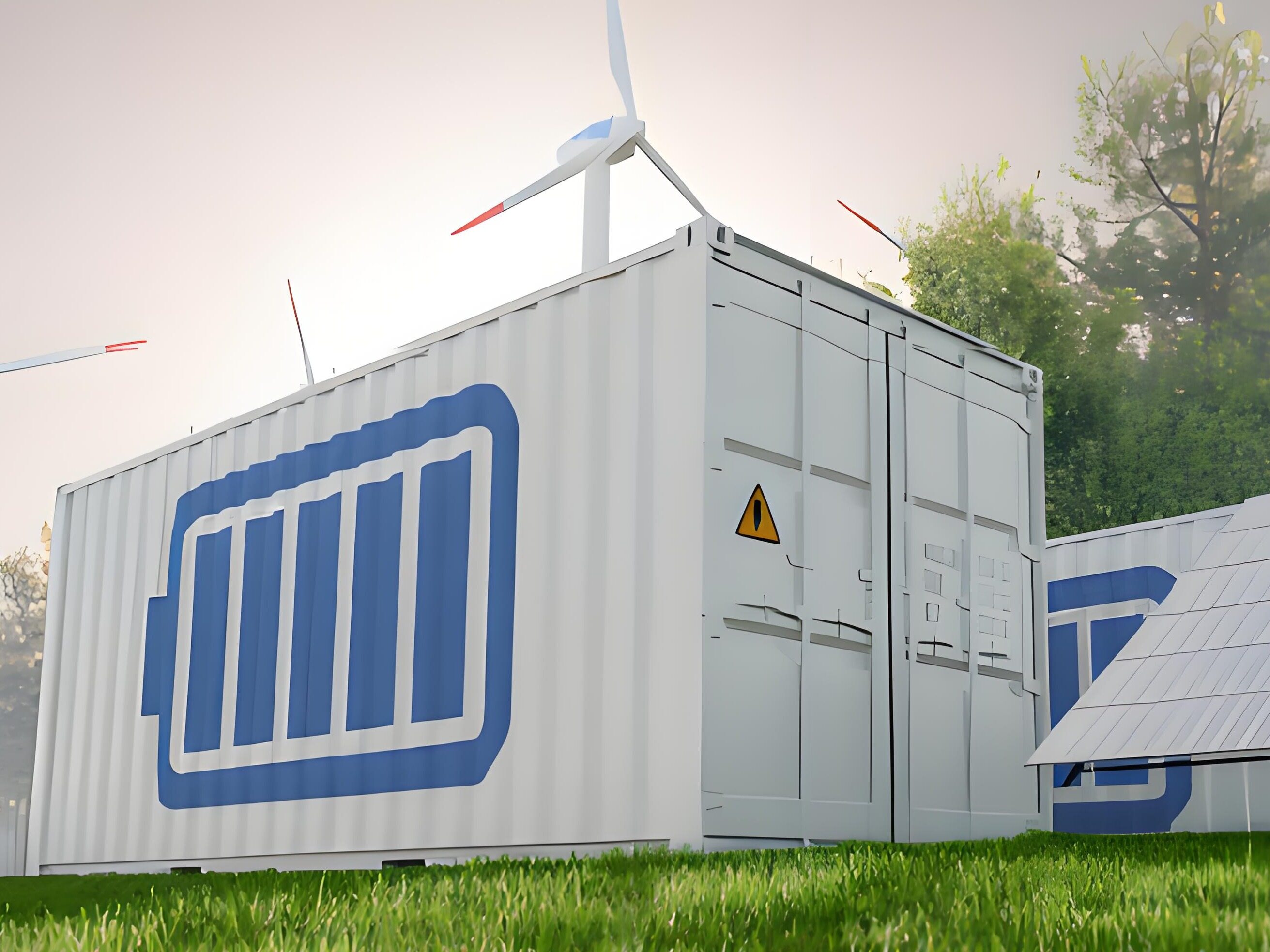
The battery systems of the two power stations will be directly connected to the photovoltaic side and will only be charged with surplus photovoltaic power generation. Salzgitter will directly manage the operation of battery energy storage while purchasing green electricity, which means that this steel company has become a battery energy storage operator for the first time.
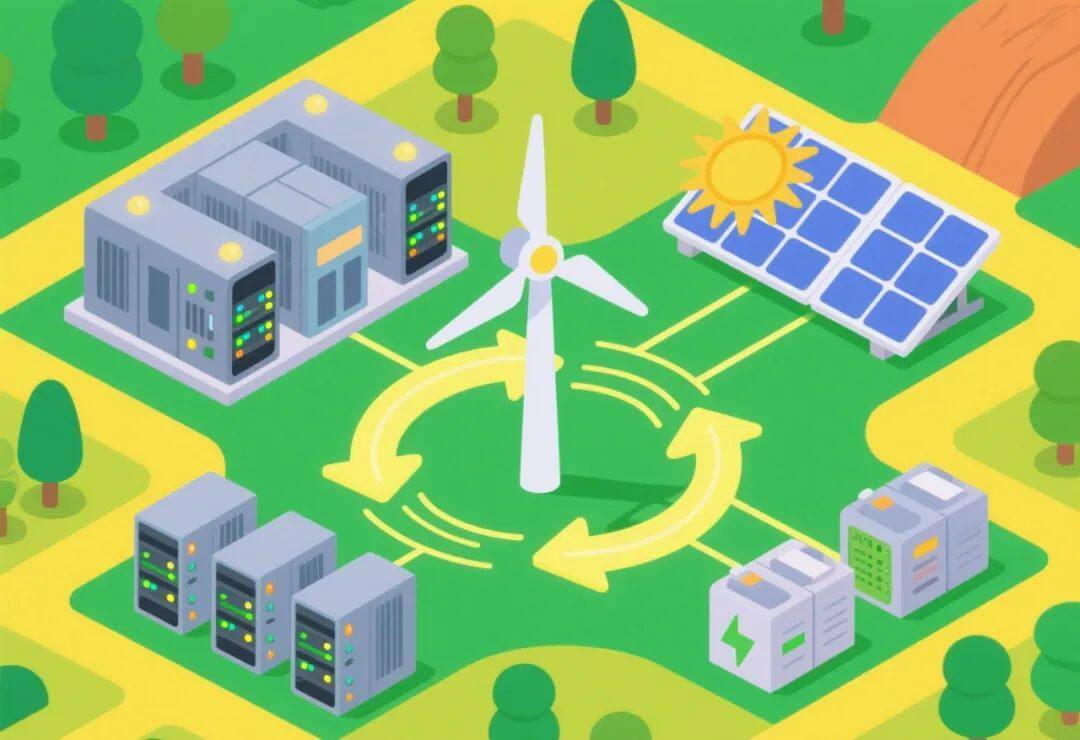
For industrial users, this step solves an old problem: photovoltaic output and production load are naturally not synchronized, and the peak electricity generation at noon may not necessarily be the peak electricity consumption. Once the electric arc furnace is turned on, the load curve is almost non-negotiable. With a 237MWh battery, Salzgitter can adjust the supply timing of green electricity to suit its own electricity consumption rhythm, rather than passively accepting weather arrangements. Mathias K ü nicke, CEO of Zelestra Germany, stated that this is an innovative collaboration between two companies aspiring to decarbonize, and he expects the hybrid solar storage market to continue to grow in the coming months.
The abacus behind a transaction
The background is not complicated. The installed capacity of photovoltaics in Germany is considerable, but the price erosion caused by concentrated output is becoming increasingly evident: the number of hours with negative electricity prices has risen from 69 hours in 2022 to 573 hours in 2025, and the attractiveness of pure photovoltaic PPA has decreased. Energy storage coupling is becoming the standard solution. According to Pexapark's data, there were 16 clean energy PPA transactions in Germany in the first quarter of 2026, totaling nearly 600MW, the highest since the fourth quarter of 2024.
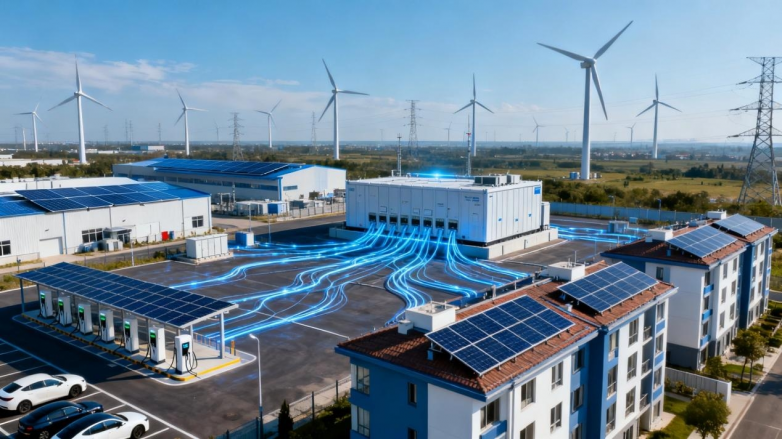
The policy side is also pushing in the same direction. Germany will implement industrial electricity price subsidies from 2026, and subsidized companies must make decarbonization contributions. Signing PPAs to support new renewable energy projects is one of the recognized paths.
For Salzgitter, green electricity is just a piece of the puzzle. SALCOS Phase I includes a direct reduction plant, an electric arc furnace, and a 100MW electrolytic cell, with the latter producing approximately 9000 tons of green hydrogen annually; The project investment scale is about 2.5 billion euros, of which about 1 billion euros are public funds. The new production line is planned to be put into operation in the first half of 2027 and complete the overall transformation before 2033. Marco Hauer, the head of energy procurement, stated that the combination of solar and energy storage enables companies to purchase renewable energy on demand at competitive prices, which not only supports decarbonization goals but also consolidates the competitiveness of the base.
Zelestra is copying this template. The Klevennow photovoltaic project of the company located in Mecklenburg Vorpommern has been put into operation, with an installed capacity of 27.5MWdc and an annual power generation of approximately 28700MWh; Previously, a fee agreement was signed with Centrica Energy for the 99MW/297MWh independent energy storage project in Lower Saxony, with plans to commence construction in 2027. At present, it is promoting over 2GW of photovoltaic, hybrid, wind power, and energy storage projects in Germany.keywords:New energy information network
Steel is one of the most difficult industries to reduce emissions, and its transformation has no shortcuts. It can only rely on a series of power plants and contracts to gradually build up. The significance of this transaction lies in its inclusion of the electricity consumption curves of green power, energy storage, and heavy industry into the same contract, providing a sample for future buyers to negotiate.Editor/Yang Meiling
Comment

 Praise
 Collect
 Comment

 Share
Share


Write something~