 Search


- Abu Dhabi accelerates green power construction to empower low-carbon energy development
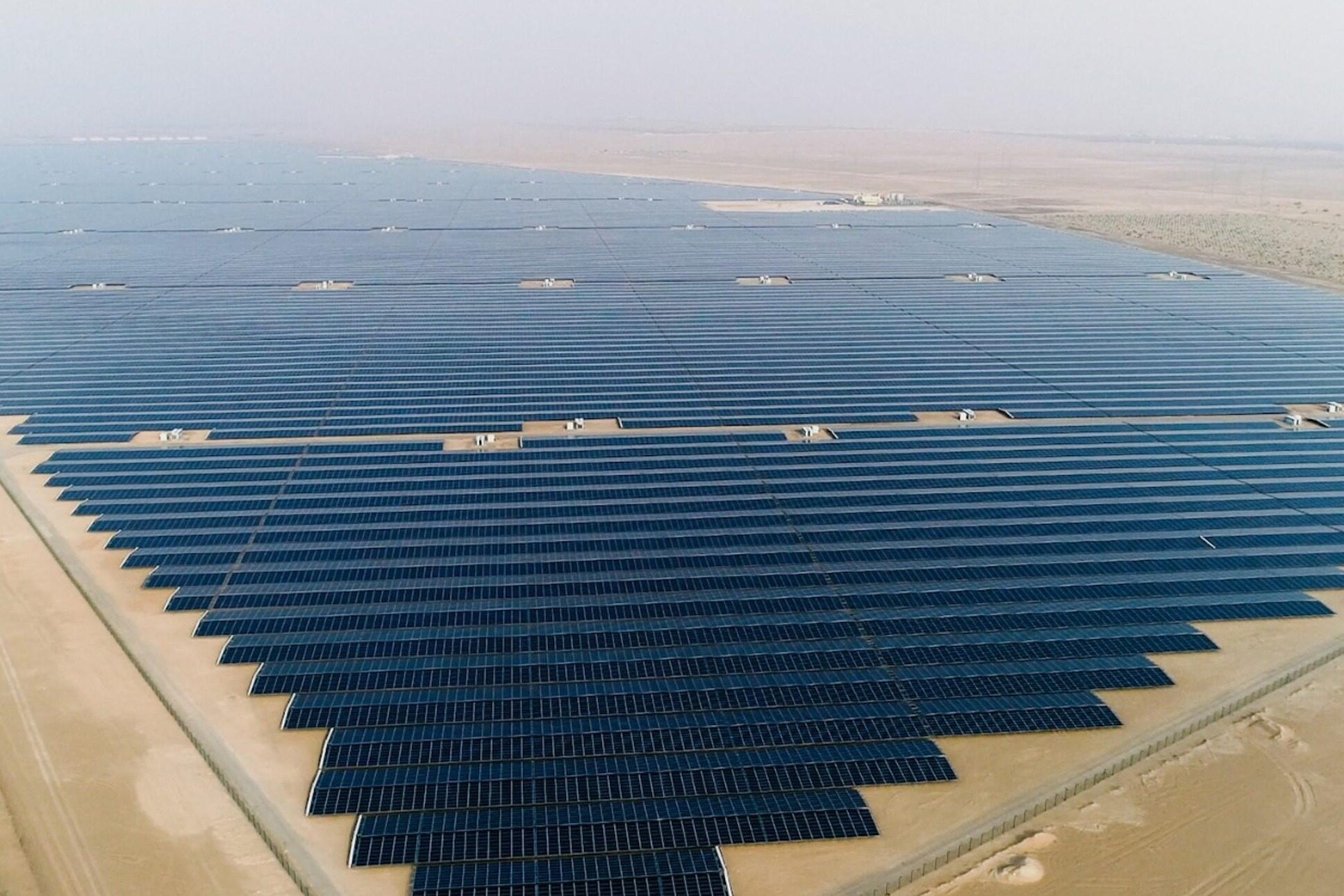
With high-quality solar energy resources, Abu Dhabi continues to accelerate its clean energy layout, upgrade its photovoltaic development goals and supporting energy storage facilities, and fully promote the green and low-carbon transformation of energy.
Iterative photovoltaic development indicators
UAE Hydro has updated its photovoltaic development plan, raising its 2030 photovoltaic installation target from 10GW to 14GW, while also finalizing a long-term goal of over 35GW of solar energy installation by 2035. To ensure a stable supply of green electricity, the enterprise is synchronously planning and constructing a 15GW battery energy storage system to achieve all-weather stable output of solar energy. Abu Dhabi has abundant solar energy resources and is one of the regions with the lowest cost of photovoltaic power generation in the world. According to the UAE National Energy Plan, renewable energy and nuclear power generation will account for 35% of the country's energy structure by 2030-2031.
Landing heavyweight energy projects
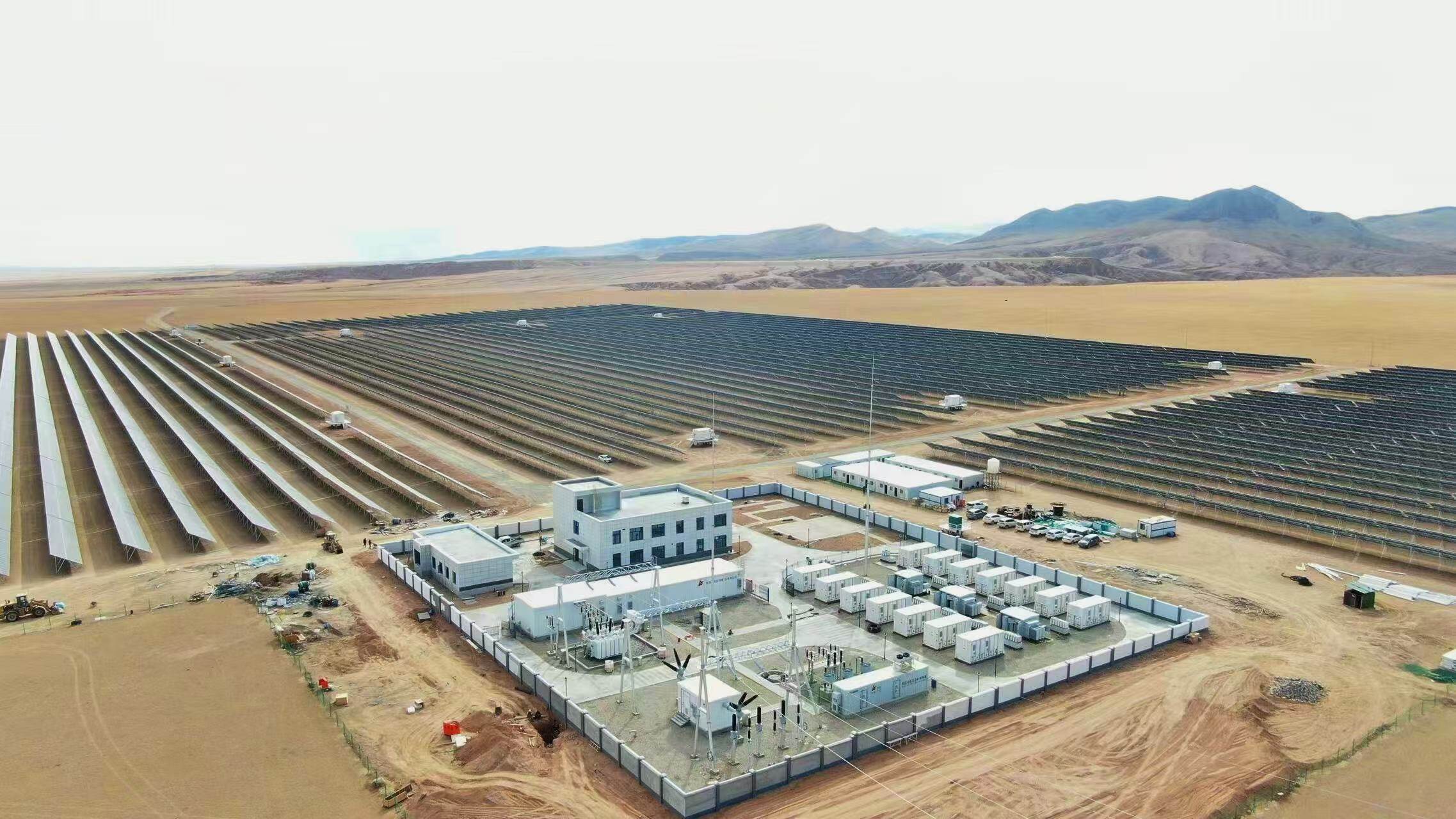
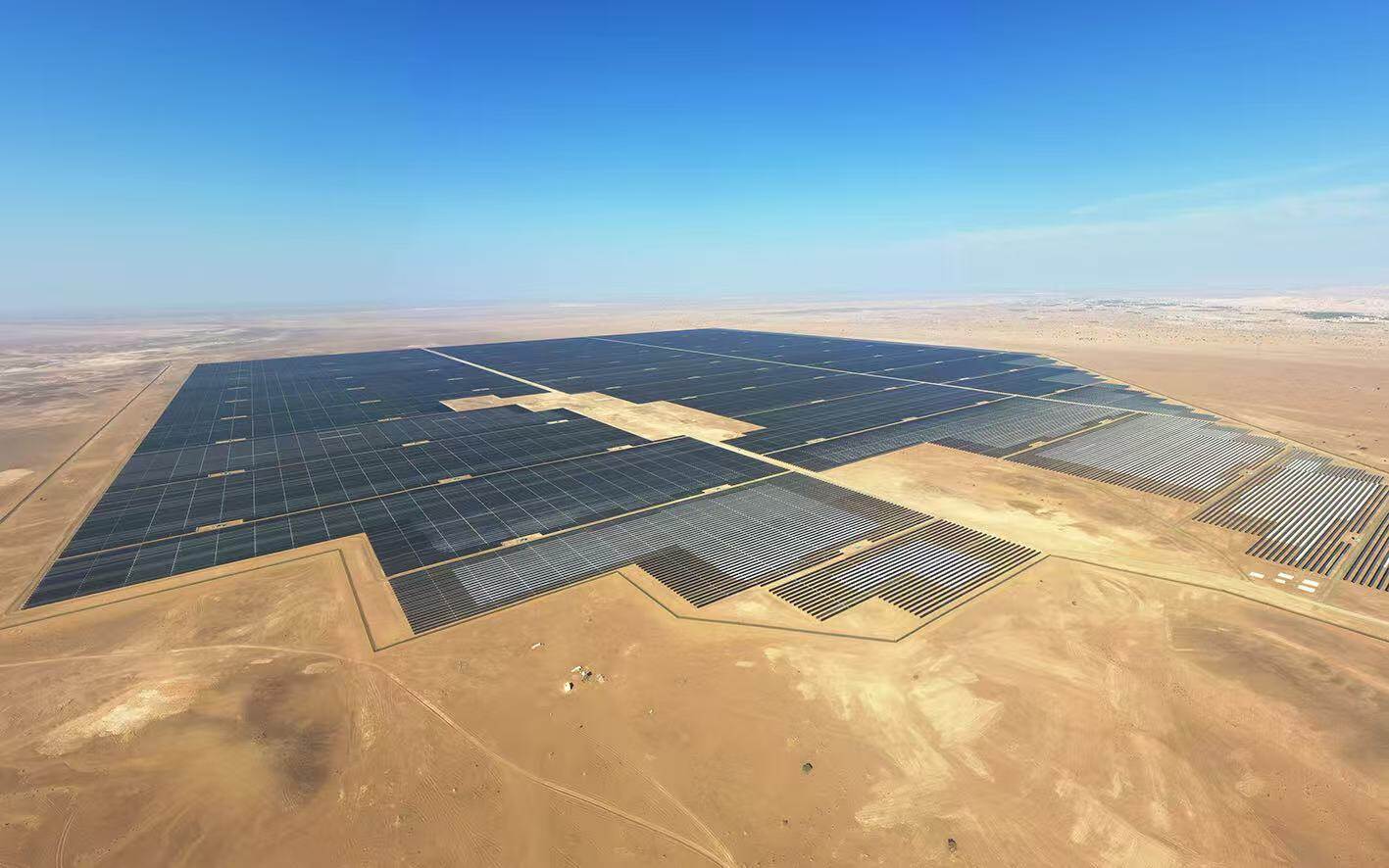
To achieve the goal of installation, multiple large-scale photovoltaic energy storage projects in Abu Dhabi are progressing in an orderly manner. In July 2026, the local 5.2GW/19GWh all-weather photovoltaic energy storage project completed financing and delivery. Earlier this year, the 1.5GW Hazna solar power plant successfully completed financing. In addition, the 1.2GW Nur Solar Power Station is operating stably and is one of the largest independent photovoltaic power stations in the world. Many projects provide solid support for local photovoltaic expansion.
Significantly reduce carbon emissions levels
Large scale photovoltaic and energy storage layout effectively reduces regional dependence on gas-fired power generation, helps the UAE build a diversified low-carbon resilient energy system, and simultaneously enhances energy and water resource security. Keywords: photovoltaic installation, energy storage support, low-carbon transformation
Data shows that local electricity consumption will increase by about 70% from 2026 to 2033. Against the backdrop of a significant increase in electricity consumption, it is expected that carbon emissions in the local power and water supply sector will decrease by more than 45% by 2035, indicating significant achievements in energy transformation.Editor/Huang jiali
Comment

 Praise
 Collect
 Comment

 Share
Share


Write something~