 Search


- The Gulf energy logistics system is accelerating its adjustment, highlighting the strategic value of Oman's ports
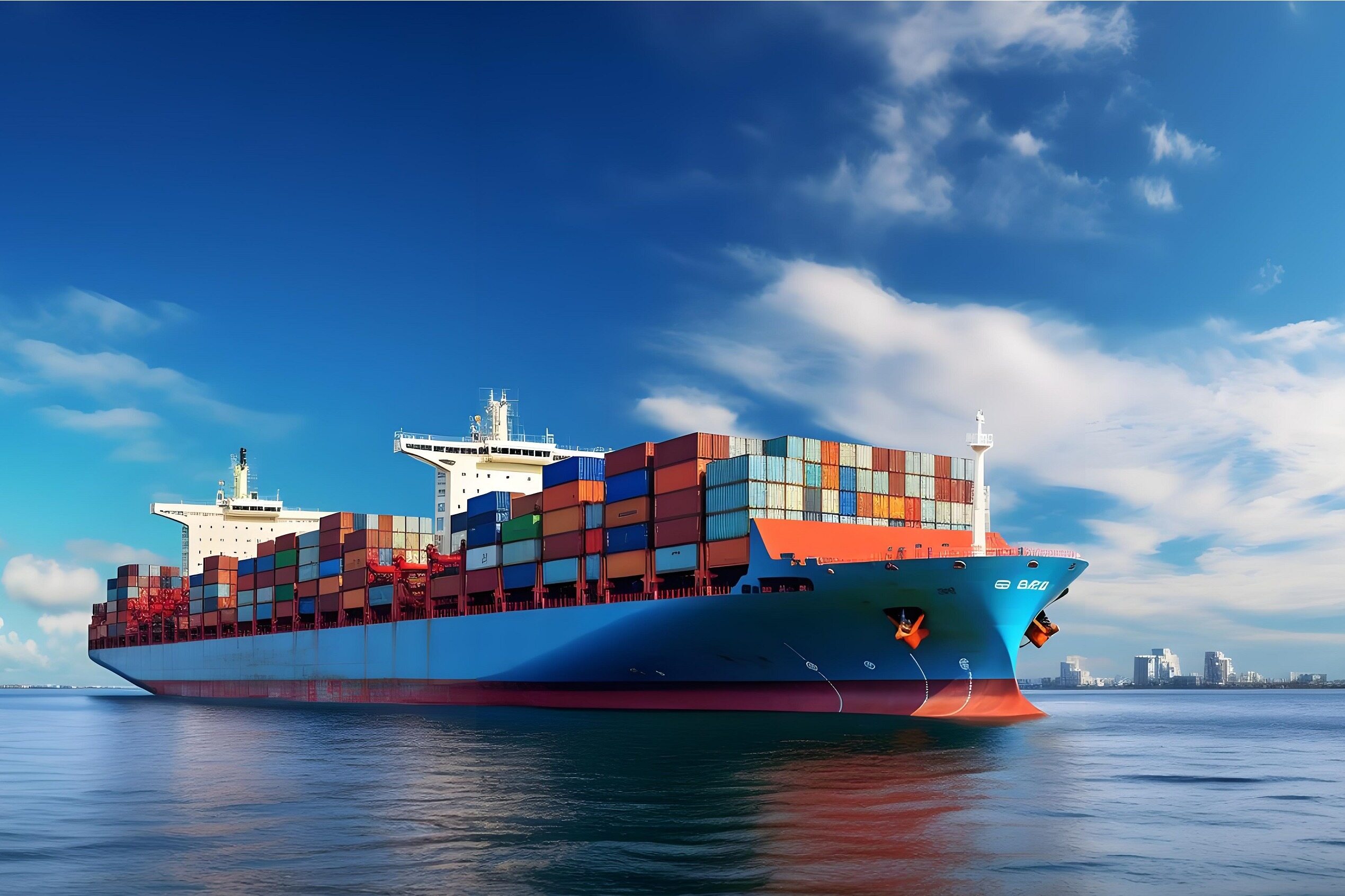
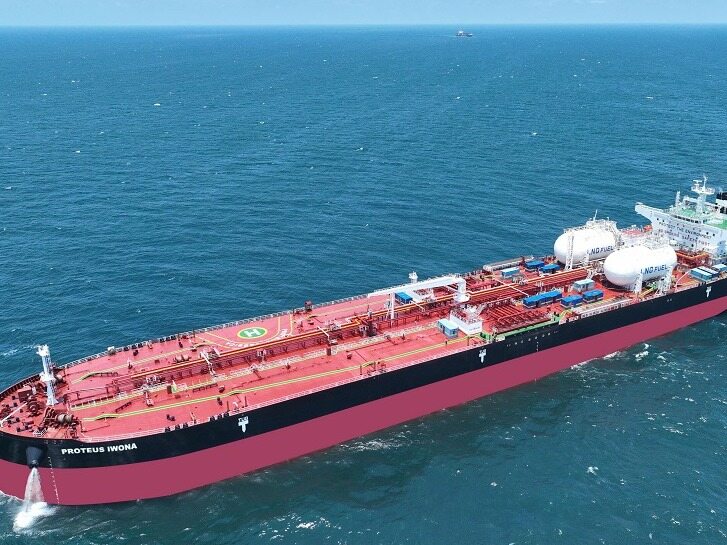
Recently, Saudi Aramco is increasing its crude oil transportation capacity on the Gulf side and conducting ship to ship transfers through the waters near Oman. For a long time, Saudi Arabia has had two important crude oil export systems: one part of the crude oil is exported through ports such as Rastanula along the Persian Gulf coast, and the other part is transported through east-west oil pipelines to Yanbu Port on the Red Sea coast before entering the international market. But recently, Saudi Arabia's east-west oil pipeline facilities have been attacked, affecting some crude oil transportation in the Yanbu direction. To ensure exports, Saudi Aramco has turned to the Gulf side and used the waters near Oman for ship to ship transfer. The so-called ship to ship transfer refers to the transfer of crude oil from one oil tanker to another, which then travels to the final destination. This method allows large oil tankers to reduce the frequency of repeated entry into high-risk waters and improve the flexibility of energy companies in allocating ships and cargo.
Suhar's location advantage is evident
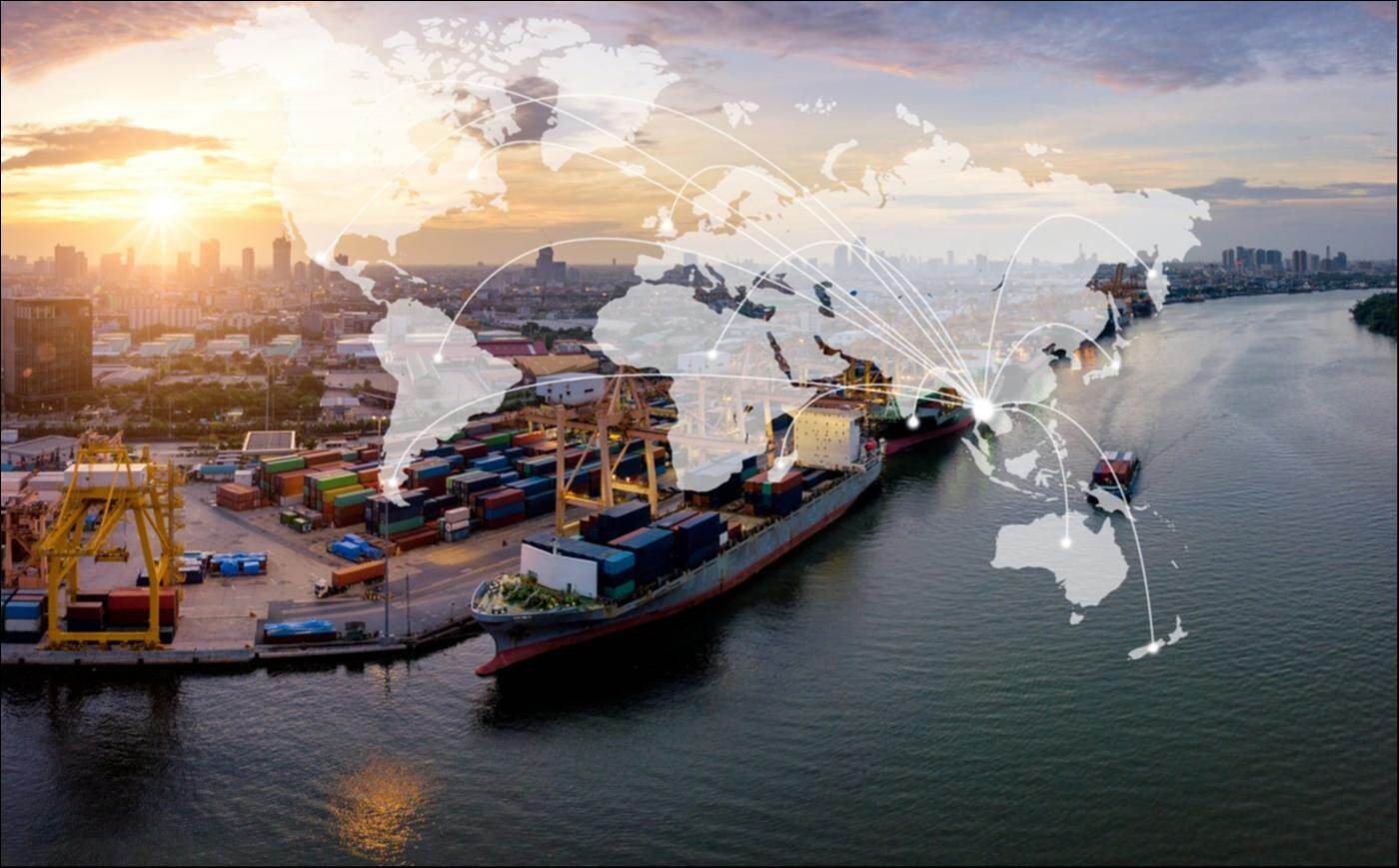
During this process, the location of Omani Suhar has received increasing attention. Suhal is located in the northern part of Oman, facing the Gulf of Oman and conveniently connected to major international shipping routes worldwide. Its shipping conditions can form a connection with the shipping network inside and outside the Strait of Hormuz. This means that when there are disturbances in regional shipping, Suhar can not only undertake traditional port loading and unloading and industrial logistics functions, but also provide new options for ship transshipment, warehousing, and energy logistics. In the first half of 2026, the total cargo throughput of Suhar Port and Free Zone reached about 52 million tons, a year-on-year increase of 52%. Among them, the ship to ship cargo handling capacity reached about 24.38 million tons, the container throughput increased by 40% year-on-year to about 545000 TEUs, and the bulk cargo throughput also nearly doubled year-on-year. These data indicate that ship to ship transfer has become an important component of the maritime service system in Suhar Port.
Port extends towards energy nodes
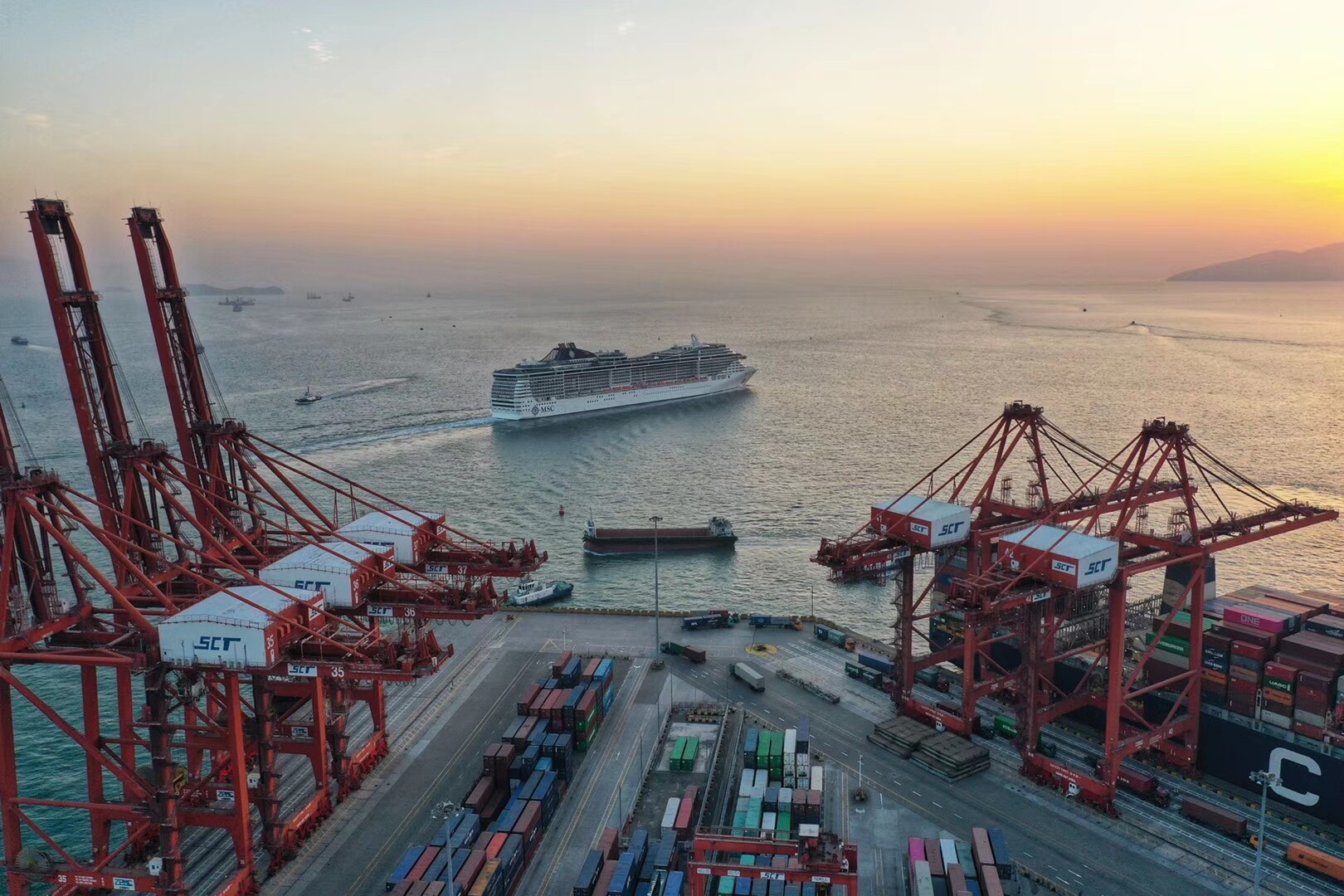
For a long time, when people talk about energy transportation in the Middle East, the first things that come to mind are oil fields, oil pipelines, and the Strait of Hormuz. But for energy to truly enter the international market, it still needs to go through a complex logistics system: large oil tankers need anchorages, crude oil needs to be stored, ships need fuel, maintenance, and supplies, goods need to be transported, and energy companies also need insurance, testing, maritime services, and digital dispatch systems. Therefore, the true competitiveness of a port is not just about how many berths it has, but more importantly, whether it can form a complete energy and industrial service system around the port. Suhar is currently developing in this direction. In recent years, Suhar has formed industrial clusters in refining, metallurgy, chemical engineering, logistics, ports, and free zones. Global mining companies such as Vale have also laid out industrial projects in the local area. From iron ore to industrial raw materials and then to crude oil transportation, Suhar is forming a more diverse international logistics system. Keywords: Middle East news and information, Gulf logistics, ports
Re recognition of Oman's strategic value
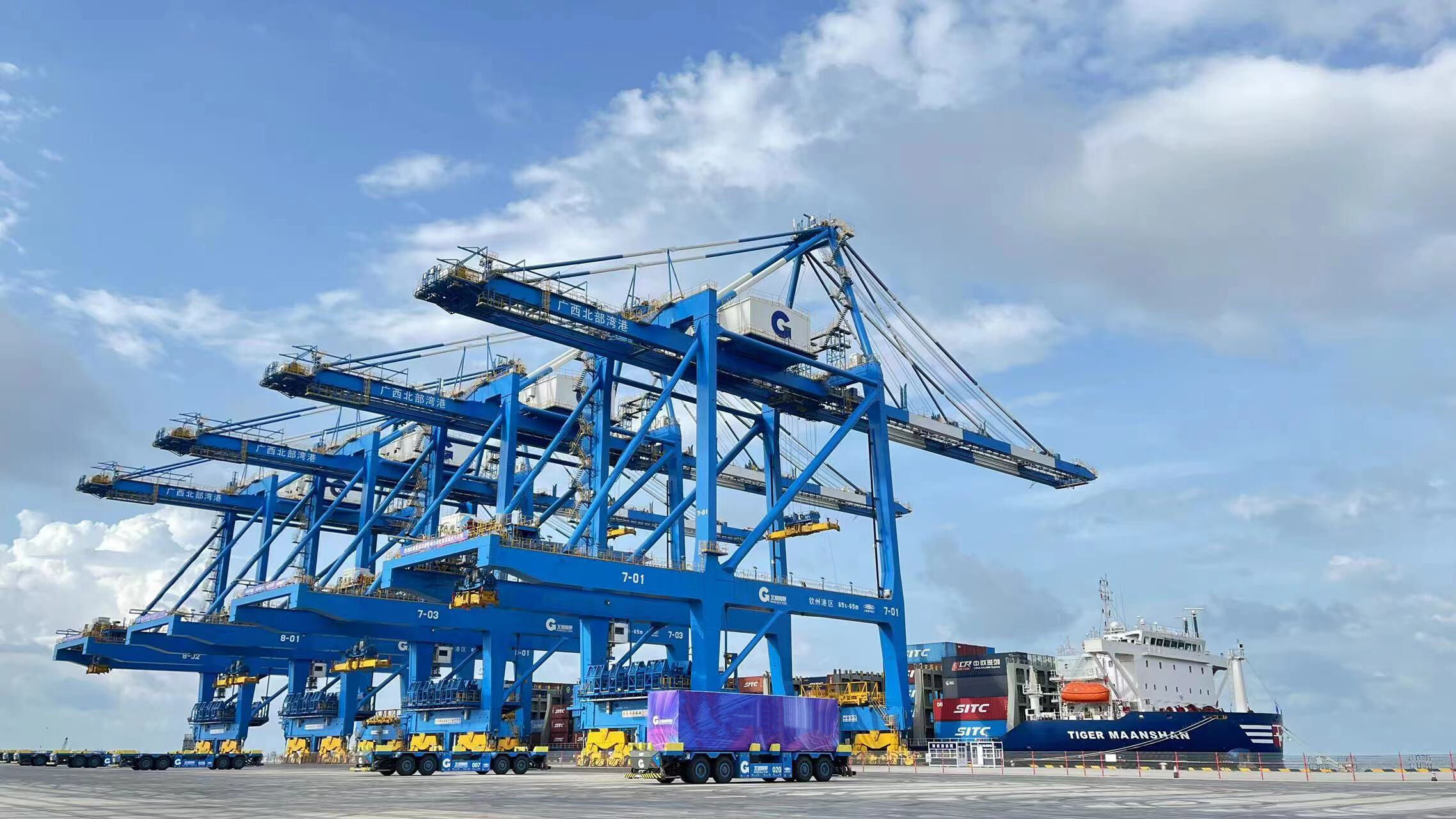
From a larger regional perspective, the transfer of Saudi crude oil through Suhar once again reflects Oman's unique geographical location. Oman has multiple important ports such as Suhar, Dukum, and Salalah, with Dukum and Salalah directly facing the Indian Ocean shipping route, while Suhar is located in an important position connecting the Gulf of Oman, Persian Gulf, and Indian Ocean shipping network. This allows Oman to connect three major directions simultaneously: northward connecting the UAE and Persian Gulf markets, eastward connecting India, Pakistan, and Asian markets, and southward connecting East Africa and the Red Sea shipping system. The Saudi crude oil transported through Oman this time is mainly aimed at the Asian market, with buyers including refining companies from China, South Korea, India, and Japan. With the changes in the regional energy transportation system, the role of Omani ports in energy security and supply chain resilience is receiving more attention. Suhal is further extending from a traditional industrial port to an important supply chain and energy logistics node in the Gulf region.Editor/Gao Xue
Comment





 Praise
 Collect
 Comment

 Share
Share


Write something~