 Search


- Cross border oil and gas pipeline network reshapes the fuel supply pattern in southern Africa

Relying on the transportation advantages of Namibian ports, Dangote has proposed a billion dollar pipeline construction plan, attempting to open up stable transportation channels from sea freight refined oil to multiple inland countries and change the current situation of regional fuel dependence on tanker transportation.
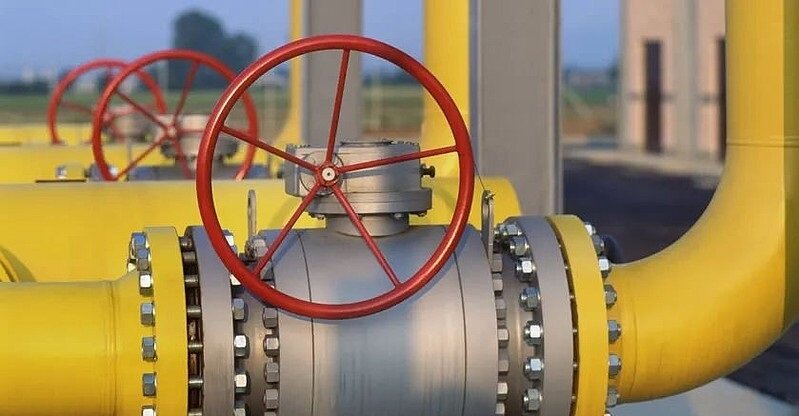
Pipeline network layout
On September 21, 2026, the plan shows that Dangote Industry plans to invest more than 3.5 billion dollars to build a product oil pipeline network with a total length of about 2650 kilometers, extending from Namibia to Botswana and South Africa, and also covering Zimbabwe, Zambia and the Democratic Republic of the Congo. After merging with the planned route in East Africa, the overall size of the oil pipeline network may approach 4000 kilometers. The project is supporting the construction of at least 1.6 million barrels of refined oil storage facilities at Whale Bay Port, with a capacity approximately 3.4 times that of local national oil storage facilities. Currently, the oil depot is still in the early stage of land division and environmental impact assessment approval.
Refactoring fuel logistics
Currently, many countries in southern Africa rely on imported fuel, and long-distance transportation mainly relies on tank trucks, resulting in high transportation costs and complicated customs clearance processes. After the completion of the pipeline network, the finished oil will be shipped to Whale Bay Port for storage, and then transported to the inland market through pipelines. The demand for long-distance cross-border tanker transportation will be reduced, and vehicles will be converted to short distance connections. The production capacity of the Lagos refinery continues to expand, with a test output of 700000 barrels per day in 2026 and a plan to increase it to 1.4 million barrels per day in 2029. The supporting pipeline storage facilities can expand the group's business to the pipeline transportation and warehousing sector. Keywords: Southern African refined oil pipeline network, cross-border energy infrastructure
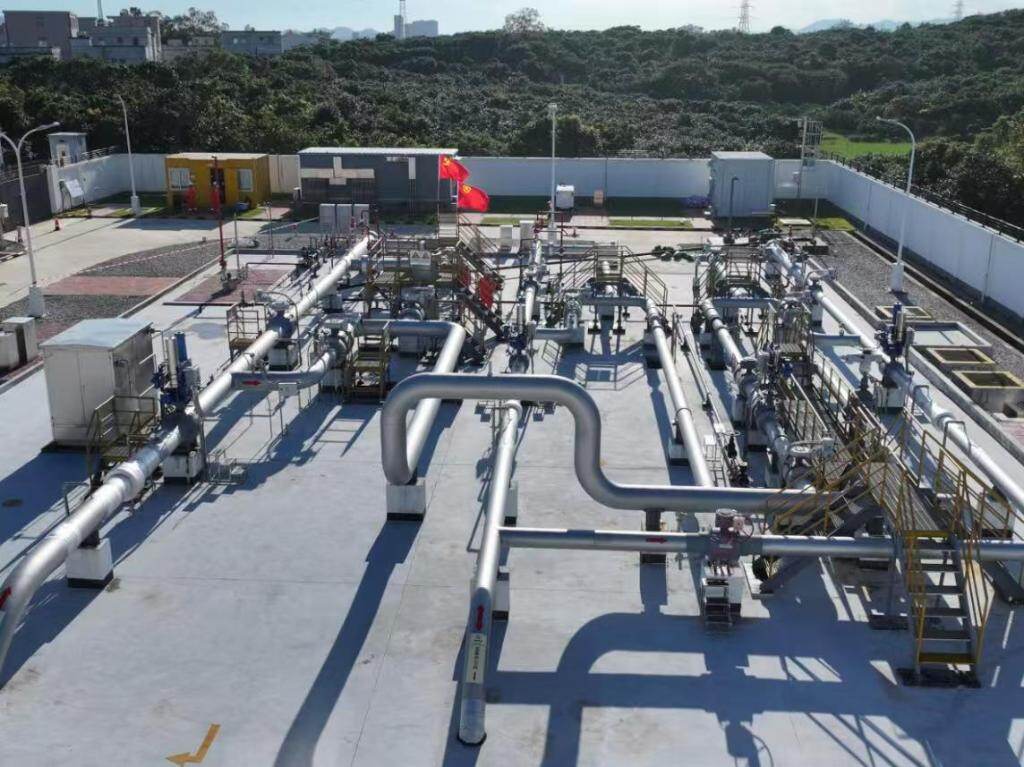
There are still checkpoints in the project
The project has not yet obtained government authorization for final investment decision, financing closure, and EPC contract. Cross border routes require approval from multiple countries for land use and environmental protection industry. The implementation of the project relies on long-term stable oil purchase agreements and pipeline transportation fee agreements. For domestic equipment and construction enterprises, at present, they can only track the five major nodes of environmental impact assessment land concession, purchase, financing, EPC, and wait for subsequent bidding opportunities.Editor/Min Jing
Comment






 Praise
 Collect
 Comment

 Share
Share


Write something~