 Search


- Electricity supply becomes a hard threshold for computing power expansion
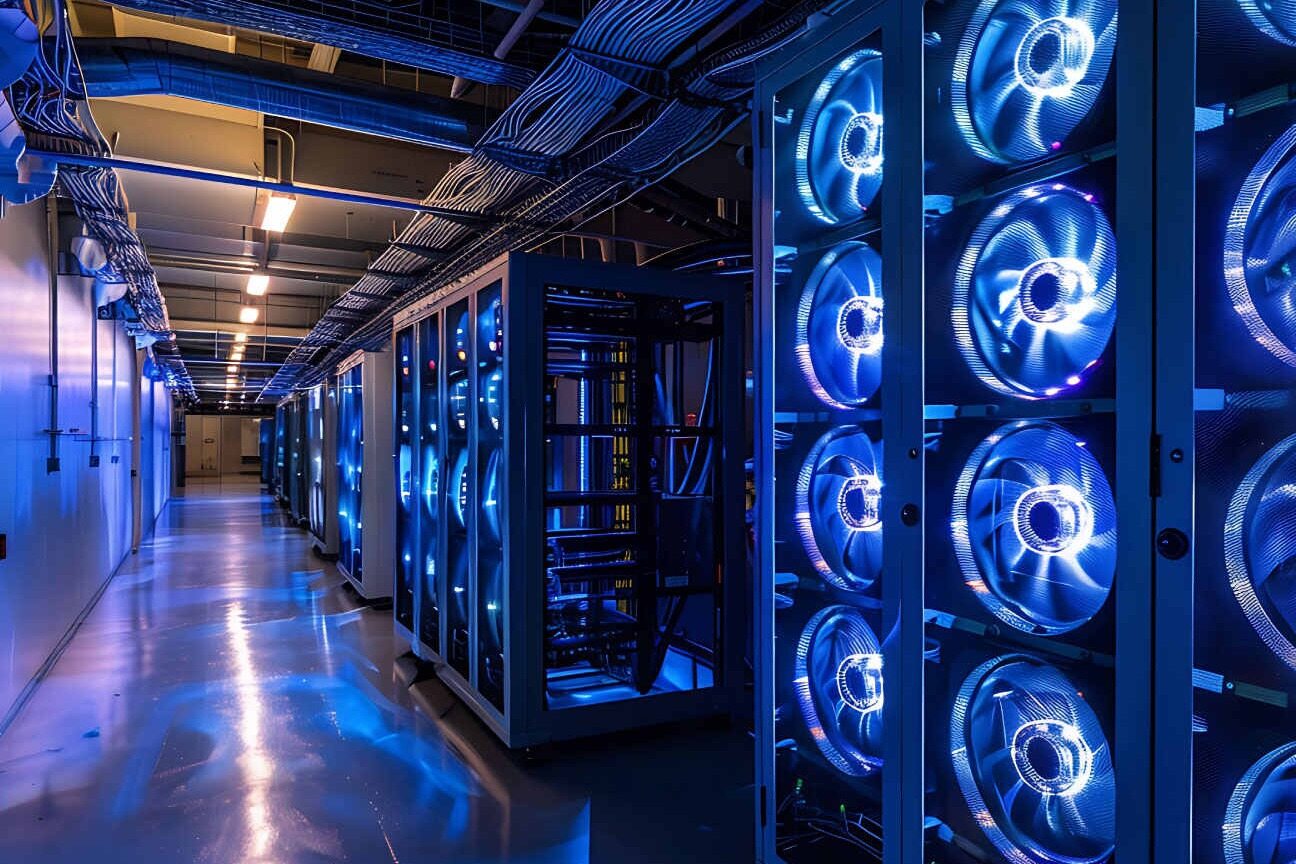
Recently, under the wave of global migration of AI computing power, Southeast Asia has become a hot spot for global data center investment. The total investment scale attracted by Thailand and Malaysia has exceeded 120 billion US dollars, and a large number of Chinese cloud vendors and data center giants have rushed to this region, sparking a frenzy of computing infrastructure. But behind the prosperity lies a fatal weakness - electricity supply is becoming the ceiling that limits the expansion of computing power in Southeast Asia. Thailand, with its stable business environment, mature industrial parks, and core location in the Indochina Peninsula, has become the first choice for many overseas enterprises. As of the first half of 2026, the operating capacity of data centers in Bangkok and surrounding areas has reached 134MW, and the total planned pipeline under construction has exceeded 2GW. On the other hand, Johor, Malaysia, with its geographical advantage of being adjacent to Singapore, has taken on the computing power demand from Singapore, with a total local computing power demand of 8.3GW, of which 4.5GW has already been put into operation, and the remaining projects are accelerating construction, corresponding to an investment of over 80 billion US dollars.
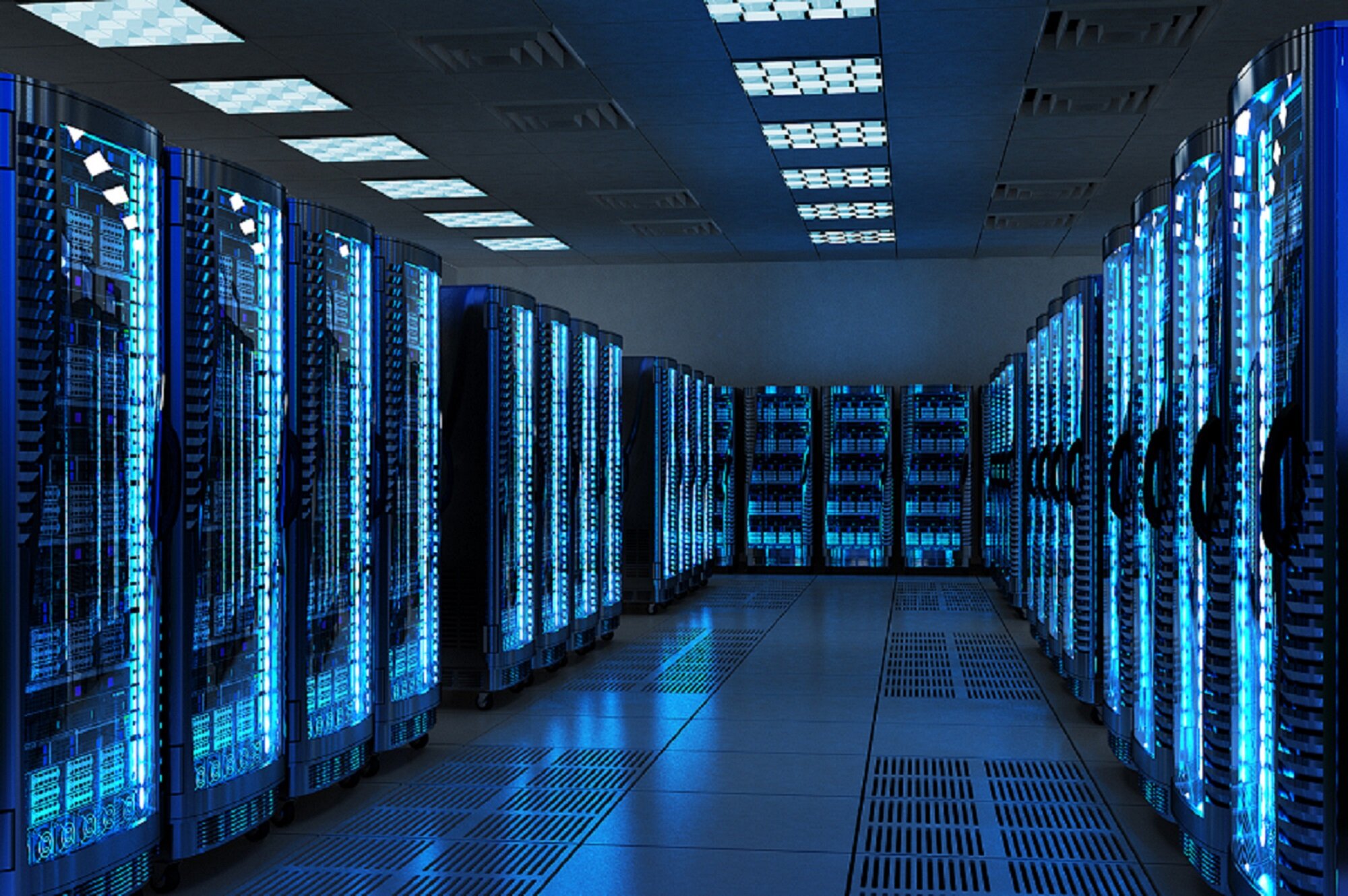
Thailand's computing power surges as electric brakes hit
ByteDance, TikTok, Microsoft, Google, Amazon and other domestic and foreign technology giants have all made big investments, with the total investment of data center projects approved in Thailand alone equivalent to nearly 40 billion US dollars. A large number of Chinese funded projects have landed, serving both Chinese enterprises' overseas business and radiating to the entire Southeast Asian market. But the contradiction in Thailand is even more acute: the current declared electricity demand is close to 30GW, far exceeding the carrying capacity of the power grid. To this end, Thailand has established a national policy committee to temporarily suspend 49 ongoing projects and freeze 17 pending projects, putting the brakes on overheated data center investments. The construction cycle of power infrastructure is long, and it often takes 4 to 5 years for a power plant to be planned, approved, and put into operation, which cannot keep up with the speed of the implementation of computing power projects.
Johor undertakes Singapore's spillover demand
Johor, Malaysia, with its geographical advantage of being adjacent to Singapore, has taken on the computing power demand from Singapore. Singapore has scarce land and high electricity prices, while Johor has sufficient land, electricity resources, and cost advantages, forming a division of labor model of attracting customers in Singapore and building computer rooms in Johor. DayOne、Bridge DataCentres、 Chinese enterprises, such as Alibaba Cloud and ByteDance, are not only data center builders, but also core tenants, becoming the main players in the local market. Malaysia has planned to build new 6GW to 8GW gas turbines to fill the gap, but the water is far from enough to quench the thirst. The government tightens the pace of approval and prioritizes the use of electricity for people's livelihoods. Even if companies are willing to build their own power plants, the supply of large-scale power generation equipment is tight and the difficulty of implementation is enormous. Keywords: Southeast Asian News Network, Data Center, Computing Power
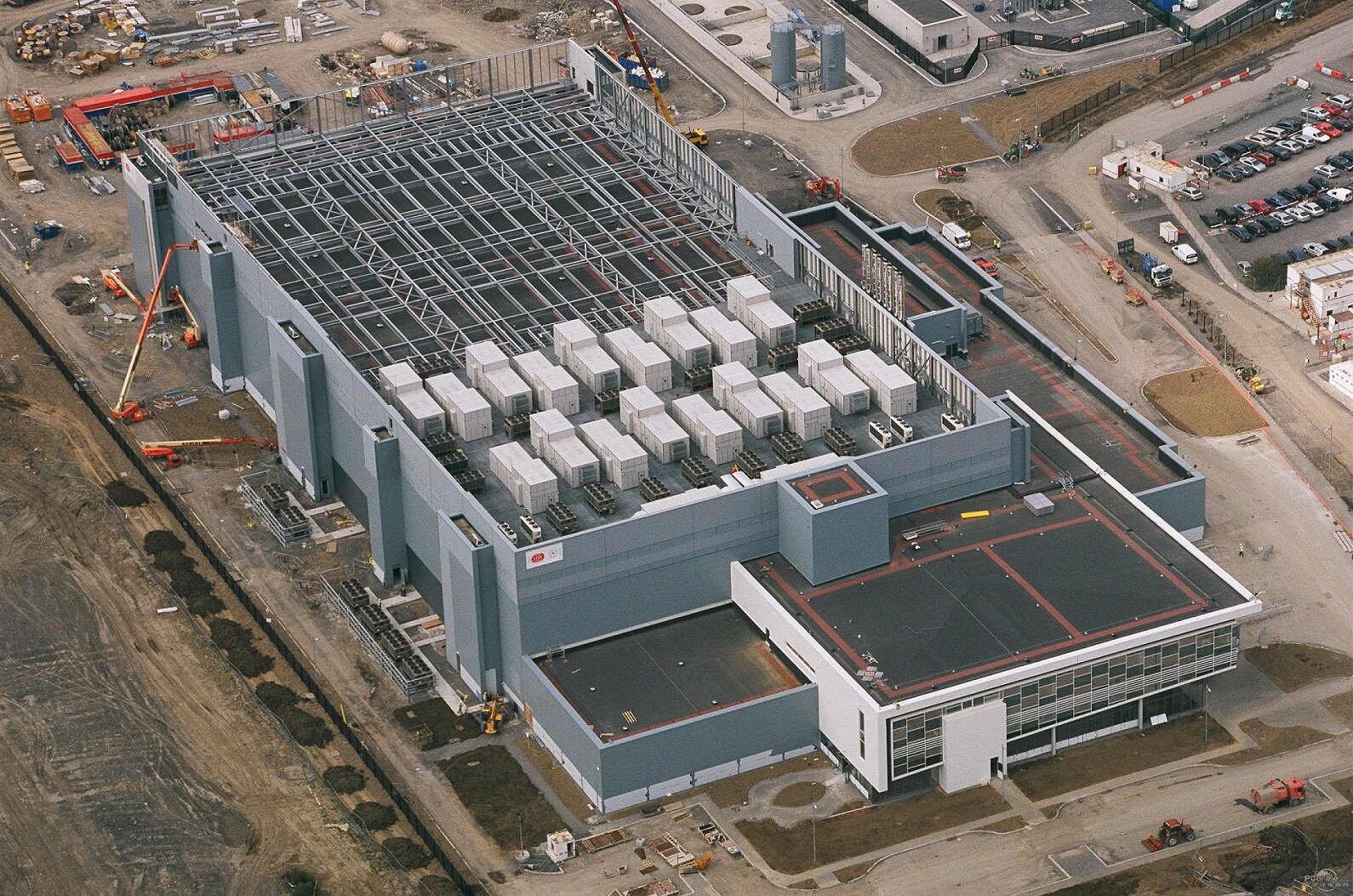
Electricity becomes the lifeline of computing power
In the past, overseas data center investment was competed for land discounts, tax exemptions, and network conditions. Nowadays, the industry consensus has changed: land and policies can be negotiated, and electricity is the lifeline of computing power projects. The annual increase in electricity in Southeast Asia can only support 1GW to 2GW of new computing power, and in the long run, the electricity supply remains tight. Computing power can migrate across borders, capital can flow across borders, but power plants and power grids cannot be quickly built in the short term. Infrastructure supply chains such as power equipment, gas turbines, and transmission lines are facing enormous pressure. As power indicators become increasingly tight, many overseas computing power companies have begun to reassess their site selection and search for new foothold. For overseas enterprises, the Southeast Asian computing boom brings opportunities, but also hides huge compliance and infrastructure risks. Overseas layout of data centers should not only focus on policy dividends and location advantages, but also assess the long-term power supply capacity of the region in advance. The competition in data centers ultimately boils down to the competition in electricity. Whoever has a stable and sustainable power supply can establish a firm foothold in the global computing power race.Editor/Gao Xue
Comment



 Praise
 Collect
 Comment

 Share
Share


Write something~