 Search


- Cross border energy collaboration to promote regional oil and gas industry upgrading
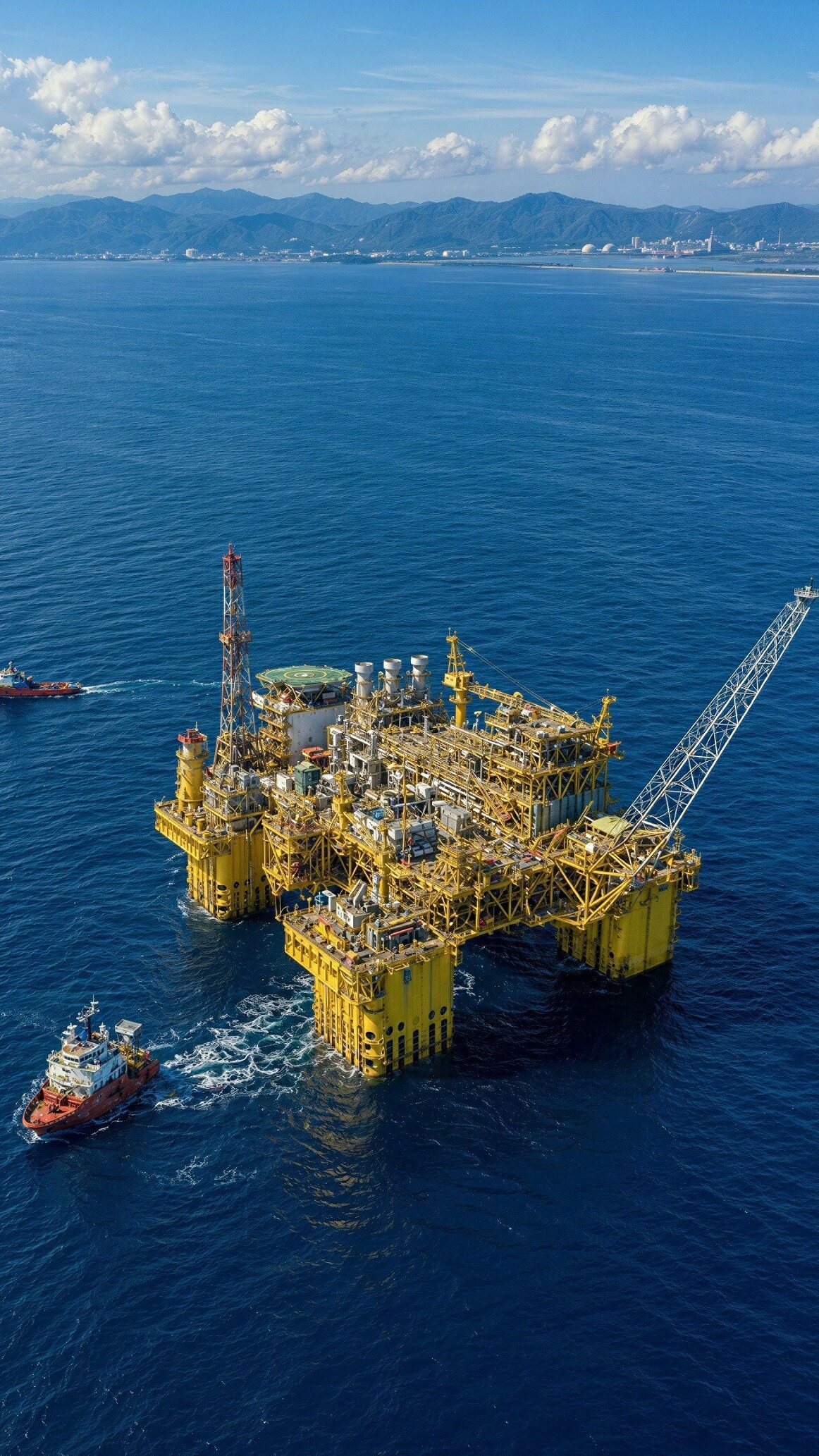
Under the deep sea, deep in the earth's crust, billions of cubic meters of natural gas await awakening. When the exploration drill bit pierced a thousand feet of seabed east of Kalimantan Island, the game of deep-water energy in Southeast Asia once again fell. This hidden industrial artery is pulling global marine engineering forces towards the equator.
The enthusiasm for deepwater natural gas development in Southeast Asia continues to rise, and the process of regional deepwater oil and gas exploration and development is accelerating. Recently, Eni Group acquired 100% equity in the Sapukala offshore exploration block in Indonesia. This block is located in the East Kalimantan Kutai Basin of Indonesia, with a water depth of 1000 to 2500 meters, and is a typical deep-water oil and gas exploration area.
Outstanding advantages in block location
The Sapukala block is adjacent to Eni Group's existing assets in the Kutai Basin and the North Hub Natural Gas Development Zone. Multiple gas reservoirs have been discovered in the surrounding area, with a total natural gas resource of over 14 trillion cubic feet and over 800 million barrels of condensate oil, indicating a strong resource foundation.
This acquisition of rights is not simply an increase in exploration area, but an important measure taken by Eni Group to deepen its layout in the deep-water core area of Southeast Asia.
Mature regional development model
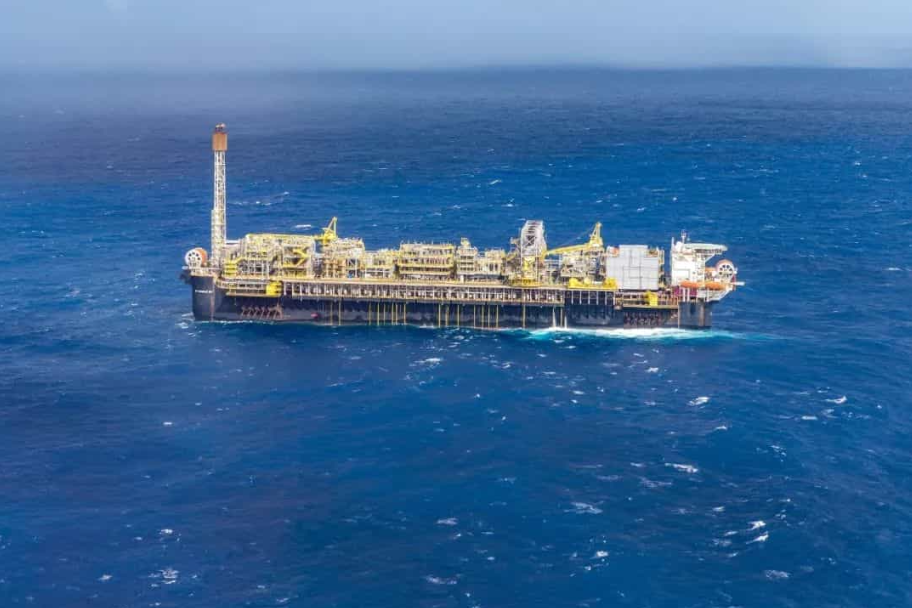
The Kutai Basin has become a popular deep-water natural gas development area in Indonesia. Eni Group plans the North Hub project, which will connect natural gas to onshore pipelines and LNG plants through drilling, subsea systems, and FPSO supporting construction, stabilizing regional gas supply capacity. The previously discovered Geliga-1 giant gas reservoir further solidifies the basin's resource potential. Related gas reservoirs can be developed in a coordinated manner, replicating the construction model of the North Hub and creating a new production center.
Ultra deepwater operations require extremely high standards for offshore technology, equipment matching, construction and operation, covering multiple fields such as deepwater drilling, subsea production, pipeline laying, floating facilities, and full cycle management. If the Sapukala block achieves commercial discovery, it can form collaborative development with surrounding gas reservoirs. Relying on facility sharing and zoning construction models can effectively reduce development costs and enhance project economic benefits. The current Kutai Basin has gradually formed a systematic development pattern from single point exploration to production center, seabed connection, and LNG supply chain integration.
Continuous strengthening of industrial synergy
The Searah platform, jointly developed by Eni and Petronas, integrates 19 oil and gas assets from Indonesia and Malaysia, steadily increasing production capacity and assisting in the intensive development of regional natural gas. Both parties have broken away from the scattered project operation mode, relying on the synergy of assets, technology, and capital to build a regional natural gas development platform, which effectively supports the landing and construction of major hub projects.
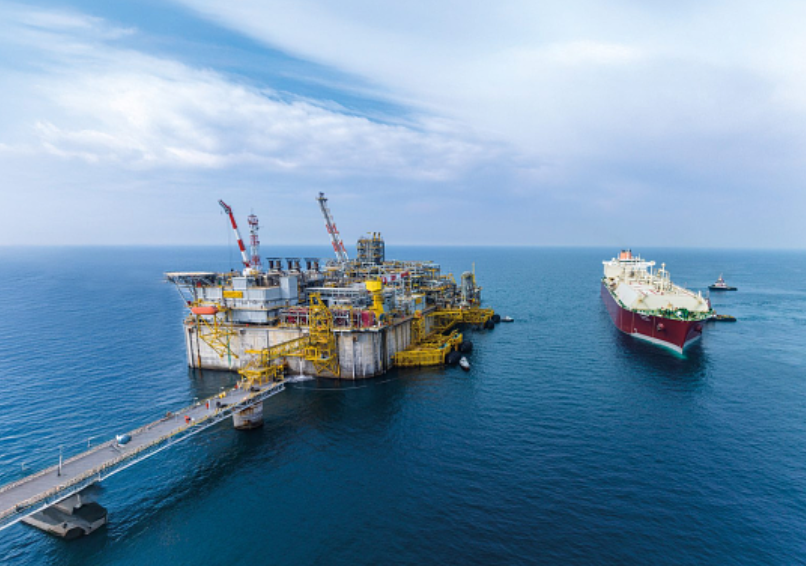
Currently, deepwater natural gas in Southeast Asia has become a global hotspot in offshore engineering. Southeast Asian countries are continuously increasing their exploration efforts for deepwater oil and gas resources to ensure gas supply, stabilize industry, and LNG exports. Keywords: Deepwater natural gas, offshore engineering, Southeast Asia
The regional development boom continues to release market demand for marine equipment, construction and installation, LNG matching, etc. The Kutai Basin is expected to become a core source of deepwater marine engineering orders in Southeast Asia. At present, the Sapukala block is still in the exploration stage and commercial reserves have not yet been determined. Geological evaluation, drilling exploration and other work need to be carried out in the future to further verify the development value. Overall, the acquisition of block rights this time is a key layout for enterprises to deeply cultivate the Indonesian deepwater market. The deepwater natural gas industry in Southeast Asia is transitioning from the stage of resource discovery to a new stage of systematic development and engineering construction.Editor/Gong Ziwei
Comment



 Praise
 Collect
 Comment

 Share
Share


Write something~