 Search


- Transform the stagnant gas that has been burned for a long time into marketable pipeline gas
- This investment not only fills Pakistan's energy gap, but also opens up a new path for China's oilfield technology to go global
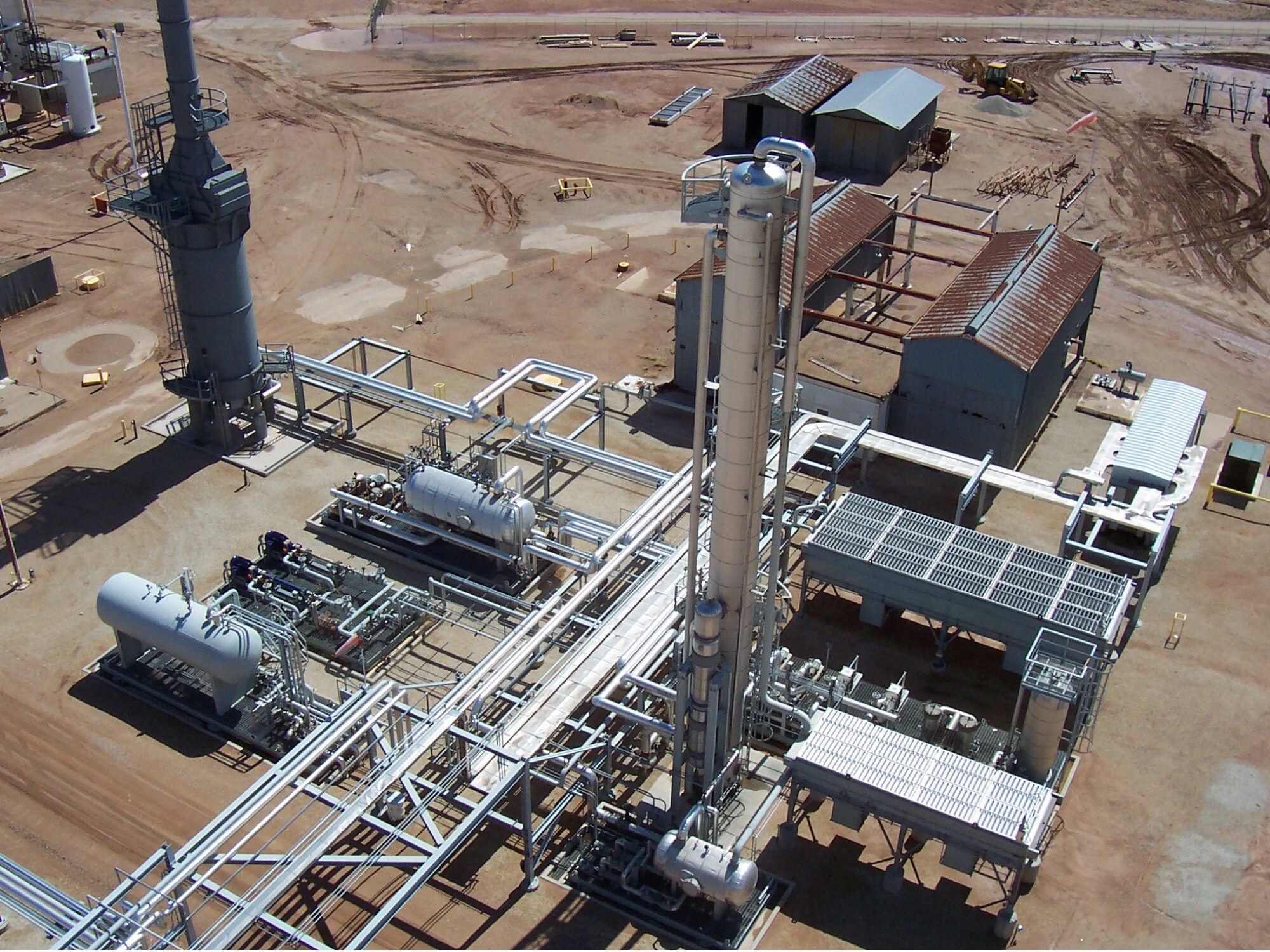
In the Sinchoro oil field in Sindh Province, Pakistan, a cluster of torches used to be lit day and night. The low-pressure natural gas that comes with it, due to its low pressure and substandard quality, cannot enter pipelines and cannot be sold at a high price. The most convenient way to deal with it is to ignite and burn it. The flames dispersed methane and also burned resources that could have been used for heating, generating electricity, and fertilizing fields. Now, this cluster of fire has a different ending.
Torch becomes a resource
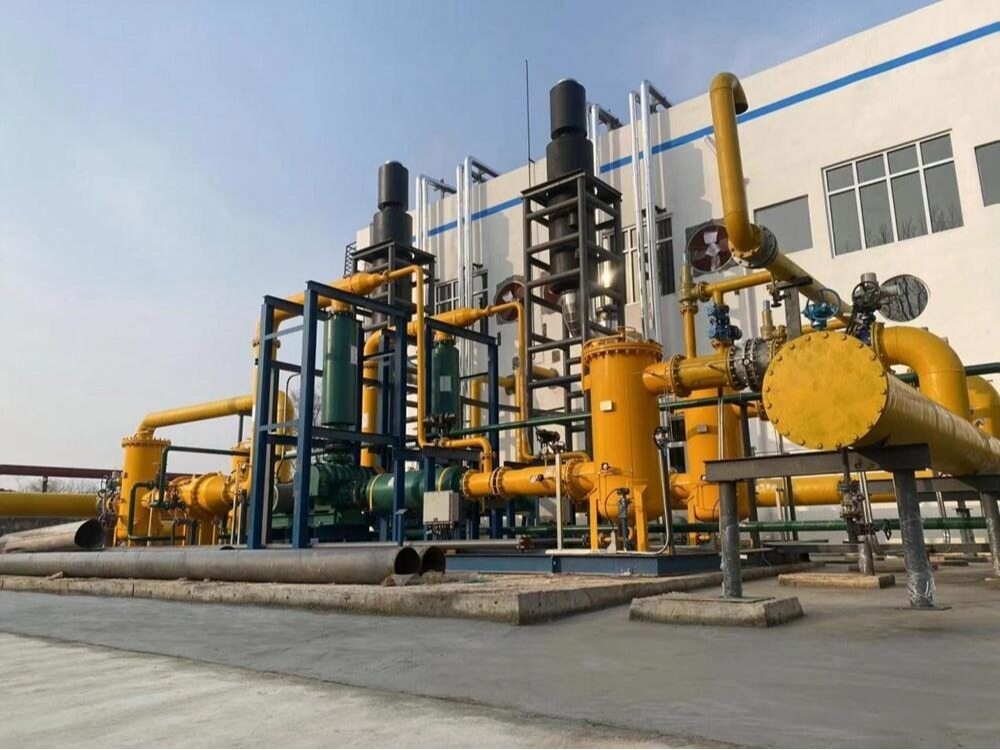
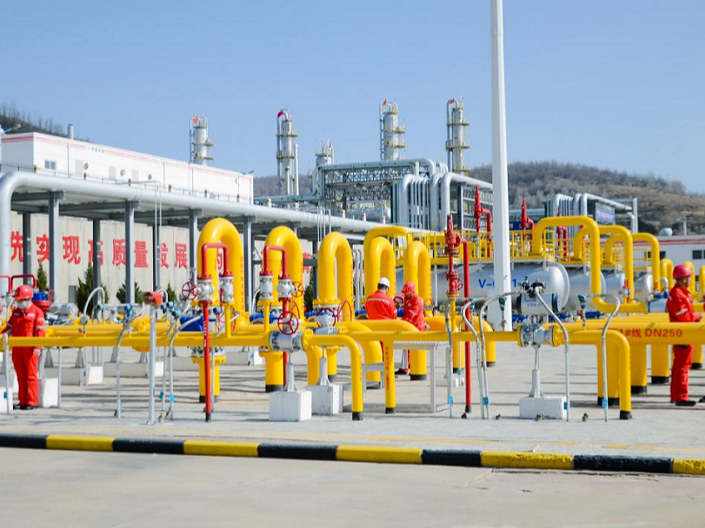
The change started with a natural gas processing facility. The processing unit operated by Shahin Energy Private Limited here has a design capacity of 10 million standard cubic feet per day, approximately 283000 cubic meters. It uses membrane separation technology to process low-pressure permeate gas, remove carbon dioxide, and process it into pipeline quality standard natural gas. At present, the facility has a daily processing capacity of approximately 8 to 10 million standard cubic feet, converting previously underutilized natural gas into revenue while reducing venting and combustion.
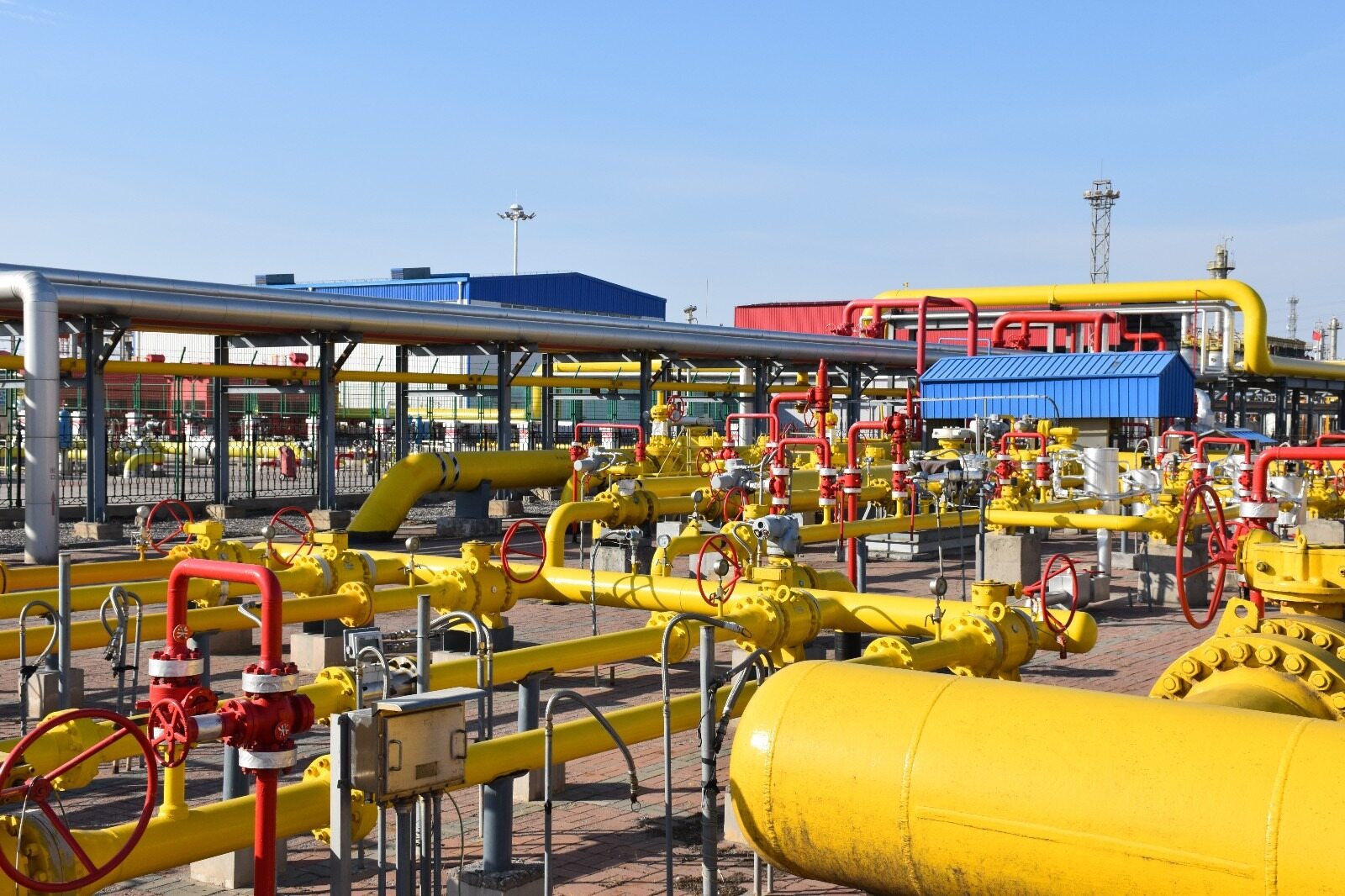
This type of resource is precisely the rich mineral that the industry has recently targeted. The International Energy Agency pointed out in its Global Methane Tracking report that reducing associated gas emissions from combustion can release approximately 100 billion cubic meters of natural gas annually worldwide. Associated gas, which has long been considered industrial waste, is becoming a new focus of energy transition. About two-thirds of global emissions can be treated with steam recovery or associated gas utilization technology at zero cost, and the benefits of methane recovery can cover the cost of emission reduction.
Policy opens the floodgates
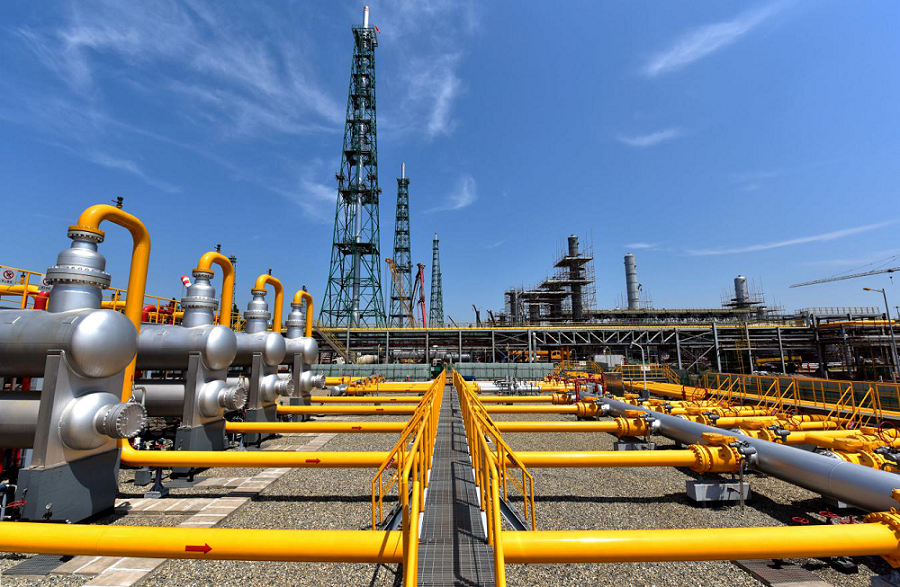
The confidence in cooperation comes from policies. The 2012 Petroleum (Exploration and Production) Policy Amendment in Pakistan allows exploration and production companies to sell up to 35% of pipeline quality standard natural gas to licensed third-party buyers through competitive procedures. In the past, this portion of gas could only be delivered to state-owned buyers at wellhead prices, with low prices and insufficient enthusiasm, resulting in a long-term decline in local natural gas production. The country is highly dependent on imported liquefied natural gas, and by 2025, the proportion of imports from Qatar was close to full. Activating stagnant gas and low-pressure gas is equivalent to digging out an additional gas field underground.
Technology and local experience complement each other
According to the memorandum of understanding, Andong Oilfield Services Group and Shahin Energy plan to invest approximately 20 billion Pakistani rupees, or approximately 480 million RMB, in the natural gas and upstream energy sectors of Pakistan over the next three to five years. They will evaluate a number of commercially viable projects, including third-party natural gas sales, upstream natural gas development, oilfield development, production increase, natural gas processing, and energy infrastructure. Shahin Energy is a leading provider of liquefied petroleum gas, industrial gas, and vent gas solutions in Pakistan, leveraging local operational and natural gas processing expertise; Anton provides international oilfield technology and upstream development capabilities.
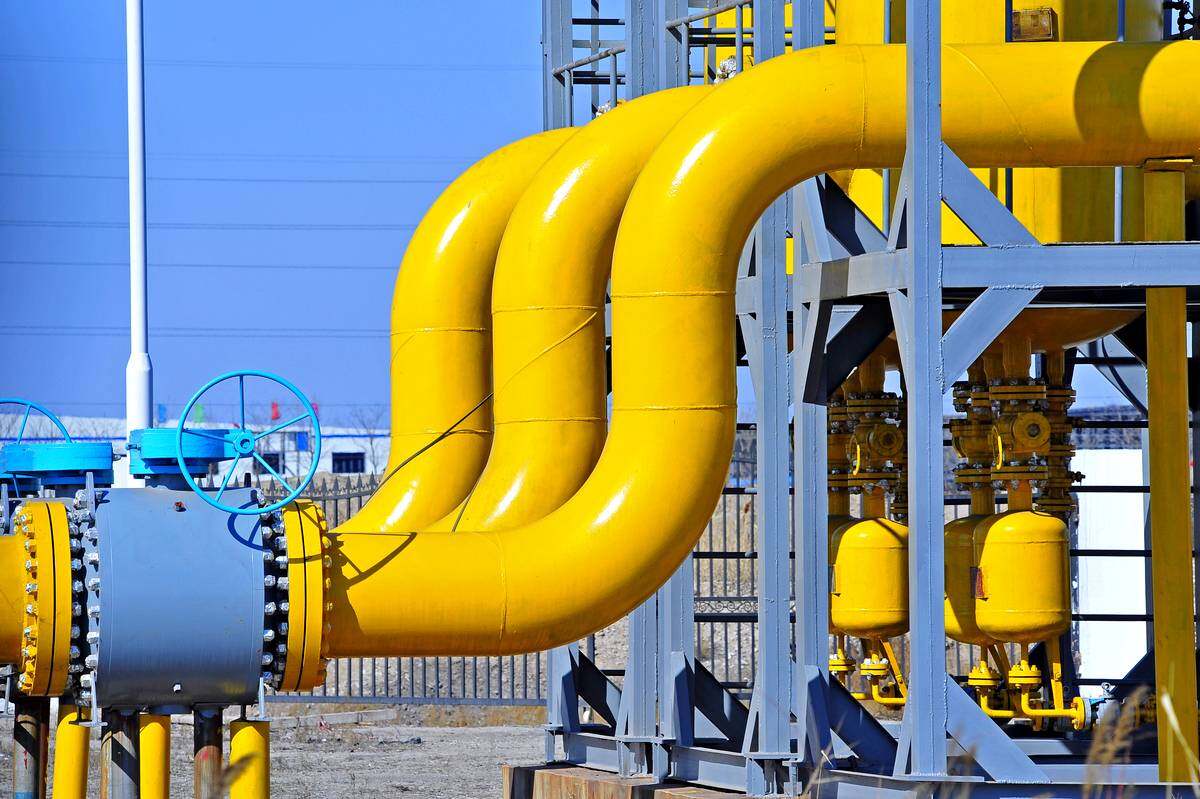
This is also a continuation of China Pakistan energy cooperation. From the acquisition of oil and gas assets and the construction of wind power projects by United Energy Group in Pakistan, to the joint overseas expansion of oil and gas equipment enterprises, Chinese technology has been active in the energy front in Pakistan. It can be expected that this cooperation will focus on stagnant and low-pressure natural gas resources, natural gas commercialization, oil field development, and technology driven production increase - the cluster of fire that has been burning for many years will finally become the gas that lights up the lights.Editor/Yang Meiling
Comment


 Praise
 Collect
 Comment

 Share
Share


Write something~