 Search


- This cooperation will promote Kyrgyzstan's shift from a single import to local refining and diversified supply
- Inject new momentum into Central Asia's energy security and joint construction of the the Belt and Road
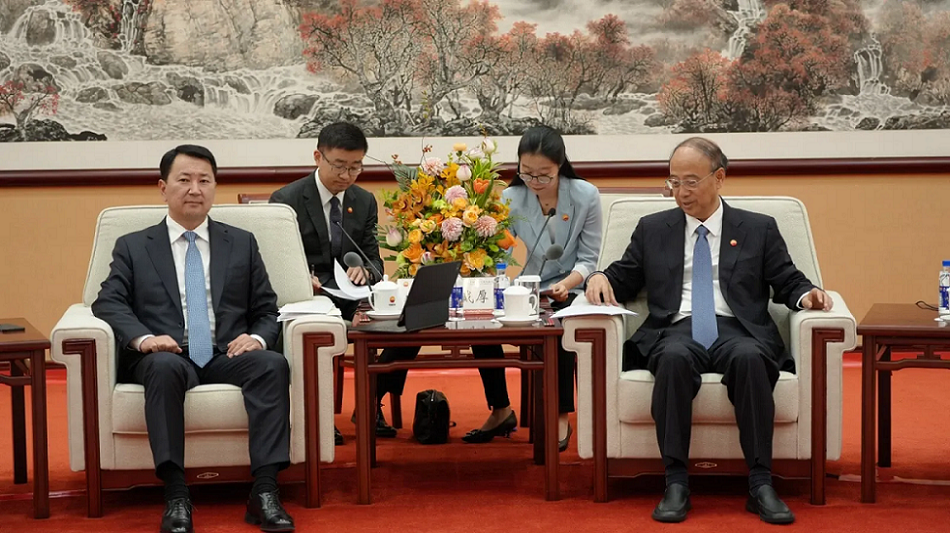
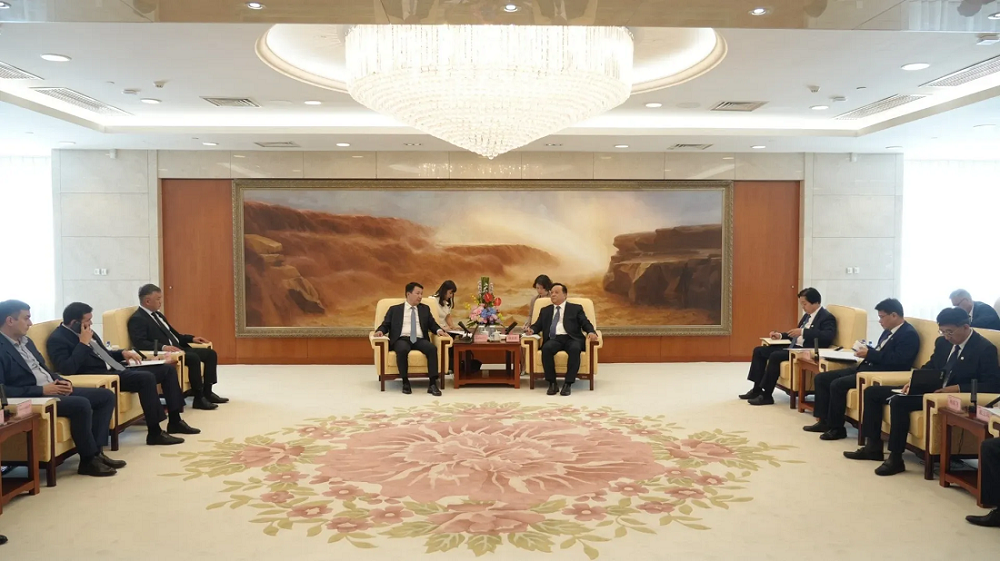
Recently, Kyrgyzstan's Deputy Prime Minister and Minister of Water Resources, Agriculture, and Processing Industry, Erlist Akhunbikov, visited Hou Qijun, Chairman of Sinopec, and Dai Houliang, Chairman of PetroChina, in Beijing to discuss cooperation projects aimed at promoting the development of the country's petroleum industry. He stated that one of the key objectives of this trip is to establish a stable supply of petroleum products for Kyrgyzstan, and cooperation with professional companies is crucial to achieving this goal.
The visit has a clear SCO background. At the end of August, the Shanghai Cooperation Organization summit was held in Bishkek. During the meeting between the two heads of state, more than 30 cooperation documents were signed on both sides. The joint declaration proposed to ensure the stability of the production and supply chain of the fuel energy complex and strengthen cooperation in the joint mining of oil, gas, and coal. On August 28th, at the China Kyrgyzstan Business and Investment Forum, the two sides signed an agreement worth over 300 million US dollars. Kyrgyzstan Petroleum and Natural Gas Corporation and Xinjiang Central Asia Petroleum and Natural Gas Co., Ltd. signed a memorandum of strategic cooperation in the oil and gas industry. Hou Qijun stated that Sinopec will implement the consensus reached by the heads of state and gradually expand its upstream and downstream industrial chains while consolidating the foundation of refined oil trade.
From buying oil to refining
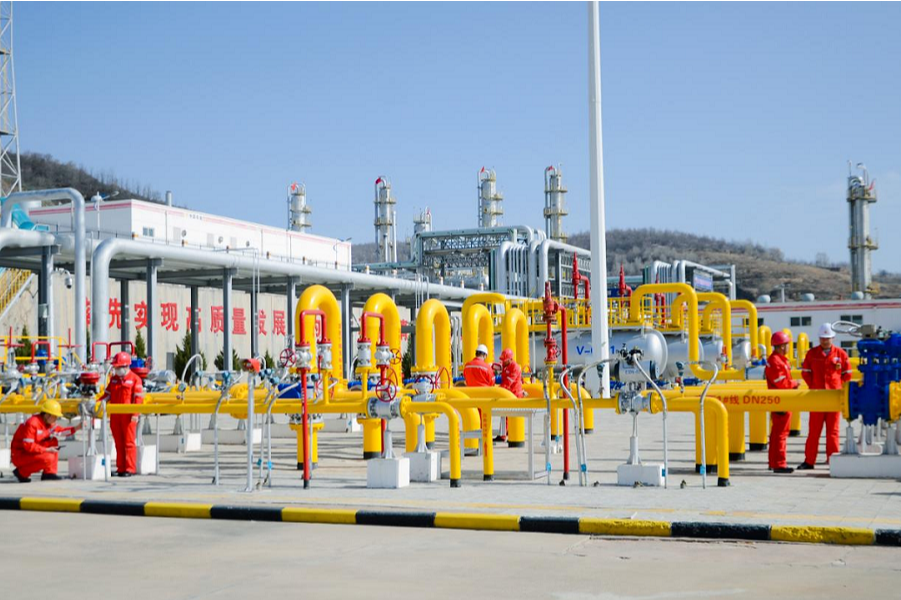
The other main line is to shift the focus of Jilin from buying refined oil products to refining their own. Both parties are concerned about the construction of refineries and the exploration and development of oil and gas fields. The 800000 tons/year refining project of Zhongda Petroleum located in Chuhe Prefecture is the largest industrial project invested by Chinese enterprises in Jilin. The refined oil products account for about 30% of the local market and drive employment for more than 2900 people; From January to July 2026, 276300 tons of raw oil will be processed and 222600 tons of various oil products will be produced. We are promoting quality upgrading and transformation, and after completion, gasoline and diesel will fully meet Euro V standards. On July 20th, the cabinet also signed an investment agreement with Central Asia Energy, planning to build a 450000 ton annual processing capacity refinery in Kockolatat, Jalalaba State, with an investment of 25 million US dollars.
Building an oil depot next to the port
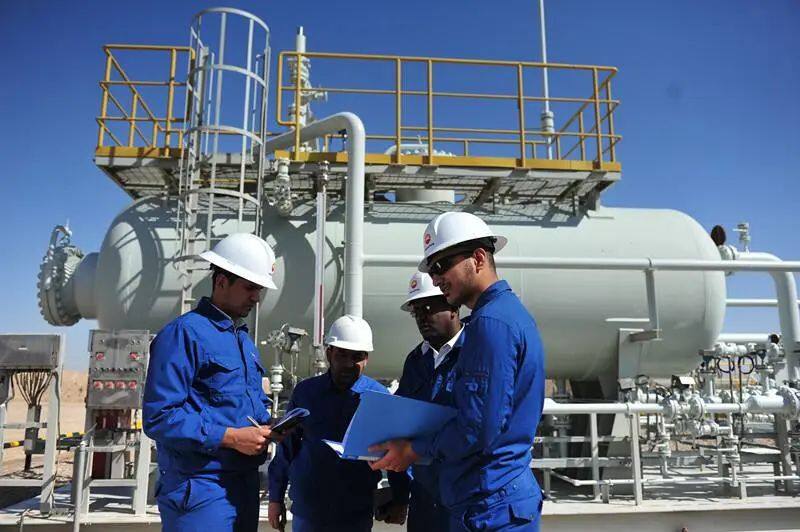
Oil needs to be transported and stored in order to reduce costs. Both sides discussed the transportation infrastructure for petroleum products across the China Kyrgyzstan border and explored the construction of petroleum storage facilities near the ports of Torugat and Irkeshtam. Representatives from Jilin enterprises also participated in the talks to explore the prospects of signing a new agreement on the supply of petroleum products.
The channel is already running goods: On July 28th, the first batch of 150 tons of No. 0 vehicle diesel from Sinopec Xinjiang Petroleum was exported through the Turgat Port, opening up the land energy export channel from Xinjiang to Central Asia; In August, Tahe Refinery transported 3000 tons of No. 0 diesel in three batches, and the first batch of 1000 tons was handed over in Kashgar on August 19th; On August 11th, six tank trucks loaded with 150 tons of diesel left the Irkeshtam port. The two ports form a dual channel parallel pattern, while providing oil supply guarantees for cross-border projects such as the China Kyrgyzstan Uzbekistan Railway.
From a one-time emergency, to refineries, oilfields, border oil depots and long-term supply agreements, China Kyrgyzstan oil and gas cooperation is moving from buying and selling to co construction of the industrial chain, adding another ballast to regional energy security under the the Belt and Road framework.Editor/Yang Meiling
Comment





 Praise
 Collect
 Comment

 Share
Share


Write something~