 Search


- After production, it will fill the gap in Southeast Asian alumina and reshape the regional aluminum raw material circulation pattern
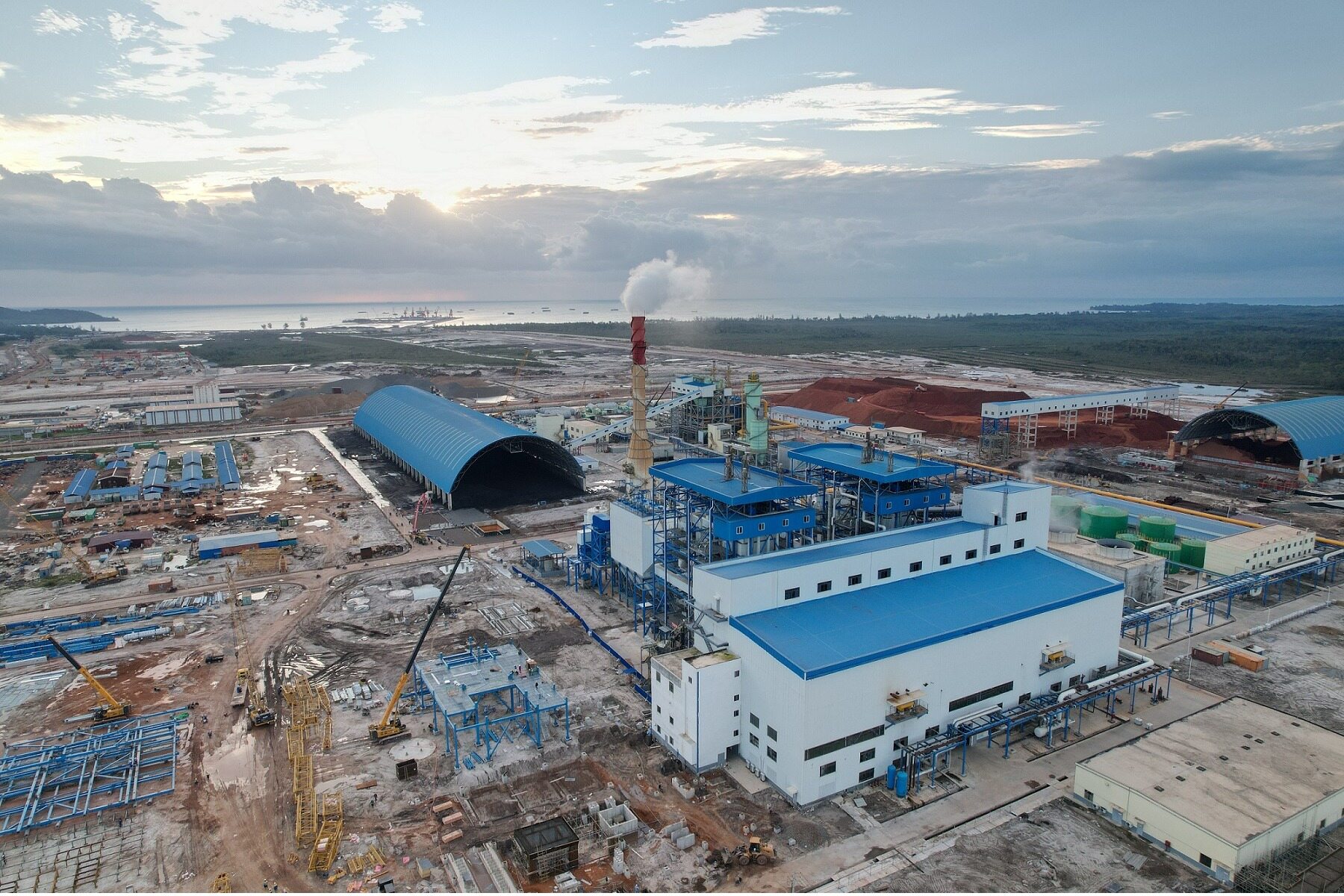
At the end of 2022, colorful flags were raised on a piece of red soil in Dazhen County, Sekong Province, southern Laos. Excavators dug down the first bucket of reddish brown soil. In the eyes of the locals, this soil color is dark and crops do not grow well. Ancestors only regarded it as a symbol of poverty. Few people would have thought that it contains up to 30% to 50% aluminum oxide, making it an excellent raw material for aluminum smelting. In September 2025, nearly three years later, the Laotian government will stamp the final approval seal for this project. Recently, officials and development teams from Laos and Vietnam gathered together in Vientiane to shift the topic from how to build to how to manage.
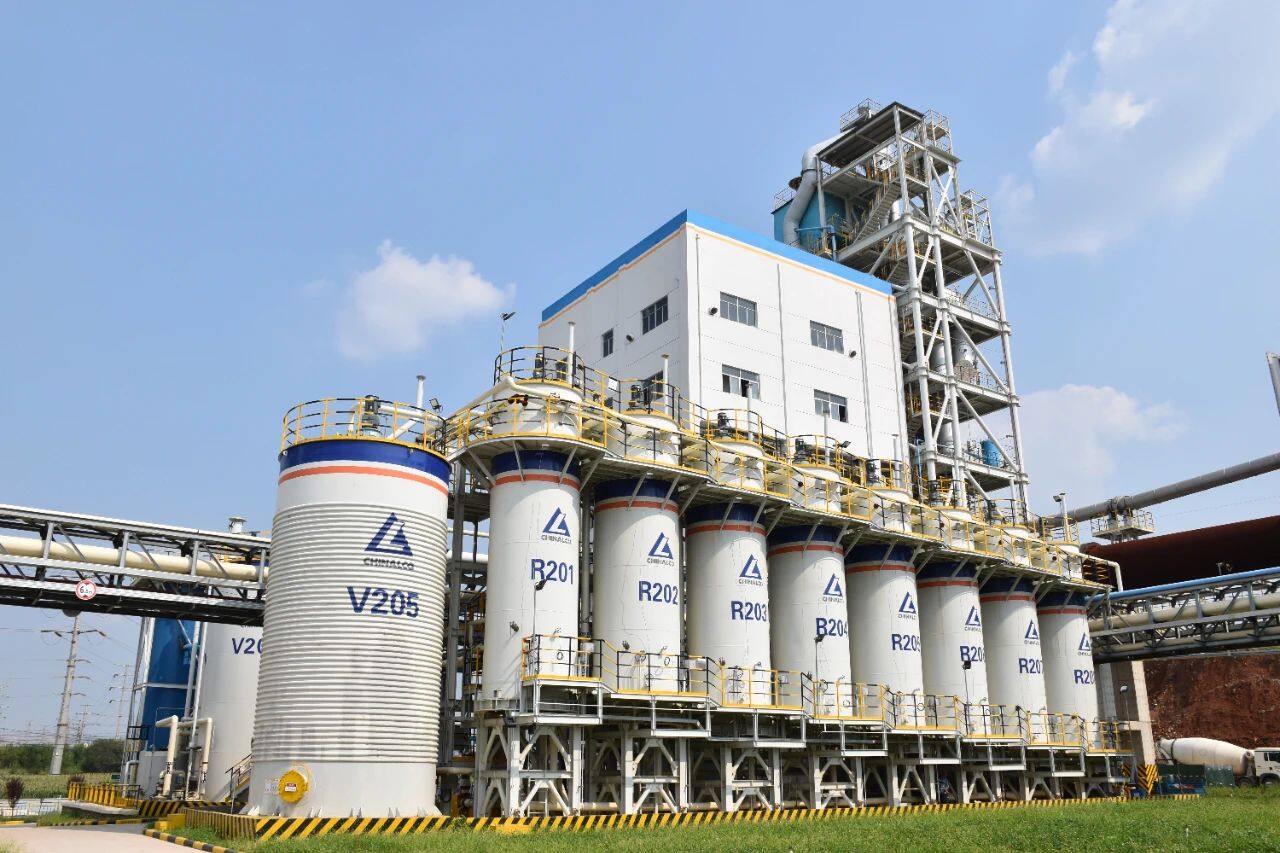
From selling ore to refining finished products
The Dazhen Bauxite Integration Project covers an area of approximately 8692 hectares and is the largest mining investment project by Vietnam in Laos, with a total investment of 1 billion US dollars. It is operated solely by Vietnam Phuong Group and its Laos subsidiary VLV. After the completion of the first phase, it will have a supporting bauxite processing capacity of 2.5 million tons per year and an annual output of 1 million tons of alumina; By 2035, the total production capacity is planned to be expanded to 2 million tons per year. This means that Laos no longer just loads ore onto trucks and transports it out of the country, but keeps the entire chain from mining to deep processing locally, and the value of red soil rises along with the industrial chain.
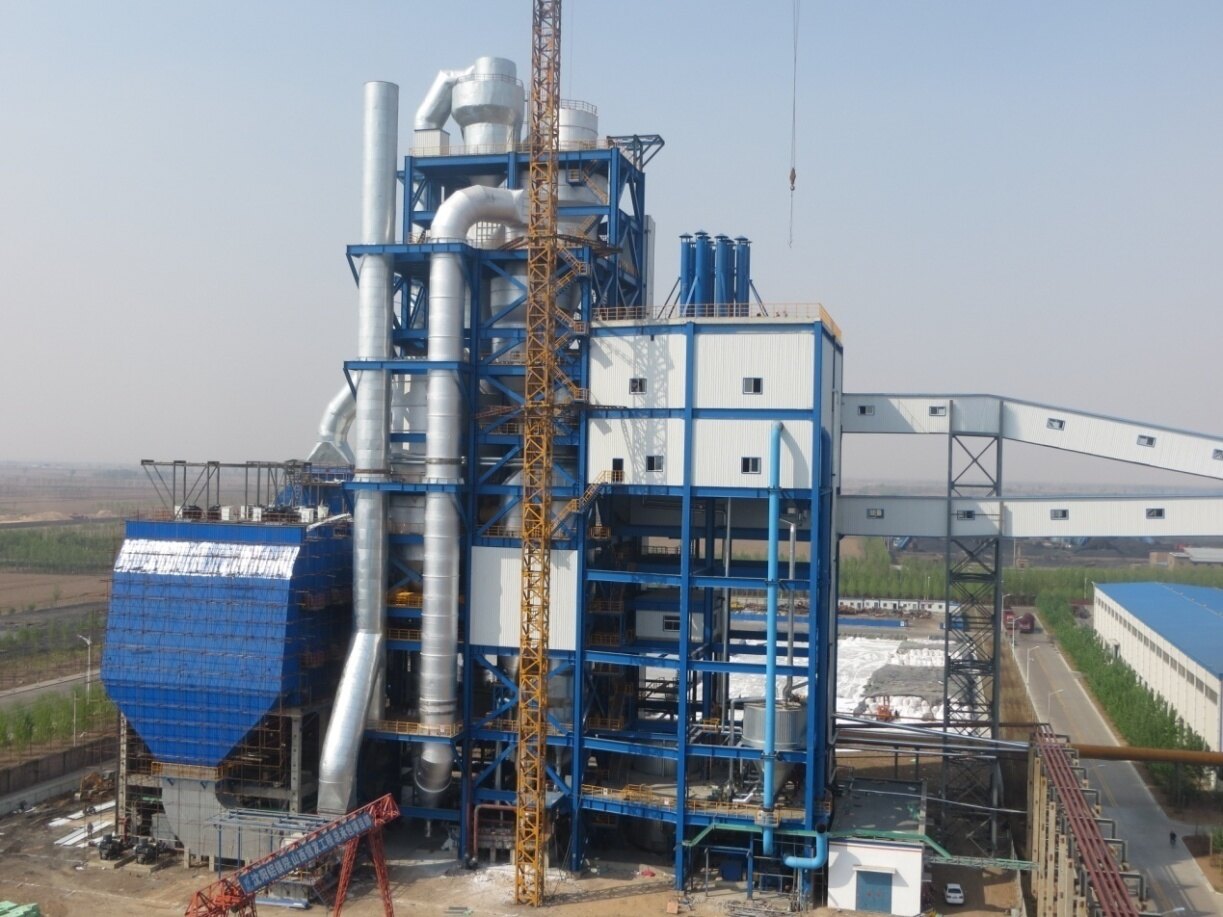
Employment and Tax Ledger
Dazhen County is located in a remote area, and young people used to go out to make a living. According to the plan, more than 1000 jobs can be directly created in the first three years of project operation, and the employment scale will increase to 1500 to 1800 after full operation, contributing 30 to 60 million US dollars in tax revenue to Laos' finance annually. At the seminar, how to recruit, retain, and utilize local labor force became a topic of repeated discussion between both parties, and job training and production technology specifications were also included in the standardized operation plan.
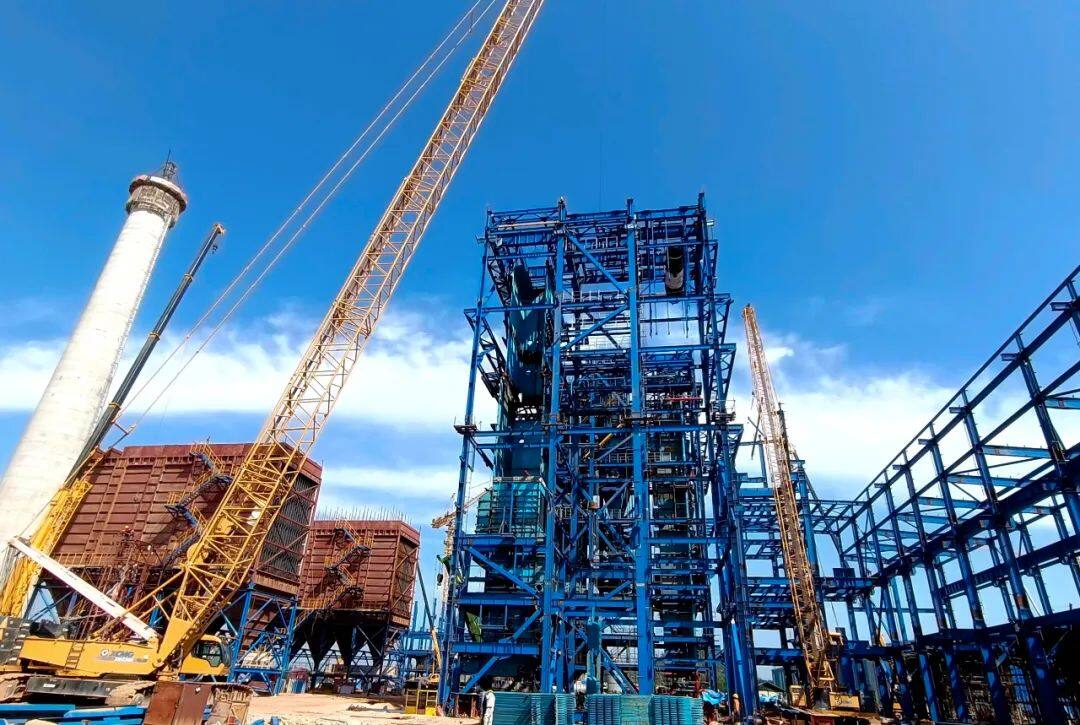
Before production, go through environmental protection regulations first
The southern part of Laos is not without lessons. The environmental legacy left by early bauxite mining has made the local area particularly sensitive to ecological issues. The project team has refined the detailed rules for red mud disposal, water resource control, and ecological restoration, and listed ecological protection as the core acceptance standard before production. At the same time, the project is backed by the high-grade bauxite resources of the Boluofen Plateau, combined with Vietnam's mature alumina processing technology. After being put into operation, it will directly fill the supply gap of alumina in Southeast Asia, form differentiated synergy with the layout of China Laos cross-border green electric aluminum industry, and promote the localization and integration upgrading of the entire Southeast Asian aluminum industry chain.
If the first bag of alumina can be produced as scheduled in 2028, the story told by the red soil in Dazhen County will no longer just be about selling resources.Editor/Yang Meiling
Comment



 Praise
 Collect
 Comment

 Share
Share


Write something~